


Why regional health systems (and Singing River) matter now: a concise problem framing
In 2026, healthcare is changing faster than ever. Regional health systems are like the backbone of care for many communities. They are super important for making sure people get good care, that hospitals can keep working well, and that communities stay healthy. Think about systems like Lakeland Regional Health, High Lakes Health Care, Spectrum Health Care, or the Singing River Health System. These local groups often make a big difference in people’s daily lives.
For leaders in healthcare, understanding these systems is key. They need to know how to make smart choices for patient care.

This means looking at things like how quickly patients get better and how safe they are. It also means making sure the health system can handle new challenges, like new sicknesses or busy times. A good example is the Singing River Health System, which is a public community hospital system in Jackson County, Mississippi. It is owned by the people it serves.
Today, there is a lot of new technology and quick changes happening in healthcare. This can create a lot of noise. It makes it hard for decision-makers to see what really matters. They need clear and proven facts to guide them. Without this, it is easy to get lost in all the new ideas and tools. That is why it is so important to look closely at how health systems like the Singing River Health System or the Grow Healthcare Group work. We need to find out what truly helps patients and improves how care is given. For anyone looking to understand how new tools are shaping healthcare, it helps to learn about health system technology landscape insights.
Keeping up with all the changes in healthcare technology can be tough. It is easy to feel overwhelmed by new information every day.
Get clear daily AI updates from The AI Newsletter Worth Reading.
To cut through this noise and focus on practical applications, let’s examine a real-world example.
Profile: Singing River Health System — scope, services, and strategic priorities
The Singing River Health System is a public community hospital system owned by Jackson County, Mississippi. It’s a great example of a healthcare group truly tied to its community. This system includes three hospitals: Singing River Hospital in Pascagoula, Ocean Springs Hospital, and Singing River Gulfport Hospital. These hospitals offer many acute care services, helping people across the region. For instance, Singing River Hospital alone has 435 licensed beds, showing its big role in local patient care Mississippi State Department of Health. The entire system is guided by a nine-member Board of Trustees, making sure it always works for the community it serves Microsoft Word – Singing.doc.
Like other regional health systems such as Lakeland Regional Health or High Lakes Health Care, the Singing River Health System provides many important services. These include general hospital care, specialized medical treatments, and emergency services. For these systems, using new technology is all about making patient care better and more efficient. This could mean bringing in new tools for figuring out what’s wrong with a patient, or making it easier to keep track of patient information.
When it comes to bringing in new technology, regional health systems have special ways of doing things. They often need clear plans for buying new tools, which is called procurement. Hospital leaders need to make sure new tech works well with their existing systems. It also has to help patients without causing new problems. It is very important for hospitals to follow strict rules when buying new technology. A helpful resource for this is the 2026–2027 Health IT Approvals Guide for Hospital Trustees, which offers guidance for making smart choices.
Having strong governance is also key. This means having clear rules and people in charge who make sure new technology is used safely and correctly. This includes looking at how new AI tools are managed, which is a big topic for healthcare boards in 2026. Understanding important issues like The AI Governance Questions Healthcare Boards Can No Longer Ignore is vital for systems like Spectrum Health Care or the Grow Healthcare Group. They must also carefully check new vendors to avoid risks, as highlighted by The Ultimate Healthcare Vendor Risk Assessment.
Innovation for the Singing River Health System means finding new and better ways to deliver care. This often involves updating older systems, which is a common challenge for regional hospitals. Learning how to successfully drive Mastering Regional Health Systems Digital Transformation is crucial for their growth. It is also important to understand how to modernize legacy health systems in regional hospitals to keep up with the fast changes in healthcare technology today.
Healthcare is always changing, and regional systems like the Singing River Health System are working hard to keep up. They are adopting new digital tools to make things better for patients. Let’s look at how hospitals are using things like Electronic Health Records (EHRs), telehealth, and special AI tools.
What Digital Tools Are Hospitals Using?
Many hospitals, even smaller regional ones, now use three main types of digital tools:
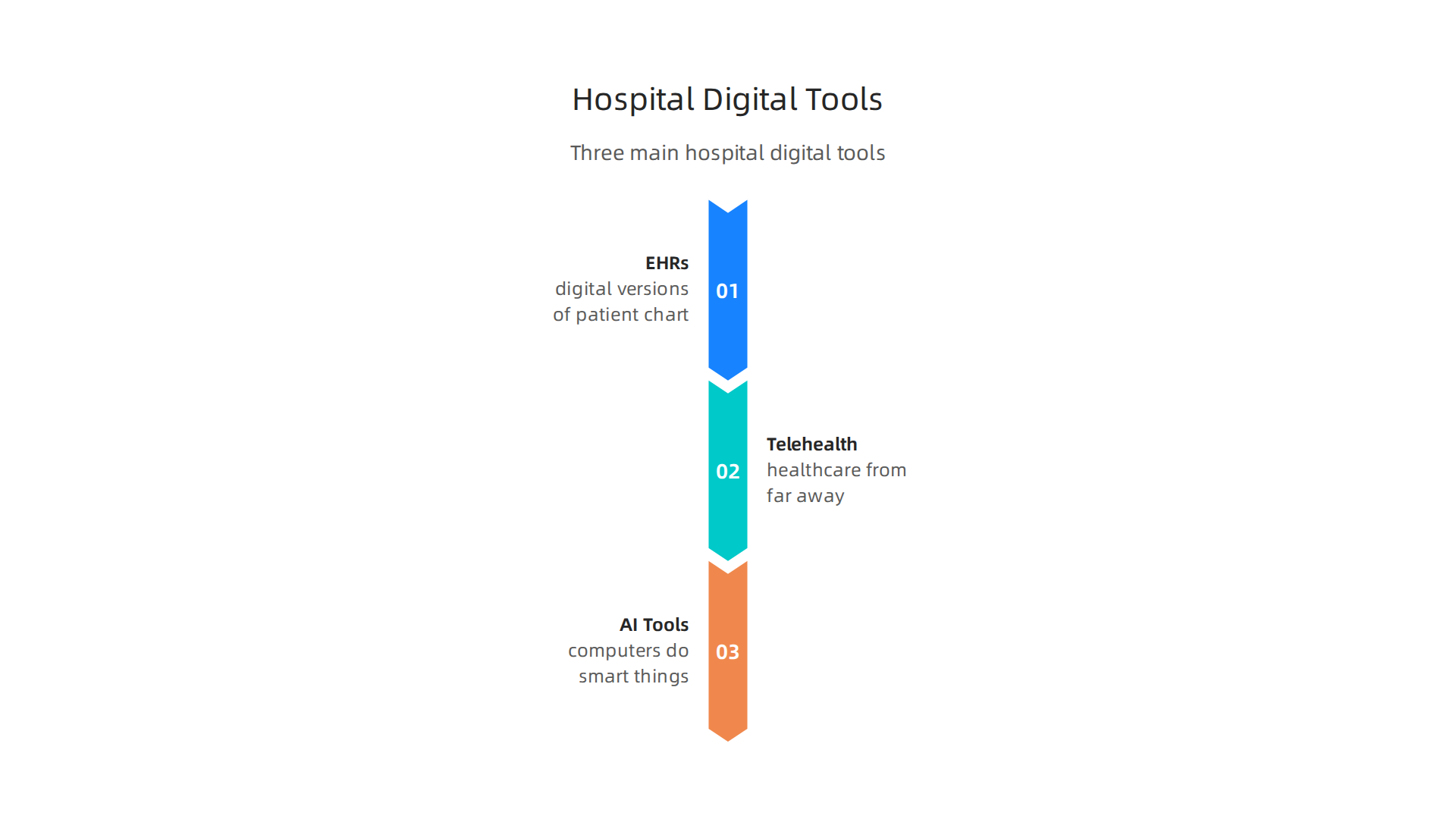
- Electronic Health Records (EHRs): These are digital versions of a patient’s paper chart. They help doctors and nurses keep track of patient information, like medicines, test results, and notes from visits. Almost all hospitals use EHRs today, and they are a basic part of modern healthcare National Trends in Hospital and Physician Adoption of Electronic Health Records.
- Telehealth: This means using technology to give healthcare from far away. Think of video calls with your doctor or getting advice over the phone.
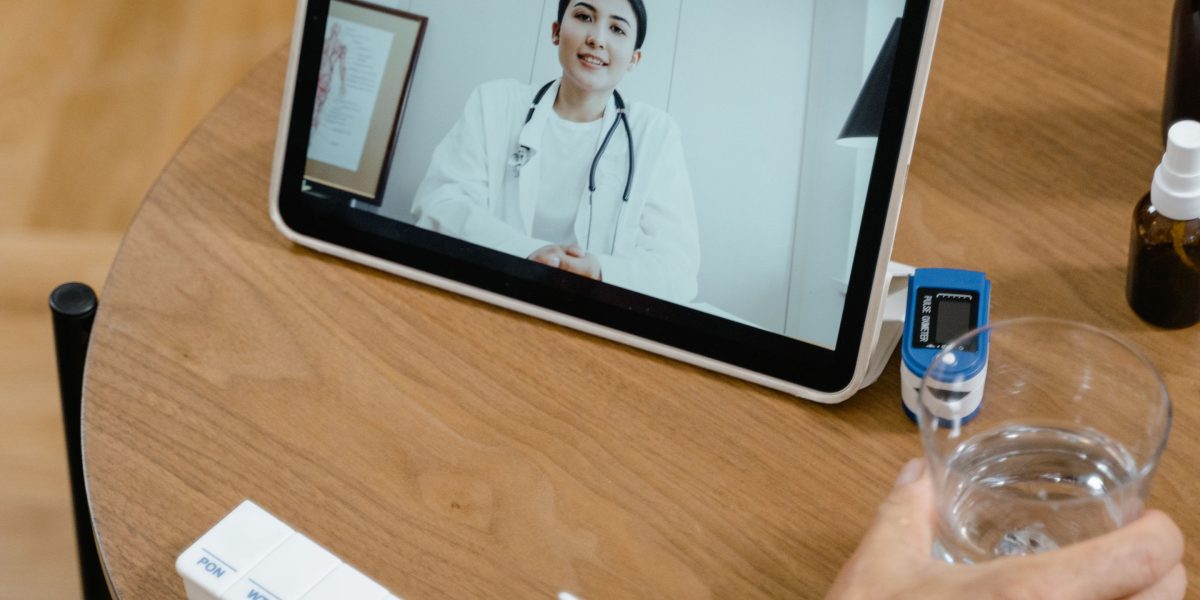
This is very helpful for people who live far from a hospital or can’t travel easily.
3. AI Tools: Artificial Intelligence (AI) helps computers do smart things like humans. In hospitals, AI can help predict if a patient might get sick, or even help doctors find the best treatments.
How Fast Are Hospitals Adopting New AI Tools?
The speed at which hospitals are using AI tools is quite different. Larger hospitals in big cities often adopt these tools faster than smaller, regional ones. For example, in 2024, about 71% of all hospitals were using predictive AI that works with their EHRs, which was up from 66% in 2023 Hospital Trends in the Use, Evaluation, and Governance of Predictive AI 2023-2024. This kind of AI helps guess what might happen next with a patient’s health.
When it comes to generative AI, which can create new information or text, about 31.5% of hospitals were using it with their EHRs in 2024 Uptake of Generative AI Integrated With Electronic Health Records …. This shows that more and more hospitals are starting to use very smart AI tools.
However, the adoption of AI is not the same everywhere. Big city hospitals might have 81% to 86% using AI, but smaller or rural hospitals might only have 50% to 56% using it ASTP “Hospital trends 2023-2024”: how U.S. …. This gap means that regional systems like the Singing River Health System, Lakeland Regional Health, or High Lakes Health Care might face more challenges. For instance, in 2022, Mississippi had one of the lowest rates of AI adoption in its hospitals, around 1.9% AI in Hospitals: 2025 Adoption Trends & Statistics. This shows there’s a big chance for growth in these areas.
Why Are Hospitals Using These New Tools?
There are a few big reasons why hospitals, including the Singing River Health System and others like Spectrum Health Care or Grow Healthcare Group, are adopting these new technologies:
- Patient Demand: People want easier ways to get care, like talking to a doctor online. They also expect their health information to be kept safe and easy to access.
- Reimbursement Changes: How hospitals get paid for their services can change. New rules often encourage using technology to provide better, more coordinated care.
- Operational Efficiency: Hospitals want to work smarter and faster. EHRs help avoid mistakes, and AI can help find problems earlier, saving time and money.
For those interested in how AI is changing healthcare and other fields, staying informed is key. Get clear daily AI updates from The AI Newsletter Worth Reading. Learning about these new tools is important for anyone in healthcare, from leaders to doctors. Understanding these changes helps regional health systems improve patient care and keep up with what’s new in healthcare technology, just as discussed in Healthcare Technology Trends 2026 Reshape Medicine and Patient Care.
While new digital tools like EHRs and AI can help a lot, regional hospitals like the Singing River Health System also face big challenges when trying to use them. It’s not just about having the technology; it’s about how people use it, how well different systems work together, and how old computer programs might get in the way.
Operational Challenges: Staffing, Workflows, and Interoperability
Bringing new technology into a hospital is like teaching an old dog new tricks. It needs careful planning and changes to how things are usually done.
Finding Enough Skilled Staff
One of the biggest hurdles is having enough staff who know how to use these new tools.

Hospitals need people who understand how to work with Electronic Health Records, telehealth systems, and advanced AI programs. For example, a hospital might get a new AI tool to help doctors, but if the doctors and nurses aren’t trained on it, or if there aren’t enough staff members to learn it, the tool won’t be used well. This can be especially tough for smaller regional hospitals like Lakeland Regional Health or High Lakes Health Care because they might not have as many resources as bigger hospitals to train everyone.
Managing Change and Workflows
It’s not enough to just buy new software. Hospitals must change their daily routines, or "workflows," to fit the new technology. This is called change management. Imagine doctors and nurses who have done things one way for many years. Suddenly, they need to follow new steps, click different buttons, or record information in a completely new way. If these new ways of working are not well thought out or if staff are not included in making these changes, it can lead to frustration and mistakes. Systems like Spectrum Health Care and Grow Healthcare Group need clear plans to help their teams adjust to these new digital tools and make sure everything runs smoothly. For leaders looking to improve how things run, exploring a unified operational playbook elevates health system performance for 2026.
Interoperability Gaps and Technical Debt
Another big challenge is making sure all the different computer systems in a hospital can "talk" to each other. This is called interoperability. For instance, the billing system might not easily share information with the patient’s electronic health record, or the lab results system might be separate from the doctor’s notes. When systems don’t work together, staff have to enter information multiple times, which wastes time and can lead to errors.
Many regional health systems also carry what’s known as "technical debt." This means they rely on older computer systems and software that are hard to update or connect with newer technology. These old systems might be stable, but they are like old roads with many potholes; they make it difficult for new, faster vehicles to travel. A study in 2026 found that health systems still face big issues with making their digital tools work together across different areas of care, from data security to patient services Digital Readiness Survey Assessment Report. Getting rid of this technical debt and making sure all systems can share information easily is key for modernizing care, as explained further in a guide on how to modernize legacy health systems in regional hospitals.
Moving from day-to-day work challenges, regional hospitals also face a thick web of rules and laws. These rules come from places like HIPAA and the FDA, and they add more steps and costs to bringing in new technology.
Regulatory and Compliance Hurdles: HIPAA, FDA Pathways, and Regional Considerations
Hospitals must follow strict rules to keep patient information private and make sure new medical tools are safe. This is especially true when hospitals like Singing River Health System, Lakeland Regional Health, or High Lakes Health Care try to use the latest digital tools.
Keeping Patient Information Private with HIPAA
The Health Insurance Portability and Accountability Act, or HIPAA, is a very important law in the United States. It makes sure that hospitals and clinics protect patients’ private health information. When a regional health system brings in new software or AI tools, they must prove these tools can keep patient data safe from hacks or improper sharing. If a hospital does not follow HIPAA rules, it can face big fines and other problems. In 2026, the penalties for not following HIPAA are still a major concern for healthcare providers and technology vendors alike, pushing them to embed stronger safeguards into their systems, according to a report on the 2026 State of Release of Information Technology.
FDA Rules for New Medical Devices and Software
When new medical devices or software that help diagnose or treat patients are created, the Food and Drug Administration (FDA) has to approve them. This approval process makes sure these tools are safe and actually work. This can be tricky for new AI programs or digital health platforms because the FDA has specific pathways for different kinds of technology. For instance, the FDA released proposed guidelines for 2026 that help clarify how digital health technology is reviewed, especially concerning patient data, as outlined in an FDA Digital Health Guidance: 2026 Requirements Overview. Hospitals using these technologies need to know that their tools meet FDA standards. Understanding these rules is key for any new technology in healthcare.
Challenges for AI and Medical Device Software
The mix of HIPAA and FDA rules creates unique challenges for AI and medical software.
- Privacy and Data Security: AI tools often need lots of patient data to learn and get smarter. But using this data means hospitals must follow strict HIPAA guidelines to keep it private and secure. This involves things like strong cybersecurity and making sure only certain people can see sensitive information, a complex task detailed in a GTM Compliance Crosswalk for FDA, SOC 2, HIPAA, and HITRUST.
- Approval and Safety: AI software that helps doctors make decisions, like predicting diseases, is seen as a medical device by the FDA. This means it needs careful testing and approval, which can take a lot of time and money. Smaller regional hospitals, like Spectrum Health Care or Grow Healthcare Group, might find it harder to get through these long and costly approval steps.
Regional Considerations
Laws can also change from state to state or region to region. For example, specific state medical boards might have their own rules about using telehealth or digital tools, adding another layer of complexity for health systems operating across different areas. Leaders need to keep up with these local rules, like the Texas Medical Board Regulations 2026, to make sure their new technology plans are fully compliant.
Navigating these regulatory hurdles means hospitals need a clear plan. They must think about how new technology impacts patient privacy, what approvals are needed, and how regional laws might affect their projects. It’s a big part of how new technology in healthcare can be put into practice safely and correctly.
To stay current on the fast-changing world of AI and other tech in healthcare, consider signing up for insights.
The AI Newsletter Worth Reading
After thinking about all the rules and laws for new technology, hospitals next need to look at the money side of things. This means making smart plans for spending, buying, and making sure their investments pay off. Regional health systems, like Singing River Health System, must be very careful with their budgets.
Financial & Strategic Considerations: Budgeting, Procurement, and ROI Expectations
For hospitals to bring in new health technology, they need to have good plans for money. This includes how much they will spend, how they will buy new tools, and what kind of return they expect to see.
Making a Budget and Figuring Out What Comes Back
Budgeting is about deciding how to spend money wisely. When a regional hospital wants to buy new software or devices, they first need to know the full cost.

This is not just the sticker price, but also things like training staff, keeping the system running, and making sure it stays safe. Many healthcare leaders are concerned about budgets and future growth, as shown in the 2026 Healthcare and Life Sciences Investment Outlook.
After figuring out the cost, hospitals need to see if the investment is worth it. This is called Return on Investment, or ROI. For digital health tools, ROI might mean:
- Saving time for doctors and nurses.
- Making patients happier.
- Helping more people get healthy.
- Cutting down on mistakes.
A good way to do this is to follow a framework for checking ROI, which helps hospitals see all the costs and benefits clearly. You can learn more about how to set up these plans in a Hospital Digital Transformation ROI Guide for 2026. For example, around 31.5% of US hospitals had already started using generative AI in their patient record systems by 2024, showing a clear trend that requires careful financial planning and ROI evaluation for these new technologies.
How Hospitals Buy Things: Procurement Models
Procurement is how hospitals choose and buy new things, like digital tools. There are two main ways regional health systems, like Lakeland Regional Health or High Lakes Health Care, often do this:
- Centralized Procurement: This means one main team or office handles all the buying for the whole health system. It can help save money because they buy in big amounts and get better deals. It also makes sure all new tools work well together and follow the same rules.
- Decentralized Procurement: This means each hospital or department buys its own things. This can be faster for smaller purchases and allows teams to pick tools that fit their exact needs. But it can also cost more overall and might lead to different systems that don’t talk to each other well.
The choice between these models can really change how fast new technology gets used and how much it costs. A report on the 2026 State of Healthcare Procurement talks about the balance between cost, quality, and making sure things are strong enough for the future. For regional hospitals like Spectrum Health Care or Grow Healthcare Group, picking the right way to buy is key to their success in using new technology. Understanding how to manage these financial and buying decisions is a big step for leaders looking to bring new technology in healthcare into their system. It helps them prepare for healthcare technology trends 2026 and beyond.
After making sure new technology fits legal and money rules, hospitals need to check if they are truly ready to use it. This is super important for regional health systems like Singing River Health System, Lakeland Regional Health, or High Lakes Health Care. They need a clear way to see if their teams, tools, and money plans are all lined up.
Case-study framework: assessing adoption readiness for Singing River and peers
For a hospital to bring in new health technology, it’s like getting ready for a big trip. You need to pack the right things, know where you’re going, and make sure you have enough money. Hospitals need to do the same by checking if they are ready in different ways.
Using a Checklist to See If You’re Ready
A good way to do this is with a checklist and a scoring guide. This helps hospitals look at three main areas:
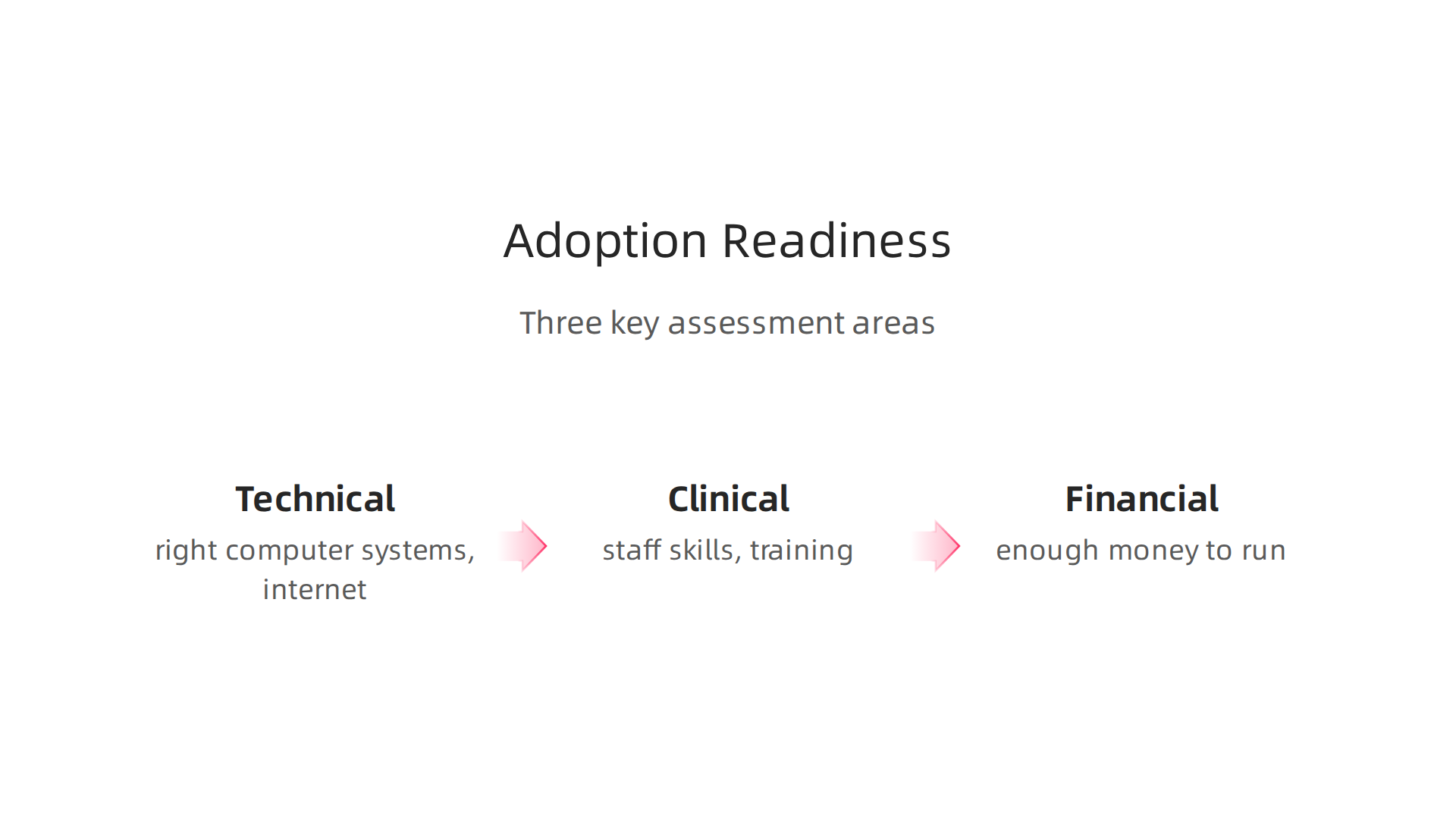
- Technical Readiness: This checks if the hospital has the right computer systems, internet, and other tech tools. Can the new system connect with the old ones? Is the network strong enough? A clear assessment, like the EHR Technology Readiness Assessment, can help answer these questions. It’s a bit like making sure your car has enough gas and good tires before a long drive.
- Clinical Readiness: This looks at the doctors, nurses, and other staff. Do they have the right skills? Will they get good training to use the new technology? How will the new tools change their daily work? This step is key for places like Spectrum Health Care to ensure their staff feels comfortable and skilled. You can find helpful steps in a Digital Toolkit for Hospitals to get your teams ready.
- Financial Readiness: Even after budgeting, it’s good to double-check. Does the hospital have enough money not just to buy, but also to run and fix the new system over time? Does the expected return on investment (ROI) still look good? A New Technology Readiness Review can help cover these financial aspects, including the full cost and benefits.
These checklists help hospitals like Singing River Health System see their strengths and weaknesses before they commit to big changes. A scoring guide can then give a simple number or level to show how ready they are overall, making it easier to compare different parts of the system or different technologies. A general guide for organizational scale capacity can show if a health system is Healthcare Scale Ready to implement new tech with its existing staff.
Trying Things Out with Pilot Projects
Before a hospital like Grow Healthcare Group buys a new system for everyone, it’s smart to try it out in a small way first. This is called a pilot project. It’s like testing a recipe before cooking for a big dinner.
To make a pilot project work well:
- Set Clear Goals: What do you want to learn? Do you want to save time, make patients happier, or cut costs?
- Measure Everything: Keep track of how well the new technology works. Collect numbers and feedback. This helps you get real proof. A useful Pilot Readiness Checklist can guide you through the process.
- Learn and Adjust: If something doesn’t work well, figure out why and make changes. Don’t be afraid to try again.
By doing a pilot project, hospitals can see if the new technology truly helps before spending a lot of money and time rolling it out everywhere. This careful testing helps them gather strong evidence. This evidence then shows if the technology is ready to be used more widely across the whole health system, helping leaders to improve mastering regional health systems digital transformation.
Staying on top of new developments in technology, especially AI, can give leaders an edge in making these decisions.
Get clear daily AI updates from The AI Newsletter Worth Reading.
Recommendations & a practical roadmap for leaders
With solid evidence from pilot projects and a clear understanding of readiness, leaders in health systems can now map out how to bring in new technology successfully. This takes a thoughtful approach, focusing on key steps to lower risks and get the most value from new tools. It’s about setting up a clear path for places like Singing River Health System to move forward with confidence.
Clear Steps for Leaders
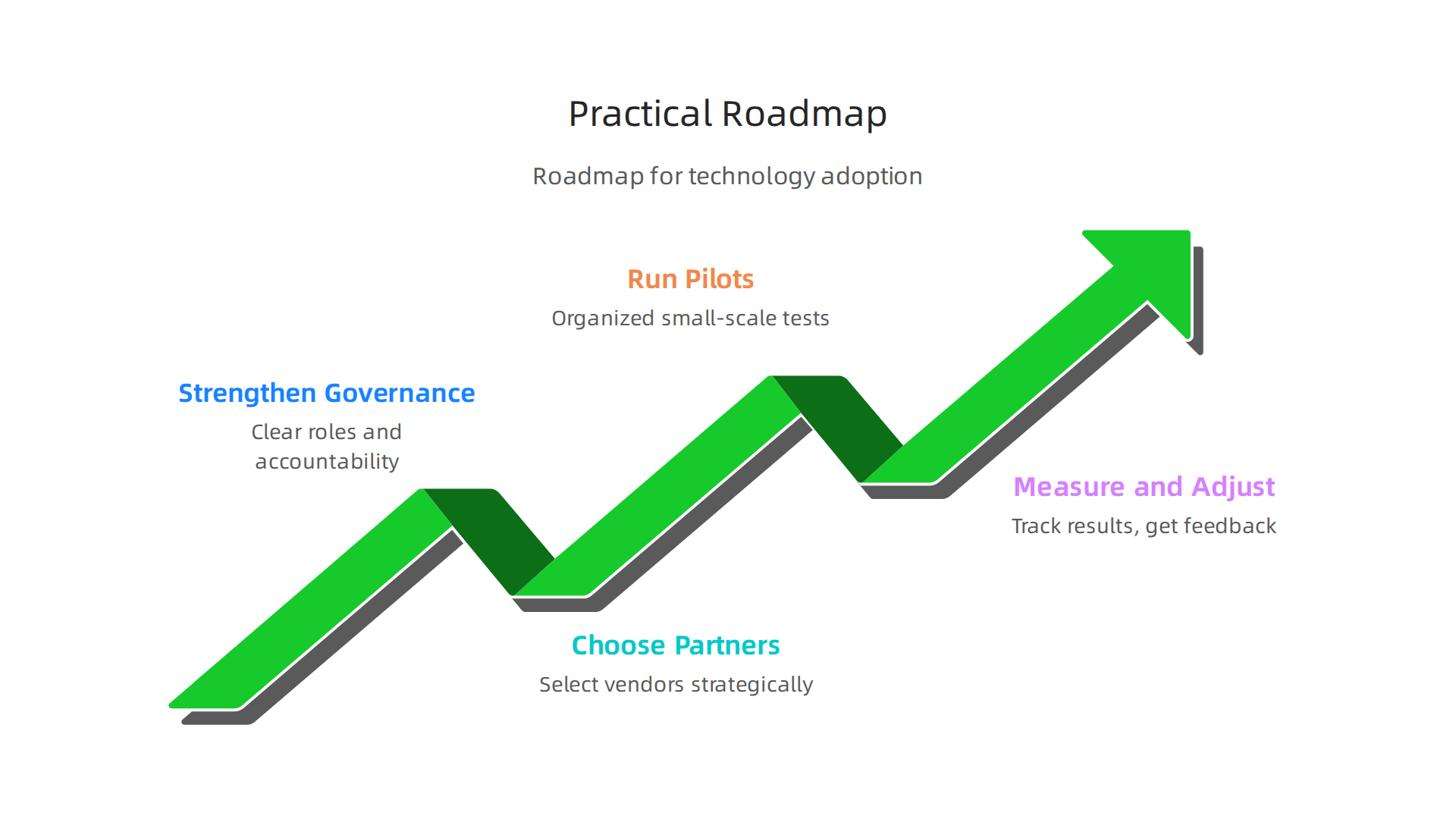
Here’s a practical roadmap with important steps that leaders can take right now:
-
Strengthen Your Governance First: Before diving deep, make sure you have clear rules and people in charge. This means having a team that guides all new technology projects. They need to set goals, make decisions, and check progress regularly. Having a strong framework helps avoid confusion and ensures everyone is working towards the same vision. A good starting point is to use tools like an HIS/EMR Adoption Handbook to guide these early stages. This is a short-term milestone that sets the stage for everything else.
-
Pick Your Partners Wisely: Choosing the right companies to work with is very important. These are the vendors who will provide the new technology. For systems like Lakeland Regional Health or High Lakes Health Care, it’s key to look for partners who understand healthcare, offer good support, and have tools that fit well with your existing systems. Ask about their past work and how they help other hospitals.
-
Run Structured Pilot Projects: Even if you’ve done pilots before, make sure new ones are very organized. This is a crucial medium-term milestone. Set clear goals for what each pilot should achieve and how you’ll measure its success. For example, a hospital like Grow Healthcare Group might want to see if a new scheduling app truly saves nurses time. Document everything you learn and be ready to change things based on what you find. This careful testing helps you gather more strong proof.
-
Measure and Adjust Constantly: Technology changes all the time, so your plan should too. Keep an eye on how the new technology is working after it’s fully in place. Are patients happier? Are doctors and nurses finding it helpful? Is it saving money or improving care at Spectrum Health Care? Collecting feedback and numbers will help you see what’s working well and what needs to be changed. This ongoing measurement helps you make sure the technology continues to provide value over time.
By following these steps, health system leaders can build a strong foundation for bringing in new technology. This helps lower risks and ensures that new tools truly help patients and staff. For more detailed insights on navigating health technology, explore a comprehensive strategic playbook for leaders on new technology in healthcare.
Summary
This article explains why regional health systems — illustrated by the Singing River Health System — are central to community care and how leaders should approach technology adoption in 2026. It reviews the core digital tools hospitals use today (EHRs, telehealth and AI), shows adoption trends and regional gaps, and highlights operational barriers like staffing shortages, workflow change management, interoperability and legacy technical debt. The piece also walks through regulatory and compliance hurdles (HIPAA, FDA pathways and regional rules) that shape procurement and vendor selection. Financial and strategic topics are covered too, including budgeting, centralized vs. decentralized procurement, and how to evaluate ROI. Readers get a practical readiness checklist and pilot framework to assess technical, clinical and financial preparedness. Finally, the article offers a concise roadmap — strengthen governance, select partners, run structured pilots, and measure continuously — so leaders can lower risk and scale technology with confidence.


