


Health care used to mostly happen from 9 to 5. But people get sick or need help at all hours, not just during the day. This creates a big problem: how do we get continuous, high-quality care when hospitals and clinics can’t always be open or have enough staff? The need for true 24 hour care is clear, but providing it in the old ways is tough. Hospitals can get very full, and there aren’t always enough doctors and nurses to go around, especially after hours.
Actually, in 2026, new technologies are helping us find ways to offer care around the clock. Digital solutions are changing how we get help. Think about talking to a doctor on a video call, which is a type of telehealth.

Or using special devices at home that check your health, known as remote patient monitoring. Another big step forward is "virtual wards," where people can get care that’s like being in a hospital, but from the comfort of their own home. These kinds of services are guided by new rules, like the standards for Virtual Wards – NHS Standards Directory, which help make sure care is good and safe.
These digital tools help doctors and nurses keep an eye on patients even when they are not in the same room. They help extend care beyond regular office walls and hours. This means more people can get the help they need, when they need it, which is closer to the ideal of 24 hour care. Learning more about these advancements can help you understand how care is changing. You can discover more about these shifts in the New Technology in Healthcare: The 2026 Strategic Playbook for Leaders.
To keep up with all the big changes in health tech, get clear daily AI updates from The AI Newsletter Worth Reading.
New digital ways of giving care, like video calls with doctors and devices that check your health at home, are great. But they also bring up important questions about rules and keeping your private health information safe. For 24 hour care to work well, everyone needs to follow important laws.
Rules for Keeping Your Health Data Safe
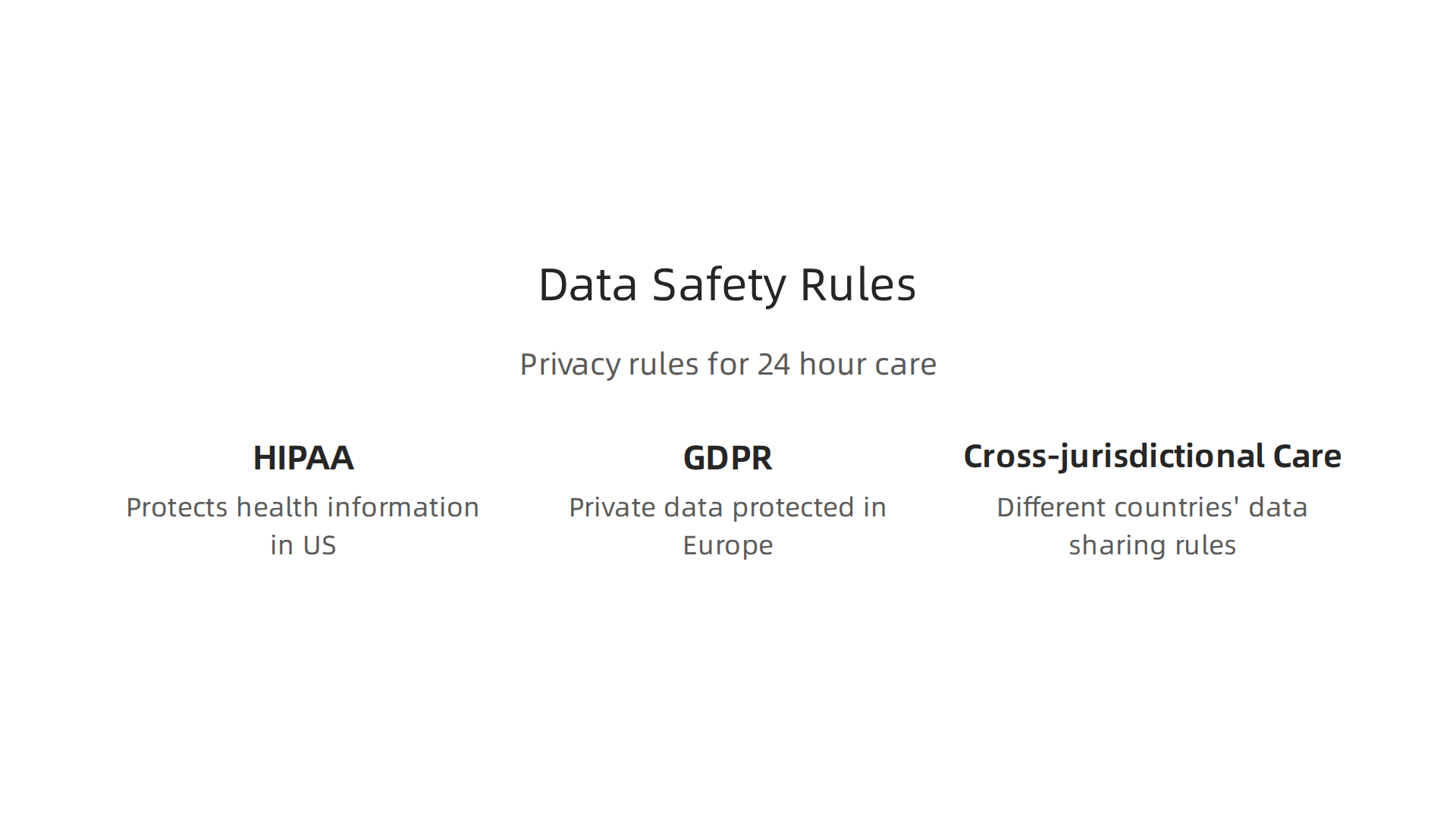
One of the biggest rules in the United States is HIPAA. It helps make sure your health information is kept private. For places offering digital health services, this means they must protect your records from being seen by people who shouldn’t see them. In 2026, staying on top of these rules is key for any digital care provider, as shown in the Telehealth Compliance Checklist 2026: HIPAA, ISO 27001, GDPR. You can learn more about these rules on the Privacy laws and policy guidance – Telehealth.HHS.gov website.
Outside the U.S., other rules like GDPR are very important, especially in Europe. GDPR also makes sure your private data is protected. When digital care crosses country borders, things get even more complex. Different countries have different rules about where health data can be stored and how it can be shared. This is called cross-jurisdictional care. A good guide can help you understand these global rules for 2026 Guide to International Healthcare Data Privacy. Companies like All American Home Care, First Stop Health, and Providence Express Care must make sure they follow all these rules carefully, no matter where their patients are.
Rules for Devices and Monitoring
Then there are rules for the devices themselves. Imagine a smart watch that checks your heart rate all day. These kinds of medical devices have to meet certain safety and quality standards before doctors can use them to give you 24 hour care. This is to make sure they work correctly and don’t harm you. You can learn more about how to choose and use these tools safely in articles like Navigate Medical Devices in 2026 Innovation Drivers and Market Growth.
When you have continuous remote monitoring, like a device that sends alerts to your doctor if your blood sugar is too high, there are special rules for that too. Providers need to make sure these alerts are handled quickly and correctly. They also need to be sure that the technology is reliable and that patients understand how their data is being used. This helps make sure digital 24 hour care is not just modern, but also safe and trustworthy.
Digital care is growing fast, and it needs good plans to make sure patients get help all day and night. Let’s look at how companies set up these services for 24 hour care and who runs them.
Different Ways to Give 24 Hour Care
There are many ways that medical services can offer care around the clock using new technology.
These models help more people get the right care at home or closer to home.
- Virtual Wards: Imagine a "hospital at home." That’s what a virtual ward is. Patients stay in their own homes but are watched closely by a team of doctors and nurses using digital tools. This can include devices that check their health signs. Studies show that virtual wards can help reduce how many people need to go back to the hospital and can even lower the risk of dying for some patients with heart problems, as seen in a Comparison of Mortality and Hospital Readmissions Among Patients Receiving Virtual Ward Transitional Care. They can also improve how patients feel about their care and might even save money compared to staying in a hospital. This model is getting better all the time, reducing hospital readmissions and improving patient quality of life, according to findings on The Effectiveness of Virtual Wards Compared to Inpatient.
- Hub-and-Spoke Continuous Monitoring: Think of a central "hub" where healthcare experts keep an eye on many patients at once, each using devices at their own "spoke" or home. This continuous remote monitoring means that if something changes with a patient’s health, the hub team gets an alert right away. This way, patients get quick help when they need it most.
- On-Demand Teletriage: This is like calling a nurse hotline, but with video. If you suddenly feel unwell, you can quickly connect with a healthcare professional through a video call. They can listen to your symptoms and help you decide if you need to go to an urgent care clinic, see a doctor, or if you can manage at home. This provides fast advice for many issues.
- Blended Home-Clinic Approaches: This model mixes care at home with visits to a clinic. For example, a patient might have a device that sends their blood pressure to their doctor every day. Then, once a month, they go to the clinic for a check-up. This way, patients get ongoing digital support but also have regular face-to-face time with their healthcare team. Many healthcare technology trends support these mixed approaches in 2026.
Who Runs These 24 Hour Care Services?
How these services are run can vary a lot.
- Health System-Led: Big hospitals or health systems often create their own virtual wards and monitoring programs. This means they manage everything from the staff to the technology.

- Vendor-Managed: Sometimes, a health system partners with a company that specializes in remote patient monitoring or virtual wards. Companies like All American Home Care, First Stop Health, or Providence Express Care might offer their technology and services to hospitals. The vendor takes care of the technical side, while the health system provides the medical care.
- Payer-Contracted: Health insurance companies, also known as payers, might offer these services to their members. They contract with specific providers or tech companies to give 24 hour care options. This can be a way for them to help members stay healthier and avoid expensive hospital stays. In fact, new rules for 2026, like the New CMS Rules Make Generating ROI on RPM Even Easier, are making it more beneficial for payers to invest in these remote patient monitoring programs.
Understanding these different ways of offering 24 hour care helps us see how digital health is changing to better meet patient needs in 2026. To stay on top of all the tech changes, you might find it helpful to get daily updates.
Get clear daily AI updates from The AI Newsletter Worth Reading.
For 24 hour care services to work well, they need strong technology systems behind them. This means a clear "tech stack" that includes devices, ways to connect them, smart programs to understand the data, and tools for doctors and nurses to use. Let’s look at the main parts of this technology setup for continuous monitoring in 2026.
The Core Technology Building Blocks
Think of a modern 24 hour care system as having several key layers, all working together seamlessly.
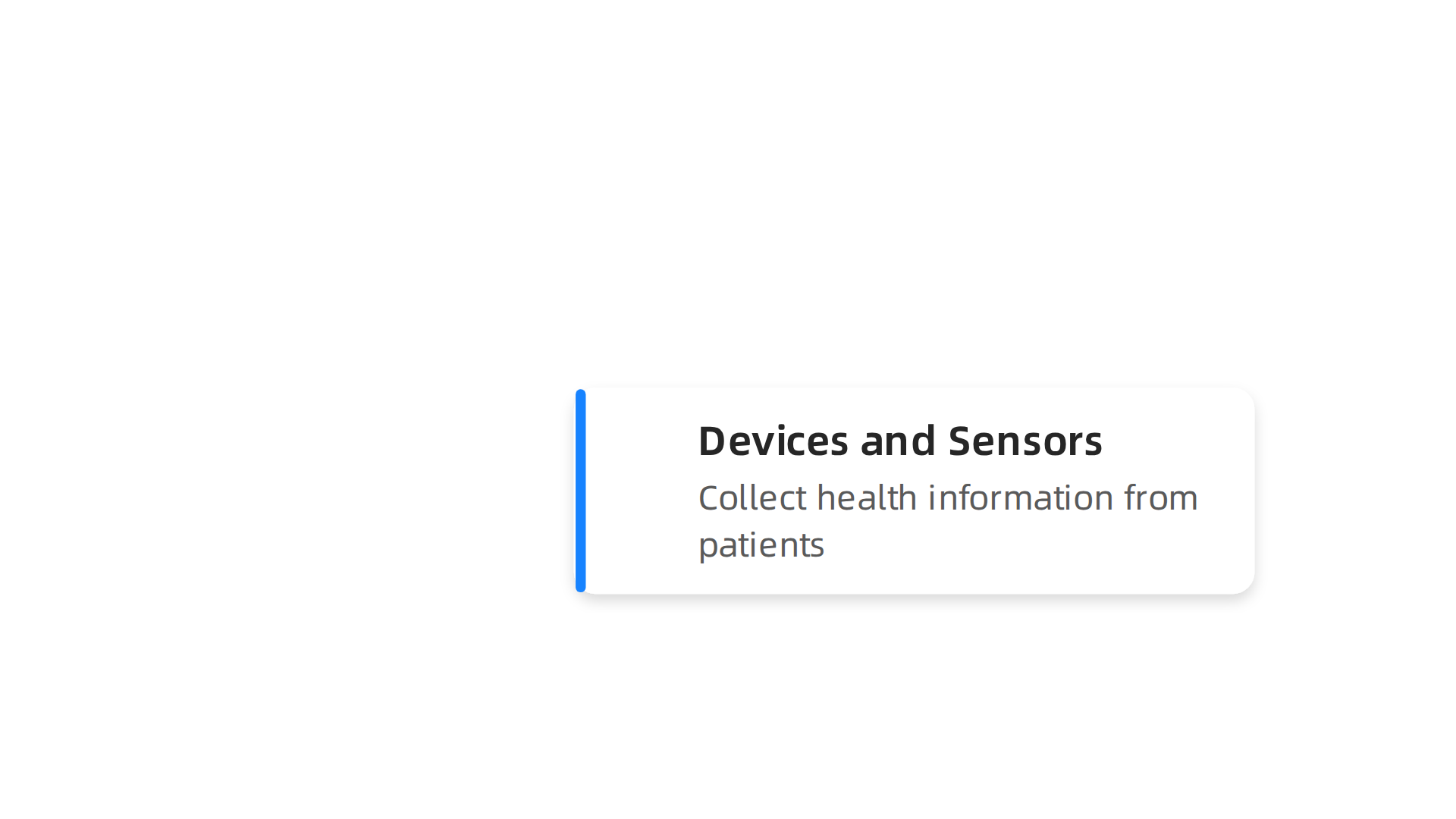
- Devices and Sensors: These are the tools that collect health information from patients. They can be simple things like smartwatches or patches that check heart rate, or more complex monitors for blood pressure, blood sugar, or even breathing. Companies often use these patient monitoring devices to keep an eye on people in virtual wards, helping ensure patients are safe at home, as seen in solutions like Virtual Wards & Remote Monitoring from Huma.
- Connectivity: After devices collect data, they need a way to send it. This often happens over Wi-Fi, cellular networks, or special secure connections. It’s like a digital highway for health information.
- Cloud Analytics: This is where all the collected data goes. It’s stored safely in the "cloud" (think of it as a huge, secure online storage space). Here, smart computer programs, often using artificial intelligence, look for patterns or changes in a patient’s health. For example, if someone’s blood pressure suddenly goes too high or too low, the system can spot it. Developing such remote patient monitoring systems needs a good architecture, as discussed in Towards a Unified Architecture for Remote Patient Monitoring.
- Clinician Workflows: This layer is all about how doctors, nurses, and other care team members see and act on the patient data. It includes easy-to-read dashboards that show health trends, and alert systems that pop up if something needs attention. These systems are key for helping staff manage many patients at once, especially in busy settings.
- Escalation Engines: What happens if a patient’s health gets worse? This part of the tech stack makes sure the right people are told immediately. It’s like an automated alarm system that directs alerts to the correct nurse or doctor, outlining the steps to take next. This ensures quick responses for 24 hour care.
Connecting Everything Together
For these 24 hour care systems to really work, they must connect with other important healthcare programs.
- Integration with EHRs: Electronic Health Records (EHRs) hold a patient’s entire medical history. The monitoring system needs to talk to the EHR so that all new health data automatically becomes part of the patient’s full record. This helps doctors make better decisions because they have all the information in one place. Good data sharing is super important, and new standards are always being set to make this easier, like the Approved Standards for 2026.
- Scheduling and Alerting Systems: These systems help manage appointments, remind patients to take medicine, and make sure that any urgent health alerts reach the right person at any time of day or night. This is especially true for health system-led programs, or those run by vendors like All American Home Care, First Stop Health, or Providence Express Care. They rely on these integrations to deliver seamless 24 hour care.
- Interoperability: This big word just means that different computer systems can talk to each other and understand the information being shared. In 2026, healthcare is moving towards better interoperability, with new guidelines like the 2026 Interoperability Standards Advisory Reference Edition helping systems work together smoothly. Without good interoperability, different parts of a patient’s care might not get the full picture, which could slow down help when it’s most needed.
Building a strong technology stack is vital for modern healthcare services, making sure that continuous monitoring and 24 hour care are effective and safe for everyone. To learn more about how technology is changing patient care, consider exploring the New Technology in Healthcare: The 2026 Strategic Playbook for Leaders.
While powerful technology sets the stage for continuous monitoring and 24 hour care, the most important part is how well it helps patients. What real results do we see? And how do we make sure care is always safe?
Clinical evidence: outcomes, safety, and patient experience in 24 hour care
When we look at actual patient results, continuous monitoring and virtual ward programs show some really good signs. One of the biggest wins is a drop in how many times patients have to go back to the hospital after they’ve been sent home. Studies have shown that these programs can lead to fewer deaths and hospital readmissions, especially for people with conditions like heart failure. Many times, patients in virtual wards have similar or even better outcomes than those in regular hospital care, and they often have better quality of life. They might also feel happier with their care overall.
This type of 24 hour care can help people take better care of themselves too. For example, some programs have improved how well patients stick to their medicine schedules and manage their own health, as seen in positive impacts of remote patient monitoring. We also look at what patients tell us about their health, which are called patient-reported outcomes. These help us understand their feelings and experiences directly.
But what about safety, especially when something urgent happens at night? Having good safety plans is key for 24 hour care. This includes clear rules for who gets an alert and what steps they need to take right away. These are called triage protocols. Many programs have 24/7 nursing teams ready to help, backed up by doctors, which has been successful even in busy times. For example, some virtual wards have provided round-the-clock nursing support to manage many patients safely.
When unexpected changes in a patient’s health happen, the system needs to tell the right person at places like All American Home Care, First Stop Health, or Providence Express Care. This makes sure patients get quick help when they need it most. However, sometimes there can be problems with how different parts of the care team talk to each other or how appointments are set up, which can affect a patient’s experience. That is why clear communication is so important. Ensuring that healthcare providers, patients, and caregivers are all on the same page helps make continuous care smooth and effective. To learn more about how clear communication can help keep patients safe, read about boosting patient safety and clinical accuracy.
Clear communication is super important for making sure patients get good care. But for continuous 24 hour care to truly work and grow, we also need to talk about money. How do hospitals and care providers like All American Home Care, First Stop Health, or Providence Express Care pay for these new ways of helping patients? And how do they make sure it’s a good investment?
Financing 24 hour care: reimbursement, cost-effectiveness, and ROI
Paying for 24 hour care services, especially those using technology like remote patient monitoring (RPM) and telehealth, has gotten clearer in 2026. The government and insurance companies are starting to see the value in keeping people healthy at home. For example, Medicare has expanded how they pay for RPM and telehealth services, making it easier to bill for these types of continuous care. They’ve even increased physician payment rates for 2026. This means that doctors and clinics can get paid for checking on patients through video calls or by looking at their health data from home devices, often at similar rates to in-person visits How 2026 E/M and Telehealth Rules are Changing.
There are different ways these programs get paid. Some use a "fee-for-service" model, where care providers get paid for each service they provide. Others use "bundled payments" or "value-based care," where they get paid based on the overall health results of their patients. Medicaid also has rules for telehealth payment, sometimes allowing extra money for administrative costs Reimbursement for Telehealth and Provider and Facility Guidelines. Knowing what Medicare covers in 2026 is key for health tech companies.
Now, let’s talk about if this 24 hour care really saves money. It’s called "cost-effectiveness" and "Return on Investment" (ROI). While setting up these systems can cost money at first, many studies show a good return. Remote patient monitoring programs, for example, have shown returns of 22.2% or even higher Remote Patient Monitoring ROI in 2026: Costs, Benefits & Is …. This happens because fewer patients need to go to the emergency room or be admitted to the hospital. Avoiding these costly visits saves a lot of money in the long run. Some reports show that hospital-at-home services significantly cut down on how long patients stay in the hospital and lead to big savings over time Real-world outcomes from 2905 episodes of hospital at home care.
Measuring ROI involves looking at a few things:
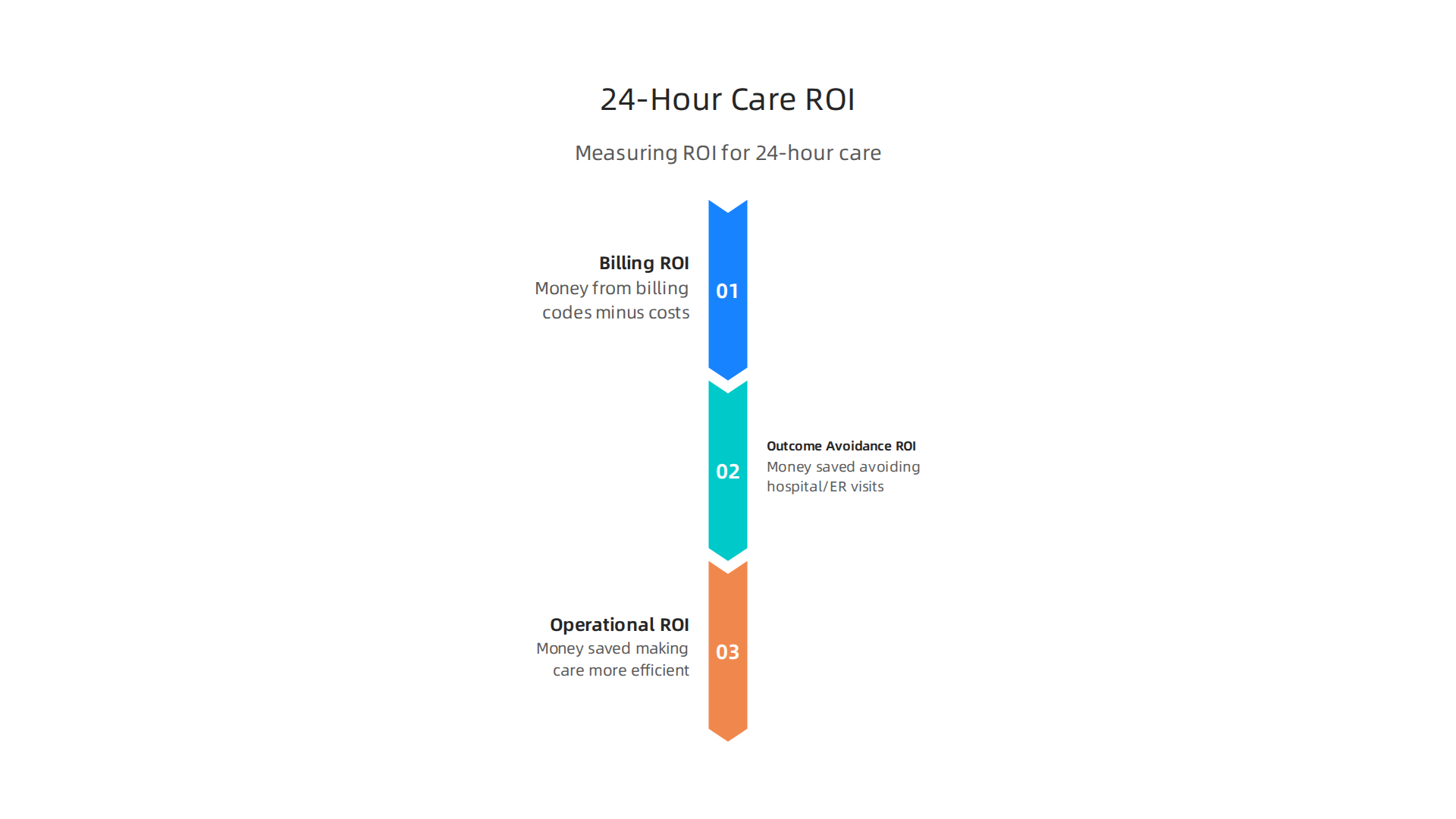
- Billing ROI: This is the money made from billing codes (like specific CPT codes for RPM) minus the cost of devices and software.
- Outcome Avoidance ROI: This is the money saved by not having hospital stays or ER visits.
- Operational ROI: This looks at how much money is saved by making care more efficient.
However, there can be financial risks. Sometimes, the starting costs for virtual wards can be more than standard care in the first year Download the report – Health Innovation Network South London. Hospitals and startups need to carefully plan their budget and think about how they will get paid to make sure these programs are successful and can keep helping patients with continuous 24 hour care. Understanding these financial aspects is crucial for anyone looking to unlock healthcare growth with digital health platforms in 2026.
Moving from how to pay for 24 hour care to actually making it happen involves smart planning for staff, clear ways of working, and helping everyone get used to new systems.

This is all about "operationalizing continuous access." It means figuring out who does what, when, and how, especially when care needs to be available around the clock.
Smart Staffing for Continuous Care
To offer 24 hour care, health organizations like All American Home Care or First Stop Health need different kinds of staffing models.
- Centralized Monitoring Centers: Imagine a main office where a team of nurses and doctors watches over many patients’ health data from home devices. They can call patients, answer questions, or alert local teams if someone needs help. This setup helps share staff efficiently.
- Distributed Clinician Pools: This model uses healthcare workers who are already in different places, like local clinics or home health agencies. They can respond to patients in their area when needed, often backed up by virtual support.
- Blended Teams: Most often, a mix of both works best. A central team handles routine checks and monitoring, while local teams provide hands-on care for urgent needs. For example, a virtual ward that offered 24/7 nursing cover was very successful in its first year, caring for many patients and reducing hospital stays significantly Successful implementation of round-the-clock care in a virtual ward during the COVID-19 pandemic – PubMed.
No matter the model, ensuring enough staff and equipment is vital for a smooth start and ongoing service. Challenges can arise from limited resources and making sure care is consistent across different areas.
Essential Workflows and Practical Steps
Making 24 hour care work well means having clear steps for everything. These "workflows" guide how staff respond to patients, share information, and handle different situations.
- Pilot Design: It’s smart to start small. Try out the 24 hour care program with a small group of patients and a dedicated team. This helps work out any kinks before rolling it out widely. Learning from case studies can also show how other health systems like Providence Express Care have made these changes. You can find more insights on how health systems improve performance with a unified operational playbook.
- Training: All staff need to know how the new technology works and what their role is. This includes learning how to use remote monitoring tools, telehealth platforms, and how to talk with patients virtually. Staff need to feel confident and trust the new systems to provide good care.
- Escalation Mapping: What happens if a patient’s condition suddenly gets worse? There needs to be a very clear plan for who to call, what steps to take, and how quickly to act. This "escalation" plan ensures patients get help fast. Understanding how transitions of care are managed can help improve patient handoffs.
- Key Performance Indicators (KPIs): These are ways to measure if the 24/7 services are working. Examples include how many patients avoid hospital visits, how quickly staff respond to alerts, and how happy patients are with their care.
Managing Change for Success
Bringing in new 24 hour care models is a big change for everyone. It’s called "change management." Getting staff to accept and use new ways of working is key.
- Staff Engagement: It’s important to involve staff from the very beginning. Listen to their ideas and concerns. When staff help design the new services, they are more likely to support them. Sharing success stories helps build excitement and buy-in for multi-disciplinary team collaboration pg. 1.
- Support from Leaders: Leaders must actively support the new programs and provide the resources needed. This includes not only money but also time for training and trying new things. Without strong leadership, it can be hard to make big changes stick.
- Clear Communication: Everyone needs to understand why the changes are happening and how they will improve patient care and staff work.
Implementing new technology in healthcare and changing how things work can be a challenge. But with careful planning for staff, clear steps, and good leadership, continuous 24 hour care can make a huge difference in patient lives. To stay informed about how technology continues to shape healthcare, you can sign up for The AI Newsletter Worth Reading for daily updates.
Bringing in new ways to offer 24 hour care is a big step, but new tools are making it even better. We’re seeing exciting things happen with smart computer programs, often called AI, and special ways to get early warnings about patient health. These changes help make continuous care available to more people than ever before.
Smart Tech for 24 Hour Care
Imagine a system that can look at many pieces of information about a patient and predict if they might get sicker. That’s what AI and predictive monitoring are starting to do for 24 hour care.
- AI for Early Warnings: AI helps doctors and nurses spot problems before they become big emergencies. It does this by checking a patient’s health data from home devices, like heart rate or blood sugar. If something looks off, the system can give an early warning, called a "predictive alert." This allows care teams to act quickly. For example, some systems like Huma’s virtual wards use remote monitoring to help patients stick to their care plans and get better results Virtual Wards & Remote Monitoring.
- Helping Doctors Make Choices: Special tools like "Clinical Decision Support (CDS) Hooks" can connect with a doctor’s computer system. When a doctor is looking at a patient’s chart, these tools can pop up with helpful information or suggestions, making sure the patient gets the best care based on the latest data CDS Hooks – eCQI Resource Center. Researchers are even working on how to create a single, clear way for all remote patient monitoring systems to work together, which would make these early warnings even more powerful Towards a Unified Architecture for Remote Patient Monitoring.
Making 24 Hour Care Grow Big
Many places start 24 hour care programs as small tests or "pilots." The real challenge is making these successful small projects grow to help everyone who needs them. This is called "scaling."
- Overcoming Challenges: When you grow a program, you need to make sure the technology works for many more patients and that all staff know how to use it. This means making sure the computer systems can handle a lot more information and keep it safe. Creating remote patient monitoring systems that can grow big often means using smart computer designs, like "microservices," which are small, independent parts that work together Developing remote patient monitoring infrastructure using. Also, building telehealth platforms needs strong planning to be secure and able to grow Telehealth Platform Architecture: Building Secure, Scalable Virtual.
- Common Rules for Data: For different health systems to share patient information easily, they need to follow common rules, or "standards." These standards help ensure that everyone understands the same health data in the same way. The NHS, for example, has released new standards for virtual wards to help health data work better for users Virtual Wards – NHS Standards Directory. In fact, there are many important updates on general standards that help data work together, especially in England Discover standards that help data work together for users in England. These kinds of agreed-upon standards are key for spreading new technology in healthcare.
- From Small Tests to Big Success: To move from a small pilot to a system-wide 24 hour care program, leaders need to choose technology platforms carefully. They also need to be ready to adapt and change things as the program grows. Learning about new technology in healthcare and adopting public health data standards are both important for this journey. By planning for growth from the start, health organizations can bring the benefits of continuous 24 hour care to a much wider group of patients.
Summary
This article explains how digital health tools are making true 24‑hour care practical in 2026, covering virtual wards, continuous remote monitoring, on‑demand teletriage and blended home‑clinic models. It walks through the legal and device rules providers must follow—like HIPAA and GDPR—as well as safety protocols for alerts and escalation. The piece breaks down the core technology layers (devices, connectivity, cloud analytics, clinician workflows and escalation engines) and why integration with EHRs and common data standards is essential. You’ll also read about real clinical evidence, patient experience, staffing and operational workflows needed to run continuous services, plus the changing reimbursement environment and how to measure ROI. Finally, the article looks at AI‑driven early warning tools and practical steps to pilot, scale and sustain 24‑hour digital care programs.