

The world of medical devices is moving incredibly fast in 2026. It’s a time of big changes in how we use technology to improve health. This year is especially important because biotech and medical device companies are bringing out so many new things at once. For leaders in healthcare, it’s vital to keep an eye on these changes to stay ahead.

The medical devices market is huge and keeps growing. Experts say that the global medical devices market was valued at about $719.61 billion in 2026 and is expected to grow even more by 2035 Medical Devices Market Size to Hit USD 1,209.42 Bn by 2035. Other reports show similar strong growth, with market sizes ranging from $603.23 billion to $735.12 billion in 2026, projected to reach over $1 trillion by 2035 Explore the Global Medical Device Technology Market, Medical Devices Market Size, Share and Forecast, 2026- …. This fast growth means exciting opportunities, but also challenges. Keeping up with new trends like the expanded use of artificial intelligence and connected medical devices is a must MedTech Trends Shaping 2026.
What’s really special about 2026 is how different groups are coming together. You see big corporate players, like companies making devices for respiratory care such as fisher and paykel healthcare, working alongside brand new healthtech startups. Even doctors and other medical staff are joining in more than ever. They are all working together to create innovative health solutions that truly help patients and also make good business sense. This means we are seeing more practical clinical tools and smarter ways to deliver care.
This cooperation is leading to breakthroughs in areas like diagnostics and patient monitoring. For example, wearable devices are becoming very popular and are expected to boost market growth Medical Devices Market Size, Share, Global Growth Report 2034. We are also seeing big steps forward in digital health and how different medical systems can work together better. It’s a really exciting time to be involved in health technology, and leaders need to be ready to adapt.
To stay current with these rapid changes, especially in areas like AI in healthcare, it helps to have reliable information.
Stay informed on the cutting-edge of health technology.
The AI Newsletter Worth Reading
Get clear daily AI updates from The Deep View Newsletter.
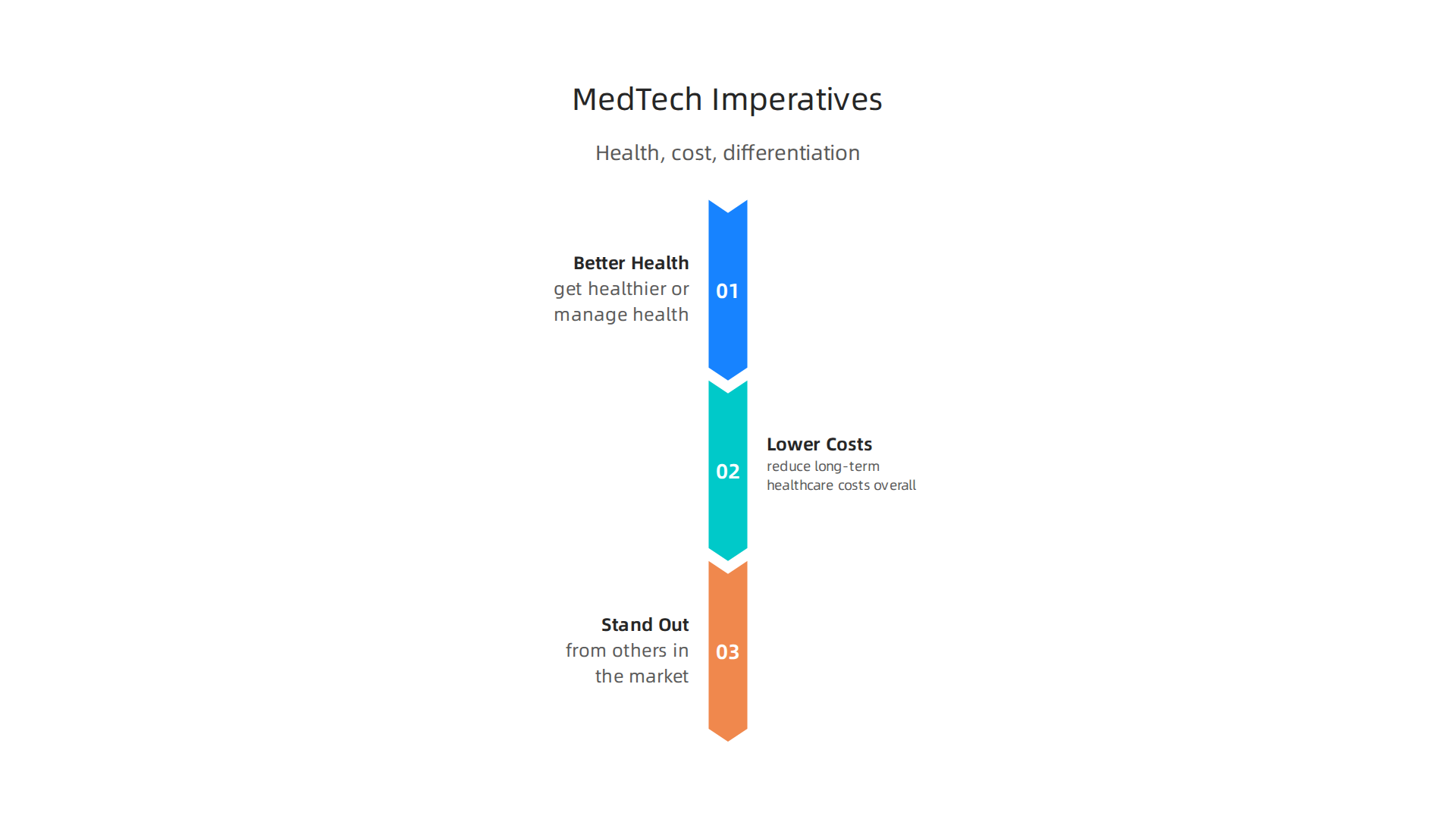
To truly get ahead, leaders must understand why all this innovation matters so much. It’s not just about fancy new gadgets. It’s about a strong business reason for creating these new tools and ideas. In 2026, companies need to focus on three big things: making patients healthier, lowering costs, and standing out from others in the market.
Better Health and Lower Costs
New biotech and medical devices are changing healthcare for the better. When new devices work well, they can lead to much better patient outcomes. This means people get healthier faster or manage their health problems more easily. For instance, innovative health solutions in respiratory care, like advanced humidification systems from companies such as fisher and paykel healthcare, can make a real difference for patients with breathing issues Humidification Overview | Fisher & Paykel Healthcare. These kinds of improvements are not just good for patients; they also help reduce long-term healthcare costs. Fewer hospital stays or simpler treatments mean less money spent overall. To understand how technology drives these changes, you can read more about unlocking healthcare growth with digital health platforms in 2026.
Meeting Clinical Needs and Payer Demands
What doctors and nurses need every day in patient care also drives innovation.

These clinical needs often lead to top medtech companies and healthtech startups creating solutions for real problems. For example, a doctor might see that patients struggle with a certain part of their treatment. This observation can spark an idea for a new device that makes that treatment easier or more effective.
At the same time, health systems and insurance companies, often called "payers," play a big part in deciding which innovations get widely used. They look at whether a new device truly improves health and if it’s worth the cost. If a device helps patients but is too expensive, it might not be used much. This pressure from payers means that new medical devices need to show clear value. They must prove they can lead to better care or save money to get approval for reimbursement Medical Devices Reimbursement Market Report, 2026-2033. This balancing act shapes which innovative health solutions actually reach patients and become successful in the market. This focus on outcomes also applies to specific areas like clinical care technology innovations driving better outcomes in palliative and dementia care.
2) Fisher & Paykel Healthcare: Company Snapshot and Innovation Strategy
Let’s take a closer look at Fisher & Paykel Healthcare. This company stands out as a top player in the medical device field.
They design, make, and sell products for three main areas: breathing support in hospitals, intensive care, and helping people who stop breathing in their sleep, known as obstructive sleep apnea (OSA) About Us. Think of them as a key provider of innovative health solutions that truly impact patient lives.
Their product line includes a wide range of devices and parts. For instance, they make many types of masks and humidifiers for use in homes and hospitals Products. These tools are critical for patients who need help breathing or keeping their airways moist, especially in acute care settings. You might recall their advanced humidification systems were mentioned earlier for making a real difference. In 2026, many of their products, like the Airvo 3 and the F&P 950™ system, are widely used in hospitals around the world. They also launched the F&P Nova™ Nasal mask in the United States this year for people with sleep apnea FPH reports strong revenue and profit growth for FY26.
What makes Fisher & Paykel Healthcare a leader among top medtech companies? A big part is their strong focus on always making things better. They spend a lot of money on research and development (R&D) to find new and improved solutions. For example, in the 2026 financial year, they put around 10% of their total sales back into R&D Fisher & Paykel Healthcare Corp Ltd (FSPKF) Full Year 2026 Earnings Call Highlights: Strong …. This long-term commitment to R&D helps them create both small improvements and big new inventions. They aim to make products that are not just new but also clearly help patients get better and make healthcare easier for doctors and nurses. This ongoing effort keeps them at the forefront of healthcare innovation. To keep up with all the new ideas happening in this fast-paced sector, it is good to have reliable information.
If you are a healthtech founder or investor, staying informed about the latest advancements and market shifts is crucial.
Ready for a deeper dive into the world of AI in healthcare?
The AI Newsletter Worth Reading
A big part of what makes Fisher & Paykel Healthcare a leader is how well their products perform for patients. Let’s look closely at some of the special features in their breathing care devices, like those used in hospitals and for sleep apnea.
What Makes Their Devices Special?
Fisher & Paykel Healthcare makes respiratory devices that are known for being very good at their job. For instance, their high-flow therapy products help people breathe easier by giving them warm, moist air. This special kind of therapy has been studied a lot, and many doctors use it because it works well Fisher & Paykel Healthcare (FPH) Investor Presentation Summary.
One key product is the F&P 950™ Heated Humidification System. This system helps keep patients’ airways moist, which is very important, especially when they are very sick in the hospital Fisher & Paykel Healthcare Releases New Humidification …. Proper humidification can make a big difference in how fast patients get better and how comfortable they feel. The company also offers innovative health solutions for sleep apnea, like their F&P Nova™ Nasal mask, which became available in Europe and the United States in 2026 Fisher & Paykel Healthcare 2026 Interim Report: Financial and …. These masks are designed to be comfortable and easy to use, helping people get a better night’s sleep.
Real-World Use and Costs
When hospitals or other healthcare places choose medical devices, they don’t just look at how well the device works. They also think about how easy it is for doctors and nurses to use, how much it costs to keep running, and how often parts need to be replaced. These things are called "real-world considerations."
For top medtech companies like Fisher & Paykel Healthcare, making products that are easy to maintain and have good customer support is very important. Hospitals need to consider not just the buying price, but also the full cost over the device’s life, including maintenance Methods for medical device and equipment procurement and …. This includes things like the cost of special tubes or masks (consumables) that get used up quickly and need to be bought again.
When healthcare facilities decide which medical equipment to buy, they look at many things. They balance technical features, how much it costs, how safe it is, and how well it helps patients. This often involves many people, like doctors and engineers, working together to make the best choices Purchasing high-cost medical devices and equipment in hospitals: a systematic review. Choosing the right vital care technology can boost patient outcomes and also help the healthcare provider’s finances.
When hospitals and clinics choose medical devices, they rely on more than just how good the product looks or how easy it is to use. They need strong scientific proof that the devices actually help patients get better. This proof comes from clinical evidence and studies. For top medtech companies like Fisher & Paykel Healthcare, showing this evidence is very important.
What the Studies Say
Clinical evidence means results from scientific studies that show how well a medical treatment or device works. These studies follow strict rules to make sure the findings are true and reliable. They help doctors understand if a device will truly make a difference for their patients.
Fisher & Paykel Healthcare’s products, especially their breathing care devices, have been part of many important studies. For example, research has looked at how heated and humidified air, like that provided by their devices, can help patients. One study aimed to see if four hours of using a humidified air device could improve mucus clearance in people with chronic bronchitis Study of Humidified Air to Improve Mucociliary Clearance (MCC) in …. Other studies have shown how humidified high-flow nasal cannula therapy can improve breathing and patient comfort Current evidence for the effectiveness of heated and humidified high …. This kind of clinical evidence helps hospitals feel confident when they adopt innovative health solutions.
Why Different Studies Matter
Not all studies are seen as equally strong. Doctors and healthcare buyers look for specific types of research that give the most trustworthy answers.
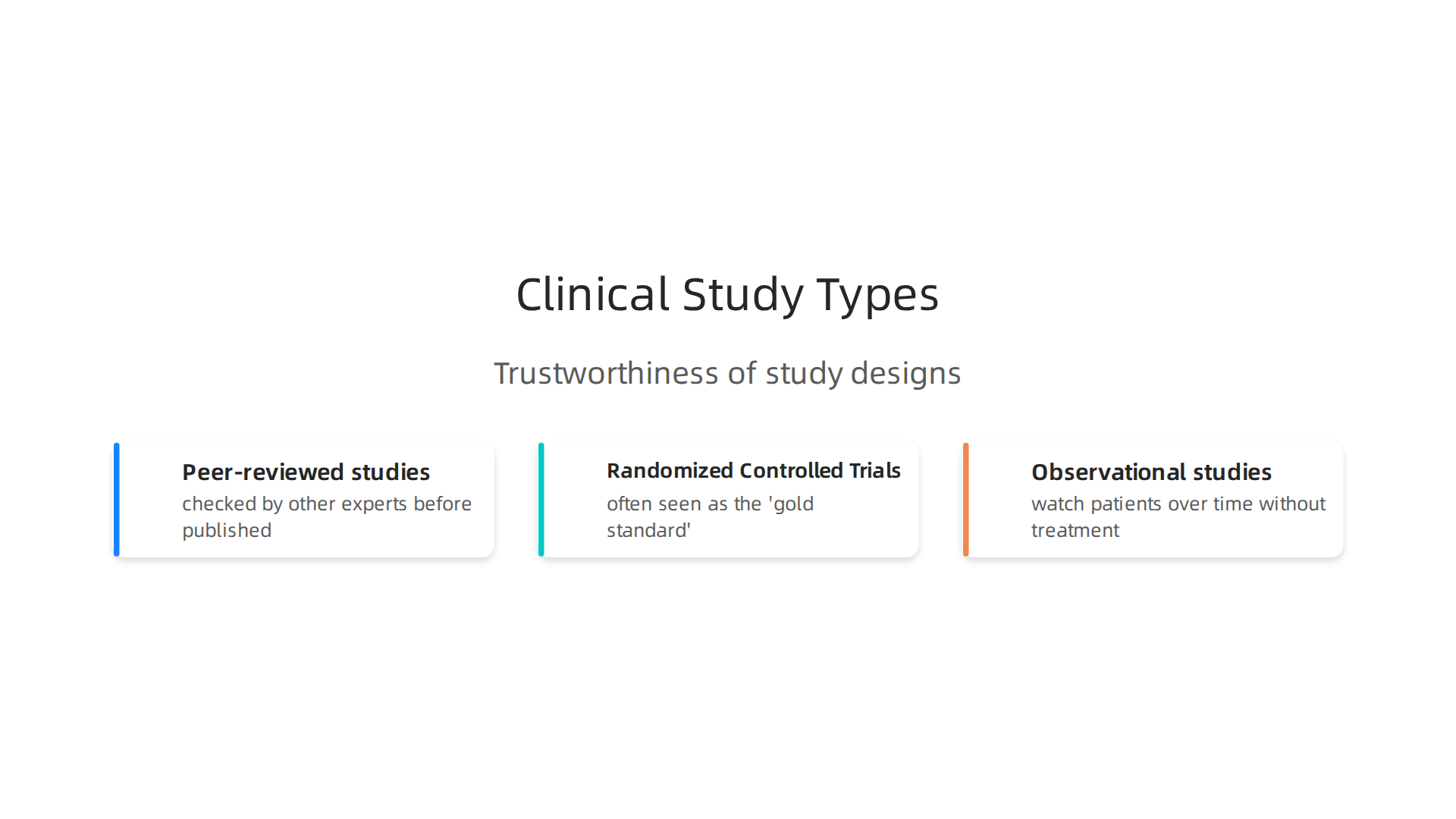
- Peer-reviewed studies: These are studies checked by other experts in the same field before they are published. This review process helps make sure the research is sound.
- Randomized Controlled Trials (RCTs): These are often seen as the "gold standard." In an RCT, patients are randomly put into different groups: one group gets the new treatment or device, and another group gets a standard treatment or a placebo. This helps compare the new treatment fairly.
- Observational studies: These studies watch patients over time without giving them a specific treatment. They can offer useful information about how devices work in real-world settings, but they don’t prove cause and effect as strongly as RCTs.
By having solid clinical evidence from various types of studies, companies like Fisher & Paykel Healthcare can show that their vital care technology not only has special features but also leads to better patient outcomes. When healthtech startups or larger companies present their products, this evidence helps healthcare systems make smart decisions. To learn more about how technology can boost patient care and return on investment, explore insights on vital care technology boosting outcomes and ROI in healthcare.
Keeping up with all the new studies and breakthroughs in health technology can be a lot.
Get clear daily AI updates from The AI Newsletter Worth Reading.
Keeping up with all the new studies and breakthroughs in health technology can be a lot. But even after showing a device works well, companies like Fisher & Paykel Healthcare face another big hurdle: getting official permission to sell their devices and making sure hospitals can get paid for using them.

This is where regulatory and reimbursement pathways come in.
Regulatory and Reimbursement Pathways That Affect Device Adoption
Before any medical device, no matter how helpful, can reach patients, it must pass strict checks by government bodies. In the United States, this is mainly done by the Food and Drug Administration (FDA). In Europe, it involves rules like the Medical Device Regulation (MDR). These rules make sure devices are safe and work as they should.
Getting a device approved involves many steps and can take a long time. For example, 2026 has brought important changes, like the move from old quality rules to new Quality Management System Regulation (QMSR) standards in the US, which affects how companies make and check their products. The European Union also keeps updating its rules to make sure devices meet high safety standards Medical Device Industry News and Regulatory Updates 2026. These regulatory milestones create a timeline that healthtech startups and top medtech companies must follow carefully. If a company does not meet these rules on time, its innovative health solutions cannot be sold.
Once a medical device is approved, the next big question is: who pays for it? This is where reimbursement comes in. Hospitals and clinics need to know that insurance companies or government programs will cover the cost of using a new device. If patients cannot get their device covered, even the best technology might not be used. Insurance companies, also known as payers, look at things like how much a device costs versus how much it helps patients. They want to see that it offers good value. Understanding how these payers make their decisions is key for any company hoping its products will be widely adopted. If you’re a health tech company navigating these financial waters, learning how to work with insurance can be very useful. Explore insights into how an insurance broker helps health tech companies navigate rising 2026 costs.
Staying informed about these regulatory shifts and payment policies is a big job for healthcare leaders. Keeping up with daily changes helps everyone in health tech.
Get clear daily AI updates from The AI Newsletter Worth Reading.
After medical devices get the green light for use and insurance companies agree to pay for them, the next big step is getting them into the hands of doctors and patients. This is all about how a company plans to sell its products and what makes investors happy.
Market Adoption, Commercial Strategy, and Investor Signals
Companies like Fisher & Paykel Healthcare need smart plans to bring their innovative health solutions to the market. There are a few main ways they do this:
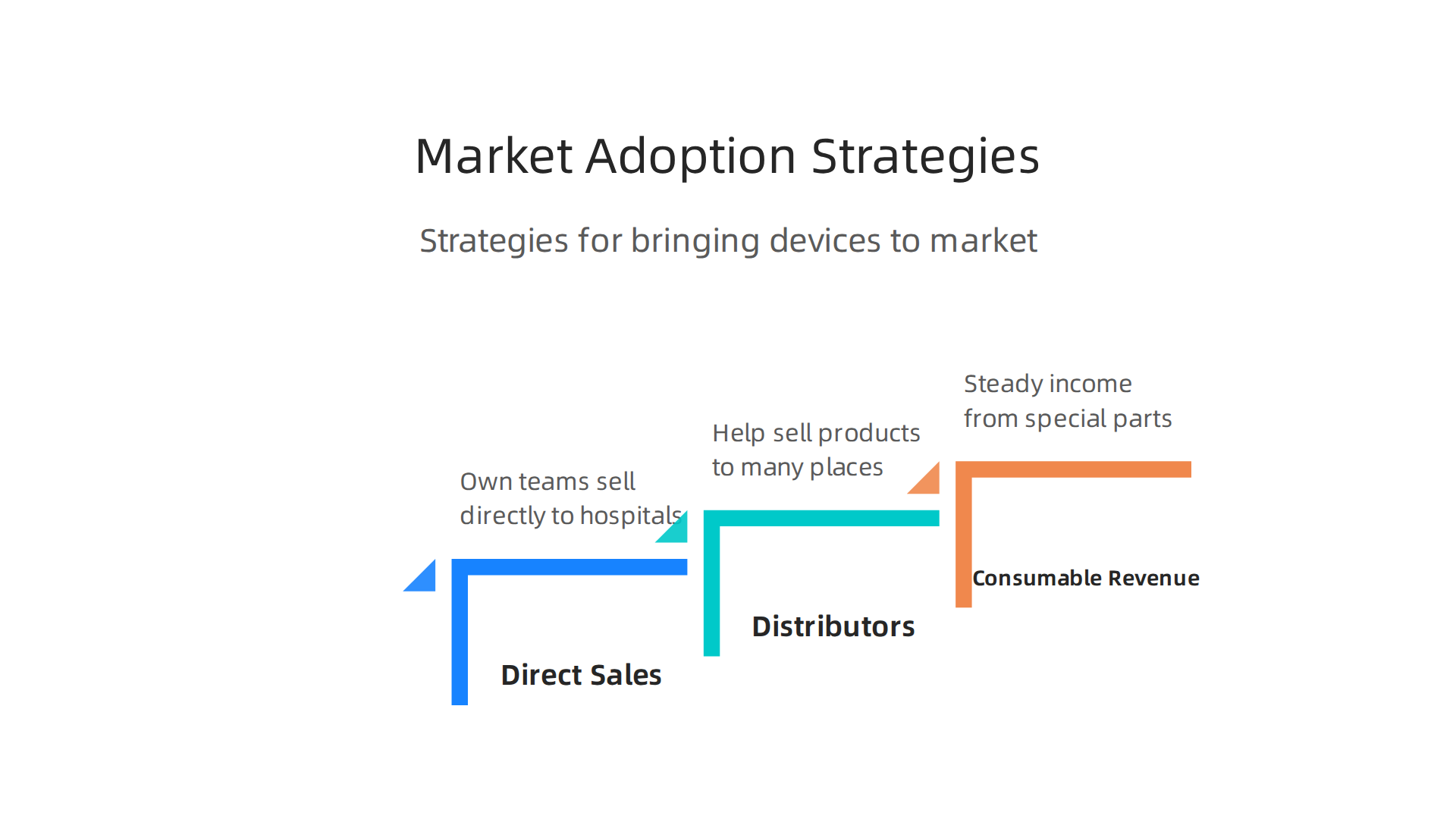
- Direct Sales: Some companies have their own teams who talk directly to hospitals and clinics. This lets them show off their products and keep a close eye on what customers need. It works well for specialized devices where a lot of training and support are needed.
- Distributors: Other times, companies partner with distributors. These are other businesses that help sell products to many different places. This can help a new medical device reach a wider area much faster.
- Consumable-Driven Revenue: A very smart way to make money over a long time is through "consumables." Imagine a special machine that uses unique, single-use parts, like a fancy coffee maker that only works with its own brand of pods. Hospitals buy the main machine once, but then they keep buying the special parts again and again. This gives the company a steady flow of income. This model is very appealing to investors because it means predictable earnings.
Investors keep a close eye on these business strategies. They want to see that healthtech startups and top medtech companies are growing and making good money.
- Key Performance Indicators (KPIs): These are important numbers that show how well a company is doing. Investors look at things like how many devices are sold, how many new customers there are, and how much money is coming in regularly (especially from those consumables). They want to see consistent growth.
- Exit Pathways: Investors also think about how they will get their money back and make a profit. This might happen if a bigger company buys the healthtech startup, or if the company decides to go public and sell its shares on the stock market.
- Timing: Knowing the right time to invest or sell is very important in the fast-moving medical devices market. The global medical devices market is indeed big, valued at around $719.61 billion in 2026, and it is expected to grow to about $1,209.42 billion by 2035 [Medical Devices Market Size to Hit USD 1,209.42 Bn by 2035]. This growth creates many chances for new companies. For more details on what matters to those backing health tech, consider reading up on Vitra Health Insights for Healthtech Leaders and Investors. Investors seek a clear path to growth and a good return on their money.
Once new medical devices are ready for patients, hospitals have a very important job. They must choose which new tools are best and bring them into daily use. This process is called implementation and procurement. It involves careful thought to make sure patients get the best care and that hospital operations run smoothly.
How Hospitals Pick and Use New Devices
Hospitals use a special checklist to decide if a new medical device is a good fit.
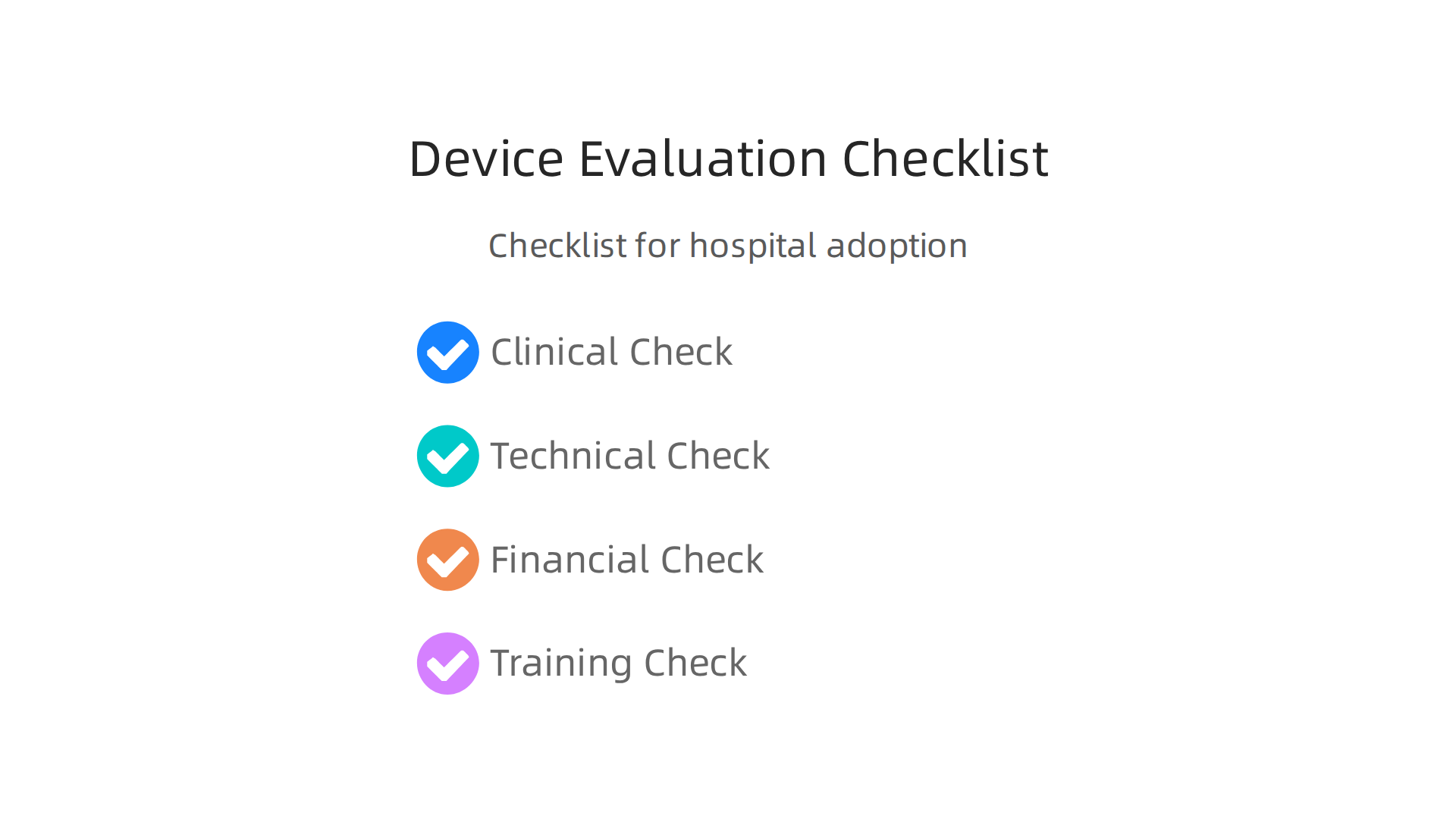

This helps them choose wisely from all the innovative health solutions coming from companies, including top medtech companies and healthtech startups like Fisher & Paykel Healthcare.
- Clinical Check: First, hospitals look at how well the device helps patients. Is it safe? Does it work better than older tools? Doctors and nurses give their ideas here. Research shows that balancing clinical needs with other factors is very important when choosing medical equipment Purchasing high-cost medical devices and equipment in hospitals: a systematic review.
- Technical Check: Next, they think about the device itself. Is it easy for staff to use? Is it reliable? Does it meet all the important quality rules?
- Financial Check: Hospitals also look at the money side. What does the device cost to buy? How much will it cost to keep it running, buy special parts, or fix it over time? Sometimes, a more expensive device can save money in the long run. The process of buying medical equipment involves checking its value for money Value-based procurement of medical equipment.
- Training Check: Can hospital staff learn how to use it quickly? Will the company offer good training? This is key to making sure everyone uses the device correctly and safely.
After picking a device, hospitals need to bring it into their system. This is called integration.
- Working Together (Interoperability): A new device should be able to "talk" to other hospital computers, like patient record systems. This helps keep all patient information in one place and makes care better. For larger hospitals, seamless digital communication is part of a larger plan for Digital Transformation in large health systems elevates care and boosts ROI.
- Keeping it Running (Maintenance): Like a car, medical devices need regular check-ups and sometimes repairs. Hospitals need to know who will do this work and how much it will cost.
- More Staff Training: Even after the device is bought, ongoing training is often needed. This makes sure all staff are up-to-date, especially as new features are added or rules change.
- Getting Parts (Supply Chain Resilience): Hospitals must be sure they can always get any special parts or consumables the device needs. They plan for what happens if there are shipping delays or if the company stops making a part. This ensures patient care is never interrupted. Thinking about how a hospital runs overall can help make these plans stronger. You can learn more about this by reading The Unified Operational Playbook Elevates Health System Performance for 2026.
Making smart choices about new medical devices helps hospitals provide the best care for patients. Staying current with all the new technologies can be a challenge.
Get clear daily AI updates from The AI Newsletter Worth Reading.
Summary
The article surveys the rapid changes shaping the medical devices landscape in 2026, explaining why this year matters for health system leaders, founders and investors. It reviews market size and growth projections, highlights trends such as AI, wearables and greater collaboration between legacy medtech firms and startups, and uses Fisher & Paykel Healthcare as a case study in respiratory innovation and R&D-led strategy. The piece explains how new devices must prove clinical value, meet evolving regulatory standards, and secure reimbursement to reach patients, and it outlines commercial models—direct sales, distributors and consumable-driven revenue—that influence investor interest. It also details how hospitals evaluate and implement devices, covering total cost, interoperability, maintenance and staff training. Readers will come away able to assess device value, understand adoption barriers, and plan for regulatory, commercial and operational steps needed to bring innovations into care.