


For colleges and universities, making sure students have good health coverage is a really big deal. It’s not just about offering a basic plan; it’s a key part of how schools run and how they keep students healthy and happy. In 2026, campus leaders and people who buy health technology need to look closely at student health insurance.

They need to see it as a smart way to manage money and care for everyone.
Aetna Student Health plans are important because they help schools meet these needs. These plans make sure students can get the medical care they need, whether it’s for a sudden illness or ongoing health issues. Schools must pick plans that are easy for students to use and that meet all the rules. For example, students usually have to either enroll in the school’s plan or show they have another plan that offers similar coverage by a certain date each semester. This often includes specific deadlines for both enrolling and waiving coverage, which can vary by school Enroll Waive | Aetna Student Health.
Leaders need to think about how Aetna Student Health fits into their overall health strategy. This means looking at different plan types, like how they differ from older plans or even things like Aetna Medicare plans for 2026, which are for different groups of people. It also means thinking about the digital tools that come with the plans. These tools help students manage their health and help schools keep track of everything. Effective plans also look at how PBM healthcare helps manage costs for prescription drugs.
This article will help you understand Aetna Student Health better. We will look at the different types of plans they offer, the digital tools they use for managing health, and important rules schools must follow. We will also talk about how to choose the right plan to get the best value for your school. If you want to stay up-to-date on how technology is changing healthcare, get daily insights.
The AI Newsletter Worth Reading
Overview: Aetna Student Health Plans — Types, Eligibility, and Enrollment Mechanics
Beyond staying up-to-date on healthcare technology, it is also important for schools to understand the specific choices for student health coverage. Aetna Student Health provides a variety of plans designed to meet the different needs of college and university students. These plans typically fall into a few main types.
First, there are comprehensive student health plans. These are full insurance plans that cover a wide range of medical services. This includes visits to the doctor, hospital stays, mental health support, and often prescription drugs. These plans are designed to give students broad coverage for both sudden illnesses and ongoing health issues.
Next, some schools might offer or allow for supplemental plans. These are extra plans that can fill in gaps if a student’s main insurance has certain limits. This might be for specific services or conditions that aren’t fully covered by their primary plan.
Finally, Aetna Student Health also offers plans specifically for international students. Students from other countries, especially those on F1 or J1 visas, have unique needs and strict visa requirements for health insurance. These plans ensure they meet those rules and have access to necessary care while studying abroad Enroll Waive | Aetna Student Health.
Who Can Get Coverage and How It Works
Eligibility for these plans usually depends on a student’s enrollment status. Most schools require full-time students to have health insurance. Some also include part-time students, graduate students, or those in specific programs like medical or pharmacy schools. Dependents of students, such as a spouse or children, can often be added to these plans as well Enroll Waive – Aetna Student Health.
A key part of Aetna Student Health plans is how enrollment works. Many universities use a system where students are automatically enrolled in the school’s health plan. This is often called "mandatory enrollment" or a "hard waiver" system. This means students will be signed up for the plan and charged for it unless they actively choose to "waive" the coverage.
To waive coverage, students must show proof that they already have another health insurance plan that meets the school’s specific requirements. This comparable coverage usually needs to be from a parent’s, spouse’s, or employer’s plan. Basic travel insurance or emergency-only plans often do not qualify. Students usually need their school ID number to complete the waiver process

Enroll Waive – Aetna Student Health.
It’s very important to pay attention to deadlines. Schools set clear dates each semester for both enrolling in the plan and submitting a waiver. For example, waiver forms might need to be completed online by early fall for the academic year The New School Student Health Insurance Plan. Missing these deadlines means students might be automatically enrolled and billed for the school’s aetna student health plan, even if they have other coverage. Schools often provide detailed plan documents with information on services covered, costs, and key dates Enroll/Waive Information.
Universities work directly with Aetna Student Health to set up these plans. This "university contracting model" means that each school’s plan is tailored to its unique student body and state regulations. Leaders in higher education need to carefully look at these different options and pick the best one. Knowing how to choose the right plan means understanding various health benefits models. If you want to dive deeper into how different types of coverage work, you can Understand Every Health Benefits Model For 2026. This helps schools ensure they offer the best value and care for their students.
Modern colleges and universities know that giving students easy ways to handle their health insurance is just as important as the plans themselves. This is where digital tools like online portals and advanced computer systems come in handy for Aetna Student Health plans. These tools make sure students can manage their coverage easily in 2026.
Digital Touchpoints for Students
Students today expect to do things online, and managing health insurance is no different. Aetna Student Health provides many ways for students to take care of their health plan needs digitally:
- Enrollment and Waiver Portals: These online places are where students first sign up for a plan or show proof of other insurance to waive the school’s plan. They usually need their school ID number to get started. These portals help make sure everyone has coverage, or has a way to opt out, before deadlines. You can usually find information about these steps on the main Aetna Student Health website.
- Digital ID Cards: Gone are the days of always needing a physical card. Students can often get a digital ID card on their phone. This makes it easy to show proof of insurance at the doctor’s office or pharmacy.
- Finding Doctors and Services: Online tools help students find doctors, clinics, and specialists who are part of their plan’s network. This is really helpful for new students who might be far from home. These digital tools also often share details on prescription benefits, which can be part of how
pbm healthcaresystems manage drug costs. - Billing and Payments: Students and their families can usually view bills, check payment status, and make payments online through secure portals.
How Technology Powers Student Health Plans
Behind the scenes, the digital experience for Aetna Student Health depends on smart technology. Schools and Aetna work together to make sure everything runs smoothly:
- APIs and Campus System Integration: Advanced computer programs, called APIs, help
Aetna Student Healthsystems talk to the school’s own computer systems. This includes student information systems (SIS) and learning management systems (LMS). This link helps with things like checking who is eligible for a plan or sharing updates about enrollment. It’s a key part of how universities handle their technology integration for health plans. - Single Sign-On (SSO): Many schools use SSO, which means students can use one username and password to access many different school services, including their health insurance portal. This makes it much easier and faster for them.
- Mobile Experience: Apps and mobile-friendly websites are super important. They let students manage their health on the go, whether they are checking benefits or finding urgent care.
- Self-Service for Administrators: School staff also benefit from digital tools. They can use these tools to help students, manage plan details, and get reports, all from one place.
Many Aetna Student Health plans also include extra digital benefits. For example, members can get help with telehealth services, which let them talk to a doctor by phone or video any time of day Telehealth – Aetna Student Health. This is very handy for students who are busy or live far from campus health services. They can also often find information on prescription drugs and other common benefits.
Keeping student health data safe is super important. Both Aetna and the universities follow strict rules like HIPAA and FERPA to protect students’ private health and education records Health Information Privacy – HHS.gov. This ensures that sensitive information is handled with care.
Want to know more about how AI is changing the health tech world? Stay informed with our daily insights.
The AI Newsletter Worth Reading
Get clear daily AI updates from The AI Newsletter Worth Reading.
Continuing from the ease of digital tools, Aetna Student Health goes further by making sure students have access to important clinical care. This includes services like telehealth, mental health support, and good care coordination. These features are very important for student well-being in 2026.
Clinical & Digital Care Features: Telehealth, Mental Health, and Care Coordination
A big part of modern student health plans is offering care that fits into busy student lives.
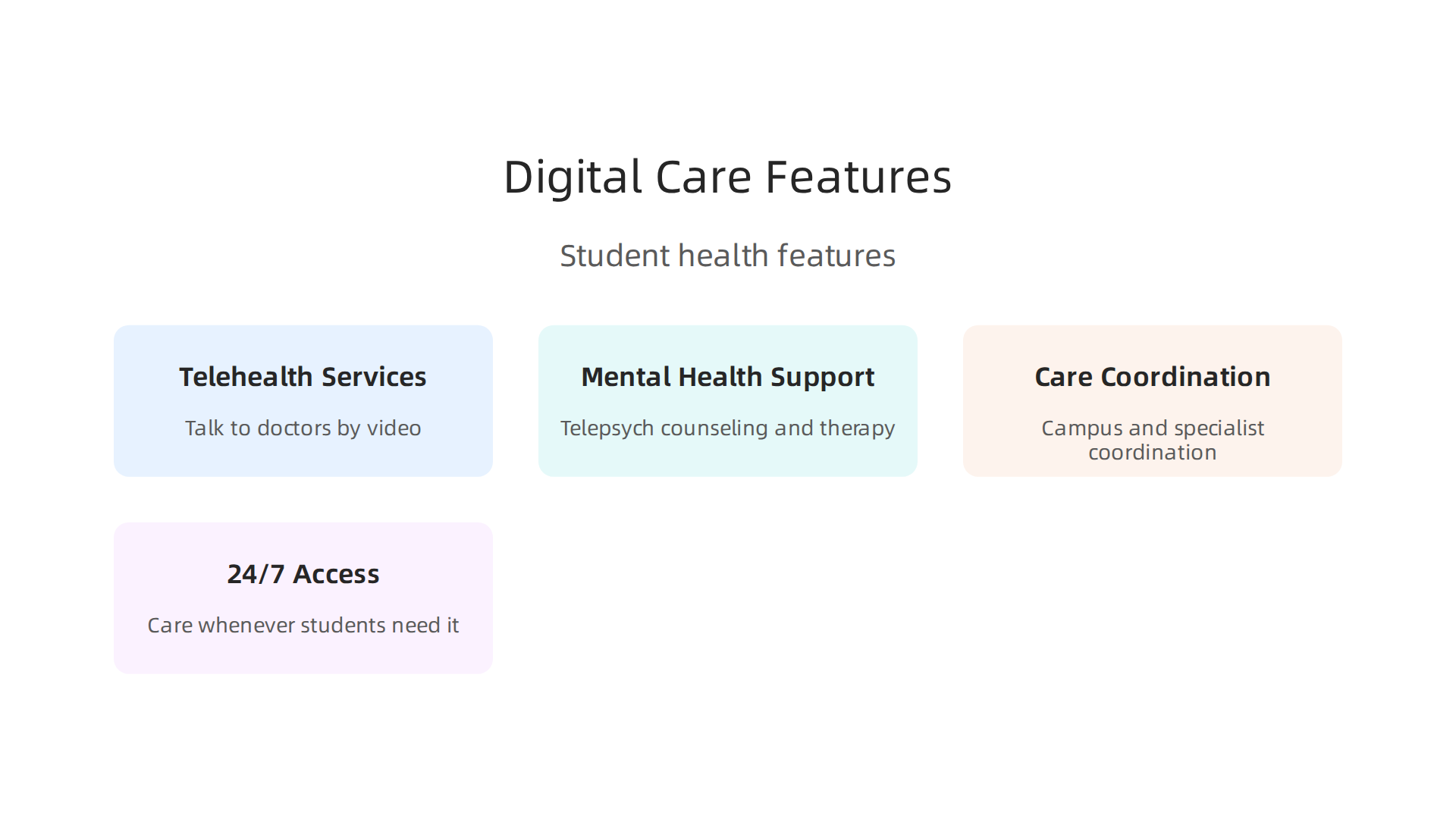
Aetna Student Health plans often include telehealth services. This means students can talk to doctors or nurses by phone or video whenever they need, day or night.

This 24/7 access is a huge help for students who might be far from home or have packed schedules. Telehealth can handle many common health issues and means students don’t have to miss classes for a doctor’s visit Extra benefits for members | Aetna Student Health.
Digital tools also make it easier for schools to offer care. For example, some universities, like Rice University, highlight that Aetna members will keep having access to telehealth through providers like Teladoc for the 2026-27 school year 2026-27 Health Insurance for Masters Students. This shows how vital these services are. School-based telehealth programs have been shown to make students and their families happy, offer good health outcomes, and can even cut down on absences from school School-Based Telehealth Interventions.
Mental Health Support Through Digital Means
Mental health is a big topic for college students. Aetna Student Health plans know this and work to make mental health support easy to get. Many plans include telepsych services, which means students can talk to a counselor or therapist using video calls. This is a private and flexible way to get help. Digital options are very helpful in making mental healthcare easier to reach for college students, helping to close gaps in care The Potential Role of Telehealth in Addressing of Mental Healthcare Disparities Among College Students. These services are key as technology continues to reshape medicine and patient care Healthcare Technology Trends 2026.
Seamless Care Coordination
Another important feature is how Aetna Student Health works with campus health centers. Good care coordination means that if a student sees a doctor at the campus clinic, and then needs to see a specialist covered by their Aetna plan, the information can be shared smoothly. This prevents students from having to explain their whole health history over and over. Digital tools, like e-consults, help doctors on campus talk with specialists off campus quickly.
This teamwork ensures that students get the right care at the right time. For this to work well, everyone involved needs clear steps and roles. Health organizations are always working to make workflows better for telehealth visits, which improves patient care Telehealth Integration and Optimization: Improve Patient Care. This kind of thoughtful planning makes sure that the digital care students get through Aetna Student Health is helpful and easy to use, supporting their full health journey while at college.
While digital care makes health easier for students, there’s another very important side to it: making sure all information is private and safe. This means following strict rules. For schools working with health plans like Aetna Student Health to offer digital tools, understanding these rules is key.
Compliance, Privacy, and Regulatory Considerations (HIPAA, State Rules, International Students)
When campus health centers team up with health insurance companies, they must deal with a set of rules meant to protect student health information. The two main sets of rules in the United States are HIPAA and FERPA.
Understanding HIPAA and FERPA
HIPAA stands for the Health Insurance Portability and Accountability Act. It’s a federal law that protects your health information. This means that doctors, hospitals, and health plans must keep your medical records private Health Information Privacy – HHS.gov. They also have rules for how electronic health information must be kept safe, known as the Security Rule.
FERPA stands for the Family Educational Rights and Privacy Act. This law protects the privacy of student education records. This includes things like grades, school schedules, and also health records that are kept by the school as part of a student’s education record.
Here’s the thing: HIPAA and FERPA usually don’t both apply to the very same record at the same time. If a student’s health record is kept by the school itself and is part of their education record, then FERPA is usually the law that applies. However, if that health information is held by an outside health plan, like Aetna Student Health, then HIPAA rules come into play. It can get a bit tricky, so special guidelines exist to help schools and health providers understand how these laws work together Joint Guidance on the Application of FERPA and HIPAA to Student Health Records. This ensures that no matter where the health record is kept, it is protected.
For health systems and plans, it’s vital to have a clear guide on how to integrate new technologies while staying compliant. To learn more about how health plans handle these important steps, you can explore resources on the 2026 playbook for technology integration for health plans.
State Rules and International Students
Beyond these federal laws, each state can also have its own privacy rules. These state rules might add extra protections or have different requirements for health information. So, health plans and schools must know both federal and state laws.
For international students, privacy and data rules can get even more complex. When a student from another country uses digital health tools through their Aetna Student Health plan, their health information might cross borders. Different countries have different laws about how personal data is collected, stored, and shared. Schools and health insurers need to be very careful to make sure they follow all relevant laws, protecting the student’s privacy wherever they are from.
Making sure Aetna Student Health plans and digital tools meet all these compliance and privacy rules is a big job. It needs careful planning and clear steps to keep student information safe, no matter where the student is or where their information goes.
To stay on top of the latest technology and regulatory changes that impact health care, make sure you get regular updates.
The AI Newsletter Worth Reading
Ensuring Aetna Student Health plans meet privacy rules is just one piece of the puzzle. Schools also need to think about how they buy these plans, what they cost, and if they are truly helping students. This means looking at the money side of things very closely.
Procurement, Cost Structure, and Measuring Value for Campus Stakeholders
When a university decides to offer a health plan like Aetna Student Health, they usually work through certain business models. These models help them provide good care while managing costs.
How Student Health Plans Are Set Up and Paid For
Typically, there are a few ways schools manage student health plans:
- University-Sponsored Group Plans: Many universities buy a single, large health plan that covers all their students. This is often done through a bidding process, where insurance companies like
Aetna Student Healthoffer their best terms. Universities look for the right mix of services, overall cost, and experience when choosing a provider RFP Student Health Insurance Special Event Accident Insurance and Athletic Accident. - Per-Student Fees: Sometimes, the cost of the student health plan is added to student tuition or fees. This means each student pays a certain amount for their coverage. We’re seeing student health plan costs going up across the country in 2026 Student Health Plan Benchmarking Survey. For instance, rates for international student insurance have risen, with some annual costs now exceeding $350 International Student Health Insurance 50012-653-26.
- Claims Handling: This is about how the insurance company processes medical bills when a student uses their plan. The faster and smoother this process, the better it is for students and the school.
- Administrative Costs: These are the fees the school pays to the insurance company or a third party to manage the plan, handle paperwork, and provide customer service. It is important to compare these costs to make sure the school is getting a fair deal. Knowing how to deal with these expenses can be tricky, but understanding how an insurance broker helps can make a big difference. To learn more about different ways health plans are set up, check out resources on how to understand every health benefits model for 2026.
Showing the Value of Health Plans to the Campus
For universities, it’s not enough to just pick a plan and pay for it. They need to show that the health plan, whether it’s Aetna Student Health or another provider, is worth the money spent. This is called measuring "Return on Investment" or ROI. Here’s how they can do it:
- Utilization: How many students actually use the health services? If many students are using the plan for doctor visits, mental health support, or wellness programs, it shows the plan is needed and valued. Studies show that school-based telehealth services, for example, have high patient satisfaction and good health outcomes School-Based Telehealth Interventions.
- Access Improvements: Does the plan make it easier for students to get care? For example, if digital health tools allow students to see a doctor quickly from their dorm room, that’s a big improvement in access. This can lead to less time away from class and happier students.
- Administrative Efficiency: Is the plan easy for the school to manage? If there’s less paperwork and fewer problems for staff to sort out, that means the school is saving time and resources.
- Student Satisfaction: Are students happy with their health plan and the care they receive? Surveys and feedback can tell the school if students feel supported and if the plan meets their needs. When students are happy with their health care, they can focus more on their studies. Showing the value of a plan can even help secure more funding for these programs in the future.
To truly make a health plan like Aetna Student Health work well for a school, it’s not just about how much it costs or who uses it. It’s also about setting it up the right way and making sure everyone on campus knows how to use it. This means thinking about how all the parts fit together, handling changes smoothly, and learning from what other schools have done.
Implementation Best Practices: Integration, Change Management, and Case Study Signals
Putting a new health plan or updating an old one is a big job. It needs careful steps to make sure students get the help they need without problems. Here’s a simple guide for the people in charge of technology and health services at schools.
A Checklist for Setting Up Student Health Plans
When you’re bringing a new health plan online, whether it’s Aetna Student Health or another provider, you need a plan. Think of this as a step-by-step list to make things easy:
- Mapping Data Carefully: This means making sure student information can move safely and correctly from the school’s records to the health plan’s system. It is important to know which data goes where.
- Single Sign-On (SSO): Imagine students only needing one username and password to get into everything, including their health plan details. SSO makes it simple for students to use digital health tools without extra hassle. This kind of easy access is a key part of unlocking healthcare growth with digital health platforms in 2026.
- Testing Everything: Before a new system goes live, it needs to be tested a lot. This helps find and fix any problems so that when students try to use it, it just works. Thinking about how to integrate technology for improved patient care is crucial.
- Talking to Students: Schools need to clearly tell students what the new plan offers, how to sign up, and how to use it. Good communication can help students understand important things, like if insurance covers a breast pump or if their specific needs like medicare advantage health plans are different.
- Vendor Promises (SLAs): These are like a written promise from the insurance company (the vendor) about how well they will perform their services. It covers things like how quickly they respond, how accurately they process claims, and the quality of their customer service. This ensures the school and students get what they expect.
What Success Looks Like and How to Get There
How do you know if your health plan setup is a success? It’s about seeing students getting care easily, staff having less work, and the overall campus being healthier.
- Start Small with Pilot Programs: Instead of rolling out a new plan to everyone at once, some schools try it with a smaller group first. This "pilot program" helps them learn what works and what doesn’t. For example, a school might try a pilot for school-based telehealth services to see how students and staff like it. These programs can also help assess if specific treatments, like those for which does insurance cover Ozempic, are being accessed.
- Roll Out in Steps: After a successful pilot, schools can slowly bring the plan to more and more students. This "phased rollout" helps manage changes and fix problems as they come up, instead of all at once. Creating a strong strategy for telehealth programs is a key step, as highlighted in guides like Developing a school-based telehealth strategy.
- Listen to Feedback: Regularly asking students and staff what they think helps make the plan better over time. Studies show that school-based health programs can lead to high patient satisfaction and good health outcomes School-Based Telehealth Interventions.
- Look at Case Studies: Learning from other schools that have successfully set up their health plans can provide valuable ideas. For example, some districts have seen improved attendance and reduced chronic absenteeism by integrating school-based telemedicine programs, as seen in a case study on school-based telemedicine success. These examples show how well-planned efforts in health tech can transform student support systems.
By following these best practices, schools can make sure their health plans, including those from Aetna Student Health, truly serve their students’ needs. It also helps manage the complex parts of pbm healthcare and ensures technology is used in the best way. For more insights on how technology is changing healthcare, get clear daily AI updates from The AI Newsletter Worth Reading.
Summary
This article explains how colleges and universities should evaluate and operate Aetna Student Health plans in 2026, covering plan types, eligibility rules, enrollment and waiver mechanics, and the digital tools that make coverage accessible. It describes comprehensive, supplemental, and international student plans, how mandatory enrollment and waiver deadlines work, and why clear communication and system integration matter. The piece also digs into digital features—enrollment portals, mobile ID cards, telehealth, APIs, and SSO—and the compliance landscape where HIPAA and FERPA can both apply depending on where records are stored. Procurement, cost models, and ways to measure ROI (utilization, access, admin efficiency, and student satisfaction) are outlined to help campus leaders make value-driven decisions. Finally, it offers practical implementation steps and best practices—data mapping, testing, SLAs, pilot rollouts, and feedback loops—to reduce risk and improve student care outcomes.