


Why relationship-based care matters now
In 2026, healthcare can sometimes feel like a very fast moving machine. It’s easy to forget that at the heart of all medical advancements are real people. That’s why "relationship based care" is becoming more important than ever. It’s a way of thinking about care that puts strong, trusting connections between patients, their families, and the people who care for them first.
Think about it this way: when you or a loved one needs help, you want more than just a quick fix. You want someone who knows your story, understands your needs, and helps make a good plan of care just for you. This is what relationship based care aims to do. It focuses on making sure every person feels truly seen and heard. This kind of approach, sometimes called family centered medicine, has been shown to improve how happy patients are and can even lead to better health results,
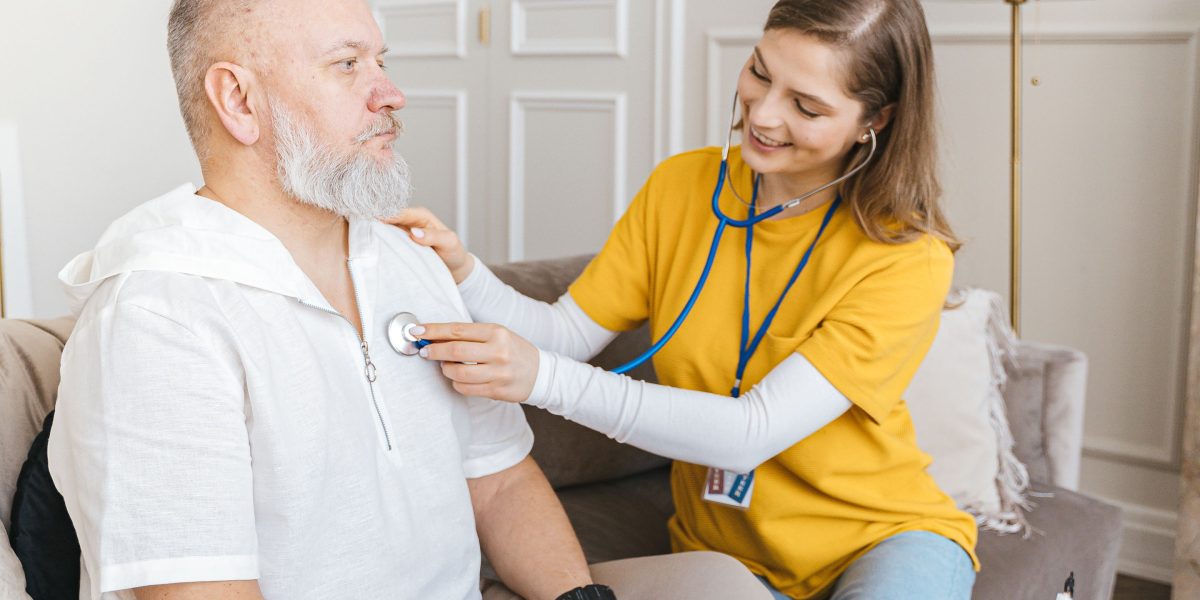
according to some studies evaluation of the impact on patient satisfaction, length.
For healthcare leaders and teams that create new health products, this brings up new challenges. How do you keep personal connections strong when there are so many patients and busy schedules? How do you use new technology without losing that human touch? These are important questions. We need to find ways to help caregivers spend more quality time with patients, rather than less. New digital tools play a big role in helping coordinate care better, especially in areas like unifying home-based care coordination for health systems.
Throughout this article, we will share simple ideas and proven methods for bringing relationship based care to life. We’ll look at how healthcare organizations can make changes that truly put people first, ensuring better care for everyone. Staying on top of trends in health tech, including AI, can help leaders make informed decisions.
To get clear daily AI updates and understand how technology is shaping healthcare, consider subscribing to The AI Newsletter Worth Reading.
The business case: why relationship-based care matters to executives
For leaders in healthcare, focusing on relationship based care isn’t just about being kind. It’s a smart business choice that helps meet important goals like quality, cost, and how patients feel about their care.

In 2026, healthcare systems need to run well to serve many people, and good relationships are a core part of that success.
Let’s break down how this approach helps a healthcare organization achieve its goals:
Better Quality and Happier Patients
When patients, their families, and care teams have strong connections, it leads to better care. Staff can understand a patient’s needs more deeply, making sure their individual plan of care is just right. This kind of care often means:
- Higher Patient Satisfaction: Patients feel heard and valued. When they trust their caregivers, they are more likely to follow advice and feel happier with their experience. Studies show that a focus on building relationships can improve patient satisfaction a lot, along with safety and staff happiness Relationship-Based Care – Nursing.
- Improved Health Outcomes: Good relationships lead to better communication and teamwork. This can result in fewer mistakes and more effective treatments. When patients report better care coordination, they often get better clinical care too Patient-Reported Care Coordination is Associated with Better … – PMC.
Saving Money and Improving Efficiency
It might seem simple, but relationship based care can also help save money for healthcare systems. Here’s how:
- Fewer Readmissions: Patients who feel connected and understood are more likely to take care of themselves after leaving the hospital. This can lower the number of patients who need to come back soon after being discharged, which saves money.
- Better Use of Resources: When everyone on the care team works together smoothly, things run more efficiently. This includes making the best use of equipment, staff time, and other resources. Relational coordination can predict better quality and efficiency in care Coordinating Care: A Relational Systems Approach. For executives, this means a healthier bottom line and stronger overall health system performance. You can learn more about this in The unified operational playbook elevates health system performance for 2026.
Risks of Ignoring Relationships During Tech Changes
As healthcare moves forward with new digital tools and technologies, it’s easy to forget the human side. However, not paying attention to relationships can cause problems.
- Digital Transformation Challenges: When new technology is brought in, it should help people connect, not replace those connections. If a new system makes it harder for patients and caregivers to talk to each other, it can make patients unhappy and even lead to worse care.
- Poor Procurement Choices: When buying new health tech products, executives need to make sure these tools support relationship based care. Choosing tools that get in the way of personal connections can create big problems later on. Integrating technology well is a key part of success, as covered in Digital transformation in large health systems elevates care and boosts ROI.
In short, for executives, relationship based care is a clear path to better patient care, more efficient operations, and a stronger, more trusted healthcare system overall. It ensures that the focus remains on the person, even as technology continues to advance rapidly in 2026.
Building a healthcare system focused on people is not just a good idea, it’s how we make care better and more helpful. After understanding why relationship based care is so important for leaders, let’s look at how it actually works. It’s built on a few simple, yet very strong, ideas. These ideas create a path for how patients, families, and all the people giving care can work together.
Here are the main parts of relationship based care:
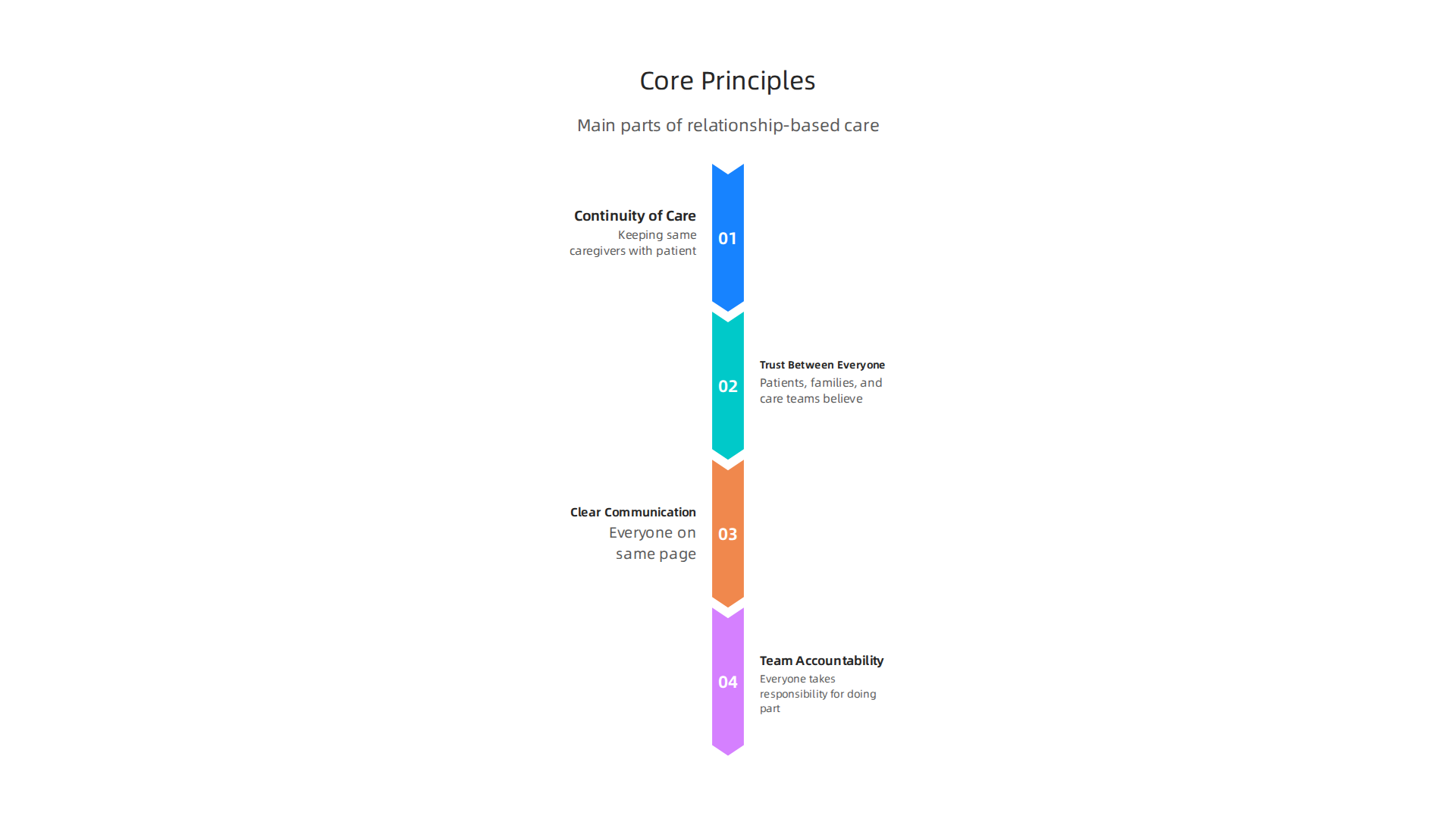
Continuity of Care
Imagine having a doctor or nurse who knows you well. That’s what continuity means. It’s about keeping the same caregivers with a patient as much as possible, so they understand the patient’s full story without having to ask the same questions over and over.
- What it looks like: A patient sees the same primary nurse or a small, consistent team over time. This is really helpful in settings like care coordination in homecare or for VNA healthcare services, where regular visits build strong bonds. This way, the patient feels more secure and is more likely to open up.
- Why it matters: When caregivers know a patient’s history, their family, and their likes and dislikes, they can give much better, more personal care. This is a key part of family centered medicine, where the whole family’s needs are considered.
Trust Between Everyone
Trust is like the glue that holds good relationships together. In healthcare, it means patients, families, and care teams believe in each other.
- What it looks like: Caregivers are honest and reliable. They listen carefully and make sure patients feel heard. Patients, in turn, feel comfortable sharing all their health details, which helps the team create the best plan of care.
- Why it matters: When there’s trust, patients are more likely to follow medical advice and feel better about their journey. It also makes it easier for families to support the care process.
Clear Communication
Talking clearly and often is super important. Everyone involved in a patient’s health needs to be on the same page.
- What it looks like: Doctors, nurses, therapists, and even the family talk to each other about the patient’s needs and progress. This means using words everyone can understand, not just medical jargon. For instance, teams providing home-based care coordination need to talk smoothly to ensure nothing is missed. You can learn more about how digital solutions support this in Tomorrow Health: Unifying Home-Based Care Coordination for Health Systems.
- Why it matters: Good communication prevents mistakes, makes sure everyone knows their role in the plan of care, and helps patients and families feel included in decisions.
Team Accountability
This means everyone on the care team takes responsibility for doing their part and working together to meet the patient’s needs.
- What it looks like: From the doctor to the person who cleans the rooms, everyone knows how their job helps the patient. They support each other and fix problems together. This is true whether it’s a big hospital or a smaller operation like all saints home care.
- Why it matters: When teams work well together, care is smoother, safer, and more efficient. It builds a stronger environment for everyone.
These principles form the backbone of a successful relationship based care model, helping healthcare organizations deliver truly patient-centered service Relationship-Based Care Model. By focusing on these core ideas, healthcare systems in 2026 can make sure that every person feels valued and cared for.
Building on those ideas of trust and good talking, let’s look at different ways healthcare teams organize themselves to make relationship based care really happen. These ways are called "care coordination models," and they help make sure patients get the right care at the right time, with a personal touch. Each model works a little differently, but they all aim to connect patients, families, and caregivers.
Team-Based Primary Care
Imagine your family doctor’s office, but with even more people working together just for you. That’s team-based primary care. It means you have a group of healthcare workers like doctors, nurses, and other helpers who all know you and your health story.
- How relationships work: In this model, you often see the same team members over many years. This builds strong longitudinal relationships based on patient-reported care coordination. They get to know your habits, your family, and what’s important to you. The team shares a single, up-to-date plan of care for you, which helps everyone stay on the same page. Handoffs, which are when one caregiver passes your care information to another, are smoother because the team already works closely together. This approach is great for general health and ongoing conditions.
Transitional Care Models
Sometimes, people need to move from one type of care to another, like going from the hospital back home. Transitional care models are special programs designed to make these moves easy and safe. They focus on preventing problems when you change care settings.
- How relationships work: These models are often shorter, focusing on a few weeks or months. A special care coordinator or nurse acts as a guide, making sure you understand your medicines, appointments, and what to do at home. They build a strong, but often short-term, relationship with you and your family. Their main job is to make sure there are no dropped balls during handoffs between the hospital team and your home care team, perhaps including VNA healthcare services. This helps keep your care seamless. You can learn more about how technology can improve these important moments in Transitions of Care: How Technology, Regulation, and Strategy Improve Patient Handoffs.
Embedded Care Coordinators
In some healthcare places, there might be a dedicated care coordinator who is part of a special team, like for people with a long-term illness or for senior care. This person’s job is to connect all the different services you might need.
- How relationships work: An embedded care coordinator acts as a central contact. They help you find doctors, therapists, social workers, or even help with things like getting rides to appointments. They build strong ties by understanding your entire life situation, not just your medical problems. This helps make sure your care fits your real-life needs and supports a truly family centered medicine approach. This person helps manage handoffs between different specialists and services, making sure your overall plan of care is followed.
Choosing the Right Care Model
Picking the best care coordination model depends on who needs care and what a healthcare organization can offer. Here’s a quick guide:
| Model Type | Best For | Key for Relationships |
|---|---|---|
| Team-Based Primary Care | Long-term health, managing many conditions | Ongoing connections with a consistent team |
| Transitional Care Models | Moving between care settings (e.g., hospital to home) | Short-term, focused guidance during changes |
| Embedded Care Coordinators | Complex or long-term illnesses, many different services | Single point of contact, holistic support |
By carefully choosing and using these models, healthcare systems in 2026 can make sure that relationship based care is at the heart of everything they do. This leads to better experiences and better health for everyone. The Agency for Healthcare Research and Quality (AHRQ) offers a Chartbook on Care Coordination with more insights into these efforts.
The previous section showed us different ways healthcare teams organize care to build stronger relationships. Now, let’s look at how computers and smart tools can help these teams do an even better job. Technology should make it easier for people to connect, not replace the important human touch.
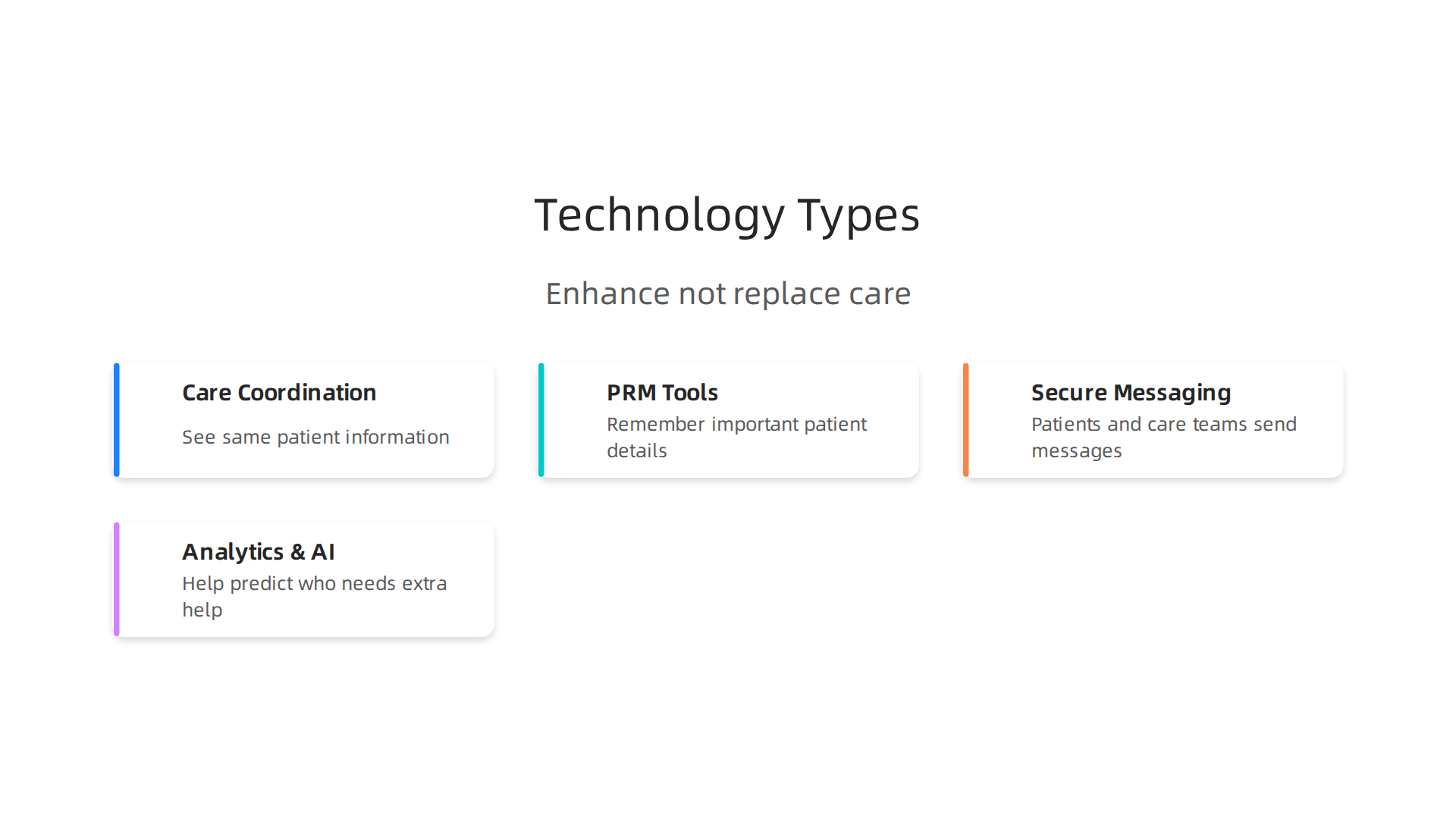
It helps build strong relationship based care by giving doctors, nurses, and patients good ways to talk and share information.
Types of Technology That Help Relationships
-
Care Coordination Platforms
These are like special online dashboards where all members of a patient’s care team can see the same information. They share the patient’s [plan of care], appointments, and notes. This makes sure everyone knows what’s happening and who needs to do what. It helps prevent misunderstandings, especially when one caregiver passes information to another. -
Patient Relationship Management (PRM) Tools
Think of these as super smart contact books. They help healthcare providers remember important details about patients, like their hobbies, family members, or what makes them feel comfortable. This helps staff offer more [family centered medicine] and make each patient feel truly seen and heard. -
Secure Messaging Apps
These tools let patients and their care teams send messages safely and quickly. No more playing phone tag! Patients can ask questions, send updates, and get fast replies. This direct connection makes patients feel more involved and cared for. -
Data Analytics and AI
These tools look at lots of information to find patterns. They can help predict who might need extra help or show where care could be better. For example, AI might spot a patient who missed appointments and needs a call, helping keep their care on track. To understand more about the future of healthcare technology, you can explore the Healthcare Technology Trends 2026 Reshape Medicine and Patient Care.
Fitting Technology into Daily Care
Bringing new technology into healthcare is about finding a good balance.
- The Good: These tools can save time, reduce mistakes, and help care teams work better together. They can also give patients more control and information.
- The Not-So-Good: Sometimes, new technology can feel like more work for busy staff at first. Training is key. Also, it’s important to make sure the computer screen does not get in the way of looking at and talking with the patient. The main goal is to make it easier to connect, not create a barrier.
Choosing the Right Tools
When healthcare groups buy new tools in 2026, they should ask simple questions:
- Does this tool help us talk better with patients and families?
- Will it make it easier for our team members to work together on the [plan of care]?
- Does it make our staff’s jobs easier or add too much extra work?
- Will it help us understand our patients better as people, not just their illnesses?
- Can it be used by everyone, even those who aren’t great with computers?
By keeping these points in mind, healthcare teams can pick technology that truly helps build and strengthen [relationship based care]. Staying up to date on how AI is changing healthcare can also help make smart choices.
The AI Newsletter Worth Reading can help you stay informed on the latest trends.
Bringing new technology into healthcare is only one part of the puzzle. The bigger challenge is making sure these new tools and ideas actually get used well every day. This is where planning, rules, and helping people change come in. It’s all about putting relationship based care into action for everyone.
How to Make New Ways Work
For any new approach, like focusing on relationships, to truly stick, healthcare groups need clear structures.
- Leaders and Rule Makers: First, you need groups of leaders, called governance bodies, who set the overall direction and rules. They decide what’s important and how things should run. This strong leadership is a key part of making big changes happen in healthcare, as noted in studies about value-based care in 2026.
- Teamwork Across Different Jobs: Next, special teams or "steering committees" should include people from different parts of healthcare.

This means doctors, nurses, IT specialists, and even patient family members working together. They help make sure the new plans work for everyone. Research highlights the importance of bridging the gap between how leaders plan and how workers practice in cross-sector care.
- Everyday Helpers: It’s also super helpful to have "clinical champions." These are people who really believe in the new ways of working and are good at showing others how to use them. They can be nurses or other staff who lead by example and help their coworkers feel comfortable with changes. Building up these champions is a known way to help new programs succeed.
Simple Steps for Daily Care
Once the big plans are made, healthcare teams need easy-to-follow steps for their daily work. These are like "workflow templates." They clearly show how to add relational practices into every part of a patient’s journey, from when they first come in to when they go home.
For example, a clear template could show a VNA healthcare worker exactly how to ask about a patient’s preferences or how to involve family in their [plan of care]. This ensures that good communication and personal touches happen every time, making care truly [family centered medicine]. These clear steps help reduce mistakes and make sure everyone on the team, like those at All Saints Home Care, is on the same page.
Avoiding Problems When Changing Things
Even with great plans, making big changes can have bumps. Here are some common problems and how to fix them:
- People Don’t Want to Change: Sometimes, people don’t like new ways. To help, it’s good to show them how the new system makes their job easier or helps patients more.
- Not Knowing How to Use New Tools: New technology or new processes can feel hard at first. Regular, clear training helps everyone learn what to do. The goal is to make sure new tools fit into daily work without causing more stress.
- Lack of Proof: If people don’t see that the new ways are better, they might not use them. This is where "data" comes in. Showing numbers that prove patient satisfaction is up or that care is safer can convince people. Also, giving small "incentives" like awards or recognition can encourage staff to try harder.
By thinking about these points, healthcare groups can make sure that new ways of providing [relationship based care] are put into practice smoothly and successfully in 2026. This means better care for patients and happier staff.
Measuring Outcomes and ROI for Relationship-Based Care
After putting new ways of working into action, it’s super important to know if they are truly helping. This means looking at the results and understanding the "Return on Investment" (ROI). ROI helps us see if the time, effort, and money put into new things like relationship based care are giving good value back.
To do this, we need to measure many different things. Think of it like a four-part stack of measurements:
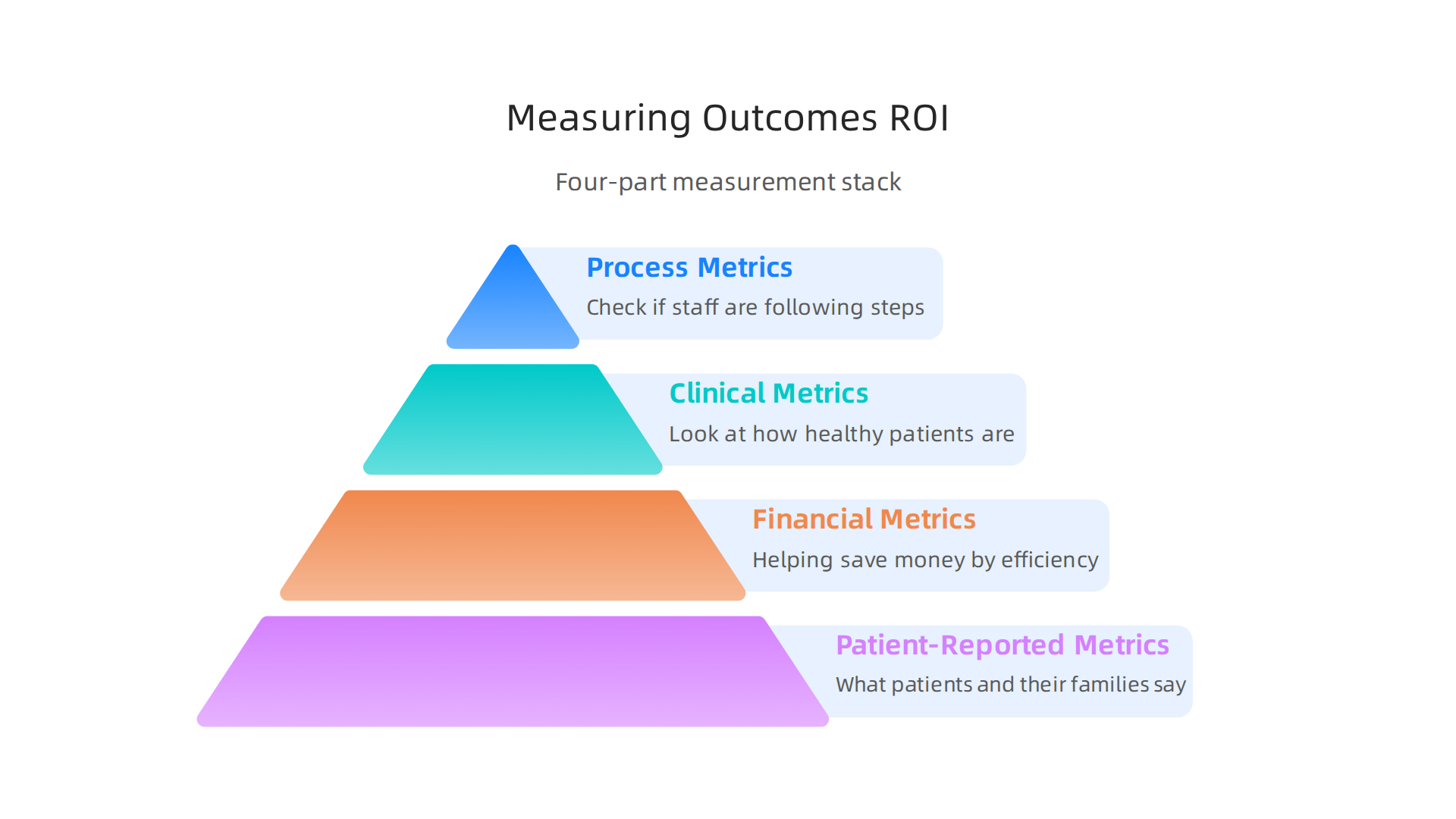
- Process Metrics: These check if staff are following the new steps. For example, how often are families included when making a [plan of care]?
- Clinical Metrics: These look at how healthy patients are getting. Are fewer people coming back to the hospital soon after leaving? Are patients feeling better overall?
- Financial Metrics: This part focuses on money. Is the new way of care helping save money by making things more efficient or reducing waste?
- Patient-Reported Metrics: This is about what patients and their families say. Are they happier with their care? Do they feel more listened to? This is key for [family centered medicine]. Studies show that asking simple questions about trust in providers or emotional support can give a lot of valuable information about relational health. Knowing how patients feel is crucial for understanding the real value of care changes.
Experts suggest tracking a balanced set of these measures to get a full picture of success, covering patient outcomes, finances, and how operations are running smoothly in 2026.
Finding What Works and Tracking Value
It can be tricky to know if a specific change, like focusing more on relationships, directly caused a good result. But we can look for clear connections. For instance, if patient happiness goes up right after new [relationship based care] steps are started, that’s a good sign. We should track both quick wins, like better patient satisfaction, and longer-term benefits, such as fewer repeat visits to the emergency room. Measuring the overall impact, not just one small thing, helps show the true value of new programs. This big picture view helps healthcare leaders see how different activities support their main goals and improve patient outcomes, showing a multi-dimensional impact.
Seeing Progress with Dashboards and Feedback
To make all this information easy to understand, healthcare groups use "dashboards." These are like simple reports that show all the important numbers in one place. They help everyone see what’s working well and what needs more attention. For example, a dashboard could show if patient wait times are going down or if more patients are recommending their hospital to friends. These helpful dashboards allow organizations to track key indicators and make sure care is getting better.
The goal is to use these dashboards and other data to create a "feedback loop." This means regularly looking at the numbers, talking about what they mean, and then making small changes to keep getting better. It’s like a cycle: measure, learn, adjust, repeat. This way, digital transformation in large health systems elevates care and boosts ROI. By constantly checking how things are going, healthcare teams can make sure their efforts in [relationship based care] are always improving for patients and staff.
Staying informed about how technology is changing healthcare and helping with these measurements is key.
Get clear daily AI updates from The AI Newsletter Worth Reading.
Policy, Compliance, and Risk Considerations
When we bring in new ways of giving care, like focusing on more [relationship based care], it’s super important to also think about all the rules and possible risks. It’s not just about helping patients feel better; it’s also about keeping their information safe and making sure everything is done the right way.
Keeping Information Safe and Following Rules
One big part of this is making sure we handle patient information carefully. When healthcare teams share details to create a better [plan of care], especially in [family centered medicine] approaches, privacy rules must be strictly followed. This means getting clear permission to share information between different parts of the care team. For example, laws like HIPAA in the US make sure that patient health details stay private. These kinds of rules are key to building trust and making sure everyone’s data is safe. A report on including relationship-based care practices highlights how important these policies are for daily practice.
Also, as technology helps share information more easily, health systems need good rules for "data governance." This makes sure that digital tools are used correctly within workflows and that patient privacy is protected when sharing records to improve overall care coordination, as discussed in a 2026 report on care-grade integration.
Checking for Risks in Relationship-Based Care
Before starting any new [relationship based care] program, it’s smart to look for possible problems. This is called a risk assessment. We need to think about:
- Data Risks: Could patient information accidentally get shared with the wrong person? We must have strong security for all digital health records.
- Clinical Governance: Are the rules clear about who is in charge of different parts of a patient’s care? Good leadership and trust are needed to make sure all parts of the team work well together to improve patient outcomes. A 2026 study emphasized that leadership, trust, and readiness to work together are crucial for cross-sector care.
- Legal Risks: Are we following all the laws about patient care and privacy? For example, regulations from bodies like the Texas Medical Board Regulations 2026 must be followed by every health tech company.
By checking these things carefully, healthcare groups can make sure their relationship-based efforts help patients without causing new problems.
Connecting Relationships to How We Pay for Care
In 2026, many healthcare systems are moving towards "value-based payment." This means hospitals and clinics get paid more when patients get better care and have good results, not just for how many services they provide. [Relationship based care] fits right into this. When patients and families feel more connected to their care team, they are more likely to follow their [plan of care] and have better health outcomes. This can mean fewer trips to the emergency room and better long-term health, which is a big win for value-based care models.
Using relationship-based metrics, which measure things like how much patients trust their doctors or how much emotional support they feel, can actually help show the value of care. These metrics can support value-based care by highlighting improvements in relational health that lead to better patient outcomes and even cost savings. Aligning relationship-based practices with quality programs helps show that good relationships are not just nice to have; they are a vital part of providing high-quality, effective healthcare. Thinking about these practices for "vna healthcare" or "all saints home care" also shows how important clear guidelines are across different care settings.
For leaders working to improve healthcare, understanding these connections is very important. To learn more about setting up strong rules for health data, you can read about Public Health Data Standards: Building Smarter Systems for 2026.
Summary
This article explains relationship-based care and why it matters for health systems, leaders, and care teams in 2026. It outlines the core principles—continuity, trust, clear communication, and team accountability—and shows how different care coordination models (team-based primary care, transitional care, embedded coordinators) put those principles into practice. The piece also reviews practical technology tools that support relationships, from care coordination platforms to secure messaging and AI, and offers guidance on choosing tools that help rather than hinder human connection. Readers learn how to implement change through governance, clinical champions, workflows and training, how to measure impact with balanced metrics and dashboards, and what policy and privacy risks to assess when scaling relationship-based programs.