
Have you ever needed medical help but weren’t sure where to go? Maybe you felt a sharp pain in your chest, or your child woke up with a high fever.

You stood between calling your family doctor, rushing to an emergency room, or heading to a nearby clinic. This split between urgent care and primary care has frustrated patients and providers for years.
But things are changing fast. In 2026, new models like retail clinics, telehealth visits, and integrated hybrid systems are reshaping how people get care. These systems aim to close that frustrating gap. Right now, there are more than 15,000 urgent care centers across the United States, according to the Urgent Care Association.
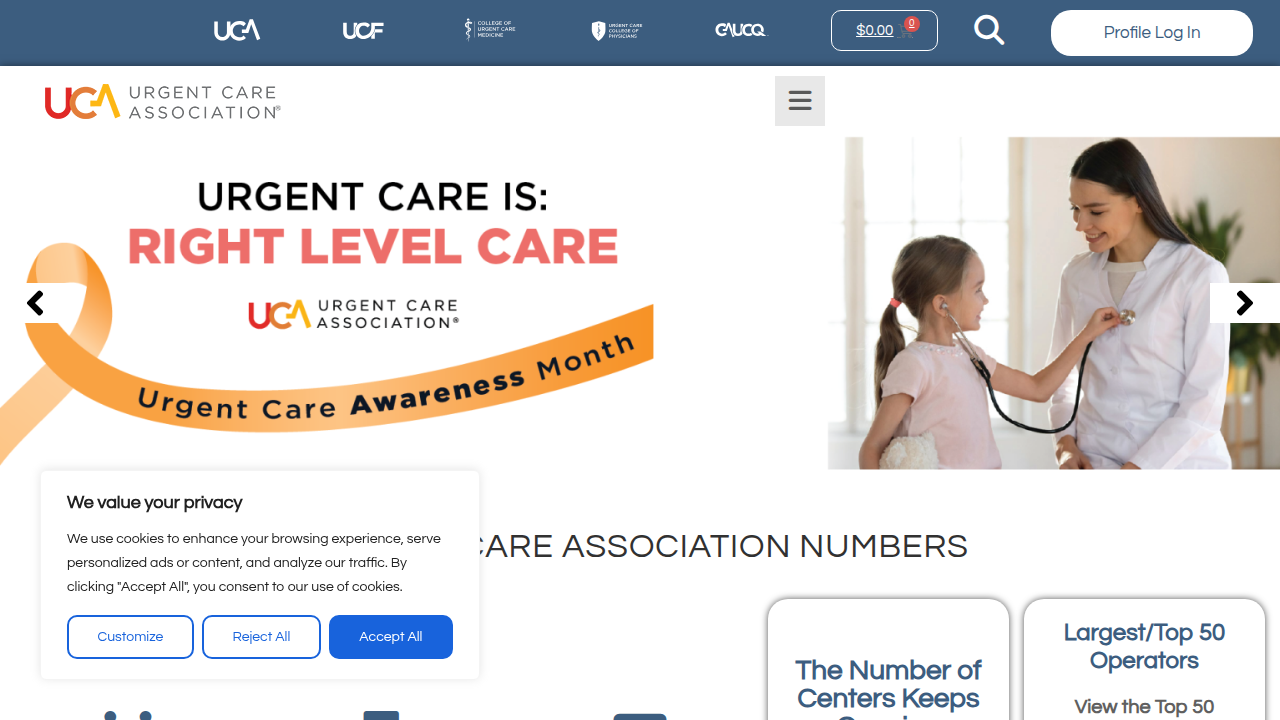
The urgent care market is valued at $29 billion in 2026 and is expected to grow to $38.8 billion by 2030, as reported by Research and Markets. That growth is driven by rising patient demand and investor interest.
Whether you are comparing options like banner urgent care, allcare primary & immediate care, or evaluating family medicine vs primary care, understanding this shift matters. Names such as sanitas medical center also represent new ways to deliver continuous, convenient care. For health tech leaders, this evolution is not just interesting. It is essential for strategic decisions.
To stay ahead, dive deeper into how digital health in family practice in 2026 is reshaping community care.
And if you want daily insights on the tech trends driving healthcare forward, subscribe to The Deep View Newsletter for clear, actionable AI updates.
The Rise of Urgent Care and Its Role in the Care Continuum
Urgent care centers didn’t just appear overnight. They grew fast in the 2000s because patients needed a middle ground. You didn’t need a life-threatening emergency to justify a trip to the ER, but you also couldn’t get a same-day appointment with your primary care doctor. That frustration opened the door for a new kind of care.
And the numbers prove it. From 2014 to 2023, the number of urgent care centers in the U.S. nearly doubled, increasing by 99.2% from 7,220 to 14,382, according to a Trilliant Health study. By 2024, the count had passed 15,000, as reported by the Urgent Care Association. In 2026, the market is valued at $29.09 billion and is expected to reach $38.8 billion by 2030, growing at a 7.5% CAGR, per Research and Markets.
Big networks took the lead. For example, banner urgent care operates hundreds of locations across multiple states. According to the 2025 Urgent Care Top 100 by JUCM, 40% of all urgent care centers are run by a top 100 entity. That means large systems like Banner are shaping how patients access quick care.
But they’re not alone. The rise of retail clinics and telehealth options has created fresh competition. Concepts like allcare primary & immediate care and sanitas medical center represent a new hybrid approach. These models combine urgent and primary services under one roof, making the line between family medicine vs primary care even blurrier. Patients now have more choices than ever.
Here’s the key thing, though. Urgent care was never built to replace primary care. It was designed to supplement it. For acute issues like a sprained ankle, a sore throat, or a minor cut, urgent care works great. But managing chronic conditions, preventive screenings, and long-term relationships still belong with a primary care provider. When urgent care and primary care work together, the whole system runs better.
That understanding is driving new technology and care models in 2026. To see how digital health is reshaping primary care and community health, check out our article on innovative primary care tech and models reshaping senior care.
Retail Health and Corporate Entrants: CVS, Walgreens, Walmart
You can grab a gallon of milk, pick up a prescription, and get a strep throat test all in one trip. That’s the promise of retail health. And in 2026, pharmacy giants like CVS, Walgreens, and Walmart are betting billions on it.
These companies are not just pharmacies anymore. They are becoming full healthcare destinations. Walmart, for example, has expanded its Walmart Health centers to offer primary care, labs, and even imaging. This one-stop model is very appealing for busy families who want convenience. This massive push has put retailers right in the middle of the urgent care market. There are now over 15,000 urgent care centers nationwide, according to the Healthcare Distribution Alliance, and a huge portion of the new growth comes from retail-based clinics. The U.S. urgent care market is already worth over $36 billion and is expected to double by 2033, as reported by Grand View Research.
What makes these retail clinics stand out is their hybrid model. They blur the line between urgent care and primary care. You can go for a quick fix like a vaccine or a sinus infection. But many of these clinics also help manage chronic conditions like diabetes or high blood pressure. This directly challenges the old debate of family medicine vs primary care. It also creates a convenient option for patients who might otherwise visit a sanitas medical center or an allcare primary & immediate care location.
This corporate entry has forced traditional urgent care operators like banner urgent care to rethink their strategies. They are investing in better digital tools, longer hours, and improved patient experiences to stay competitive. The pressure is real. When a patient can get a same day visit at a nearby retail clinic instead of driving across town, traditional providers have to adapt or risk losing patients.
Retail clinics are pushing traditional family doctors to adopt more digital tools. To learn more about how technology is changing family practice, check out our article on how digital health is reshaping community care in 2026.
The lines between retail, urgent care, and primary care are fading fast. For the patient, this is mostly good news. More access, more convenience. But for providers, the competition is only getting tougher.
Telehealth as a Core Channel: Integration With In-Person Care
The competition between retail clinics and traditional providers is intense. But one trend is changing how both sides operate. Telehealth is no longer a nice-to-have feature. It is now a core channel for care delivery.
The pandemic forced a massive experiment in virtual care. And it worked. Telehealth usage jumped from 37% to 67% during those early months, as reported by GetStream. Today, that change is permanent. By 2024, over 71% of physicians said they were using telehealth weekly, according to the AMA.
Michigan Medicine also found that telehealth now accounts for 44% of all behavioral health visits and 9% of primary care visits, as detailed in their recent study.
Virtual-first models are a big reason for this growth. Patients like the ability to text a doctor or have a quick video visit without leaving their home.

This is especially true for younger patients deciding between family medicine vs primary care options. They want speed. Clinics like sanitas medical center have had to build strong virtual front doors to meet this demand.
But here is the challenge. A virtual visit cannot do everything. You still need stitches, a strep test, or a physical exam. That is why integration with in-person care is so important in 2026. The best providers are those that link their telehealth platform directly to their physical clinics. If you start a visit online with a network like allcare primary & immediate care, your visit summary and prescription are ready when you arrive in person. This seamless handoff keeps patients from falling through the cracks.
For a large network like banner urgent care, mastering this hybrid model is critical. Patients expect to move easily from a video call to an in-person same day visit without repeating their story. Telehealth is the front door to the entire healthcare system.
Of course, this shift brings new rules and regulations. Providers must follow specific laws for virtual care. To stay compliant, it helps to understand the latest guidelines. Read our breakdown of Texas Medical Board regulations for health tech companies.
Keeping up with how technology is reshaping healthcare delivery can feel like a full-time job. Get clear, daily insights on the latest trends straight to your inbox. Subscribe to The Deep View Newsletter today.
Hybrid Models: Bridging Urgent and Primary Care Under One Roof
Telehealth is the front door. But once patients step inside, they need the right kind of care fast. That is where hybrid models come in.
A hybrid model blends the walk-in convenience of an urgent care center with the ongoing relationship of a primary care doctor. You no longer have to choose between speed and continuity. Networks like banner urgent care are leading this shift. They connect every same day visit back to a long-term provider. A sprained ankle on Saturday turns into a wellness plan on Monday.
How does this work in practice? The answer is shared patient panels. Your primary care doctor and the urgent care team use the same digital chart. There is no need to repeat your story. The system handles the handoff automatically. This includes same-day scheduling, automated triage, and coordinated follow-up.
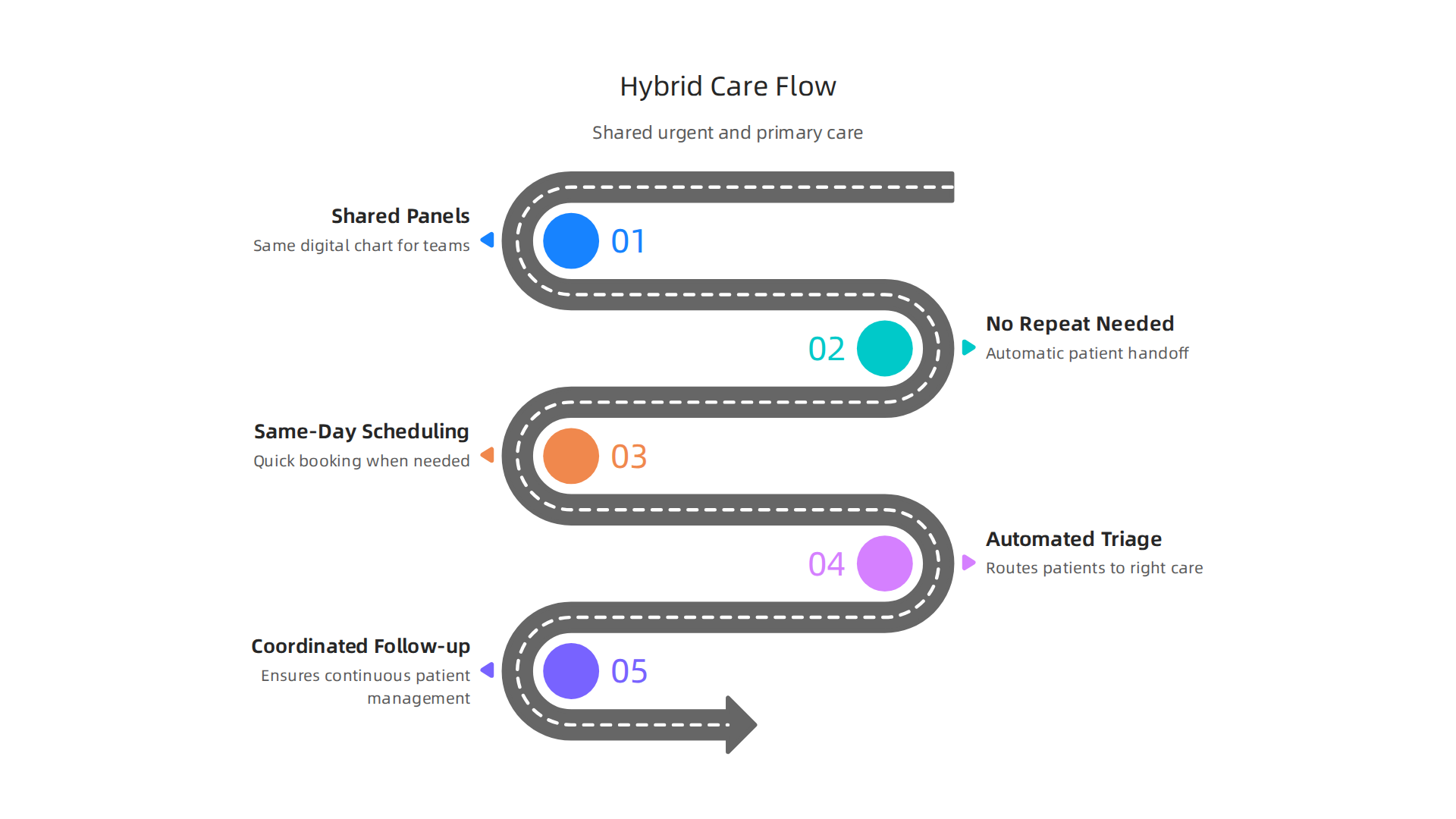
A network like allcare primary & immediate care uses these tools to make sure nothing slips through the cracks.
Technology makes this possible. And it supports better payment models. When providers are paid for keeping patients healthy, not just for filling slots, costs go down. This is called value-based care. The AMA explains that alternative payment models reward high-quality, cost-efficient care. Hybrid models fit perfectly inside this framework.
This kind of digital coordination is changing family medicine entirely. We explore this shift in our article on digital health in family practice 2026 reshapes community care.
Early adopters are seeing real results. Patient loyalty goes up because people trust a system that knows them. Total costs go down because follow-up happens without extra effort. A center like sanitas medical center builds its model around this kind of continuous care.
The old question of family medicine vs primary care is fading away. In 2026, patients want both urgent access and a medical home under one roof. Bridging urgent and primary care is a winning strategy for providers who want to stay ahead.
Keeping up with these new care models takes work. Stay ahead of the biggest trends shaping health tech. Subscribe to The Deep View Newsletter for daily insights you can use.
Value‑Based Care and Payment Innovation Driving Change
The old way of paying for healthcare by the visit is on its way out. For decades, providers earned more money by seeing more patients. More visits meant more revenue. That model is called fee for service. It rewards quantity, not quality.
But in 2026, that is changing fast. A growing number of health plans and employers now pay for results. They want providers to keep patients healthy, not just fill appointment slots. This shift is called value‑based care. And it is completely reshaping how urgent care, primary care, and retail clinics work together.
How Alternative Payment Models Work
Alternative payment models (APMs) are the tools that make value‑based care real. They reward providers who deliver high‑quality, cost‑efficient care. The Centers for Medicare & Medicaid Services (CMS) runs a program called the Quality Payment Program (QPP) that gives payment increases to clinicians who meet quality goals. The CMS explains that APMs focus on outcomes, not volume.
There are several types of APMs. Accountable care organizations (ACOs) use a team‑based approach to manage patient populations. Bundled payments set one price for an entire episode of care, like a joint replacement or a pregnancy. The American Medical Association (AMA) notes that APMs provide incentive payments for delivering care that is both high‑quality and cost‑efficient. Another example is the patient‑centered medical home, which pays a monthly fee per patient to cover comprehensive primary care.
Urgent Care Centers Join the Value‑Based Movement
Urgent care centers used to live outside the value‑based world. They charged per visit and sent patients home. But that is changing. Networks like banner urgent care are now signing value‑based contracts for populations that use acute care often. When a patient with high blood pressure shows up on a Saturday with a headache, the urgent care team knows to check their BP and schedule a follow‑up with a primary care doctor. That follow‑up prevents a more expensive ER visit later.
Centers like allcare primary & immediate care have built their model around this idea. They treat the urgent problem and immediately connect the patient to ongoing care. The payment model rewards that connection. If the patient ends up in the hospital, the provider loses money. So they invest in keeping the patient healthy across the whole continuum.
Primary Care Capitation Drives Partnerships
Primary care practices are also changing how they get paid. Many now use capitation. They receive a fixed monthly payment for each patient, no matter how many times the patient visits. This gives them a strong reason to manage after‑hours demand without patients going to an ER.
Capitation pushes primary care doctors to partner with urgent care and retail clinics. Instead of fighting for the same patients, they share them. The primary care practice pays the urgent care center a reduced fee to handle evening and weekend visits. The urgent care center sends the patient back to the primary care doctor for follow‑up. Everyone wins.
This partnership blurs the old question of family medicine vs primary care. In 2026, both are part of a coordinated system that follows the patient wherever they go. A center like sanitas medical center uses this model to deliver continuous care across all hours.
Why This Matters for Providers
Providers who adopt alternative payment models see better financial results over time. They also build stronger patient loyalty. When a patient knows their urgent care visit is coordinated with their regular doctor, they trust the system more. For a deeper look at how technology supports these new payment models, read our article on innovative primary care tech and models reshaping senior care in 2026.
The future of healthcare payment is not about more visits. It is about better outcomes. And that shift is happening right now in urgent care centers, primary care clinics, and everywhere in between.
Technology and AI Driving Transformation
Value‑based care depends on coordination. But coordination is hard without the right tools. That is where technology and AI come in. In 2026, smart systems help urgent care centers, primary care clinics, and retail clinics work together like never before. They reduce wait times, match patients to the right care setting, and keep everyone on the same page.
AI‑Powered Triage and Scheduling
Imagine you wake up on a Saturday morning with a sore throat and a fever. You do not know if you should head to urgent care, try a virtual visit, or wait until Monday for your primary care doctor. In 2026, AI‑powered triage tools solve that problem. You answer a few quick questions on your phone or a kiosk, and the system recommends the best place for your care. Research shows that machine learning models can predict the right triage level with up to 75.7% accuracy, beating older manual scoring systems. These tools also help patients self‑schedule appointments, so they land in the right slot at the right clinic without calling anyone.
For a network like banner urgent care, that means fewer people walking in with problems that a primary care visit could handle cheaper and better. And for centers like allcare primary & immediate care, AI triage helps them route patients to the appropriate side of the practice: urgent or primary.
Seamless Connections Through Mobile Apps and EHRs
Triage is only the first step. After a patient is directed to a care setting, the next challenge is making sure their information travels with them. Mobile health apps and integrated electronic health records (EHRs) now enable seamless transitions. If you visit an urgent care center on a Saturday, the system automatically sends a visit summary to your primary care doctor. The doctor sees it Monday morning and can schedule a follow‑up without you having to call.
This kind of integration makes the old debate about family medicine vs primary care less relevant. Both types of providers now share data through common platforms. A place like sanitas medical center uses these tools to deliver continuous care across urgent visits, routine checkups, and virtual consultations. According to a recent study, healthcare professionals find AI‑based triage applications helpful for reducing administrative burden and improving patient flow. That frees up staff to focus on hands‑on care.
Predictive Analytics for Smarter Staffing
Demand for urgent and primary care is not steady. It spikes on Monday mornings and during flu season. Predictive analytics help health systems forecast those spikes and adjust staffing ahead of time. Using historical data and real‑time signals like local illness trends, the system tells a clinic, “Expect 30% more visits next Tuesday” or “Plan for extra after‑hours coverage this weekend.” AI also lives inside EHRs now, helping clinical staff summarize patient histories and spot patterns. That means fewer surprises and shorter wait times for everyone.
All of these technologies work together to make value‑based care possible. They connect patients to the right care at the right time, and they give providers the data they need to improve outcomes.
If you want to stay on top of how AI is reshaping healthcare every day, you should check out a resource that delivers clear daily updates. Get clear daily AI insights from The Deep View Newsletter. It is a quick read that keeps you informed without the noise.
Regulatory and Policy Shifts in 2026
Technology does not work in a vacuum. The rules that govern healthcare change fast, and 2026 is no different. Three big policy shifts are reshaping how urgent care centers, primary care clinics, and retail clinics connect with each other.

Medicare Telehealth Flexibilities Remain a Moving Target
Here is the big one. After the pandemic, Medicare expanded telehealth coverage in a big way. Patients could see a doctor from home for many types of care. That flexibility is now extended through at least December 31, 2027, for non-behavioral health services according to official Medicare guidance. The American Medical Association reports that coverage was renewed for two additional years starting in February 2026. But the rules are not permanent. They vary from state to state. Some states let you do a virtual visit with any provider. Others require an established relationship first. This patchwork creates confusion for patients and providers alike.
For a network like banner urgent care, that means planning carefully. They need to know which states allow telehealth for new patients and which do not. The same goes for sanitas medical center, which relies on virtual visits to keep patients connected between in-person appointments.
Scope-of-Practice Expansions for Nurse Practitioners and Physician Assistants
Another major shift involves who can do what. Many states now let nurse practitioners (NPs) and physician assistants (PAs) practice more independently. They can diagnose, treat, and prescribe without a doctor’s direct supervision. This matters a lot for urgent care centers. It means they can staff clinics with NPs and PAs, especially in rural areas where doctors are scarce.
The old question about family medicine vs primary care becomes less relevant here. Both types of providers can now work at the top of their license. Places like allcare primary & immediate care benefit because they can mix NPs, PAs, and doctors on the same team. Patients still get the same quality of care, but the clinic runs more efficiently.
Data Privacy Regulations Impact Information Sharing
The third big change is about data privacy. HIPAA sets federal rules, but states are adding their own layers. Some states now require extra patient consent before sharing health information between an urgent care center and a primary care doctor. That sounds simple, but it creates real friction. If a patient checks into banner urgent care on a Saturday, the system might need a separate permission slip to send the visit summary to their regular doctor.
This is where Texas Medical Board regulations in 2026 serve as a great example of how state-level rules can complicate data sharing. Providers must stay on top of these laws to keep care coordination smooth.
The bottom line? Policy shifts are not slowing down. Providers who track these changes can adapt faster and deliver better care. Staying informed is half the battle.
Summary
This article explains how urgent care, retail clinics, telehealth and hybrid models are reshaping primary care access in 2026, driven by patient demand, investor interest and new payment models. It reviews market growth and examples like Banner, Allcare and Sanitas while showing why urgent care complements — rather than replaces — long‑term primary care relationships. The piece covers how retail entrants (CVS, Walgreens, Walmart) and telehealth are forcing traditional providers to improve digital front doors and integrate virtual visits with same‑day in‑person care. It also explains value‑based payment, capitation and how these contracts encourage coordination across settings, plus practical AI uses for triage, scheduling and staffing. Finally, the article outlines key regulatory shifts — telehealth coverage, expanded NP/PA scope, and evolving data‑privacy rules — that affect how providers connect care. After reading, clinicians and health tech leaders will understand the new care models, the technology that enables them, and the policy and payment changes they must navigate to stay competitive.