


The world of healthcare is changing very fast in 2026. Digital health platforms are no longer just new ideas; they are now a big part of how we get and give care. Think about how much we use apps and smart devices in our daily lives. Now, imagine that power helping doctors, nurses, and even you manage health better. This shift means big things for everyone, from large healthcare companies to small startup businesses.
The scope of these changes is huge. Digital tools are making healthcare smarter and more connected, from your local clinic to bigger systems like those serving National Digital Health Strategy Action & Impact Report initiatives, including in regions like Sydney. These platforms help with many things, like keeping track of patient records, making appointments, and even using advanced health AI to spot problems early. This move towards digital methods is a key trend to watch in 2026, as noted by experts looking at 7 healthcare trends to watch in 2026.
For leaders and founders in the health space, these changes bring big decisions.

How do you choose the right digital tools? How do you make sure they work well and follow all the rules? And how do you know if your investment will pay off? Many healthcare AI companies are creating amazing new tools, especially in areas like public health surveillance, which is seeing a "transformative shift" thanks to digital health technologies and artificial intelligence, according to a report on the Role of Digital Health Technologies and Artificial Intelligence in Modern Public Health Surveillance. Getting these choices right is very important.
This article is here to help you understand this fast-moving world. We will give you simple ways to think about digital health platforms. You’ll learn how to pick the best tools, put them into action, make sure they follow all the rules, and see a good return on your money. Whether you lead a big health system or are starting a new health tech company, our goal is to give you clear advice for making smart moves in this exciting digital health future.
Are you looking for more detailed information on the latest advancements in artificial intelligence within healthcare?
The AI Newsletter Worth Reading offers clear daily AI updates from The Deep View Newsletter.
The shift to digital health didn’t happen overnight; it’s been a journey. Imagine healthcare moving from using paper to smart, connected tools. At first, many digital tools were like single solutions for one problem. These were often basic Electronic Medical Records (EMRs), which helped clinics keep patient notes on a computer instead of in big folders. While EMRs were a big step, they often didn’t talk to other systems, making it hard to share patient information easily.
Over time, healthcare began to connect these separate parts. This happened with the help of "middleware" and "APIs." Think of middleware as a translator that helps different computer programs understand each other. APIs (Application Programming Interfaces) are like special plugs that let programs share information more smoothly. These tools allowed different digital systems, like those for booking appointments and those for lab results, to work together better. This made health systems more efficient, supporting efforts like those described in the Health x Digital Transformation Report, which highlights new models already delivering results.
Today, in 2026, we see a move towards "cloud-native platforms." These are like advanced digital ecosystems where all parts of a health service are linked together online. They can be found in big cities like Sydney, where integrated sydney health systems are making care easier for everyone. These modern platforms are built to work with advanced tools, including health AI, making them very smart and flexible. This approach creates a more unified experience for patients and providers alike. You can learn more about how technology drives better outcomes in different care settings by looking into Clinical Care Technology Innovations Drive Better Outcomes In Palliative And Dementia Care.
Digital health platforms can be grouped into a few main types, each with its own important job:
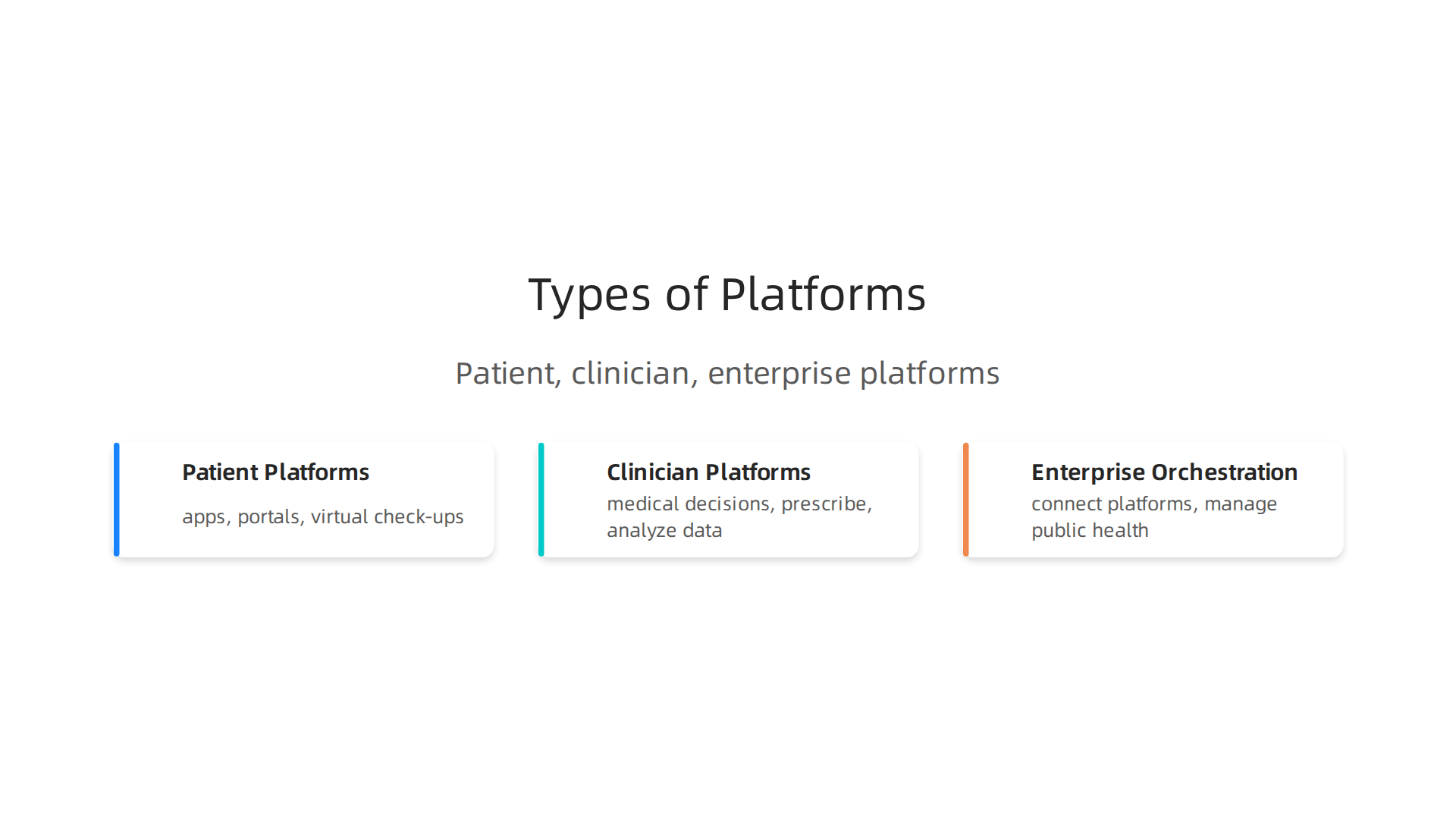
- Patient-Facing Platforms: These are the tools you might use as a patient. They include apps for booking doctor’s visits, online portals to see your test results, or systems for virtual check-ups. They help people take a more active role in their own health.
- Clinician-Facing Platforms: These are tools for doctors, nurses, and other healthcare workers. They include systems that help with quick medical decisions, electronic ways to prescribe medicine, and advanced tools that use healthcare AI to analyze patient data. These platforms help medical staff do their jobs better and faster.
- Enterprise Orchestration Platforms: These are the "brains" of a large health system. They connect all the other platforms, making sure information flows smoothly and securely across different departments and even different clinics. They play a big part in managing public health data and helping healthcare companies deliver consistent care across large regions, including national efforts to modernize health services as highlighted in the International Comparative Legal Guide Digital Health 2026. These platforms are key for making sure everything works well together, from small clinics to big hospitals, offering better coordination of care.
Modern digital health platforms are much more than just a collection of apps; they are carefully built systems with many important parts. Thinking about what makes up these platforms helps us see how they deliver better care.
Core Technical Layers of a Modern Platform
A strong digital health platform is built on several key layers that work together smoothly.
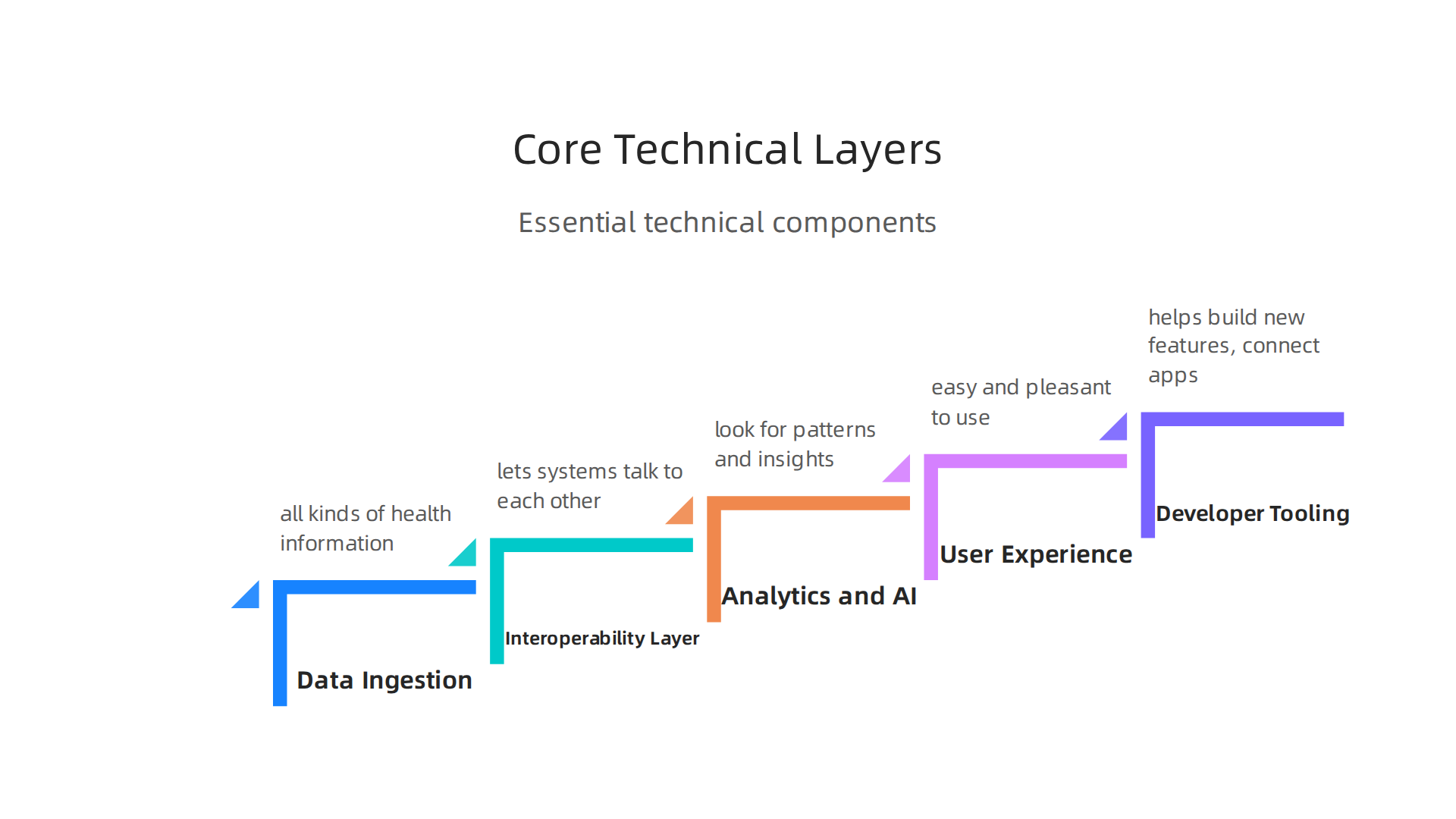
- Data Ingestion: This is how the platform takes in all kinds of health information. It could be notes from a doctor, results from a lab, or even data from a smartwatch. The platform needs to handle this data safely and quickly, no matter where it comes from.
- Interoperability Layer: This is perhaps the most important part. It’s the "translator" that lets different systems talk to each other. For example, it ensures that your new electronic health record can share information with the system your pharmacy uses. This layer helps make sure data can flow freely and securely, which is a big goal for national health digital architectures in 2026, as discussed in ideas for laying the foundation for digital transformation.
- Analytics and AI: This is where the platform gets smart. After collecting data, it uses special tools to look for patterns and insights. Health AI can help doctors make better decisions, predict health issues, or even find new ways to treat diseases. Many healthcare companies are investing heavily in this area. You can see more about this in Top Digital Health And Healthcare AI Trends To Watch In 2026.
- User Experience (UX): This layer focuses on how easy and pleasant the platform is to use for everyone, from patients to doctors. If a digital health tool is hard to understand or clunky, people won’t use it, no matter how powerful it is. Good UX makes sure people can find what they need and do what they want without hassle.
- Developer Tooling: These are the tools that help people build new features and connect other apps to the platform. A good platform makes it easy for developers to add new services and grow what the system can do, making it flexible for future needs.
Enterprise Requirements for Digital Health Platforms
For large healthcare companies or big health systems, like those managing sydney health services, a digital health platform needs more than just good technical layers. It must also meet important business needs. Building a modern healthcare technology platform means thinking about these features from the start, as explained by Edenlab.
- Scalability: Can the platform grow? As more patients join, or as the health system adds new clinics, the platform must be able to handle more users and more data without slowing down.
- Auditability: It’s very important to know who accessed what information and when. This helps keep patient data safe and ensures everything is done by the rules. This is key for public health systems.
- Role-Based Access: Not everyone needs to see all patient information. This feature makes sure that only people with the right job and permission can look at certain data. This keeps information private and secure.
- Vendor Support Models: When a big health system uses a platform, it needs reliable help if something goes wrong. Good vendor support means that technical issues can be fixed quickly, so patient care is not interrupted.
Understanding these parts helps you see why some digital health platforms are more successful than others in bringing modern care to communities.
If you’re interested in how AI is changing healthcare and other fields, you’ll find "The AI Newsletter Worth Reading" offers clear daily updates. Get clear daily AI updates from The Deep View Newsletter.
Understanding these parts helps you see why some digital health platforms are more successful than others in bringing modern care to communities. But how do these powerful platforms actually make money, and who truly benefits from them? This is where we look at the business models and value chains in digital health.
Business Models and Value Chains: Who Captures Value and How
Digital health platforms use different ways to make money, which helps them keep running and improve their services. Knowing these models helps us see how different parts of the healthcare world work together.
How Digital Health Platforms Make Money
Here are some common ways these platforms bring in value:
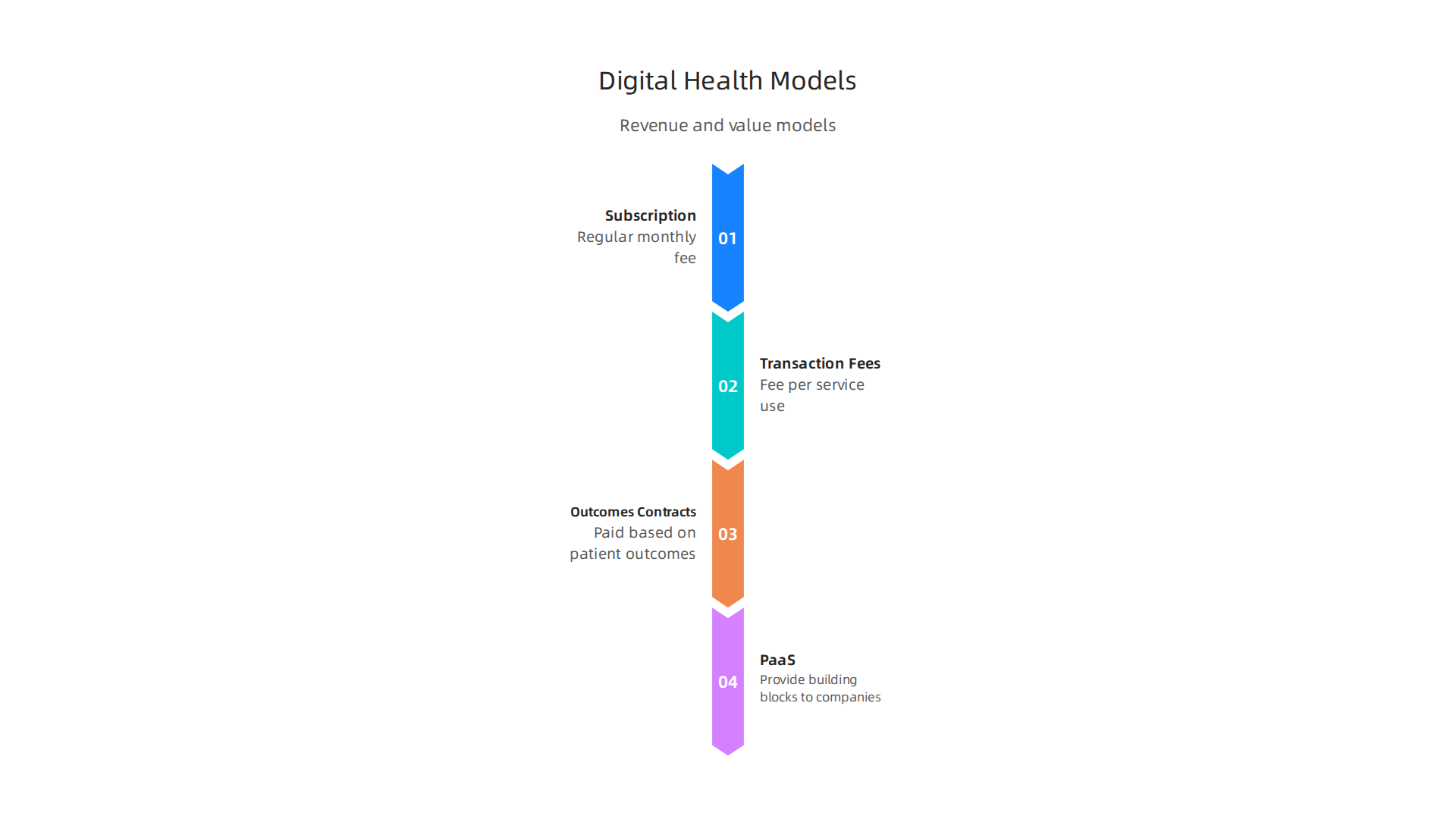
- Subscription: Many platforms charge a regular fee, like a monthly payment. This could be patients paying for access to an app, or large healthcare companies paying for a software license for their staff. This steady income helps platforms invest in new features, like better health AI tools.
- Transaction Fees: Sometimes, platforms charge a small fee each time a service is used. For example, a digital platform might charge a clinic a small amount for every virtual doctor visit or online prescription filled through its system.
- Outcomes-Based Contracts: This is a newer way of doing things. Instead of paying for a service upfront, some platforms get paid based on how well patients do. For instance, if a digital health program helps people manage a long-term illness better, and fewer patients end up in the hospital, the platform might get a bonus. This model is very helpful for public health initiatives because it focuses on real results, showing the value that digital health brings to communities like those served by sydney health services.
- Platform-as-a-Service (PaaS): Some digital health platforms offer their basic building blocks or tools to other healthcare companies. These companies then use these tools to create their own specialized apps or services. The original platform charges a fee for others to use its core technology.
Who Benefits and Where Value Accrues
The value created by these platforms spreads out to many different groups.
- Payers: These are often insurance companies or government health programs. They benefit when digital health tools lead to healthier people, which means fewer expensive hospital visits and lower overall healthcare costs. The use of health AI can help payers predict health risks and offer better preventive care, ultimately saving money.
- Providers: Doctors, hospitals, and clinics use these platforms to deliver better care more efficiently. Digital tools can help them see more patients, make smarter decisions with the help of healthcare AI, and offer new types of services like telehealth. This can greatly improve operations for large health systems, boosting their return on investment. You can learn more about how digital changes help big health systems in Digital Transformation In Large Health Systems Elevates Care And Boosts Roi.
- Vendors: These are the companies that build and maintain the digital health platforms. They capture value by selling their services and growing their businesses, often reinvesting in research and development to create even better tools for the future.
- Patients: At the end of the day, patients are meant to benefit the most. They get better access to care, more personalized treatments, and often a clearer understanding of their own health. Digital health technologies can help reduce healthcare costs and improve access to care, especially in public health efforts. This is a key focus for improving healthcare in 2026, as noted in a review of Digital health: current applications, challenges, and future directions.
By understanding these business models and how value flows, we can better appreciate the complex ecosystem of modern digital health.
After understanding how digital health platforms make money and who benefits, it’s important to look at the real-world impact they have. Do these digital tools actually make healthcare better for patients and easier for doctors?

Let’s explore the evidence on how these platforms change patient outcomes, how doctors do their work, and what the experience is like for healthcare providers.
How Digital Health Platforms Help Care
Many studies show that digital health platforms truly improve care in several key ways.
- Better Care Coordination: These platforms help different parts of a patient’s care talk to each other. For example, a hospital, a primary care doctor, and a specialist can all share important patient information easily. This helps make sure everyone is on the same page, which is especially good for health systems like those serving patients in sydney health regions, ensuring smooth transitions of care. You can learn more about how technology improves patient handoffs in Transitions Of Care 2026 How Technology Regulation And Strategy Improve Patient Handoffs.
- Fewer Hospital Readmissions: When patients use digital tools to manage their conditions at home, they often stay healthier. These tools can remind them to take medicine or check their symptoms, which can lead to fewer unexpected trips back to the hospital. For people dealing with long-term illnesses, digital tools have been shown to improve their quality of life, according to a 2026 study on Digital Health Interventions to Support Chronic Disease Management.
- More Efficient Clinicians: Doctors and nurses can use digital platforms to save time. Things like booking appointments, checking patient history, or even getting help from health AI to make faster decisions can make their day run smoother. This means they can spend more time actually caring for patients and less time on paperwork. The American Medical Association also has resources on the value of virtual care for providers, exploring what drives the Driving the future of digital health | American Medical Association.
Challenges and Unexpected Problems
While digital health offers many benefits, there are also some difficulties that healthcare companies and providers face.
- Alert Fatigue: Imagine a doctor getting dozens of alerts every day from different systems. If there are too many alarms, some doctors might start ignoring them, even the important ones. This "alert fatigue" can make it harder to spot real problems.
- Workflow Disruptions: Bringing new technology into a hospital or clinic can change how everyone does their job. Sometimes, these changes can slow things down at first, causing confusion or extra steps that weren’t there before.
- Data Overload: Digital platforms collect a lot of data. While having more information can be good, sometimes there’s just too much to sort through. Finding the truly important pieces of information in a sea of data can be a challenge, even with help from healthcare AI companies. This is an ongoing area of focus for public health efforts to ensure data is useful and actionable.
Overall, digital health platforms are changing healthcare for the better, but it’s important to also understand and fix the challenges that come with them.
The world of health technology is always moving forward, especially with new developments in artificial intelligence. To stay on top of these changes, consider exploring The AI Newsletter Worth Reading for daily updates.
While we know digital health helps a lot, making all the different parts work together smoothly is a big challenge. This is known as integration and interoperability. It’s about how well different computer systems and tools in healthcare can talk to each other and share information.
Practical Barriers to Making Systems Talk
Getting different digital health tools to connect can be like trying to get people speaking different languages to have a conversation.
- Old Computer Systems: Many hospitals and clinics still use older Electronic Health Record (EHR) systems. These "legacy" systems weren’t built to connect easily with newer digital apps or health AI tools. For many healthcare companies, updating these old systems is a huge and costly task. If you want to learn more about improving older systems, check out How to Modernize Legacy Health Systems in Regional Hospitals.
- Different Ways to Talk: Even if systems want to share data, they might store it in different ways. Imagine one system calls a patient’s date of birth "DOB" and another calls it "PatientBirthday." This means the data needs to be "normalized" or translated, so everyone understands it. This is a common hurdle for even the most advanced healthcare AI companies.
- Company Cooperation: Digital health platforms connect using special doors called APIs. But not all companies make their APIs easy to use, or sometimes they don’t want to share data with competitors. This lack of cooperation can slow down how fast healthcare can improve, even in advanced areas like sydney health regions. Getting all systems to share data in a standard way is a key goal for better patient care and for public health. The Office of the National Coordinator for Health IT works to promote this kind of data exchange to improve patient care and outcomes, as noted by the ONC – Office of the National Coordinator for Health IT.
Best Ways to Make Systems Work Together
Even with these challenges, there are good ways to make digital health platforms connect better.
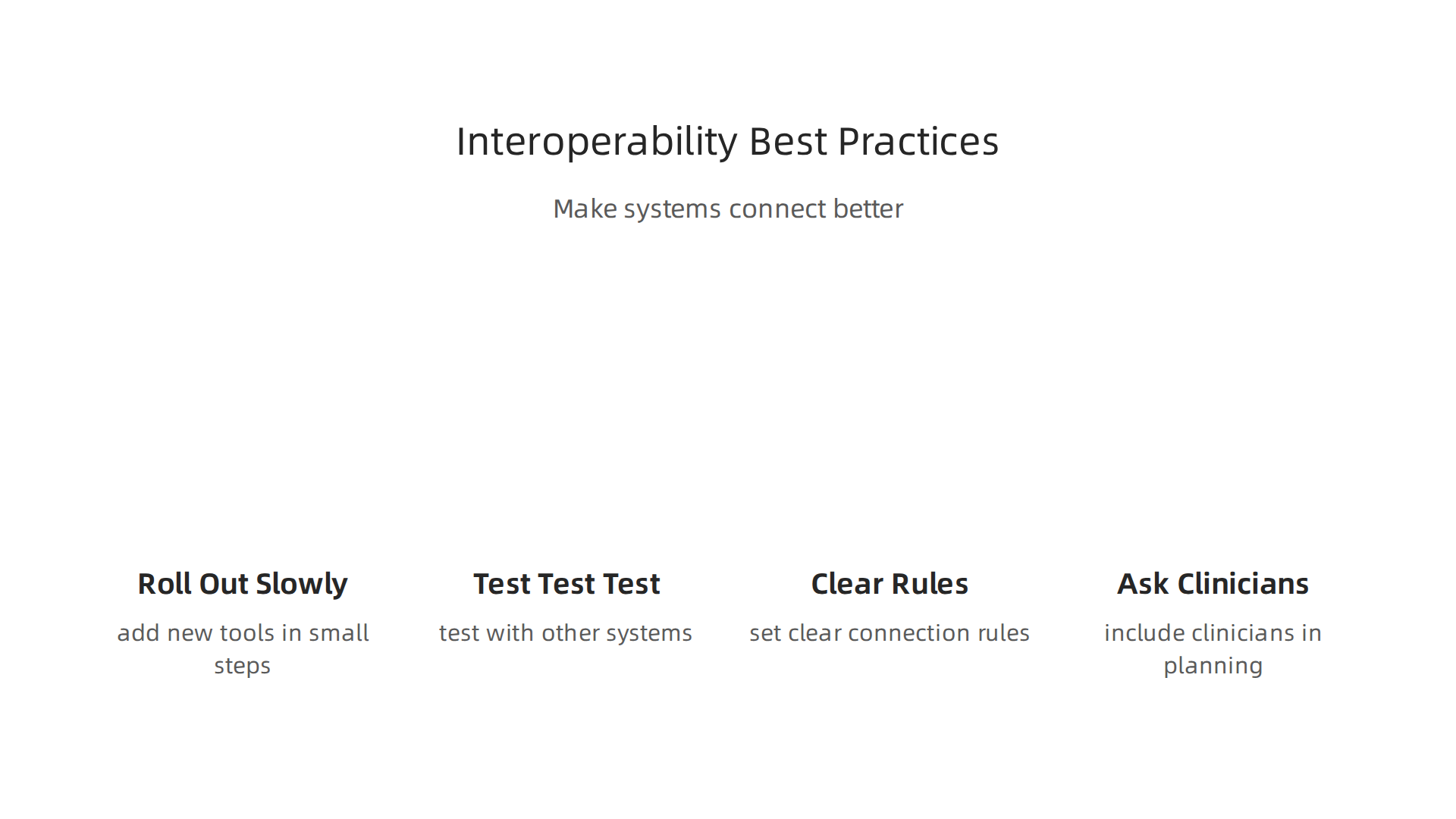
- Roll Out Slowly: Instead of changing everything at once, it’s smarter to add new digital tools in small steps. This "phased rollout" helps doctors and nurses get used to the new system without feeling overwhelmed.
- Test, Test, Test: Before a new system goes live, it’s super important to test if it truly works with other systems. This "interoperability testing" makes sure patient information moves correctly and safely between different tools.
- Clear Rules for Connecting: Setting up clear rules for how systems connect and share data is called "interface governance." This helps everyone know what to expect and keeps things organized.
- Ask the Doctors and Nurses: The people who use these systems every day, like doctors and nurses, should be part of planning how they work. This "clinician co-design" makes sure the new tools actually help them, rather than making their jobs harder. Their input is vital for making health AI truly helpful in patient care.
While we know digital health helps a lot, making all the different parts work together smoothly is a big challenge. This is known as integration and interoperability. It’s about how well different computer systems and tools in healthcare can talk to each other and share information.
Regulatory, privacy, and security considerations for platform buyers and builders
The last section talked about how hard it is to make different health computer systems work together. But once they do connect, a very important question comes up: how do we keep patient information safe and private?

This is where rules, also known as regulations, are super important for anyone buying or building digital health tools. In 2026, these rules are becoming even stricter, especially with all the new health AI tools being used.
Keeping Patient Information Private
Every country has its own rules about how to protect patient data. For example, in the United States, we have a law called HIPAA. This law makes sure that patient health information stays private and secure. If healthcare companies don’t follow HIPAA, there can be big problems. For those in Europe, there’s GDPR, which is a very strong law about protecting personal data. Both of these laws want to keep patient information safe, even though they have some differences. Learning how to follow these important rules is key for any digital health company, as explained in a 2026 Guide to International Healthcare Data Privacy.
Where Data Lives and Device Rules
Another thing to think about is "data residency." This means that some countries require patient data to be stored only within their borders. For example, a healthcare company working with patients in Sydney health regions might need to make sure their data stays in Australia. This is a big deal for global healthcare companies. Also, digital tools that help doctors treat patients are sometimes seen as "medical devices" and have special rules they must follow to be safe and work well. For instance, if you’re building a new health AI tool that helps find illnesses, it might need to go through strict checks to get approval, much like a physical medical device. These rules protect public health by making sure new technologies are safe and work well.
Handling Risks with Health AI
When healthcare companies use digital platforms, especially those with advanced health AI, they need to be very careful. This means looking closely at the companies they buy tools from. This is called a "vendor risk assessment." It helps make sure that outside companies will also keep patient data safe. What if something goes wrong, like patient data getting stolen? Companies need a plan, called an "incident response" plan, to quickly fix problems and tell people what happened. It’s also important that developers build software with security in mind from the very start. This "secure development lifecycle" helps stop problems before they even begin. This is a major concern for all healthcare AI companies. Understanding these risks is part of keeping privacy and trust in digital health. You can find more details on how important trust is for digital health in Privacy Interoperability and Trust in 2026.
Keeping up with all these rules and new technologies can be a lot of work. It requires a clear understanding of the rules and how new tech, like AI, fits in. For more on navigating complex regulations, you might find our article on Texas Medical Board Regulations 2026 Every Health Tech Company Must Follow helpful. To stay informed about the latest daily AI updates, consider subscribing to The AI Newsletter Worth Reading.
After understanding all the important rules and how to keep patient information safe, healthcare companies still have a big question: how do they pick the right digital tools?

It’s not just about finding something cool. It’s about making smart choices that bring good results, also known as Return on Investment (ROI). This means making sure the tools actually help people and save money over time. In 2026, choosing the right digital health tools is more important than ever for improving public health.
Market Adoption, ROI, and How to Choose Vendors: Procurement Frameworks and Negotiation Tips
When healthcare companies decide to buy new digital tools, they can’t just look at the price tag. They need a careful plan to make sure they pick the best fit. This plan involves looking at many things, from the full cost to how well the new tool will work with what they already have.
How to Evaluate New Tools
Think of it like buying a car. You don’t just check the sticker price. You think about gas, insurance, and how much it costs to fix later. For digital health tools, we look at:
- Total Cost of Ownership (TCO): This is the full cost over time, not just the upfront price. It includes things like setting it up, training staff, ongoing support, and any upgrades. Sometimes a cheaper tool costs more in the long run.
- Integration Risk: How easy is it for the new tool to connect with all the existing computer systems? If it’s too hard to link up, it can cause many problems and delays. Our previous section talked about this idea of making systems talk to each other.
- Clinical Fit: Does the tool truly help doctors, nurses, and patients? Is it easy for them to use? If medical staff find it confusing, they won’t use it, and then it won’t help anyone.
- Change Management Capacity: Can the healthcare team learn and use the new tool well? New technology often means new ways of doing things, and people need support to make that change.
When picking digital health solutions, especially for health AI, these factors are key for success. For example, a large health system, like those serving the sydney health region, would carefully consider all these points to ensure new technology truly improves care. You can find more details on how healthcare systems buy in B2B Healthcare Marketing in 2026.
Smart Ways to Buy and Make Deals
Once you know what you need, it’s time to talk to companies that sell these tools. This part is called "procurement and contracting." It’s about making sure you get a good deal and that everything is clear from the start.
- Negotiating Service Level Agreements (SLAs): An SLA is like a promise from the company that sells the tool. It says how well the tool should work, how often it can be down for maintenance, and how quickly they will fix problems. This is very important for patient care, so doctors can always access what they need. Understanding how to manage these agreements is part of Understanding Procurement Software in 2026.
- Data Ownership: Remember how important privacy is? When using an outside company’s tool, it’s vital to know who owns the patient data. The healthcare company should always keep ownership of its patient data. This needs to be written clearly in any contract.
- Exit Plans: What if the tool doesn’t work out, or the healthcare company wants to switch to a different one later? There needs to be a clear plan, called an "exit plan," for how to stop using the tool and get all the patient data back safely and easily.
- Pilots that De-risk Decisions: Before buying a big, expensive system, many healthcare companies try a "pilot program." This means testing the new tool in a small part of the hospital or clinic first. It’s like a trial run to see if it works well and if people like it, before buying it for everyone. This helps lower the risk of making a bad choice.
These steps help healthcare companies, including those relying on health AI and digital services, make smart choices that benefit both their finances and the public health they serve. Choosing the right digital tools can truly elevate care and boost ROI for large organizations, as explored in Digital Transformation in Large Health Systems.
Summary
This article explains how digital health platforms have moved from niche projects to central infrastructure in 2026, powered by cloud-native design and expanding health AI. It walks through the main platform types—patient-facing, clinician-facing and enterprise orchestration—and the core technical layers such as data ingestion, interoperability, analytics/AI, UX and developer tooling. The piece covers enterprise needs like scalability, auditability and role-based access, common business models (subscription, transaction fees, outcomes-based, PaaS), and who captures value across payers, providers, vendors and patients. It discusses real clinical benefits—better care coordination, fewer readmissions and improved clinician efficiency—while also naming practical integration barriers, security/privacy obligations (HIPAA/GDPR, data residency) and vendor risk concerns. Finally, it gives procurement guidance: how to evaluate total cost of ownership, run pilots, negotiate SLAs, secure data ownership and plan exit strategies so organisations can choose, deploy and measure digital health platforms successfully.