


Why the ‘Health Benefits Model’ Matters Now
Choosing the right health benefits can feel like trying to find your way through a maze. For many businesses, HR managers, and even regular people in 2026, figuring out the best health plans is a big challenge.

They need a clear map to understand all the different choices for things like medical insurance and other health services.
This is where the "health benefits model" becomes really important. It’s like a simple guide that explains how different health plans are put together. These models help decision-makers at companies understand what each plan offers, who it helps, and how it works with things like supplemental medical insurance. Without a clear understanding of these models, it’s hard to pick the best options for employees or even for yourself.
The world of health insurance is very big and still growing. In 2026, the global health insurance market was valued at around $2.53 trillion, and it’s expected to get even bigger in the years to come Health Insurance Market Size, Share & Industry Report, 2034. This huge market means there are many choices to make, and understanding the health benefits model is key to making smart ones. It helps you see how different parts of a health plan work together, from what doctors you can see to what treatments are covered.
This article will be your practical guide. We will break down different health benefits models, explain who the main players are (like insurance companies and healthcare providers), look at the rules and laws that guide them, and show you the steps to put a good plan into action. Our goal is to give you clear, easy-to-understand information so you can make confident decisions about health benefits.
Choosing the right health plan for your needs can be tough, but understanding the basics makes it much easier. You can also explore how to choose your best health insurance plan for 2026 in more detail.
As health technology changes quickly, staying updated is crucial.
Get clear daily AI updates from The AI Newsletter Worth Reading.
Staying updated is very important, and to truly understand where health plans are going, we need to look at the different kinds of health benefits models. These models are like blueprints that show how health care and payment are arranged. They help us see how costs are shared, who is involved, and what good things each plan aims to achieve.
Let’s break down the main types of health benefits models you’ll find in 2026:
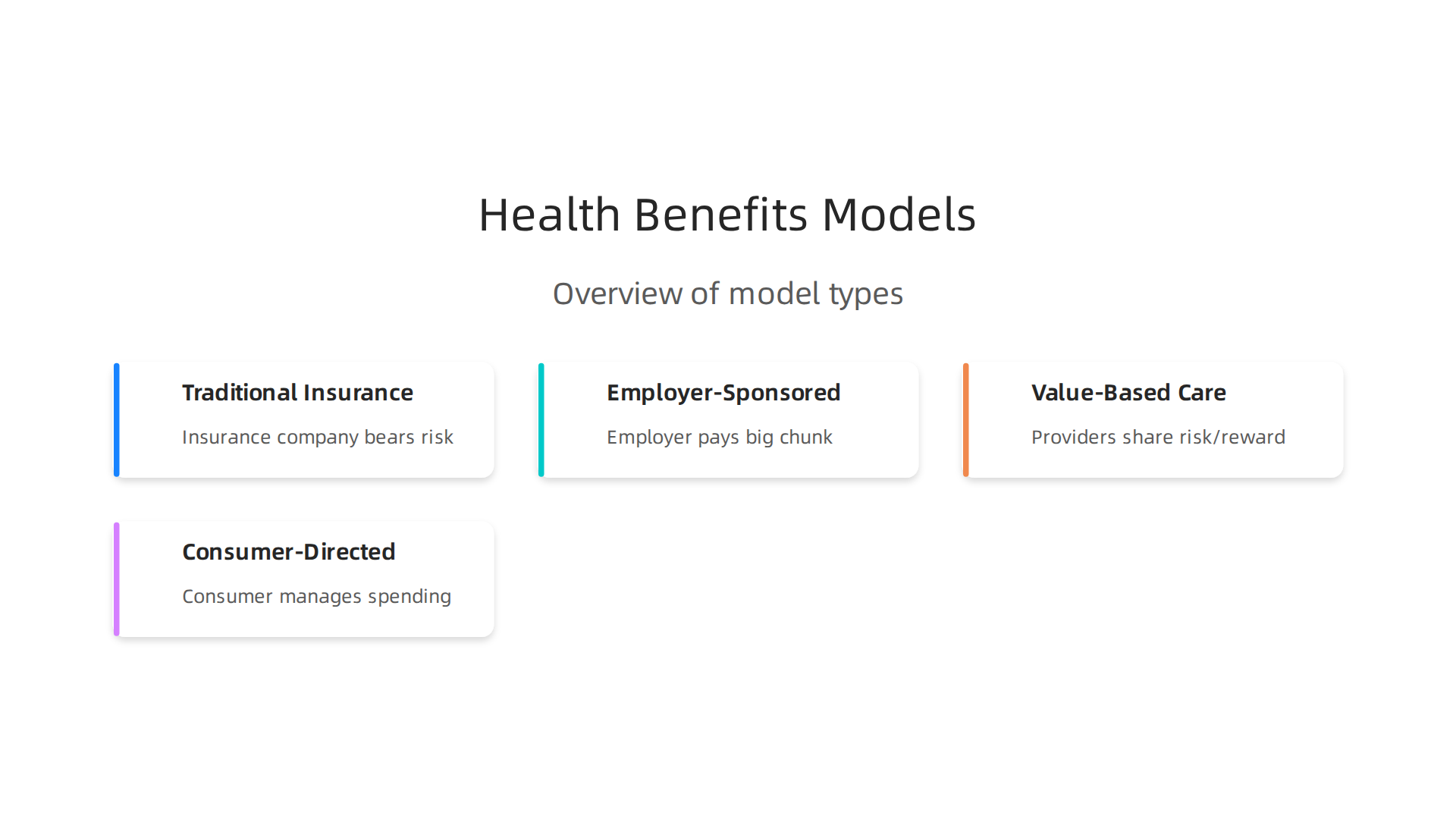
Traditional Insurance Model
This is the kind of health benefits model many people think of first. In this model, you or your employer pay a regular fee, called a premium, to an insurance company. In return, the insurance company agrees to pay for a part of your medical costs when you get sick or need care.
- Who pays/bears risk: The insurance company takes on most of the financial risk. You pay your premium, and then a set amount (like a copay or deductible) when you get care.
- Who is involved: You (the patient), doctors and hospitals (healthcare providers), and the insurance company.
- What it tries to achieve: To help people get care without huge surprise medical bills and for the insurance company to manage that risk across many members.
Employer-Sponsored Model
This is a very common health benefits model, especially in places like the United States. Here, an employer offers health insurance to its workers as part of their job benefits. The employer usually pays a large part of the premium, making it easier for employees to afford coverage.
- Who pays/bears risk: The employer pays a big chunk of the cost, and the employee pays the rest through payroll deductions. The employer might also share some of the risk if it’s a "self-funded" plan, meaning they pay for care directly instead of through a separate insurance company.
- Who is involved: Employees, their families, the employer, and often a large insurance company or a company that manages the benefits.
- What it tries to achieve: To help companies attract and keep good employees by offering valuable health coverage and to promote a healthy workforce.
Value-Based Care Model
The value-based care model is newer and focuses on paying for health care based on how good the patient outcomes are, not just how many services are provided. It’s about getting better health for patients at a better cost. For example, a hospital might get paid more if their patients recover faster and avoid coming back to the hospital.
- Who pays/bears risk: Health insurers and government programs (like Medicare) typically pay for care. Providers share in the financial risk and reward based on patient health improvements. For example, a 2025 review looked at how these models are being put into practice around the world Global Adoption of Value-Based Health Care Initiatives Within …. Another review found that measuring patient outcomes against costs is key to understanding value in healthcare Value-Based Healthcare Delivery: A Scoping Review – PMC.
- Who is involved: Patients, doctors, hospitals, and health plans all work together with the goal of improving health outcomes.
- What it tries to achieve: To make health care more effective, of higher quality, and more affordable by focusing on what truly helps patients.
Consumer-Directed Health Plan (CDHP)
This health benefits model puts more control and responsibility in the hands of the individual. These plans often have higher deductibles (the amount you pay before insurance starts to help) but come with a special savings account, like a Health Savings Account (HSA) or Health Reimbursement Arrangement (HRA). You can use the money in these accounts to pay for your medical costs.
- Who pays/bears risk: You, the consumer, manage more of your health care spending through your special savings account. Insurance kicks in after your high deductible is met.
- Who is involved: Individuals, their employers (if the plan is employer-sponsored), and the health insurance company.
- What it tries to achieve: To give people more choice and control over their health care spending, encouraging them to be smart about how they use medical services and to save money for future health needs.
Understanding these different kinds of health benefits models is a big step toward making smart choices about your health coverage. Each one has its own way of handling costs, working with doctors, and helping people stay healthy. As technology changes how we get care, like with new digital health tools, these models will keep changing too. Knowing the basics helps you get ready for what’s next. You can also explore more about healthcare technology trends reshaping medicine and patient care in 2026.
Continuing from our look at basic health plans, the employer-sponsored health benefits model stands out as a major way many people get their health coverage. In 2026, companies often think deeply about how to offer the best care to their workers. They use different ways to build these plans, like adjusting who can be seen for care and adding programs to help people stay healthy.
How Employers Design Health Plans
Employers don’t just pick a plan off a shelf. They use several "design levers" to make a health benefits model that fits their company and workers.
- Coverage Levels: Employers often offer different levels of coverage, called tiers. For example, there might be a plan just for one employee, a plan for an employee and their spouse, or a plan that covers the whole family. These choices help employees pick what they need most.
- Doctor Networks: Another big choice is the network of doctors and hospitals. Some plans, like an HMO, mean you have to pick doctors within a certain group. Other plans, like a PPO, give you more freedom to choose but might cost more if you go outside the network. Choosing the right network helps make sure employees can see the doctors they trust.
- Wellness Programs: Many employers offer special programs to help employees stay healthy. These "wellness incentives" might include discounts for gym memberships, classes on healthy eating, or rewards for getting health screenings. The goal is to keep workers feeling good, which can lower overall healthcare costs.
How Employers Choose Plans and Partners
Deciding on the right health benefits model is a big job for employers. They often work with experts like insurance brokers or benefits consultants. These experts help employers look at different options, compare costs, and make sure the plans meet all the rules and laws. Employers also think about what their employees need and want from their health coverage. This process is about finding the best fit for everyone, balancing costs with good quality care.
Sometimes, instead of buying insurance from a big company, employers choose to "self-fund" their health plans. This means the employer pays for their employees’ medical care directly, rather than paying a set premium to an insurance company. While this can offer more control, it also means the employer takes on more risk. To help manage this, many self-funded plans buy something called "stop-loss coverage," which acts like a backup insurance for very high claims, as explained in a 2026 webinar on self-insured group health plans Webinar — Self-Insured Group Health Plans: Key Benefits Compliance ….
The Health Plan Vendor Ecosystem
Behind every employer-sponsored health plan is a whole team of companies and services that make it work. This group is called the "vendor ecosystem."
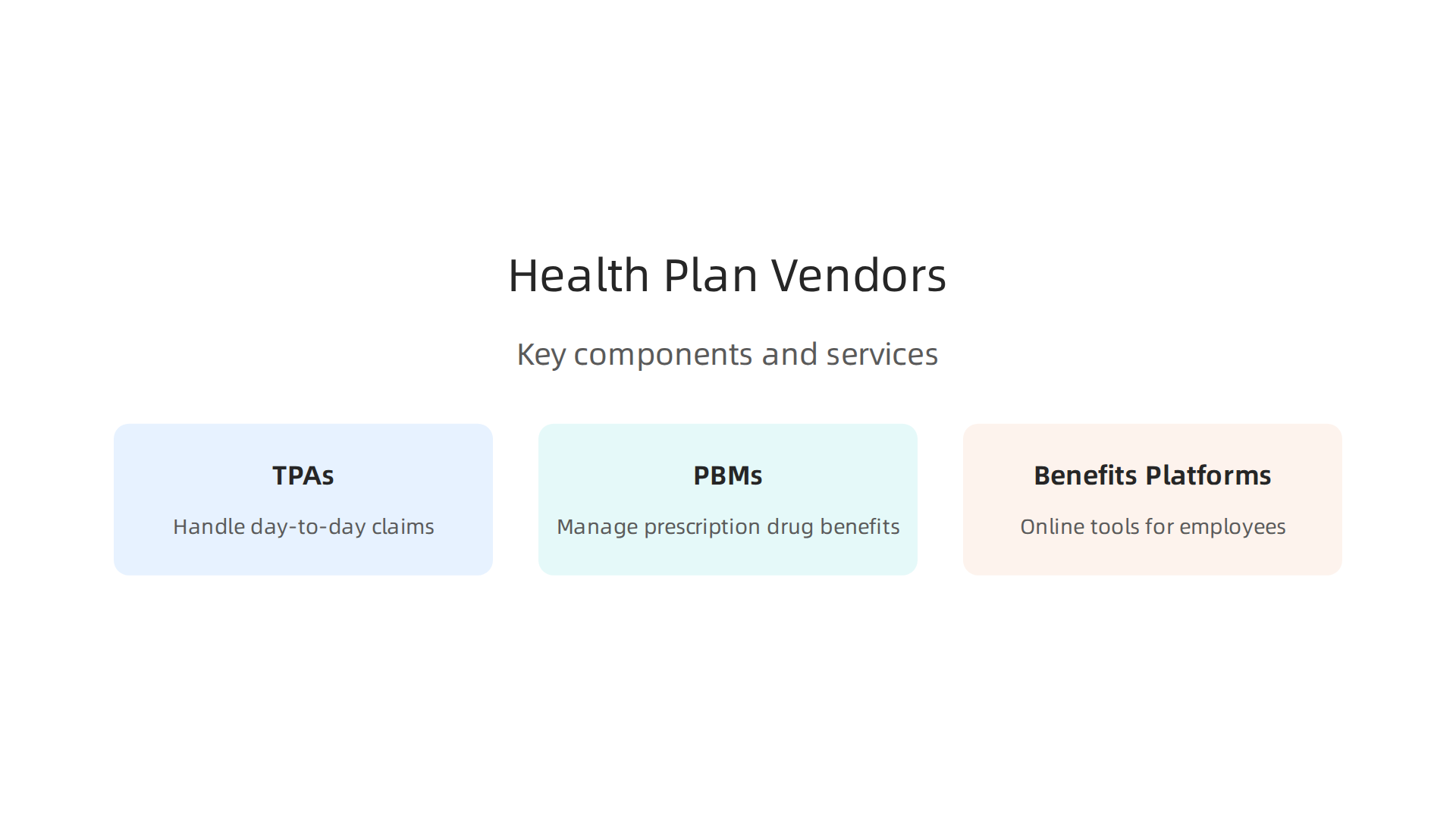
- Third-Party Administrators (TPAs): For self-funded employers, TPAs are key. They handle all the day-to-day tasks of running a health plan, like processing medical claims and sending out payments. This frees up the employer to focus on their main business.
- Pharmacy Benefit Managers (PBMs): These companies manage prescription drug benefits. They work to get good prices on medicines and create lists of covered drugs.
- Benefits Platforms: These are online tools and software that help employees understand their health benefits model, compare different plans, and enroll in the ones they choose. They make it easier for employees to manage their health coverage.
Bringing New Digital Health Tools On Board
In 2026, many new digital health products are coming out, like apps for mental health or virtual doctor visits. Getting these new tools to work smoothly with employer-sponsored plans can be tricky. One big challenge is making sure that patient health information stays private and safe. Employers offering health plans must follow strict rules, like those from HIPAA, especially when dealing with protected health information (PHI) Employer-Sponsored Health Plans Are HIPAA Covered …. For instance, self-insured group health plans need to make sure they are up-to-date with HIPAA rules in 2026 HIPAA Compliance for Self-Insured Group Health Plans – 2026 Update. This often means reviewing their privacy rules and having a risk management plan in place.
Another challenge is getting employees to actually use these digital health tools. Employers need to choose solutions that are easy to use and truly helpful. Integrating new technology often requires careful planning to ensure it works with existing systems and adds real value to the health benefits model. Understanding how an insurance broker helps health tech companies navigate rising 2026 costs can also shed light on managing the financial aspects of these integrations.
As technology keeps changing, so will the ways employers offer health benefits. Staying on top of these trends is very important for both employers and employees to make smart choices about health care. If you want to dive deeper into how technology is shaping healthcare, consider getting clear daily AI updates.
The AI Newsletter Worth Reading
In today’s fast-changing world of healthcare, there’s a growing focus on "value." This means health care providers are paid based on how well they care for patients, not just how many services they provide. This idea is called a value-based health benefits model, and it’s becoming a major trend for making health care better and more affordable in 2026. Instead of getting paid for each test or visit, doctors and hospitals get paid for helping patients get healthy and stay healthy.

Common Ways Value-Based Care Works
Value-based care uses different ways to pay for services. Here are some of the main ones:
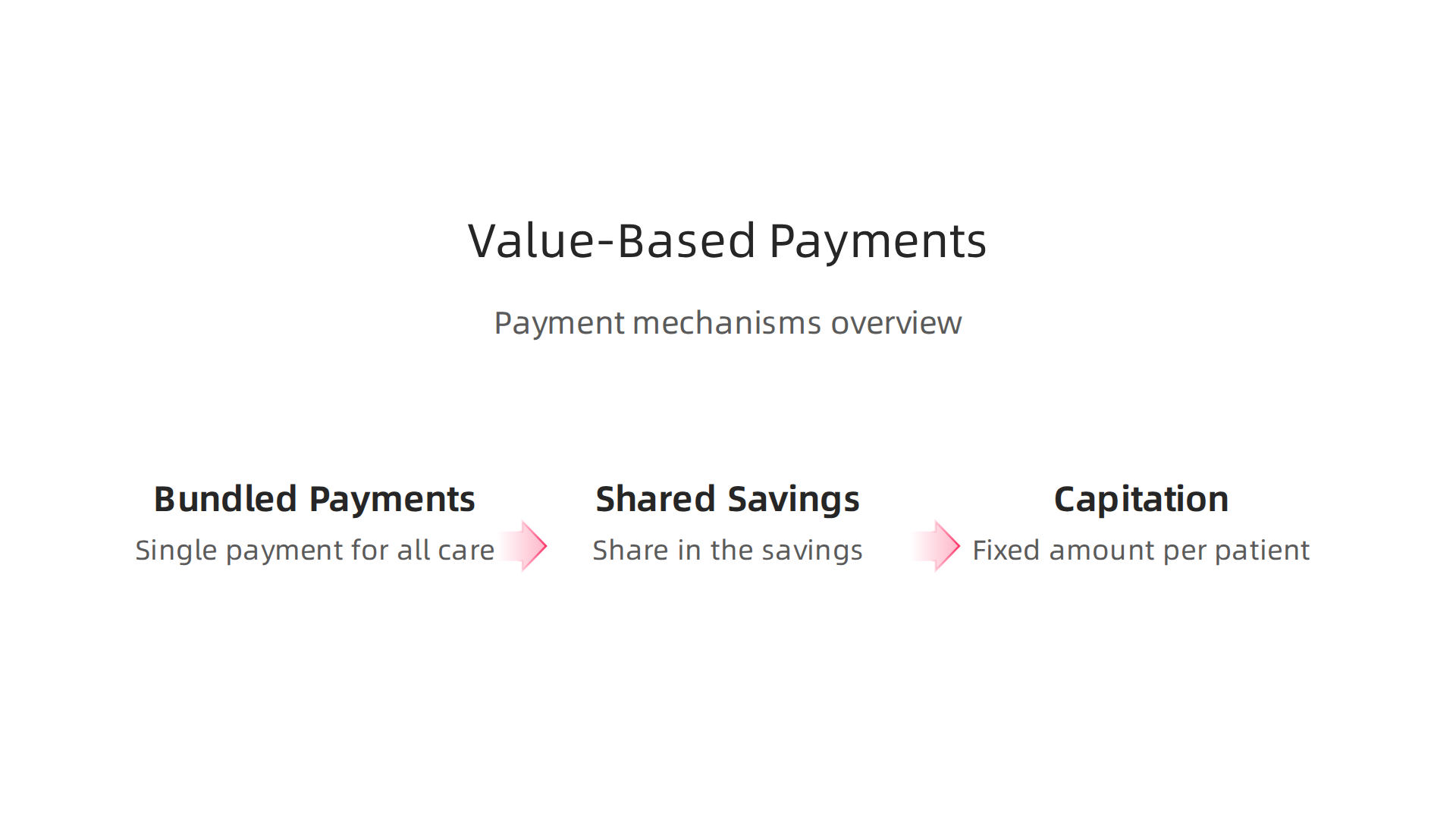
- Bundled Payments: Imagine getting one price for a whole trip. Bundled payments work similarly. Healthcare providers get a single payment for all the care a patient needs for a specific illness or procedure, like a knee surgery. This encourages them to work together to provide efficient, high-quality care to keep costs down and get good results.
- Shared Savings: In this model, doctors and hospitals work to save money while keeping patients healthy. If they spend less than a set amount for a group of patients and still meet quality goals, they get to share in the savings. This is like a bonus for being efficient and effective.
- Capitation: With capitation, providers receive a fixed amount of money per patient over a certain time, no matter how many services that patient uses. This pushes providers to focus on preventing illness and managing chronic conditions well, so patients need fewer expensive treatments down the line. It’s a different way to think about medical insurance payments.
These payment methods also tie into how doctors measure success. They look at important things like patient health outcomes. This includes how fast patients recover, if their symptoms get better, and if they avoid needing to go back to the hospital. Thinking about these measures helps everyone involved focus on what truly matters: the patient’s well-being.
What the Research Tells Us About Value-Based Care
Many studies have looked at how value-based care changes health care. Globally, more health systems are adopting these approaches in 2026 to improve care Global Adoption of Value-Based Health Care Initiatives Within …. Research suggests that value-based payment plans can lead to better care quality and may help control costs over time. For example, some programs have been linked to better quality processes and lower spending, especially when the programs are designed to be strong and clear Value-based purchasing design and effect: a systematic ….
These models encourage doctors and hospitals to work more closely together. A review of studies showed that value-based healthcare can lead to better teamwork among different health care professionals and more focus on what patients need Transforming Healthcare: A Scoping Review of the …. However, it’s not always a perfect solution. There are still some gaps in our understanding, for instance, how well value-based care supports patient-centered care in every situation Does value-based healthcare support patient-centred care ….
Overall, the shift towards a value-based health benefits model is about making health care more effective and focused on patients’ actual health. It’s about getting the best outcomes for the money spent, encouraging healthcare providers to give the highest quality care. To learn more about how health systems can perform better with new approaches, you might find information on The Unified Operational Playbook Elevates Health System Performance For 2026 helpful.
The move towards a value-based health benefits model means health care is changing to focus on patient health. This also means new ways for consumers to be more involved in their health care choices. These are called consumer-directed plans. They give people more power over their health spending and choices, but also more responsibility.
Consumer-Directed Plans & Benefit Design: HSAs, Narrow Networks, and Engagement Tactics
In 2026, many people are looking at plans that put consumers more in charge. These plans often come with special tools and designs.
- Health Savings Accounts (HSAs): Think of an HSA as a special savings account just for health care. You can put money into it before taxes, and it can grow over time. You use this money to pay for medical costs that your health insurance plan does not cover right away, like your deductible. HSAs are usually paired with high-deductible health plans, which have lower monthly costs but mean you pay more out-of-pocket before your insurance kicks in. The popularity of these accounts has steadily grown over the past 15 years HSA Adoption Has Steadily Grown Over the Past 15 Years. This type of health benefits model encourages people to think more carefully about how they spend their health care dollars.

- Narrow Networks: These plans limit the doctors and hospitals you can visit to a smaller group. By doing this, health plans can sometimes offer lower monthly costs. The doctors and hospitals in these networks often agree to lower prices, which helps keep overall costs down for the plan members. It’s a way for companies offering supplemental medical insurance to manage costs while providing coverage.
- Engagement Tactics: These are different ways to help people make smart health care choices. This could be through online tools that show you how much a procedure costs at different places, or programs that reward you for living a healthy lifestyle. The idea is to give you information and support so you can pick the best care for your money.
While these plans give consumers more control, they also shift more of the cost and decision-making to individuals. This can be great for some, but it can also lead to concerns about fairness and access. People with less money or those who are not as good at understanding complex health information might find it harder to get the care they need. Research suggests that consumer-directed health care enrollment is often higher among healthier and higher-income individuals Consumer-Directed Health Care: Will It Improve … – PMC – NIH. This means some people might reduce how much they use healthcare services, even necessary ones, to save money.
Understanding your options is key to choosing your best health benefits model. If you’re looking for insights into how different types of plans work or how technology is changing the insurance landscape, you might find our article on technology trends transforming private health insurance plans in 2026 helpful.
For those keen on staying informed about all the rapid changes in health technology, including new trends in health benefits models and more, you’ll want to check out The AI Newsletter Worth Reading.
5) Technology’s Role: Data, Interoperability, and AI in Benefits Management
Building on the idea of smarter choices, technology has become super important in how we manage and use health benefits today. In 2026, tech tools help everyone, from big insurance companies to individual people, understand and get the most out of their health benefits model.
One big part of this is data analytics. This means using health information to understand different groups of people. For example, knowing which groups might need more care helps insurance companies plan better. It also helps them guess future costs more accurately. This way, they can offer plans that fit different needs and budgets. Also, these insights help in guiding members to better health choices, making sure they get the right care at the right time. Research shows that advanced technologies are helping employers invest in digital platforms, virtual care, and AI tools to improve benefits access and preventive care Employee Benefits Technology – 2026 Market Trends Report.
Next is interoperability standards. This is about making sure all the different computer systems in healthcare can talk to each other. Think of it like different phone brands being able to call each other. When patient records, claims information, and doctor’s notes can be easily shared, it makes the whole process smoother. This helps reduce mistakes, speed up care, and give a full picture of a person’s health. Better data sharing helps health plans work more efficiently. If you’re interested in how health systems are making their data work together, you might like our article on public health data standards building smarter systems for 2026.
Artificial Intelligence (AI) also plays a big role in managing benefits. AI can help predict who might get sick or need certain treatments, allowing health plans to offer help before problems get too big. It can also make talking with your health plan easier, like using chatbots to answer questions about your coverage or finding the right doctor. AI helps make benefits administration smoother, from signing up to handling claims. In fact, many health plans are quickly adopting AI. To learn more about this trend, check out why 94 of health plans are adopting AI in health insurance in 2026.
But there are challenges, too. Getting all these smart technologies to work together with old computer systems, like those for Electronic Health Records (EHRs) and claims, can be tricky. It’s like trying to connect a brand new smart TV to a very old VCR. Companies that buy health tech tools, often called procurement teams, need to make sure new systems can easily connect with what they already have. This ensures that new tech truly helps, rather than causing more headaches.
Overall, technology is changing the health benefits model by making it more personal, efficient, and easier to understand for everyone involved.
As technology makes health benefits easier to use, there’s another very important side to managing them: the rules. In 2026, leaders need to know all about regulations, how to follow them, and how to pay for everything. This helps keep the whole health benefits model fair and safe for everyone.
Rules and Privacy
First up are the rules that protect people’s health information. The main one is HIPAA, which stands for the Health Insurance Portability and Accountability Act. It makes sure that private health information stays private.

For employers who offer health plans, especially those that pay for claims themselves (called self-insured plans), following HIPAA is a must. They need to protect all electronic health information Employer-Sponsored Health Plans Are HIPAA Covered.
This means companies must do a careful check of any risks to health data and then make a plan to manage those risks. Also, they need to update and share a document called the Notice of Privacy Practices by specific dates, like February 16, 2026 Update and Distribute HIPAA Notice of Privacy Practices by February 16. If a company has a self-insured health plan, it usually needs to follow HIPAA rules very closely. Some experts suggest appointing a Privacy Officer and a Security Officer to make sure all these rules are met HIPAA Compliance in 5 Steps for Self-Insured Health Plans.
Beyond privacy, there are also rules about how doctors and hospitals get paid (reimbursement rules) and what information health plans need to report to the government. These rules can be complex, and leaders must stay informed about them. For example, there are rules about how health plans handle price transparency and "gag clauses," which stop them from sharing certain cost information. Employers need to make sure they follow these rules too. If you are a health tech company, understanding specific rules like the Texas Medical Board Regulations 2026 Every Health Tech Company Must Follow is key.
Paying for Health Benefits
Another big part of managing a health benefits model is how it’s paid for.
- Self-insured employers: Some companies choose to pay for their employees’ healthcare costs directly instead of buying a set health insurance plan from a big insurance company like Star Health Insurance. This is called self-insuring. It can save money if employees don’t have many big health issues, but it also means the company takes on more risk if someone gets very sick.
- Stop-loss insurance: To protect themselves from huge medical bills, almost all self-insured employers buy what’s called stop-loss insurance. This is like a safety net. It kicks in and pays the bills once a certain cost limit is reached, protecting the company from financial ruin if an employee has a very expensive illness or accident. Stop-loss insurance helps manage the risk when a company decides to self-insure. You can learn more about how stop-loss insurance works for self-funded plans in a helpful video on Self-Insured Group Health Plans: Key Benefits Compliance.
- Reinsurance: Larger insurance companies or payers sometimes use reinsurance. This is when one insurance company buys insurance from another insurance company to protect itself from very large or many claims.
- Capital considerations: For the big insurance companies, they also need to think about having enough money (capital) to pay out all the claims their members might make. This is a big part of how the best insurance companies operate to stay strong and reliable.
Understanding these rules and how health benefits are financed is very important for leaders. It helps them offer good care while keeping costs steady and following the law.
Staying informed about the latest trends in healthcare, including AI’s role, is vital for all health tech leaders. To get clear daily AI updates, consider subscribing to The AI Newsletter Worth Reading.
Putting new health benefits models into action is the next big step after understanding all the rules and how to pay for things. This means choosing the right tools, testing them out, and making sure everyone involved is ready for the changes.
Getting Started: Choosing and Testing New Benefits
First, companies need to carefully pick new health technology and partners. This is called procurement. It’s like shopping for the best fit for your team and your goals. In 2026, many companies are looking at digital health tools and technology for employee benefits to help manage costs and make things easier for everyone Employee Benefits Technology – 2026 Market Trends Report.
Once a company picks a new tool or program for its health benefits model, it often runs a "pilot" program. A pilot is a small test to see if the new idea works well before rolling it out to everyone.
- Pilot Design: When setting up a pilot, you need clear goals. What do you want to achieve? Maybe you want to see if a new app helps people find doctors more easily, or if a different type of supplemental medical insurance saves money. Many health systems are embracing innovative healthcare technology trends that reshape medicine and patient care.
- Contracting: Even for a small test, you need proper agreements. These contracts make sure everyone knows their part and what to expect.
- Measuring Success: It’s super important to know if the pilot worked. You need to gather information and see if your goals were met. Did the new program save money? Did employees like it more? Reviews often show that putting new health care ideas into practice means looking closely at how well things work Transforming Healthcare: A Scoping Review of the … – PMC.
Avoiding Common Problems
Even with the best plans, new programs can hit bumps in the road. Here are some common problems and how to avoid them:
- Data Quality: Good information is key. If the data used by your new health benefits model is messy or wrong, the program won’t work as it should. Make sure your data is clean and correct from the start.
- Getting Everyone on Board: People don’t always like change. It’s important that leaders, employees, and doctors all understand why a new program is being adopted and how it will help them. This is called stakeholder alignment.

When everyone is on the same page, change goes much more smoothly. Digital health, including AI, is changing how employees manage their health, and getting everyone aligned is important for its success Digital Health and AI: Ushering in a New Era of Employee ….
- Provider Workflows: Think about how doctors and nurses do their jobs every day. Will the new health benefits model make their work harder or easier? It’s important to fit new technology into their routines smoothly. A good unified operational playbook elevates health system performance for 2026 by planning for these changes.
By carefully planning for procurement, running smart pilot programs, and heading off common issues, companies can successfully bring in new health benefits models. This helps them offer better care and make things simpler for everyone.
Summary
This article explains why understanding the health benefits model matters in 2026 and walks readers through the options, players, rules, and steps needed to choose and implement the right plan. It breaks down main models—traditional insurance, employer-sponsored, value-based care, and consumer-directed plans—and shows how each allocates risk, who’s involved, and what outcomes they aim for. The piece also covers how employers design benefits (coverage tiers, networks, wellness), the vendor ecosystem (TPAs, PBMs, platforms), and financing choices like self-funding and stop-loss. Technology is highlighted as a major driver—data analytics, interoperability standards, and AI change how plans are managed and measured—alongside the privacy and regulatory work required to comply with HIPAA and reporting rules. Finally, readers get practical guidance on procurement, running pilots, measuring success, and avoiding common pitfalls so they can make more confident, cost-aware benefits decisions for employees or themselves.