


Why Medicare Part D policy matters for health tech leaders in 2026
For people leading health tech companies, understanding Medicare Part D policy is super important in 2026. Things are changing fast, and these changes affect how digital health tools and services work with older adults. Recent updates to Medicare rules and how they are managed are reshaping the entire landscape for prescription drug coverage. This creates both challenges and new chances for digital health platforms and the companies that build them.
Actually, the Centers for Medicare & Medicaid Services (CMS) has put out new rules for 2026 that modernize Medicare Advantage and Medicare Part D plans.
These rules bring important changes to how prescription drug benefits work for millions of people Contract Year 2026 Policy and Technical Changes to the…. For example, a big change for 2026 is a new limit on how much money people will have to pay out of their own pocket for prescription drugs. This limit is set at $2,100 for the year Fact sheet – Your Medicare in 2026: What You Need to Know.
These new rules are not just for insurance companies. They also touch on how your digital health platforms connect with patient care, especially when it comes to getting medicines. Leaders in health technology must pay close attention to this

Medicare Policy and its Impact on Healthcare Systems. Making sense of these policy changes can be tricky, but it’s key for ensuring your products and services stay useful and compliant.
This article will break down the basic Medicare Part D policy changes. We will look at what these new rules mean for digital health platforms and how they affect how these platforms work every day. You will also find simple steps and tips for both companies that sell health tech tools and those that buy them. We aim to help you navigate these important changes in 2026. Understanding these shifts is vital for all healthcare software companies navigating the 2026 health tech market. It’s all part of the larger healthcare technology trends 2026 reshape medicine and patient care.
To stay on top of all the latest changes in AI and technology that are shaping healthcare, you might want to consider subscribing. Get clear daily AI updates from The AI Newsletter Worth Reading.
Medicare Part D: Core Policy Architecture That Matters to Platforms
Understanding the structure of Medicare Part D is like looking at the blueprint for prescription drug coverage for many older adults. These medicare part d plans are not directly run by the government. Instead, private insurance companies offer them, much like how other types of health plans work. The Centers for Medicare & Medicaid Services (CMS) sets the rules and keeps an eye on these plans. They make sure the private companies follow all the necessary guidelines Final CY 2026 Part D Redesign Program Instructions. This oversight is a big part of how these plans work for millions of people.
These private companies that offer medicare part d plans are called "plan sponsors." They create a list of covered drugs, which is known as a "formulary." This formulary tells you which medicines the plan will help pay for. CMS has rules about what drugs must be on these lists. For example, there are "protected classes" of drugs, which are very important medicines used to treat certain serious conditions, like cancer or mental health issues. Plans must cover nearly all drugs in these protected classes, making sure people can get the critical medicines they need. This also helps ensure that plan designs do not discourage certain patients from enrolling Federal Register Medicare Part D Formulary Structure.
For health tech platforms, knowing these details is key. Your digital tools must be able to handle how patients pay for their medicines through different stages of coverage. These stages are known as "coverage phases." Here’s how they generally work:
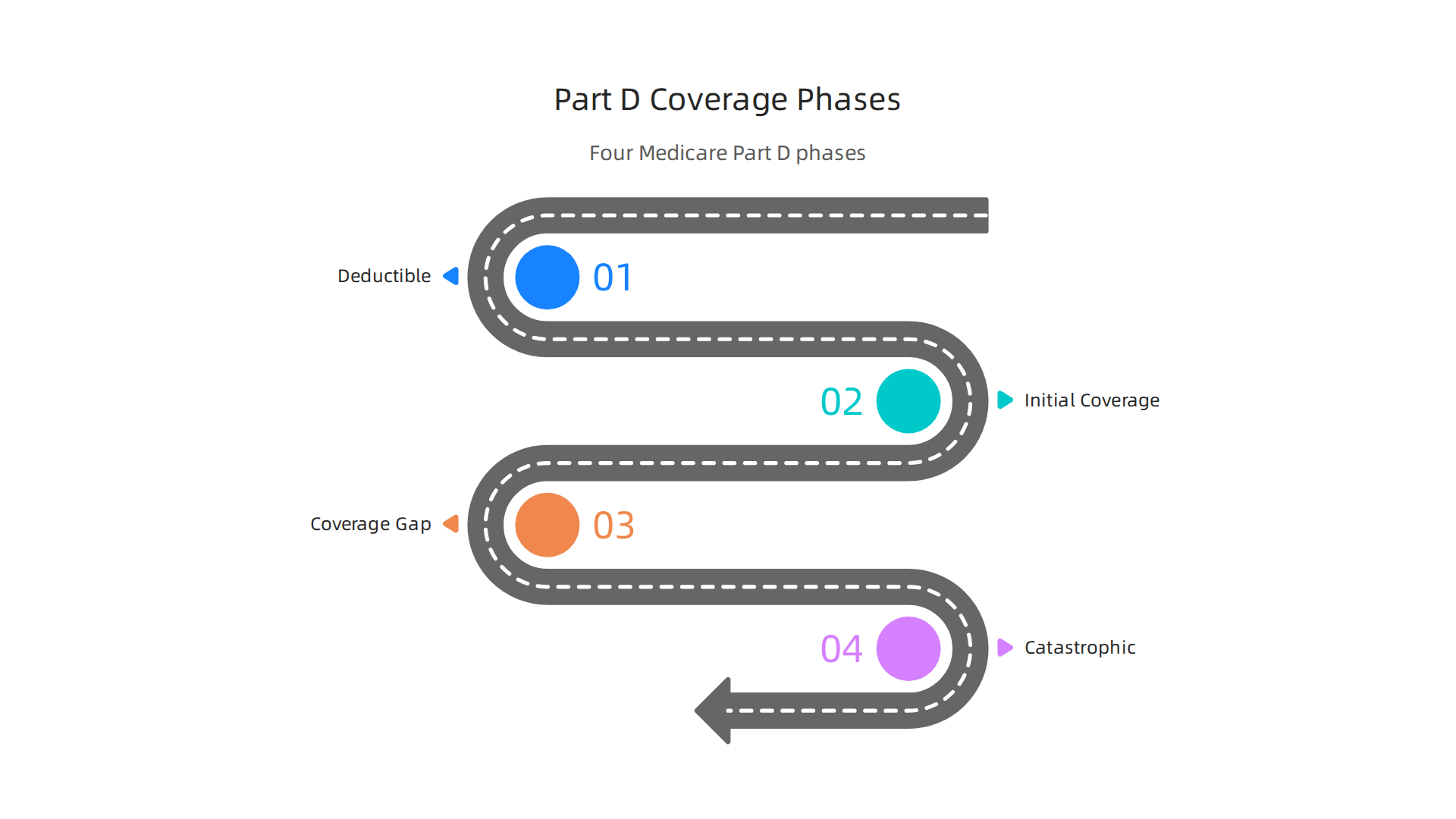
- Deductible Phase: This is the first amount of money you have to pay for your drugs each year before your plan starts to help. For 2026, the standard deductible is $615, up from $590 in 2025 The 2026 Medicare Part D Redesign Updates Agents Should Know.
- Initial Coverage Phase: After you meet your deductible, your plan starts to pay a share of your drug costs, and you pay a smaller copay or coinsurance.
- Coverage Gap (Donut Hole): This used to be a time when you paid a lot more for your drugs. Now, you usually pay 25% of the cost for most brand-name and generic drugs until you reach the catastrophic phase.
- Catastrophic Coverage Phase: Once you’ve spent a certain amount out of your own pocket, you only pay a very small amount, or sometimes nothing at all, for your drugs. As mentioned earlier, for 2026, this out-of-pocket limit is set at $2,100.
Another vital part of Medicare Policy and its Impact on Healthcare Systems is the Low-Income Subsidy (LIS). This program helps people with lower incomes pay their Part D premiums and drug costs. Digital health platforms must be built to recognize these different patient situations to give accurate cost estimates and support.
These policy rules mean that digital health platforms need to be smart about tracking prescription benefits. They must help users understand their current spending, predict future costs, and manage their medicines through these different coverage phases. This includes making sure tools are ready for changes in things like how vaccines are covered. Starting in 2026, Part D plans must provide $0 cost-sharing for all adult vaccines recommended by a special committee called ACIP Key Provisions: 2026 Medicare Advantage & Part D Final Rule. Keeping up with these updates helps health tech leaders ensure their products offer the best support for patients. It’s all part of dealing with the complex Medicare Policy and Healthcare Technology Implications.
Enrollment, Eligibility, and Member Data: Implications for Identity and Enrollment Flows
After understanding how Medicare Part D plans work, it’s just as important to know who can sign up and when. For health tech platforms, getting this right is key for smooth user experiences.

These platforms need to handle how people enroll and manage their health information correctly.
Who Can Join Medicare Part D?
To get a medicare part d plan, a person must first have Medicare Part A (hospital insurance) and/or Medicare Part B (medical insurance). They also need to live in the service area of the plan they want to join. This means where they live has to be covered by that specific plan.
People can only sign up for or switch medicare part d plans during certain times of the year. The most common time is the Annual Enrollment Period, which happens every fall. But sometimes, people can enroll at other times. This is called a Special Enrollment Period (SEP).
Special Enrollment Periods (SEPs)
Special Enrollment Periods are very important. They allow people to change their Medicare Part D coverage outside of the regular enrollment time. These periods happen when someone has a special life event, like:
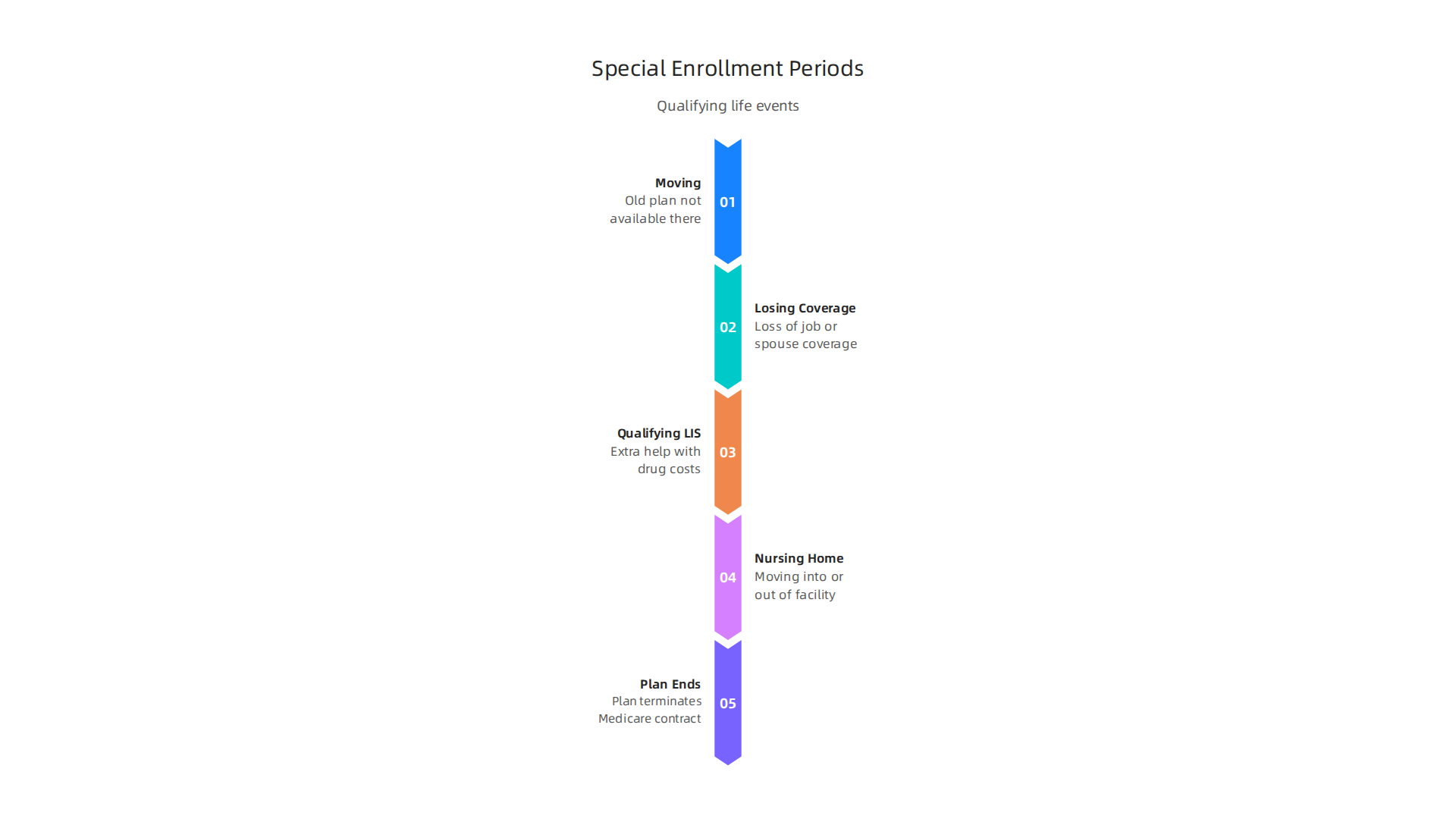
- Moving to a new area where their old plan doesn’t work.
- Losing other creditable drug coverage, such as from a job or a spouse.
- Qualifying for the Low-Income Subsidy (LIS), which helps with costs.
- Moving into or out of a nursing home.
- When a plan ends its contract with Medicare.
Health tech platforms must be ready for these SEPs. They need to have smart logic to figure out if a user qualifies for an SEP and then guide them through the right steps. This is part of ensuring the platform reflects the latest Medicare Policy and its Impact on Healthcare Systems. Incorrect information could mean someone misses out on important coverage.
Data Sharing and Identity Checks
When people sign up for medicare part d plans, health tech platforms often need to check their identity and share certain data. This makes sure the right person is getting the right benefits. However, there are strict rules about keeping personal health information private. Platforms must follow all privacy laws and make sure data is shared safely.
This means building secure systems that can talk to different parts of Medicare and private insurance companies. It’s a big part of dealing with public health data standards in 2026. The goal is to make enrollment easy for users while keeping their information protected.
Low-Income Subsidy (LIS) Flags
Remember the Low-Income Subsidy (LIS) mentioned earlier? This program helps people with lower incomes pay for their Part D costs. When someone qualifies for LIS, it changes how much they pay for premiums and medicines.
For health tech platforms, recognizing LIS status is critical. An LIS "flag" in a user’s profile tells the platform to show different plan options and cost estimates. This helps users find the most affordable medicare part d plans and benefits. Without this feature, a platform might show higher costs, which could discourage people who need the most help. This shows how crucial it is for platforms to be smart about Medicare Policy and Healthcare Technology Implications.
Getting enrollment and eligibility details right is a big job for health tech. It means understanding all the rules, making sure data is safe, and helping people find the right coverage easily.
Get clear daily AI updates from The AI Newsletter Worth Reading.
Getting enrollment and eligibility details right is a big job for health tech. It means understanding all the rules, making sure data is safe, and helping people find the right coverage easily. But finding the right coverage also means knowing which medicines are covered and how much they will cost. This is where plan design, drug lists (formularies), and special rules for medicines come in.
Plan Design, Formularies, and Clinical Rules: What Platforms Must Model
Once someone is enrolled in medicare part d plans, they need to understand how their plan handles their medicines. Each Medicare Part D plan has a "formulary." This is simply a list of all the prescription drugs the plan agrees to cover. Think of it like a menu for medicines. Health tech platforms must be able to show these lists clearly to users.
Understanding Formulary Tiers
Most formularies divide drugs into different "tiers," which are like groups. Each tier has a different cost-sharing level.
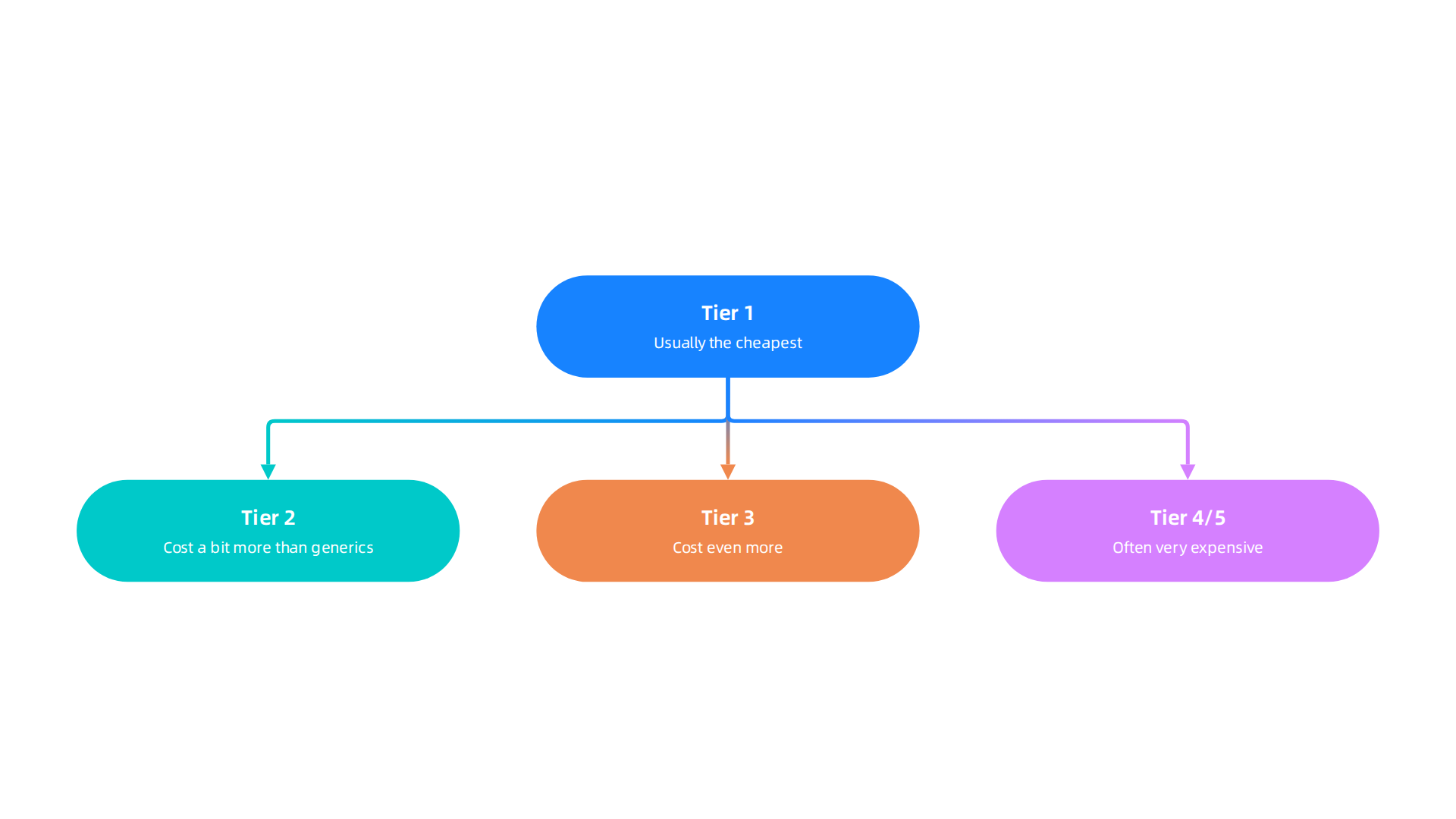
- Tier 1: Generic Drugs. These are usually the cheapest.
- Tier 2: Preferred Brand-Name Drugs. These cost a bit more than generics.
- Tier 3: Non-Preferred Brand-Name Drugs. These cost even more.
- Tier 4/5: Specialty Drugs. These are often very expensive drugs for serious conditions.
Knowing which tier a drug falls into helps people understand what they will pay. Health tech platforms must get this tier information right for every drug on every plan. This way, users can quickly compare medicare part d plans and see their expected costs, including the standard 2026 Part D deductible of $615 and the annual out-of-pocket threshold of $2,100, as stated in the 2026 Medicare Part D Redesign Updates Agents Should Know.
Clinical Rules: Prior Authorization and Step Therapy
Besides tiers, many medicare part d plans have special rules called clinical rules. These are put in place to make sure people get the right medicine safely and at a good price.
- Prior Authorization (PA): This means a user needs approval from their plan before they can get a certain drug. Their doctor often has to send in paperwork to explain why that specific medicine is needed. The use of prior authorization for brand drugs continues to increase in 2026 for Part D plans, according to a report on Part D Formulary Management Tightens in 2026. Health tech systems need to guide users through this process and show if a drug needs PA. New rules from CMS in 2026 require quick responses for prior authorization requests, aiming to improve access to health information and the overall process, as noted in the CMS Finalizes Rule to Expand Access to Health.
- Step Therapy: With step therapy, a plan might ask a user to try a less expensive, often generic, drug first. If that drug doesn’t work, then the plan might cover a more expensive option.
For health tech platforms, modeling these rules is vital. It means building smart systems that know which drugs require PA or step therapy and can tell the user. This helps people avoid surprises at the pharmacy and manage their medications better. This ties into the broader challenge of navigating the Healthcare Software Companies Navigating The 2026 Health Tech Market.
Why Accurate Data Matters
Having correct and up-to-date formulary data and clinical rules is hugely important for health tech platforms.
- Medication Management: It helps users understand their treatment plan and stick to it.
- Savings Tools: Platforms can show users cheaper alternatives or how to get approval for a needed drug.
- Decision Support: It helps people choose the best medicare part d plans for their specific medical needs, taking into account changes for 2026 like $0 cost-sharing for adult vaccines.
In 2026, technology plays a big part in making these processes smoother. New standards aim to make sharing information for electronic prior authorization easier. This means prescribers, pharmacies, and plans will use a special electronic format to talk to each other, improving E-Prescribing. Health tech platforms that master these details truly empower users to handle their healthcare with confidence. For a deeper look at how health technology is advancing, explore Healthcare Technology Trends 2026 Reshape Medicine And Patient Care.
Data standards, interoperability, and Part D: the technical landscape
To truly empower users, health tech platforms need more than just showing drug lists and rules. They also need to handle a lot of health information that moves between different systems. This "data exchange" is super important for how medicare part d plans work. It means making sure information about who is covered, what doctors did, and what medicines are needed can travel smoothly and safely. This is where data standards and interoperability come in.
How Health Information Flows
Imagine health data as water in pipes. Data standards are like the special fittings and sizes that make sure all pipes connect without leaks. Interoperability means the water flows freely. For medicare part d plans, several kinds of data need to be exchanged:
- Eligibility Data: This checks if someone is allowed to get benefits. It confirms active coverage for a medicare part d plan.
- Claims Data: This is how doctors and pharmacies ask to be paid for their services and medicines.
- Formulary and Prior Authorization Data: This tells everyone what drugs are covered and if special approval is needed.
To handle these different types of information, health tech uses special languages or "standards." For example, the NCPDP SCRIPT standard is widely used for sending electronic prescriptions and, more recently in 2026, for electronic prior authorization requests for covered Part D drugs, as explained in an article about Interoperability Standards and Prior Authorization f. This standard helps pharmacies, doctors, and plans all speak the same language. For other kinds of health data, like general patient information, the FHIR (Fast Healthcare Interoperability Resources) standard is becoming very important. It’s like a modern, flexible way to share health records. You can learn more about these standards in an Overview of the 2026 CMS Interoperability Standards.
Facing the Technical Challenges
Even with these standards, getting health data to work perfectly isn’t always easy. Health tech engineers face some big challenges:
- Timeliness: Formularies and rules for medicare part d plans change often. Keeping all systems updated quickly is a constant race.
- Data Quality: Sometimes, the information isn’t quite right or is entered in different ways. This "normalization" of data is key to making sure everything matches up.
- Canonical Drug Identifiers: Every drug needs a single, clear ID. Without it, different systems might think the same medicine is different, leading to mistakes.
These challenges highlight the complex interaction of Medicare Policy and its Impact on Healthcare Systems. Ensuring that health tech can keep up with these changes and complexities is a core part of advancing healthcare technology. For a deeper understanding of building robust health systems, consider exploring public health data standards.
Making sense of all this data is a big task. That’s why many health plans are looking to new tools like AI to help manage information and make better decisions.
Get clear daily AI updates from The AI Newsletter Worth Reading.
Making sense of all this data is a big task. That’s why many health plans are looking to new tools like AI to help manage information and make better decisions. But beyond clever technology, health tech platforms must also meet strict rules about keeping patient data safe and working well with other systems.
Platform requirements: security, compliance, and integration patterns
For any health tech platform, especially one dealing with sensitive information for medicare part d plans, following the rules is not just good practice, it’s the law. These platforms must keep patient information private and secure, and they need to be able to connect smoothly with many different healthcare systems.
Keeping Patient Data Safe and Private
The most important rule for protecting patient health information in the United States is HIPAA (Health Insurance Portability and Accountability Act). This law makes sure that Protected Health Information (PHI) is handled with great care. PHI includes things like a patient’s name, address, medical records, and details about their health insurance plan.
Health tech companies and others working with PHI must:
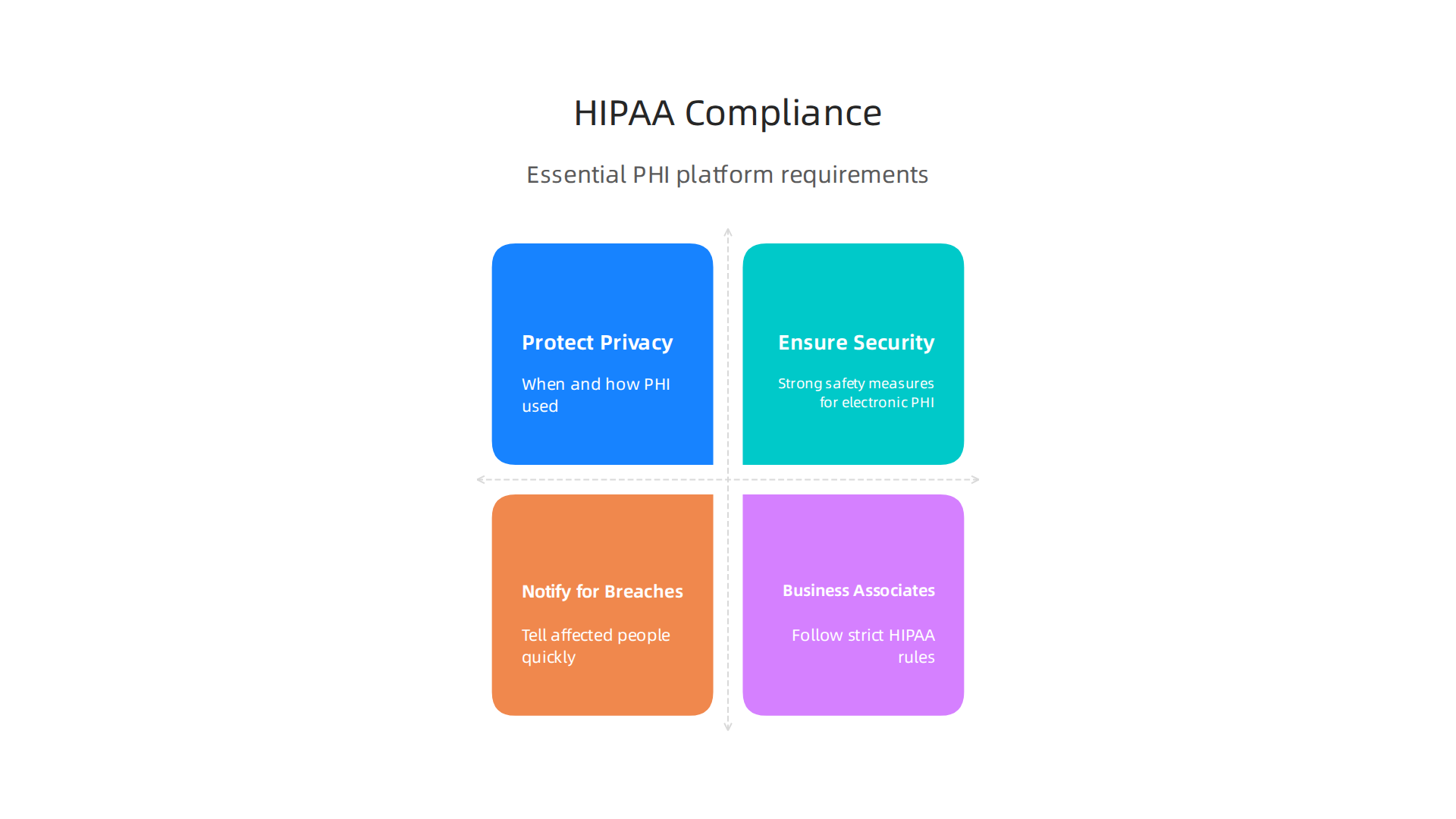
- Protect Privacy: Decide when and how PHI can be used or shared, making sure patients have rights over their own information. The HIPAA Privacy Rule guides these actions.
- Ensure Security: Put strong safety measures in place to protect electronic PHI (ePHI). This means having administrative, physical, and technical safeguards. For example, pharmacies have specific HIPAA compliance needs in 2026.
- Notify for Breaches: If there’s a data leak, they must tell affected people quickly.
- Work with Business Associates: When health tech platforms share PHI with other companies to do their work (like a cloud storage provider), those companies become "Business Associates." They also have to follow strict HIPAA rules to protect the data, as explained by HHS guidance on Business Associates.
All these rules are crucial for maintaining trust and ensuring that health technology supports, rather than harms, patient well-being. This reflects the deep connection between Medicare Policy and its Impact on Healthcare Systems.
How Systems Connect and Work Together
To help people use their medicare part d plans easily, health tech platforms need smart ways to connect with insurance companies and pharmacies. Here are a few common ways these systems are built:
- Real-time Eligibility Checks: Imagine a patient at the pharmacy. The system needs to instantly check if their Part D plan is active and covers their medicine right then. This means the health tech platform connects directly to the plan’s system to get an immediate answer.
- Batch Feeds for Formularies: Insurance plans have long lists of covered drugs called formularies. These lists change often. Instead of checking every time, platforms can get large "batch feeds" of updated formulary data regularly. This way, their systems always have the most current information about what drugs are covered by different medicare part d plans.
- Rules-Engine Approaches: For complex decisions, like whether a certain medicine needs special approval (prior authorization), systems often use a "rules engine." This is like a smart computer program that understands all the rules of a medicare part d plan. When a doctor prescribes a drug, the rules engine quickly checks if it meets all the plan’s conditions. These rules can be very complex, reflecting the many layers of Medicare Policy and Healthcare Technology Implications.
These architectural patterns are key for platforms to manage the ever-changing landscape of healthcare regulations and plan specifics. For those interested in the broader picture of how healthcare technology is evolving, exploring healthcare software companies navigating the 2026 health tech market offers valuable insights. Regular audits also help make sure these systems are always following the rules and protecting patient data.
Following the rules is a big part of healthcare technology. Beyond just connecting systems, these platforms must handle sensitive patient information with the highest care. This means paying close attention to every detail of how Protected Health Information (PHI) is managed.
More on Handling PHI Safely
It’s not enough to just know about HIPAA. Health tech platforms for medicare part d plans must put certain practices in place. One key idea is called data minimization. This means only collecting and using the smallest amount of patient data needed for a task. You should never gather extra information just in case it might be useful later. This helps keep fewer sensitive details at risk, as highlighted in HIPAA Policies for Pharmaceutical Companies.
Every health tech company, especially those working with drug information, needs to follow very specific rules. For example, any business that deals with dispensing drugs must follow HIPAA laws. This applies even to companies based outside the U.S. if they serve U.S. clients electronically, according to Navigating HIPAA Compliance: Pharmaceutical Best Practices.
Even how online tools collect information is watched closely. If tracking technologies access PHI, they must follow all the same rules, ensuring disclosures are allowed by the Privacy Rule, as explained by guidance on Use of Online Tracking Technologies by HIPAA Covered Entities. Pharmacy entities themselves have specific responsibilities for compliance with security elements under state and federal laws, including the rules that protect patient data, as detailed in the Pharmacy Entity Responsibilities from Illinois. For a broader understanding of how all these rules impact the pharmaceutical world, check out HIPAA Pharmacy Compliance: Updates and Best Practices.
Keeping Track and Getting Permission
Two other important best practices for health tech platforms are audit logging and getting proper consent.
- Audit Logging: Think of audit logging as a detailed digital diary. Every time someone accesses, changes, or shares patient data, the system records it. This includes who did what, when, and from where. If there’s ever a question or a problem, these logs can show exactly what happened. This helps to catch mistakes and prevent misuse of information, which is vital for the security of Public Health Data Standards.
- Consent: Patients have the right to know how their health information will be used and shared. Health tech platforms must get clear permission, or consent, from patients for different uses of their data, especially when sharing it with third parties. This permission should be easy to understand and given freely by the patient.
These strict rules and smart practices ensure that as health technology grows, patient trust and safety remain the top priority. Staying up-to-date with these changes is key for anyone involved. To keep learning about how technology is shaping healthcare, consider subscribing to The AI Newsletter Worth Reading. You’ll get clear daily AI updates from The Deep View Newsletter.
Designing member experiences around Part D complexity
Staying up-to-date with health tech changes is truly important for patient trust. This is especially true when we talk about making complex health plans simpler. Take, for example, medicare part d plans. These plans help people pay for their medicines, but they can be very tricky to understand. Health tech platforms need to be designed so that members can easily see how much their drugs will cost. This clarity is not just nice to have; it’s a must.

People need to know their exact out-of-pocket costs before going to the pharmacy.
Platforms should also make it simple to understand why a certain medicine is covered or not. And if a drug is denied, the process for appealing that decision should be very clear. This is part of improving the overall member experience and ensuring that Medicare Policy and its Impact on Healthcare Systems are understood by everyone. Health tech companies must also help people find cheaper medicine options or different drugs that work just as well, without causing problems with compliance. For instance, Part D sponsors and those who hand out drugs must follow specific rules for electronic prescriptions, as outlined by the Department of Health and Human Services. This careful sharing of formulary alternatives helps people save money while following strict rules, like those for HIPAA Compliance for Pharmacies – 2026 Update. These rules cover how patient information is protected and how pharmacies work. This shows the big Medicare Policy and Healthcare Technology Implications that guide how things are done. Different regions, like the ny healthcare marketplace, might have unique aspects, but the core need for clear drug information is the same everywhere. For those wanting to learn more about how to choose the right coverage, exploring guides like Navigating Humana Medicare Plans in 2026 for Smarter Coverage can be very helpful. It’s all about making sure technology makes things easier, not harder, for people relying on these plans. To stay on top of all the exciting changes and deep dives in health technology, including important policy updates, you’ll want to get The AI Newsletter Worth Reading. It gives you clear daily AI updates from The Deep View Newsletter.
Making things easier for people who rely on medicare part d plans takes a lot of careful work behind the scenes. Health technology companies have to deal with many practical issues when working with the groups that offer these plans. These issues include how they agree to work together, how fast information moves, and how they make sure payments are correct.
Operational challenges: contracting, SLAs, and vendor management with Part D payers
One big challenge is making sure that health tech systems and Part D payers follow strict rules for how fast and how well they share information. These are often called Service Level Agreements, or SLAs. For example, when a patient gets a medicine, the health tech system needs to quickly send the claim to the Part D plan. The plan then needs to send back approval or denial information just as fast. If data is slow (we call this "data latency") or has mistakes, it can cause big problems. This can delay medicines for patients or mess up payments. This is a key part of how Medicare Policy and its Impact on Healthcare Systems affects everyday operations.
Another important part is how claims and payments are checked to make sure they match up perfectly. This process, called reconciliation, needs to happen smoothly and often. Any differences must be found and fixed quickly so that everyone gets paid correctly and patients are not surprised by bills.
Then there are the contracts between health tech companies and the Part D plans. These are formal agreements that lay out all the rules. They cover things like what each party is responsible for and what happens if something goes wrong. For instance, in 2026, the use of prior authorization for many brand-name drugs keeps going up. This means patients need approval before getting their medicine more often, which adds another layer of complexity to these agreements and how technology systems must handle them Part D Formulary Management Tightens in 2026. These contract terms also talk about "indemnities." This means who will pay for damages or problems if one party causes issues for the other. It helps protect both the tech company and the plan.
For health tech companies, successfully working with the groups that provide medicare part d plans means understanding these detailed agreements and making sure their technology can handle all the strict rules. This is especially true as the rules and costs for Medicare Part D change. For example, the standard Part D deductible went up to $615 in 2026, which impacts how claims are processed and reconciled. These operational details show the real-world Medicare Policy and Healthcare Technology Implications that health tech leaders face. Learning more about how companies operate in this space can be found by looking into Healthcare Software Companies Navigating the 2026 Health Tech Market. Whether it’s in a big market like the ny healthcare marketplace or a smaller one, these practical challenges are always there.
The changes that affect medicare part d plans are always happening. So, health tech companies need to look ahead to what new rules and technologies might come next. Understanding these future trends helps them get ready.
Policy trajectories and future trends: what to watch in 2026 and beyond
Looking forward, there are some important things to watch for with medicare part d plans. First, new rules from the government are changing how much people have to pay for their medicines. In 2026, there is a new limit on how much money people will pay out-of-pocket for Part D drugs. This limit is set at $2,100 per year for covered prescriptions Fact sheet – Your Medicare in 2026: What You Need to Know. This is a big change that can help many people save money on their medications.
Also, the government has started negotiating prices for some Part D drugs. This means some important medicines will cost less in 2026 because of new laws Medicare Drug Changes Bring Big Savings in 2026. These kinds of big policy changes greatly impact Medicare Policy and Healthcare Technology Implications.
On the technology side, we’ll see more smart tools coming into play.

- AI for Prior Authorization: Remember how prior authorization can be tricky? Artificial intelligence (AI) can help make this process smoother and faster. AI tools can quickly review if a medicine is needed based on a patient’s health records. This can speed up approvals and make sure patients get their medicines sooner. Many health plans are already adopting AI to help with these processes, as outlined in articles like why 94 of health plans are adopting ai in health insurance in 2026.
- Real-time Benefit Checks: Imagine knowing exactly how much your medicine will cost before you even leave the doctor’s office. Technology that does "real-time benefit checks" lets doctors and pharmacists see this information right away. This helps patients choose more affordable options and avoid surprises when they pick up their prescriptions.
For health tech companies and hospitals, this means they need to plan carefully. They should focus on making their systems flexible so they can adapt to new rules quickly. Investing in new tools like AI and real-time checks is smart. This helps them stay ahead and serve patients better. Keeping up with these healthcare technology trends 2026 is very important.
New rules that came out in April 2026 are setting clearer standards for how plans must honor decisions made during prior authorization CMS releases final rule for 2026 Medicare Advantage, …. This means health tech systems need to make sure they follow these rules closely.
If you want to keep up with how AI and technology are changing healthcare, you can get clear daily updates.
Get clear daily AI updates from The AI Newsletter Worth Reading.
Summary
This article explains why the 2026 Medicare Part D policy updates are essential for health tech leaders and digital platforms that serve older adults. It outlines the core Part D architecture — plan sponsors, formularies, coverage phases, and the new financial limits such as the $2,100 out-of-pocket cap and $615 deductible — and shows how those rules change patient cost flows. The piece breaks down enrollment windows and Special Enrollment Periods, the importance of Low-Income Subsidy flags, and the need for accurate member identity and eligibility checks. It then covers how platforms must model formularies, tiers, prior authorization and step therapy rules, and highlights the operational and technical demands around data standards (NCPDP SCRIPT, FHIR), timeliness, and canonical drug identifiers. The article also reviews platform requirements for HIPAA-safe data handling, audit logging, consent, and common integration patterns like real-time checks and batch feeds. Finally, it points to future trends — AI for prior authorization and real-time benefit checks — and gives practical implications for contracting, SLAs, and product design to keep tools compliant and patient-centered.