


Why Lean Six Sigma Still Matters for Healthcare Operations in 2026
In 2026, hospitals and health systems face big challenges. They need to keep costs low, handle more patients, and make sure everyone gets the best care possible. This means they are always looking for ways to make their daily work better and smoother. This is where process improvement ideas, like lean six sigma healthcare, come in handy. These ideas help healthcare organizations find and fix problems in how they do things. By doing so, they can save money, make care faster, and improve how well patients heal.
Today, many new digital tools are changing how we use lean six sigma healthcare. For example, electronic health records (EHRs) can be made better to help doctors and nurses. Special computer programs called Robotic Process Automation (RPA) can do simple, repeated tasks, freeing up staff for more important work. Also, new ways to look at data help us understand exactly where problems are happening. These tools make lean six sigma projects even more powerful. They help healthcare platforms work smarter, letting staff focus on patient care and important allied health tasks. Choosing the right digital tools is key. If you’re an executive or buyer, you need to know how to pick technology that truly helps, not just adds more steps. For example, evaluating new AI tools for procurement requires careful thought about many things, including compliance and integration capabilities AI Vendor Evaluation Checklist for Healthcare Procurement.
This guide will help you understand how traditional lean six sigma ideas work with today’s digital tools.

We will show you how to link these concepts to real-world digital plans. This will help leaders like you make smart choices when buying new healthcare platforms. It will also help you improve how patients experience navigating care. By staying informed about the latest in technology and process improvement, you can make a real difference.
Want to keep up with the fast pace of new technology? The AI Newsletter Worth Reading offers clear daily updates on AI and tech trends that are shaping healthcare. You can also learn more about how to unlock healthcare growth with digital health platforms in 2026.
When hospitals and health systems work to make things better with lean six sigma healthcare, it’s important to know if their efforts are truly helping. Just like when you plant a garden, you want to see if your flowers are growing. For healthcare leaders, this means looking at special numbers, or "metrics," to check if things are getting better.

It also means figuring out if the money spent on changes is coming back as savings or better care.
Key Numbers That Show Improvement
Certain numbers are really good at showing how much lean six sigma healthcare is changing things. These are called operational metrics.
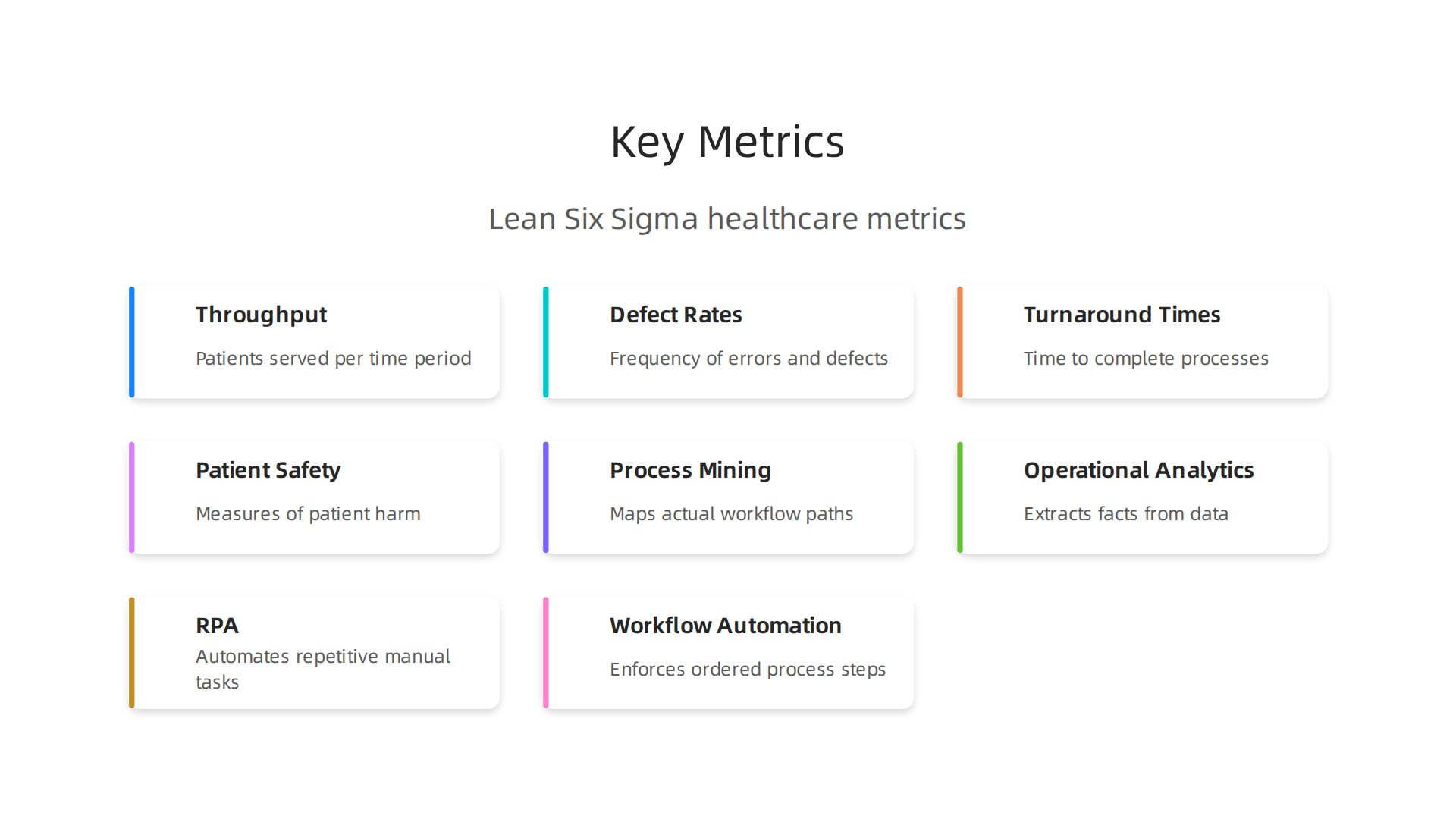
When you make a process better, these numbers should move in a good direction.
- How many patients served (Throughput): This means how many patients a hospital or clinic can help in a certain time. If processes are smoother, they can often help more people without rushing.
- Fewer mistakes (Defect Rates): This looks at how often errors happen, like wrong medications or missed steps in care. Lean six sigma helps find ways to make fewer mistakes. Studies show that using these methods can lower medical errors and improve patient safety Lean Six Sigma improves performance not outcomes.
- Faster service (Turnaround Times): This measures how long things take. Think about how long a patient waits for a test or to see a doctor. Making these times shorter makes patients happier and speeds up navigating care. For example, Lean Six Sigma has been shown to reduce patient waiting times without needing a lot of extra money Evaluation of lean six sigma implementation in reducing waiting times.
- Keeping patients safe (Patient Safety Indicators): These are numbers that show how safe patients are. This could be fewer infections or fewer falls. Better processes mean safer patients. Six Sigma has led to better patient safety and faster processes in healthcare Six Sigma in healthcare: a systematic review of the literature.
All these metrics help us see the real effects of making changes. They show how improving processes can lead to better care and happier staff, including those in allied health roles.
Getting Money Back: ROI Models
When you spend money on improving how things work, you want to know if that money comes back to you in some way. This is called Return on Investment, or ROI. It’s like putting money in a savings account and seeing it grow.
- Quick Wins (Short-term ROI): Sometimes, changes bring fast savings. Maybe a new process means using less paper, or staff can do tasks faster. These are small, quick benefits you see soon after starting.
- Big Changes Over Time (Long-term ROI): Other changes take longer to show their full value. For instance, making a whole department work better might save a lot of money over a few years by reducing staff burnout or avoiding big errors. When planning for these big changes, it is important to include the costs of new digital healthcare platforms, software, and getting all the computer systems to work together smoothly. When organizations successfully make big changes like this, it can also boost their financial health, proving that smart digital transformation can help both care and money matters Digital Transformation in Large Health Systems Elevates Care and Boosts ROI.
It’s important to look at both short-term and long-term results to truly understand the value of lean six sigma healthcare projects, especially when digital tools are involved.
Setting Goals Like a Pro: Benchmarking
Before you start any big improvement project, it’s a good idea to know what’s possible. Benchmarking means looking at how other similar hospitals or clinics do things really well. It helps executives set smart and realistic goals.
For example, if you want to make patient waiting times shorter, you might look at a hospital that already has very short waiting times. How do they do it? What can you learn from them? By comparing your current performance to the best out there, you can set clear targets for your lean six sigma healthcare projects. This helps everyone, from doctors to allied health staff, know what they are working towards to make navigating care better for patients.
We just talked about how hospitals look at important numbers to see if their efforts are making things better. Now, imagine if you had a special tool that could draw a map of every single step in a hospital process. This is what modern digital tools do for lean six sigma healthcare. In 2026, these tools are making it much faster and easier to find and fix problems.
How Digital Tools Amplify Lean Six Sigma: Analytics, Process Mining, and Automation
Digital tools help make the lean six sigma process, often called DMAIC (Define, Measure, Analyze, Improve, Control), much stronger.
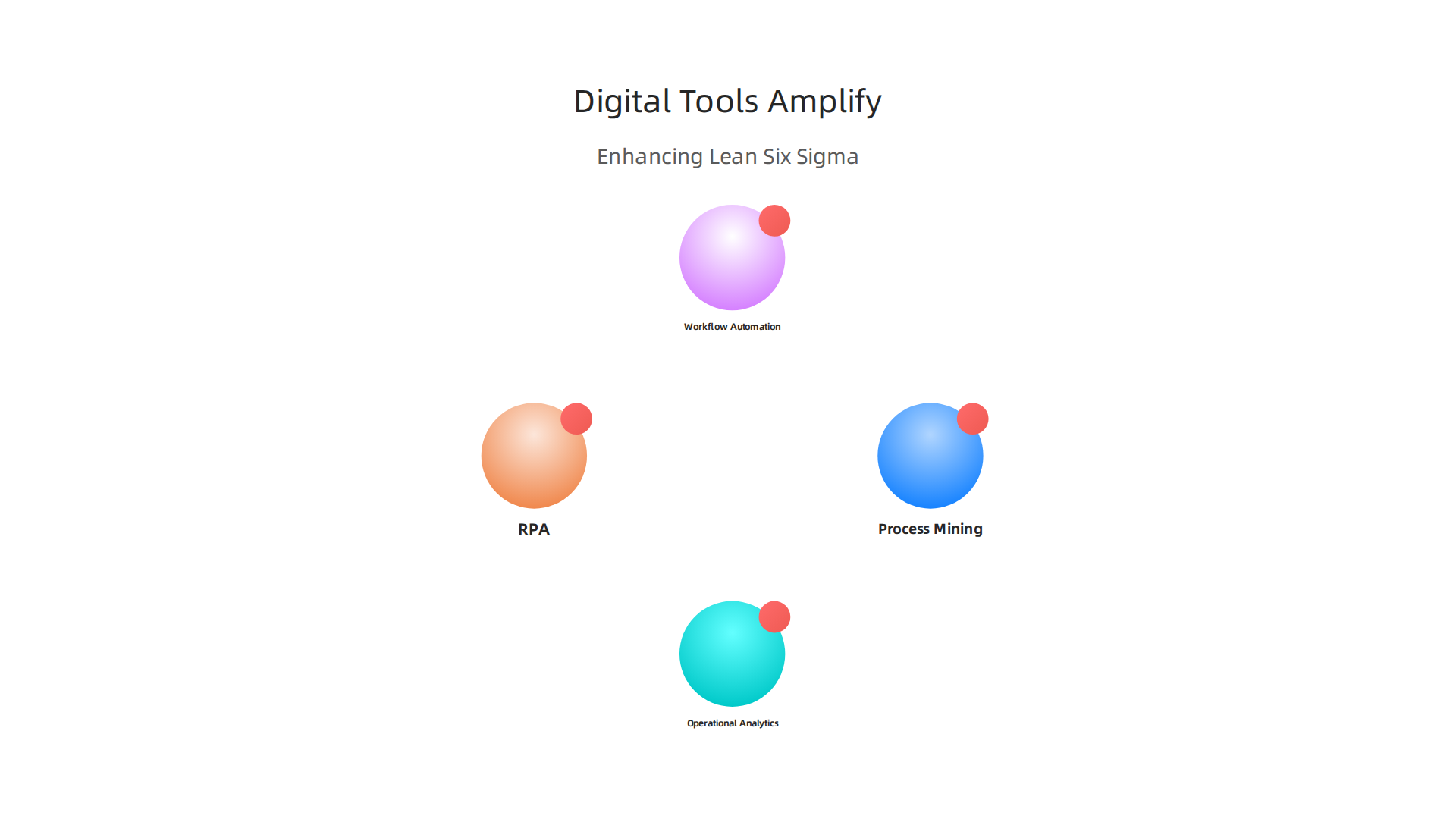
They give healthcare leaders clearer pictures of what is really happening.
Smart Maps for Processes: Process Mining and Analytics
Before you can make something better, you need to truly understand it. That’s where process mining and operational analytics come in. Process mining uses all the digital clues from a hospital’s computer systems, like when a patient checks in, gets a test, or sees a doctor. It puts all these clues together to create a real map of how work flows. This helps find hidden bottlenecks or steps that take too long.
This "smart map" speeds up the "Define" and "Measure" parts of lean six sigma. Instead of guessing or just asking people, you get real facts from the data. This means you can pinpoint problems much quicker and know exactly how much they are costing or slowing things down. In fact, process mining helps organizations find actual bottlenecks and cut down on waste with great accuracy, making DMAIC faster and more objective Process Mining Lean Six Sigma DMAIC Guide 2026.

Digital Helpers: Automation and RPA
Once you know what needs fixing, digital helpers like Robotic Process Automation (RPA) and workflow automation step in. RPA is like having a computer robot that can do simple, repeated tasks really fast and without mistakes. Think about updating patient records or sending appointment reminders. These are tasks that used to take up a lot of time for staff, including those in allied health roles.
Workflow automation makes sure that steps in a process happen in the correct order every time. This helps keep improvements going and gets rid of manual rework. For example, if a new rule says patients need a certain form before a test, workflow automation can make sure that form is always sent and completed. This not only makes things faster for patients navigating care, but also frees up staff to focus on more important tasks. Using these methods can lead to big improvements, like cutting down the time it takes to process claims by 25% Process Mining and Lean Six Sigma: The Next Frontier in ….
Making It All Work: Integration Challenges
Bringing these smart digital tools into a hospital isn’t always easy. Hospitals need to make sure their data is good and clean, meaning it’s correct and easy for the tools to understand. Picking the right tools that fit with the hospital’s current computer systems is also key.
Choosing the right companies, or "vendors," to provide these digital healthcare platforms and software is a big decision for any health system. It’s important to find partners that understand healthcare and can help make all the different computer systems work together smoothly. To learn more about selecting the right partners in this space, explore guides on Healthcare Software Companies Navigating the 2026 Health Tech Market.
These digital tools truly boost lean six sigma healthcare, helping hospitals work smarter and provide better care.
Get clear daily AI updates from The AI Newsletter Worth Reading.
To really get the most out of digital tools in hospitals, we need a clear plan for using lean six sigma healthcare.

It’s like having a map to build something new and better. In 2026, this means thinking about what problems are most important to fix and how to make sure the changes last.
Designing Lean Six Sigma Projects for Clinical Settings: A Step-by-Step Roadmap
When a hospital decides to start a lean six sigma healthcare project, they can’t just pick any problem. They need to choose projects wisely. This helps make sure their efforts truly help patients and staff, and that they use digital tools well.
Choosing the Right Project: Smart Decisions
Here’s how hospitals pick the best projects:
- Clinical Value: This means choosing problems that, when fixed, will really help patients. Think about making care safer, making patients happier, or helping them get better faster. For example, lean six sigma projects can improve patient satisfaction by cutting down wait times and making communication clearer A Systematic Review of Satisfaction Outcomes. Also, studies show that these projects can significantly reduce patient waiting times Evaluation of lean six sigma implementation in reducing.
- Is It Possible to Do? (Feasibility): Hospitals need to check if they have enough staff, time, and money to do the project. It’s important to have leaders who support the project and staff who are ready to get involved Success factors for lean six sigma projects in healthcare.
- Digital Data Readiness: Can we gather all the needed information from our computer systems? Is that information clear and correct? Good data is like having the right ingredients for a recipe. To make sure your systems are ready, it’s helpful to understand the wider health system technology landscape insights for healthtech leaders.
The Lean Six Sigma Roadmap (DMAIC) in Healthcare
Once a project is chosen, hospitals follow a clear, five-step path called DMAIC.
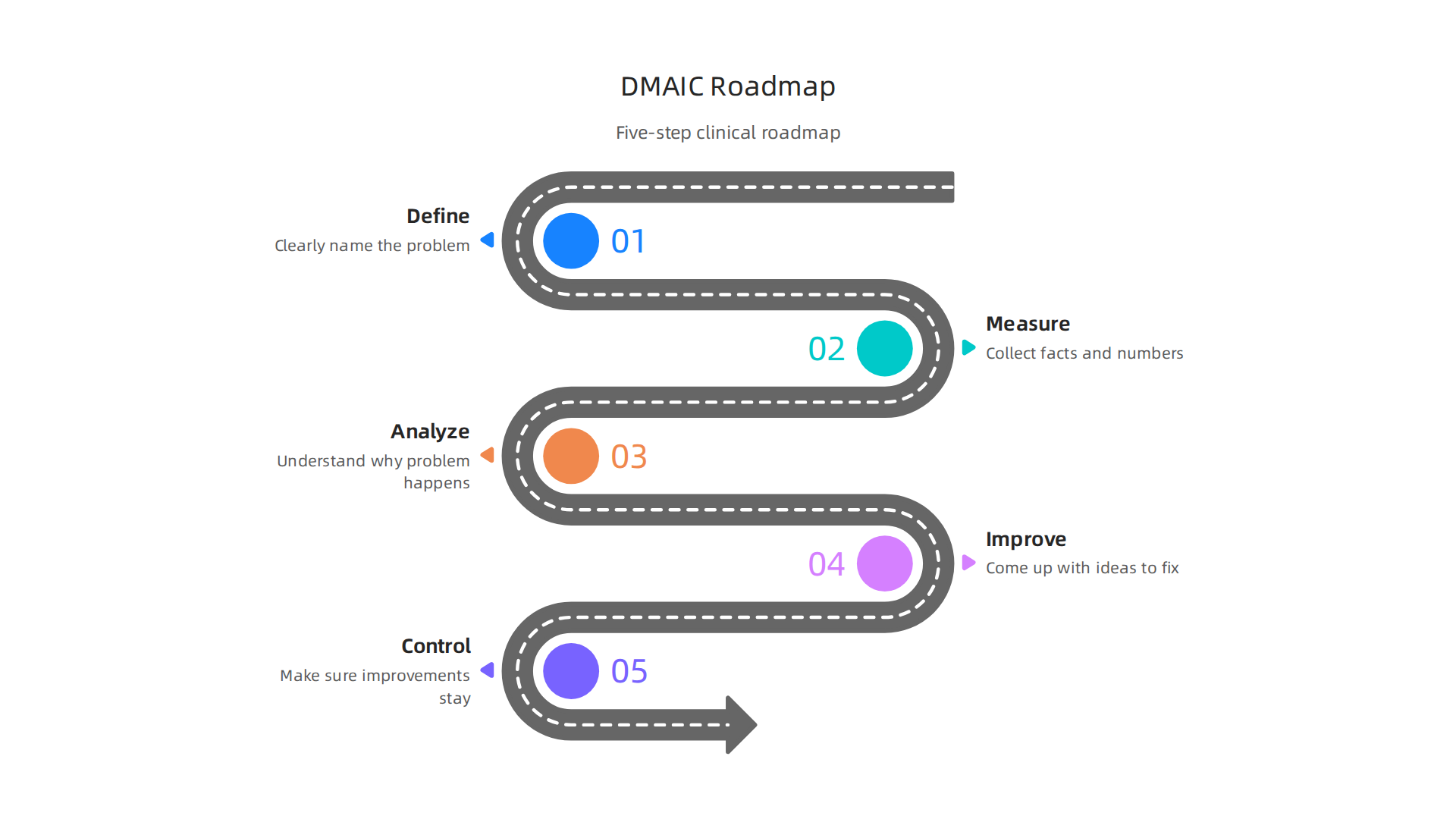
This approach helps reduce errors and make processes smoother Six Sigma Method – StatPearls – NCBI Bookshelf – NIH.
- Define: First, clearly name the problem. What exactly needs to be better? Who is affected? What do patients and staff really need?
- Measure: Next, collect facts and numbers about the problem. How often does it happen? How long does it take? This is where digital data is super helpful.
- Analyze: Look at the facts to understand why the problem is happening. What are the main causes?
- Improve: Now, come up with ideas to fix the problem. Test these ideas in a small way first. Once they work, put them into action for everyone.
- Control: Finally, make sure the improvements stay in place. This is crucial for long-term success.
Making Improvements Last: Keeping the Gains
After all the hard work, it’s important that the improvements don’t just fade away.
- Strong Leadership and Rules (Governance): Leaders must make sure that new ways of doing things become the normal way. Good clinical governance is key to making sure that quality care is provided all the time 2026 National Model for Clinical Governance. Strong leadership also helps make sure improvements continue Optimizing Healthcare Performance by Leveraging Lean.
- Training for Everyone: Staff, including those in allied health roles, need to be taught the new ways. Ongoing training makes sure everyone knows how to follow the improved steps.
- Embedding in Digital Workflows: Make the improvements part of the hospital’s computer systems. If a new step is needed, the system can guide staff through it, ensuring patients are better at navigating care. This is how changes become part of everyday work. These changes can also boost clinical care technology innovations drive better outcomes in palliative and dementia care.
- Always Looking to Do Better: Hospitals should keep watching their processes to find new ways to improve. This makes lean six sigma healthcare a never-ending journey toward excellent care.
By following this roadmap, hospitals can successfully use lean six sigma to create lasting positive changes for everyone.
When hospitals use digital tools to make things better with lean six sigma healthcare, they collect and use a lot of important patient information. This means they must follow strict rules to keep that data private and safe. It’s like having traffic laws for data to prevent accidents and protect everyone.
Understanding Key Privacy Rules
Several important rules guide how hospitals handle patient data, especially in 2026.
- HIPAA (USA): In the United States, the Health Insurance Portability and Accountability Act, or HIPAA, sets the rules for protecting patient health information. It ensures that personal health details are kept private and secure. The Security Rule under HIPAA tells hospitals how to protect electronic patient data.

- GDPR (Europe): For countries in Europe, the General Data Protection Regulation, or GDPR, has very strong rules about personal data. This includes health data. It gives people more control over their own information. The new European Health Data Space also adds more rules for sharing and using health data for things like research and innovation, often called "secondary use" Reuse of health data. Understanding international privacy laws is key for hospitals today 2026 Guide to International Healthcare Data Privacy.
- Device and Software Rules: Beyond patient privacy, medical devices and software used in healthcare platforms also have rules. These rules make sure the tools are safe and work correctly, especially when they handle health data.
Handling Patient Information Safely
When hospitals use digital tools for lean six sigma projects, they need to take steps to keep patient information safe.
- Making Data Anonymous (De-identification): Often, hospitals can remove names and other details from patient data so that no one can tell who the information belongs to. This "de-identified" data can still be used to find ways to improve care without risking patient privacy. It’s an important way to protect health data for secondary use Privacy Protection and Secondary Use of Health Data.
- Controlling Who Sees What (Access Controls): Only certain people should be able to see patient data. Hospitals use special computer settings to make sure that only staff who need to see the information for their job can access it.
- Working with Outside Companies (Vendor Risk Management): If a hospital works with another company to help with a lean six sigma healthcare project, they must make sure that company also follows all the privacy rules. This means checking the company’s security practices carefully.
A Simple Checklist for Compliance
For any digital lean six sigma healthcare project, legal and compliance teams at hospitals should ask these questions:
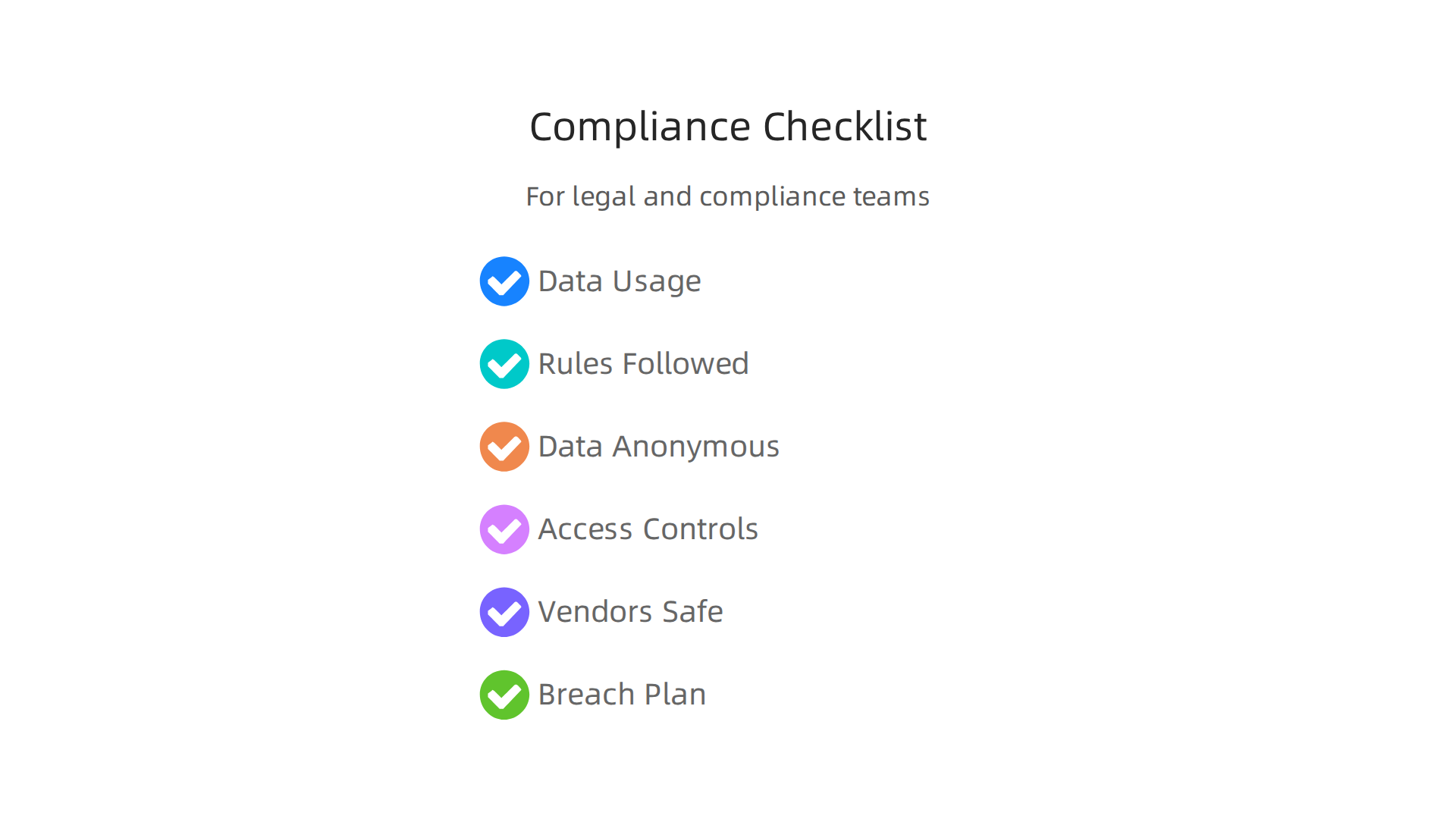
- Have we clearly described how patient data will be used?
- Are we following all rules for HIPAA, GDPR, and other local laws?
- Is patient information being made anonymous whenever possible?
- Do we have strong controls to limit who can see patient data?
- If we work with outside companies, are they also keeping data safe?
- Do we have a plan for what to do if there is a data problem or breach?
Following these steps helps hospitals enjoy the benefits of digital improvements while keeping patient trust and staying within the law. Hospitals use many different healthcare platforms to manage these rules and their data. To understand more about how health systems are building smarter systems for data, you can learn about public health data standards.
Staying on top of privacy rules and new digital health trends is a big job. If you’re looking for clear daily AI updates that impact health tech, we recommend checking out The AI Newsletter Worth Reading.
After making sure patient information is kept private and safe, the next big step for successful lean six sigma healthcare projects is getting everyone on board. New digital tools and better ways of working are only helpful if the doctors, nurses, and all allied health staff actually use them.

This is where change management and clinician engagement become super important.
Why Change Can Be Hard in Healthcare
Even when new ways promise to make things better, people often find change difficult. In healthcare, this can be especially true because routines are important for patient safety. Clinicians might worry about:
- More Work: New systems can seem like extra tasks on top of already busy days.
- Learning New Things: It takes time to learn new software or steps, which can feel frustrating.
- Loss of Control: People might feel like they are losing their say in how things are done.
- Fear of Mistakes: Changing old habits can increase the chance of errors, which is a big concern in patient care.
These "human factors" are common barriers to making lean six sigma changes stick, even when the improvements seem clear DMAIC in improving patient care processes: Challenges.
Getting Everyone Involved and Excited
To make sure new processes and digital tools are used well, hospitals need to actively involve their staff.
- Early Involvement: Bring clinicians and allied health professionals into the planning stages. When they help design the changes, they are more likely to support them.
- Clear Training: Offer easy-to-understand training sessions. Showing how the new way makes their jobs easier or improves patient care can make a big difference. Think about how a good medical assistant training program can prepare staff for new technologies.
- Show Success Stories: Start with small "pockets of excellence." When one department or team tries a new process and it works well, it builds trust and shows others what’s possible. Methods like Kaizen, which involve employees in finding better ways to work, can be very helpful here Leveraging Kaizen with Process Mining in Healthcare Settings.
- Communicate Clearly: Explain why changes are happening and how they will help with navigating care for patients and staff. Regular updates and a chance to ask questions can calm worries.
Making Improvements Last
It’s not enough to just start new processes. Hospitals must set up ways to keep them going.
- Strong Leadership: Leaders need to show they believe in the new ways and support staff through the changes.
- Regular Check-ins: Keep an eye on how things are working. Are people still using the new digital workflows? Is it truly making things better?
- Feedback Loops: Create ways for staff to share what’s working and what’s not. This helps make small fixes as needed.
- Governance Models: Hospitals should have clear rules and teams that make sure new improvements are followed and become part of daily work. This helps these changes become part of the hospital’s culture.
Knowing If It’s Working
How do you know if your lean six sigma healthcare changes are truly making things better and if staff are using them correctly? You need to measure two main things:
- Adoption: Are people actually using the new digital workflows or following the new steps? For example, are doctors entering information into the new healthcare platforms as expected?
- Fidelity: Are they using the new system or process in the right way, as it was designed? It’s not just about using it, but using it correctly to get the best results.
Special tools, like process mining, can help watch how processes are actually happening in real-time. This helps hospitals see if the changes are being followed and where more training or support might be needed Process mining for healthcare: Characteristics and challenges. By carefully measuring these points, hospitals can make sure their efforts lead to real and lasting improvements in patient care, keeping up with the latest healthcare technology trends 2026.
After seeing how important it is to get everyone involved and keep changes going, the next step in making lean six sigma healthcare projects work is picking the right technology. Hospitals and healthcare groups need tools that truly help improve patient care, not just add more work. This means carefully choosing technology companies, also known as vendors.
What Good Technology Vendors Need to Offer
When you’re looking for partners to help with your lean six sigma healthcare goals, the technology they offer should have certain key features:
- Easy Data Sharing: The system should connect well with other tools you already use, like electronic health records. This makes sure all your data can be put together and understood easily. Good healthcare software companies navigating the 2026 health tech market know how important this is.
- Smart Analysis: The vendor’s tools should be able to look at lots of data and show you what’s really happening in your processes. This helps you find problems and figure out the best ways to fix them.
- Simple Automation: Look for tools that allow for "low-code" automation. This means staff, including allied health professionals, can help set up small automated tasks without needing to be expert computer programmers. This speeds up improvements.
- Good Security: Keeping patient information safe is super important. The technology must have strong security features built in.
- Helpful Support: A good vendor will offer clear training and quick help whenever you need it. This makes sure your staff can use the new tools without too much trouble.
Hospitals can use a checklist to evaluate these features when choosing a vendor, especially for new AI tools, as outlined in a 2026 AI Vendor Evaluation Checklist for Healthcare Procurement.
Looking Beyond the Price Tag
When buying new technology, it is easy to only look at the upfront cost. But procurement and IT teams need to think about the "Total Cost of Ownership," or TCO. This includes:
- The initial cost of the software or system.
- Costs for making the system fit your hospital’s specific needs.
- Money spent on training your staff to use the new tools.
- Ongoing costs for maintenance and support over time.
Thinking about TCO helps you understand the true value over many years, not just today. Knowing this helps hospitals make smarter choices for navigating care and budget planning. A guide for pharma AI procurement also mentions this need to consider total costs, not just initial fees Pharma AI Procurement: RFP Template & Evaluation Guide.
You also need to check "Service Level Agreements" (SLAs). These are like promises from the vendor about how well their service will work, how quickly they will fix problems, and how much support they will give. Clear SLAs are vital to make sure you get the help you expect.
Keeping Patient Data Safe: What to Watch Out For
Any project involving Protected Health Information (PHI) or helping doctors make choices about patient care needs very strict rules for data safety. You need to make sure the vendor knows and follows all the important privacy laws, like HIPAA in the United States The Security Rule.
Here are some red flags and contract points to look for:
- Vague Security: If a vendor can’t clearly explain how they protect patient data, that’s a big warning sign.
- Data Ownership: Make sure your contract clearly states that your hospital owns its data, not the vendor.
- Audit Rights: You should be able to check their security practices regularly.
- Breach Plan: The contract should clearly spell out what happens if there’s a data breach and who is responsible.
Asking about these things upfront helps protect your patients and your hospital, which is a key part of successful lean six sigma healthcare work.
Want to stay on top of the latest technology that can help your healthcare operations?
The AI Newsletter Worth Reading delivers clear daily AI updates directly to your inbox.
To make sure lean six sigma healthcare projects truly grow and change a whole hospital system, it’s not enough to just pick good tools. Hospitals need a clear plan for how these projects will work everywhere, how they’ll be paid for, and how success will be measured. This big picture view helps hospitals go from small wins in one department to major improvements across all areas.
Setting Up Strong Governance
When you want to spread lean six sigma healthcare across an entire organization, you need strong "governance." This means having clear rules, leadership, and plans that everyone understands and follows. It’s about setting up who makes decisions, who is responsible, and how progress is reported. Good governance makes sure that everyone, from top leaders to frontline staff, is working towards the same goals. For Lean Six Sigma to last, it needs support from both the top and the bottom, creating a culture where everyone wants to improve things. A good starting point is often a 2026 National Model for Clinical Governance which outlines the foundations needed for high-quality care. Strategies for successful deployment and continuing these efforts in healthcare often highlight this multi-level perspective, involving different management levels to ensure deep and lasting change across the system Strategies for successful deployment and sustainment of Lean Six Sigma in healthcare.
Getting the Right Data Platforms in Place
For system-wide lean six sigma healthcare, having the right data platforms is super important. These are like central hubs where all the information from different parts of the hospital can come together. With strong healthcare platforms, you can see what’s happening everywhere, not just in one clinic. This helps leaders make smart choices about where to focus improvement efforts and how to better support staff, including allied health professionals. These systems also help with unlocking healthcare growth with digital health platforms in 2026 by providing the insights needed to expand and improve services.
Measuring Success with Key Performance Indicators (KPIs)
Leaders need to track "Key Performance Indicators," or KPIs, to see if lean six sigma healthcare projects are really making a difference. KPIs are specific, measurable goals that show how well something is working. For example, a KPI might be how long patients wait, how few errors happen, or how satisfied patients are.
At the project level, teams might track things like:
- Time saved in a certain process
- Number of steps removed from a task
- Reduction in waste or errors
At the executive level, leaders look at bigger picture KPIs like:
- Overall patient safety scores
- How happy patients are with their care
- Costs saved across the system
- How efficiently the hospital uses its resources, which helps in navigating care delivery.
By keeping an eye on these numbers, everyone can see the real value that Lean Six Sigma brings to the healthcare system. Leadership support and clear goals are critical factors for project success Success factors for lean six sigma projects in healthcare.
Team Models for Lasting Change
For lean six sigma healthcare to truly stick, hospitals often use different team models. One common way is to have a small, central team that guides all the Lean Six Sigma work. This team sets standards and provides training. But it’s also important to have local ownership, where staff in each department feel responsible for making improvements in their own area. This mix of central guidance and local effort helps make sure changes last and grow. Sustaining these improvements over time requires constant effort and structure Sustaining Lean Six Sigma Improvement. This way, every allied health professional and staff member can play a part in making care better.
Summary
This article explains why Lean Six Sigma remains essential for healthcare operations in 2026 and how modern digital tools — like EHR improvements, process mining, analytics and RPA — make Lean Six Sigma more effective. It covers which operational metrics (throughput, defect rates, turnaround times, patient safety indicators) show real improvement, how to evaluate short- and long-term ROI, and how to choose projects with clear clinical value and data readiness. The guide walks through the DMAIC roadmap tailored for clinical settings, then addresses practical challenges: privacy and compliance for PHI, vendor selection and total cost of ownership, and integration issues. It stresses clinician engagement, training, governance and measurement of adoption and fidelity so gains persist. After reading, leaders will know how to align Lean Six Sigma methods with digital health platforms, pick the right tech partners, and scale improvements across their system.