

Introduction
Getting quality healthcare to people in underserved communities has always been tough. But here’s the thing. In 2026, the challenge is not really about whether the technology exists. It is about whether we can get those tools to the people who need them most.
Think about it. A mother in a rural village waiting hours for a clinic visit. A community health worker carrying paper records through difficult terrain. A health system that cannot quite reach the last mile. These are not new problems.
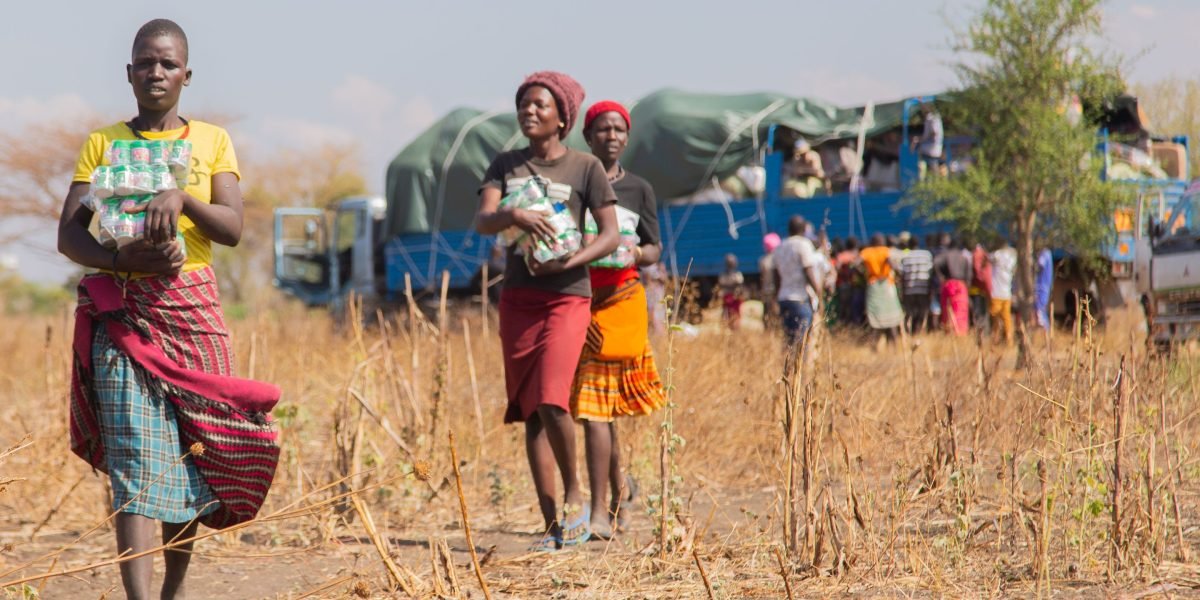
What is new is how fast technology can solve them.
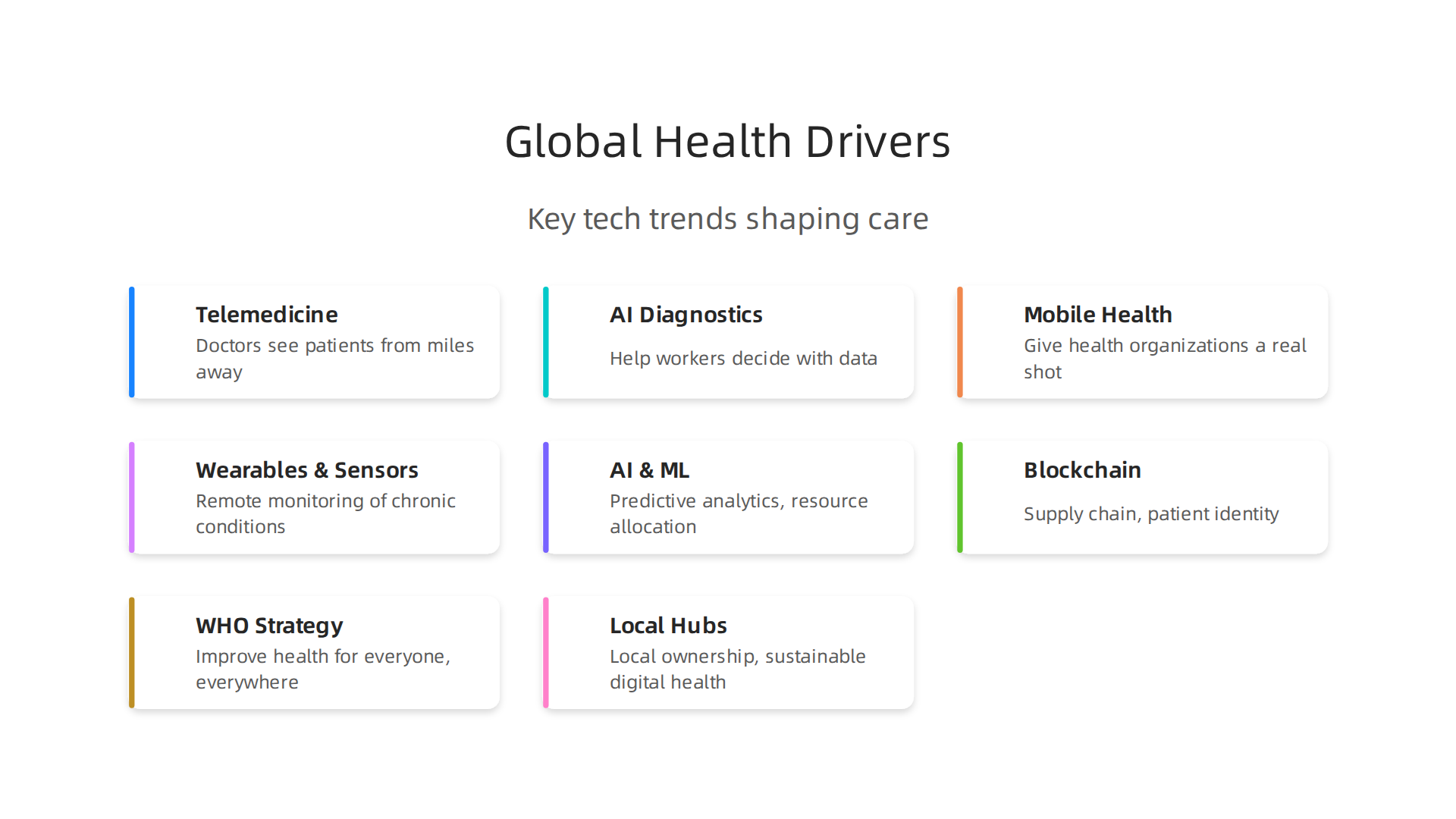
Telemedicine, artificial intelligence, and mobile health platforms are changing the game. They allow doctors to see patients from miles away. They help community workers make better decisions with data. And they give health organizations a real shot at reaching people who have been left behind for too long.
Care International understands this shift well. The organization has been working in some of the hardest-to-reach communities for years. Now, it is using technology to scale its impact even further. By combining old-school community health know-how with new digital tools, Care International is showing what is possible when we take health disparities seriously.
This is not a small thing. Health disparities exist everywhere, even in wealthy countries. And closing that gap requires more than good intentions. It requires strategy. It requires partnerships. And it requires health tech leaders who are willing to invest in solutions that actually work.
That is what this article is about. We will look at the innovations, the partnerships, and the smart moves that are reshaping community health in 2026. Whether you are a healthtech founder, a hospital executive, or someone who just cares about making healthcare better for everyone, there is something here for you.
Because the truth is simple. When we build health systems that work for the most vulnerable, they end up working better for everyone. And technology is the tool that makes that possible.
If you want to stay ahead of these changes, you need a steady source of clear, daily updates on what is happening in AI and health technology. That is exactly what The Deep View Newsletter delivers.

It is worth your time.
Now let us dive into what is actually working on the ground.
The Evolving Landscape of Global Health Technology
The world of global health technology looks very different in 2026 than it did just a few years ago. The pandemic forced a lot of change really fast. And those changes stuck. Telemedicine, AI diagnostics, and mobile health platforms are no longer just experiments. They are becoming the standard way we deliver care in remote and underserved areas.
Here is a big reason why. Between 2024 and 2025, global health technology research hit a tipping point. The number of new studies published in a single year actually exceeded the total for all years before that, according to the Health x Digital Transformation Report. That is a massive jump in knowledge. And that knowledge is turning into real tools on the ground.
The World Health Organization has been pushing for this for years. Its global strategy on digital health laid out a clear vision: use digital tools to improve health for everyone, everywhere.
In 2026, that vision is becoming real. The big question is whether the tools can reach the people who have been left out for so long.
Care International is one of the organizations leading this charge. By combining its deep experience in legacy community health with new mobile and AI tools, it is finding ways to close the gap in access health. This is not just about fancy gadgets. It is about making sure a mother in a remote village can get a diagnosis without traveling for hours. It is about helping community health workers make better decisions with real-time data.
And it is working. A recent survey from HIMSS found that nearly nine out of ten healthcare practitioners plan to use digital health tools more in the next few years. The 2026 healthcare trends report confirms that change is accelerating. AI, telemedicine, and mobile platforms are reshaping how care reaches people.
But this shift also requires updating older systems. Many hospitals and clinics still rely on outdated technology that does not talk to new digital tools. That is a real barrier. If you want to understand how to fix that, read our guide on how to modernize legacy health systems in regional hospitals. It covers the practical steps to make old and new work together.
The key players in this evolving landscape include international NGOs like Care International, national governments investing in digital health infrastructure, and private sector innovators building the tools. Everyone has a role. And when they work together, health disparities start to shrink.
This field moves fast. To keep up with the latest in AI and health tech, you need a reliable source of daily updates. That is exactly what The Deep View Newsletter delivers. It is a simple way to stay informed without spending hours searching.
Key Technological Innovations Driving Community Health
What does it take to bring modern healthcare to a community with no hospital nearby? That is the question organizations like Care International answer every day.
And the tools they use are changing fast.
Think about the community health worker walking miles to visit families. In 2026, that worker might carry a smartphone loaded with mobile health applications. These mHealth tools let them collect patient data, send appointment reminders, and share educational videos. Studies show that mHealth improves how frontline workers deliver care, especially in low and middle income countries. One review found that these apps help workers track antenatal visits and keep child immunization on schedule. That is a big win for access health.
Now add wearables and smart sensors. The Internet of Things is not just for fitness trackers anymore. Remote monitoring devices let patients with chronic conditions check their own blood pressure or blood sugar at home. The data goes straight to a clinic. That means fewer emergency trips and better control of diseases. For rural areas where doctors are scarce, this is a game changer. You can learn more about how home based digital platforms work in our guide on how home-based digital health platforms are transforming healthcare in 2026.
And then there is artificial intelligence. AI powered chatbots and decision support tools help community health workers make faster, smarter decisions. A health worker in the field might use a chatbot to check symptoms before deciding whether to refer a patient to a hospital. These tools do not replace human judgment. They support it. Policies are being built around this idea to ensure ethical and equitable use of AI in rural health care.
The World Health Organization has called for accelerating the adoption of digital tools to improve health for everyone, everywhere. That vision is becoming real on the ground thanks to these technologies.
Care International is putting these pieces together. By combining mHealth data collection, remote patient monitoring, and AI support, they are closing gaps in care. Legacy community health programs are getting a digital upgrade. And health disparities are shrinking as a result.
This field moves fast. New tools appear every week. To keep up with the latest AI and digital health innovations, staying informed is essential. That is exactly what The Deep View Newsletter delivers. It gives you clear daily updates without the noise. Sign up and never miss what matters in health tech.
The Role of International Organizations and NGOs in Health Tech
So you have seen how mobile apps, AI, and remote monitoring are changing community health. But who makes sure these tools reach the people who need them most? That is where big international players step in.
Organizations like the World Health Organization (WHO), UNICEF, and Care International do more than just cheer from the sidelines.
They set the standards, provide the funding, and build the partnerships that turn a cool tech idea into real change on the ground.
The WHO has made digital health a top priority. They help countries create national strategies and make sure new tools follow ethical guidelines. Their goal is to make health systems more efficient and equitable. You can read about their framework on the official WHO digital health page.
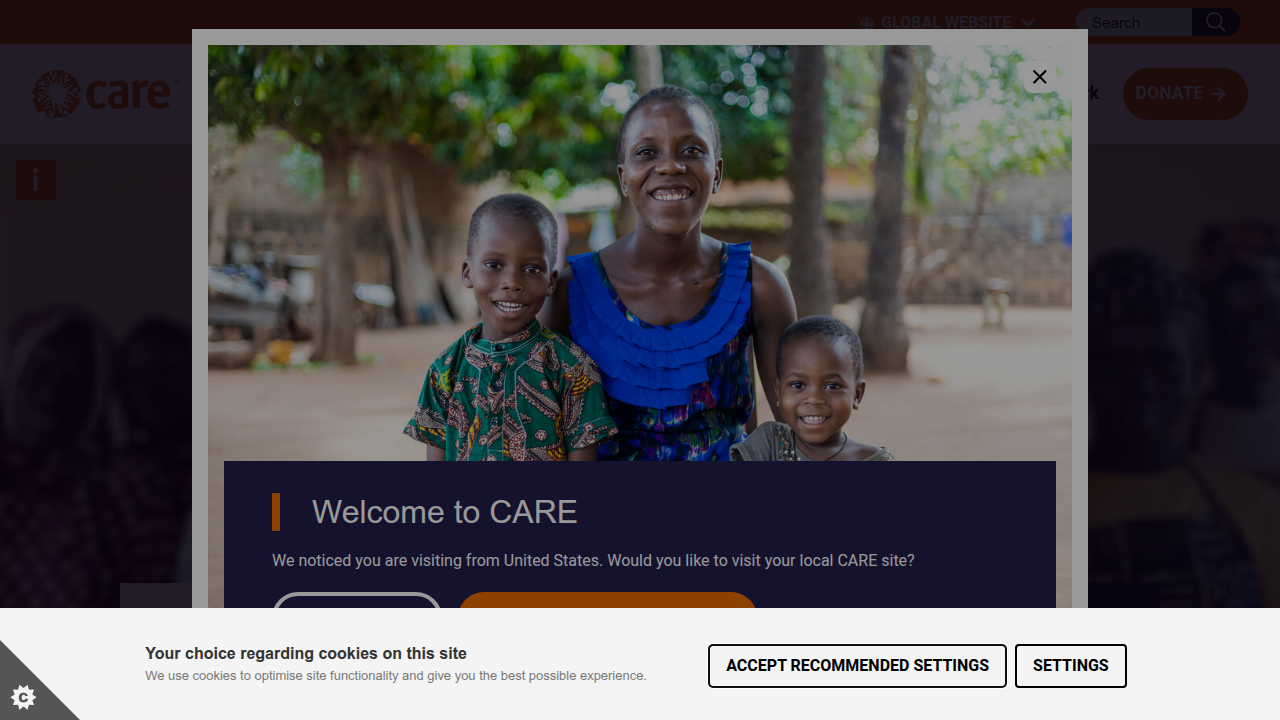
Care International is a great example of an NGO putting tech to work. They provide clinical training, mentoring, and supervision to community health workers. And they back it up with digital tools and data systems. This helps workers track patient progress, spot problems early, and deliver better care. Check out how Care International strengthens health systems with technology.
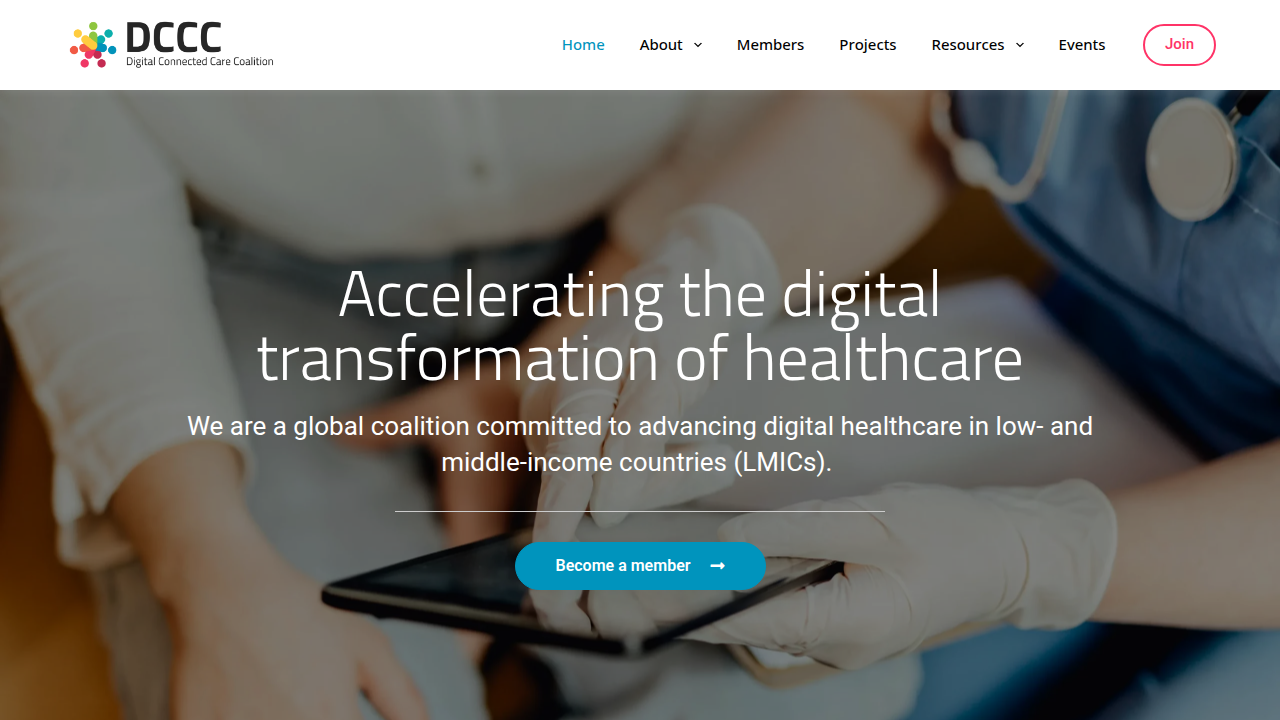
But no single organization can do it alone. That is why public-private partnerships matter so much. When governments, tech companies, and NGOs team up, they can move faster. For example, the Digital Connected Care Coalition brings together partners to accelerate digital health in low and middle income countries. Learn more about their work at the Digital Connected Care Coalition.
The World Bank is also investing big. In 2026, they hosted an event on delivering digital health care to 1.5 billion people. They talked about reducing costs, expanding remote care, and changing policy to make it happen. See the event details at World Bank Spring Meetings on Digital Health.
Grants and innovation funds are another piece of the puzzle. Many NGOs run pilot projects in small regions first. If those work, they scale them up across entire countries. This approach reduces risk and proves what really works for legacy community health programs.
The bottom line? International organizations are the backbone of health tech adoption. They bring the money, the standards, and the connections. Without them, even the best app might never reach a remote village. And that means health disparities would keep growing instead of shrinking.
Want to stay on top of who is funding what and which tech is making a real difference? The Deep View Newsletter gives you clear daily updates on AI and health tech innovation. No fluff, just what you need to know.
Data, Privacy, and Regulatory Considerations in Global Health Tech
Here is the thing about all those amazing health tools we talked about. They only work if people trust them. And trust comes down to one big question: what happens to your data?
When a community health worker in a remote village uses a mobile app to track a patient’s vitals, that data might travel across servers in three different countries. Suddenly you have a privacy puzzle.

And the rules for protecting that data are different everywhere you look.
Right now, more than 140 countries have passed data privacy laws. In the United States, we have HIPAA. In Europe, it is GDPR. And even within the US, 20 states now have their own consumer privacy laws that affect health data. This patchwork creates a real headache for any organization trying to scale a health tech solution globally.
Take the differences between GDPR and HIPAA. GDPR protects all personal data of EU residents no matter where in the world it is processed. HIPAA only covers Protected Health Information handled by specific healthcare entities in the US. If your app serves patients in both the EU and the US, you have to follow two completely different sets of rules. And the penalties for getting it wrong can be huge. For a clear breakdown of these two major frameworks, check out this comparison of GDPR vs HIPAA in 2026.
Then you add cross-border data flows. Health data is personal. Countries want to keep it safe inside their own borders. This is called data sovereignty. When you need to share patient data across countries for a global health study or to power an AI diagnostic tool, you run into legal walls. Organizations like Care International have to work with local governments to make sure their digital health programs follow the rules while still getting data to the people who need it to improve care.
And what about AI? Ethical AI frameworks are still catching up. In 2026, healthcare organizations face a "convergence of heightened privacy enforcement and expanded interoperability obligations," according to the American Institute of Healthcare Compliance. That means you have to share data more easily while also protecting it more strictly. It is a tricky balance.
Informed consent is another big piece. When you collect data from a patient in a low resource setting, they need to understand exactly how their information will be used. That means consent forms in local languages, explained in simple terms, with real choices. Without that, you risk deepening health disparities instead of closing them.
So how do you stay on top of all these changing rules? One smart move is to keep learning from trusted sources. The Deep View Newsletter delivers daily updates on AI and health tech regulations so you do not have to hunt for them yourself.
If you are building or buying health tech in 2026, privacy and regulation are not just legal boxes to check. They are the foundation of trust. And trust is what makes legacy community health programs actually work at scale.
Success Stories and Case Studies: Technology in Action
So what does trust look like on the ground? You see it when a community health worker pulls up a mobile app and a mother knows her data is safe. You see it when a clinic in a remote village uses AI to catch a disease early. These aren’t just ideas. They are real programs saving lives right now.
Let’s look at three examples that show how digital health is closing gaps and building the kind of legacy community health systems we all need.
Care International Reaches Mothers in Rural Ghana
In rural Ghana, pregnant women often walk hours to see a nurse. Many skip visits because of distance or cost. Care International stepped in with a mobile health platform that lets community health workers track pregnancies, send appointment reminders, and flag danger signs early.
The results are powerful. More women attend antenatal care. More babies are born safely. And the whole system gets smarter because data flows back to regional health offices in real time.

As Care International explains, technology is changing what’s possible in community health, especially for the world’s most at-risk populations. The organization also uses digital tools to strengthen health systems through clinical training and data systems.
This is a great example of how mobile tech can cut through health disparities when it is designed for real people in real places.
Partners in Health Uses AI for TB Screening in Peru
Tuberculosis is still a huge problem in parts of Peru. Traditional screening takes time and requires trained radiologists who are scarce in rural areas. Partners in Health tried something new: an AI tool that reads chest X-rays in seconds.
The AI spots signs of TB faster than many human eyes. That means patients start treatment sooner, which saves lives and stops the disease from spreading. The Broadband Commission’s report on AI in health highlights how AI is already having real-world impact on patient outcomes in settings like this.
It is not about replacing doctors. It is about giving them superpowers. When a community health worker can get an AI reading during a single visit, they can access health services much more efficiently.
Scaling Telemedicine Networks in Bangladesh and India
Bangladesh and India face a common problem: too many people, not enough doctors. Telemedicine is bridging that gap, but scaling it is hard.
In India, mHealth programs have shown that SMS reminders and mobile apps improve antenatal care attendance and child immunization rates. A study published in PLOS Digital Health found that mHealth positively influences frontline workers’ ability to deliver quality care in underserved states. In Bangladesh, similar networks connect rural patients with specialists in cities.
The big lesson? You cannot just drop technology into a village and walk away. You need training, reliable internet, and local buy-in. The World Bank’s Spring Meetings 2026 emphasized that digital health only scales when you invest in infrastructure and policy together. These telemedicine networks teach us that the human side matters just as much as the tech side.
Want to follow more stories like these? The Deep View Newsletter delivers daily updates on the people and technologies transforming global health. It is a simple way to stay inspired and informed.
And if you are working on your own digital health project, remember: these case studies show that success comes when you put trust first, technology second. That is the real secret to building legacy community health that lasts.
Future Trends and Strategic Implications for Health Tech Leaders
The case studies we just covered prove digital health works. But here is the truth: the technology moving fastest right now is still just getting started. For leaders building legacy community health systems, the next few years will demand smarter choices about where to invest time and money.
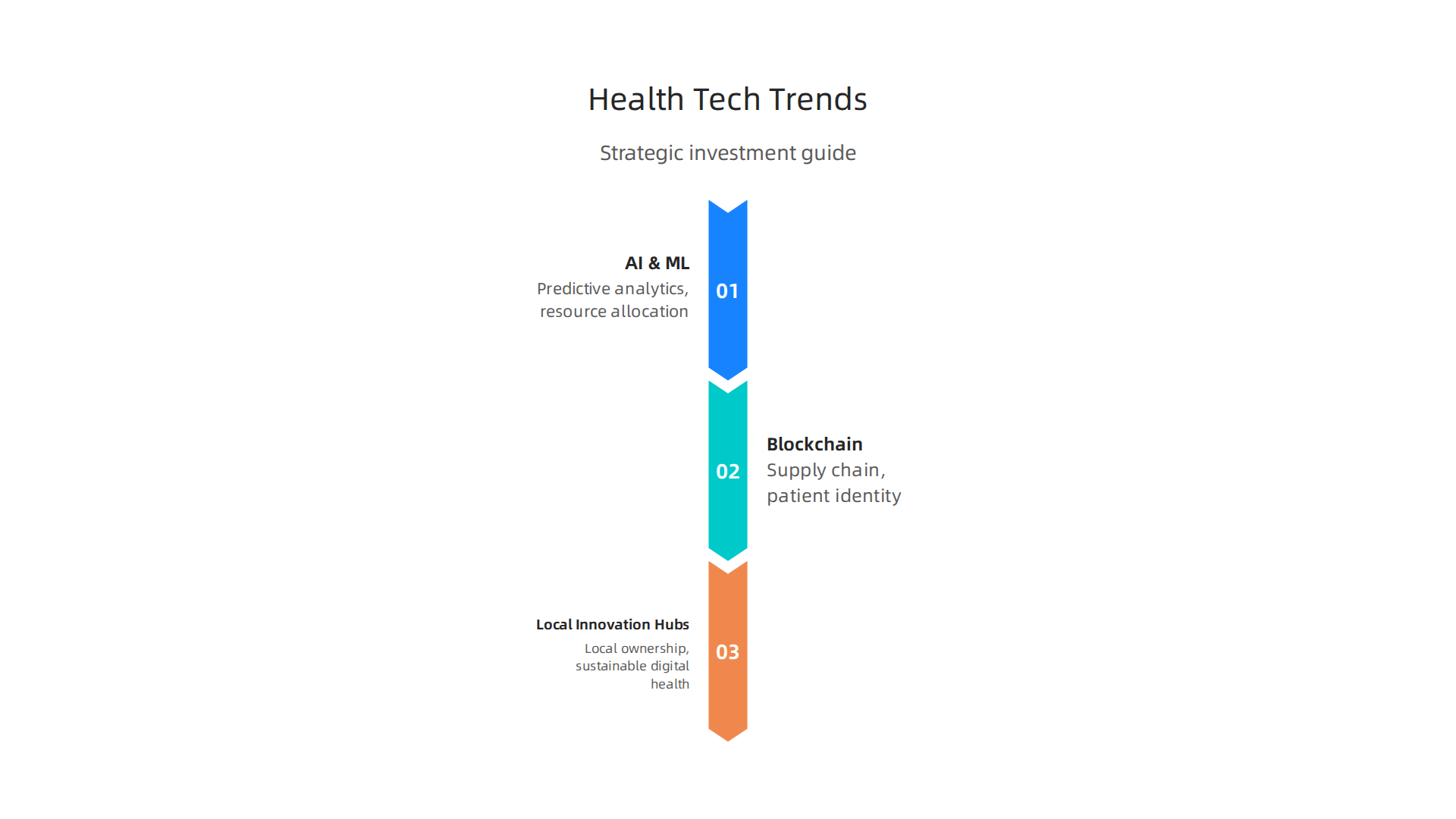

Let’s look at three trends that will shape how we access health in 2026 and beyond.
AI and Machine Learning Go Mainstream
AI is no longer a buzzword. It is becoming the engine behind predictive health analytics and resource allocation. The Broadband Commission’s working group on digital and AI in health found that AI can already spot diseases like tuberculosis faster than human readers. That is just the start.
In 2026, we will see AI tools that predict patient deterioration before it happens. They will help hospitals decide where to send mobile clinics. They will even help community health workers prioritize home visits. As Wolters Kluwer noted, this is a pivotal moment for generative AI in healthcare, with governance and adoption accelerating fast.
But AI only works if the data feeding it is clean and complete. That is a challenge many health systems still face. Leaders need to invest in data quality now, not later. You can get a clearer picture of these challenges in our guide on how to modernize legacy health systems in regional hospitals.
Blockchain Gets Practical
You hear blockchain and you might think of cryptocurrency. But in global health, it is solving two very real problems: supply chain integrity and patient identity management.
When a vaccine travels from a warehouse in a capital city to a rural clinic, who makes sure it stays cold and arrives on time? Blockchain creates an unchangeable record of every handoff. That builds trust with communities that have been let down before.
Patient identity is another big win. Millions of people in low-resource settings lack official IDs. Blockchain based digital identities let patients own their health records across different clinics and countries. The 2026 healthcare predictions report highlighted that blockchain adoption in health is gaining real traction, not just hype.
Local Innovation Hubs Become Non-Negotiable
You cannot parachute technology into a village and expect it to stick. The WHO’s global strategy on digital health 2020-2025 was clear: sustainable digital health requires local ownership.
That is why investing in local innovation hubs matters so much. These are physical or virtual spaces where local developers, clinicians, and community leaders build tools that fit their own context. A team in Kenya knows the local language and customs better than any Silicon Valley startup.
The Health x Digital Transformation Report found that 2025 was a tipping point for health tech research. The knowledge exists. The challenge is applying it locally. Leaders who fund these hubs will see faster adoption and fewer failed projects. Organizations like Care International will need to embrace this model to continue building trust in the communities they serve.
When you combine AI, blockchain, and local innovation, something powerful happens. You move from tech for tech sake to tech that actually reduces health disparities. That is the legacy worth building.
Want to stay ahead of these shifts without spending hours hunting for news? The Deep View Newsletter gives you clear daily updates on the technologies and strategies shaping health. It is a simple way to keep your finger on the pulse of what matters.
Summary
This article examines how digital health technologies are finally reaching underserved communities in 2026 by combining telemedicine, mHealth, remote monitoring, AI, and blockchain with proven community health practices. It looks at how organizations like Care International and multilateral partners translate research and strategy into frontline impact, the role of public‑private partnerships and local innovation hubs, and why updating legacy systems matters for scale. The piece also walks through data privacy and regulatory challenges—GDPR, HIPAA, data sovereignty and informed consent—and why trust is central to adoption. It presents concrete case studies from Ghana, Peru, Bangladesh and India that show measurable gains in maternal care, TB screening and telemedicine networks. Finally, it outlines practical trends leaders must act on now—AI governance, blockchain for supply chains and investments in local capacity—so health tech projects move from pilots to sustainable systems that reduce disparities.