

Why understanding consumer health insurance matters now
Finding the right health insurance plan can feel like a big puzzle in 2026.

There are so many choices, and it’s easy to get confused by all the different options. Each plan has its own costs, covers different medical services, and works in its unique way. Your choice directly affects how easily you can get medical care when you need it and how much money you spend from your own pocket. For instance, some plans might be a health alliance plan, focusing on specific networks, while others could be part of fehb health plans, often for government employees. Knowing what each one offers is super important for both your physical health and your financial peace of mind.
Many people also look into various types of insurance providers, including options like guardian insurance. Companies such as Guardian offer different protection policies. These can cover things like life, critical illness, and income protection, which are pure protection products and typically do not build cash value over time Guardian Life Insurance 2026 Complete Guide to Cover Options.
While these are not primary medical insurance that pays for doctor visits, understanding what a health benefits company like Guardian offers for specific needs, such as dental care or disability, is a vital part of your overall health protection plan. These added benefits can greatly reduce unexpected costs.
This article is here to help you make sense of it all. We will walk you through different insurance options in a simple, trustworthy way. Our goal is to give you clear steps and important checkpoints so you can pick the best plan for you and your family. We’ll cover various kinds of plans, what they mean for your wallet, and how to feel confident in your choice. It’s about knowing how to read your medical insurance card and decode your health plan costs, so you understand what your plan truly covers and what your financial responsibilities are. By the end, you’ll have a better idea of how to choose a health benefits company and why understanding your insurance is key for peace of mind and access to care.
As you explore health insurance, staying informed about new healthcare technology is also helpful. New tools and ideas are always coming out that can change how care is given. Get clear daily AI updates from The AI Newsletter Worth Reading.
How to read plan summaries: key terms and what they really mean
After learning why health insurance is so important, the next step is to understand the words you will see on plan summaries.
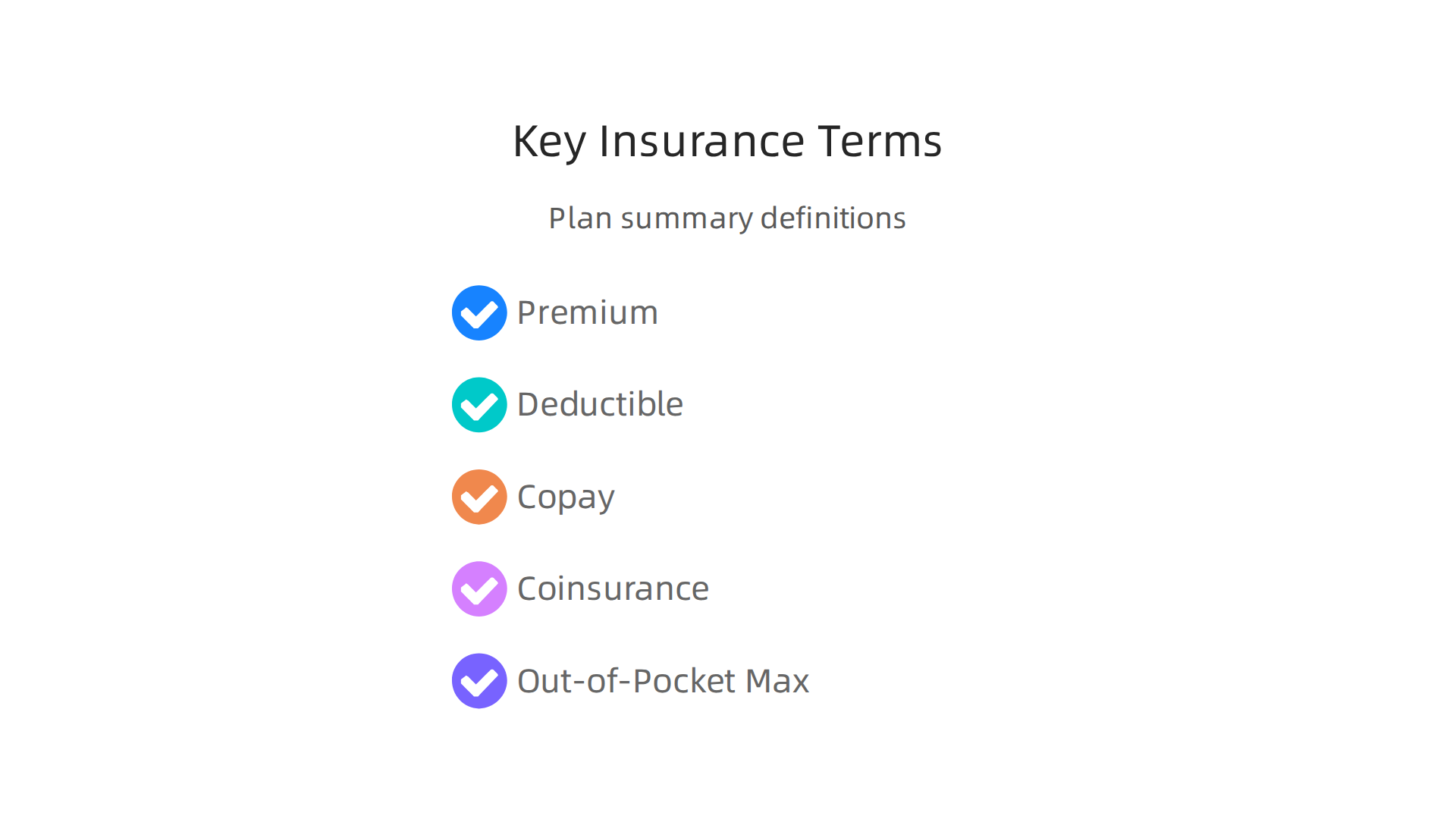
These documents can be confusing, but knowing a few key terms will help you pick the best plan. This goes for any plan, whether it’s a specific health alliance plan, one of the fehb health plans, or a plan from a private health benefits company like Guardian. Let’s break down these important words.
Premium: This is the money you pay every month to have your health insurance. Think of it like a subscription fee. You pay this amount even if you don’t use any medical services that month. If you stop paying your premium, your coverage will usually stop.
Deductible: This is a set amount of money you have to pay for your medical care before your insurance company starts to pay a larger share. For example, if your deductible is $1,000, you will pay the first $1,000 of your medical bills yourself in a year. After you meet your deductible, your insurance starts to help pay for costs, but you might still pay a small part through copays or coinsurance. Even specific plans, like Dental Plans for Individuals & Families, can have a deductible you must meet.
Copay (Copayment): A copay is a small, fixed amount you pay for a doctor’s visit, prescription, or other services. You usually pay this at the time of service. For example, you might pay a $20 copay each time you see your family doctor, even after your deductible is met.
Coinsurance: This is a percentage of the cost of a medical service that you pay after you have met your deductible. Your insurance plan pays the rest. For instance, if your coinsurance is 20%, and a medical bill is $100 after your deductible is met, you would pay $20, and your insurance would pay $80. Many dental plans from a health benefits company like Guardian also use coinsurance for certain services, as explained in their Essentials for Families and Individuals summaries.
Out-of-Pocket Maximum: This is the most money you will have to pay for covered medical services in one year. Once you reach this limit, your insurance plan will pay 100% of the cost for all covered services for the rest of the year. This protects you from very high medical bills in case of a serious illness or accident. It’s a very important number to know.
These terms work together. You pay your monthly premium no matter what. If you need care, you pay towards your deductible first. After that, you’ll pay copays for certain visits or a coinsurance percentage for other services until you reach your out-of-pocket maximum. Understanding these terms can help you make a smart choice when looking at various plans and deciding what is private insurance and how it fits your needs.
To keep learning about how technology is changing healthcare and health insurance, make sure you’re up to date. Get clear daily AI updates from The AI Newsletter Worth Reading.
Comparing Guardian insurance (brand-focused overview) with common alternatives
Knowing those important health insurance terms helps a lot when you’re ready to pick a plan. Now, let’s look at how a specific company like Guardian insurance fits into the bigger picture. We’ll compare what Guardian offers with other common insurance choices you might have in 2026.
Guardian is a well-known name in the insurance world. It’s a health benefits company that focuses on specific types of protection rather than general medical insurance. Guardian insurance is known for offering strong plans in areas like life insurance, disability income, and dental and vision coverage. They also help with retirement solutions for people, families, and businesses looking for long-term financial security and good protection. A Guardian Life in 2026 Full Review offers more details on these features.
When it comes to dental plans, Guardian insurance offers choices like PPO plans (Preferred Provider Organization). These plans let you choose from many dentists in their network. People often like PPO plans because they offer free or low-cost checkups, cleanings, and X-rays. For bigger dental work, there might be copays or coinsurance, just like with medical insurance. Guardian offers both PPO and DHMO (Dental Health Maintenance Organization) plans, giving customers different ways to get care and manage costs. You can learn more about the Types of Dental Insurance Guardian Offers and compare their Dental Insurance options online.
Beyond dental, Guardian insurance is also a big player in life insurance. Their life insurance products are meant to give a financial safety net for families. If someone with a Guardian life policy passes away or gets a very serious illness, the policy can pay out money. It’s important to know that these protection policies usually don’t have a cash value; if you stop paying, the coverage ends, and you don’t get money back, as explained in the Guardian Life Insurance 2026 Complete Guide to Cover Options. They also provide income protection insurance. This type of insurance can help replace lost earnings if you can’t work due to an illness or injury, as detailed in the Guardian Income Protection 2026 Complete Guide to Cover. A Guardian Disability Insurance Review 2026 highlights their group coverage for employers and private long-term plans.
When you look at Guardian insurance plans, it’s helpful to compare them with other common options.

Many people get health insurance through their job. These are called employer-sponsored plans. They often come with a wide range of benefits, and employers usually help pay for some of the costs. Another option is the ACA marketplace. These plans are available to individuals and families who don’t get insurance through their job or government programs. You might find a health alliance plan or other options on the marketplace. These plans must cover essential health benefits. Learning how an insurance broker helps health tech companies navigate rising 2026 costs can give you more perspective on these choices.
For some people, short-term plans or specific government programs like FEHB health plans (Federal Employees Health Benefits) are options. Short-term plans usually cost less but offer less coverage and don’t have to cover essential benefits. FEHB health plans are for federal employees and offer many choices. When comparing any plan, whether it’s Guardian insurance or another type, always look at the premium, deductible, copays, coinsurance, and out-of-pocket maximum. These are the key terms we talked about earlier. Consider the network of doctors, too, and what kind of support the health benefits company offers. Some companies, like Guardian, have updated their online tools to make it easier to manage your policy and understand your benefits. This includes Guardian upgrades to portal to give policyholders real-time access to cover details.
Costs and affordability: premiums, subsidies, and tax implications
Now that you know the important health insurance terms, let’s talk about the real money part: how much it actually costs. When you pick a health plan, whether it’s through your job, the marketplace, or something else like Guardian insurance for specific benefits, you’ll think about premiums, subsidies, and how taxes play a role. These things greatly change how affordable your plan is.
Understanding Premiums
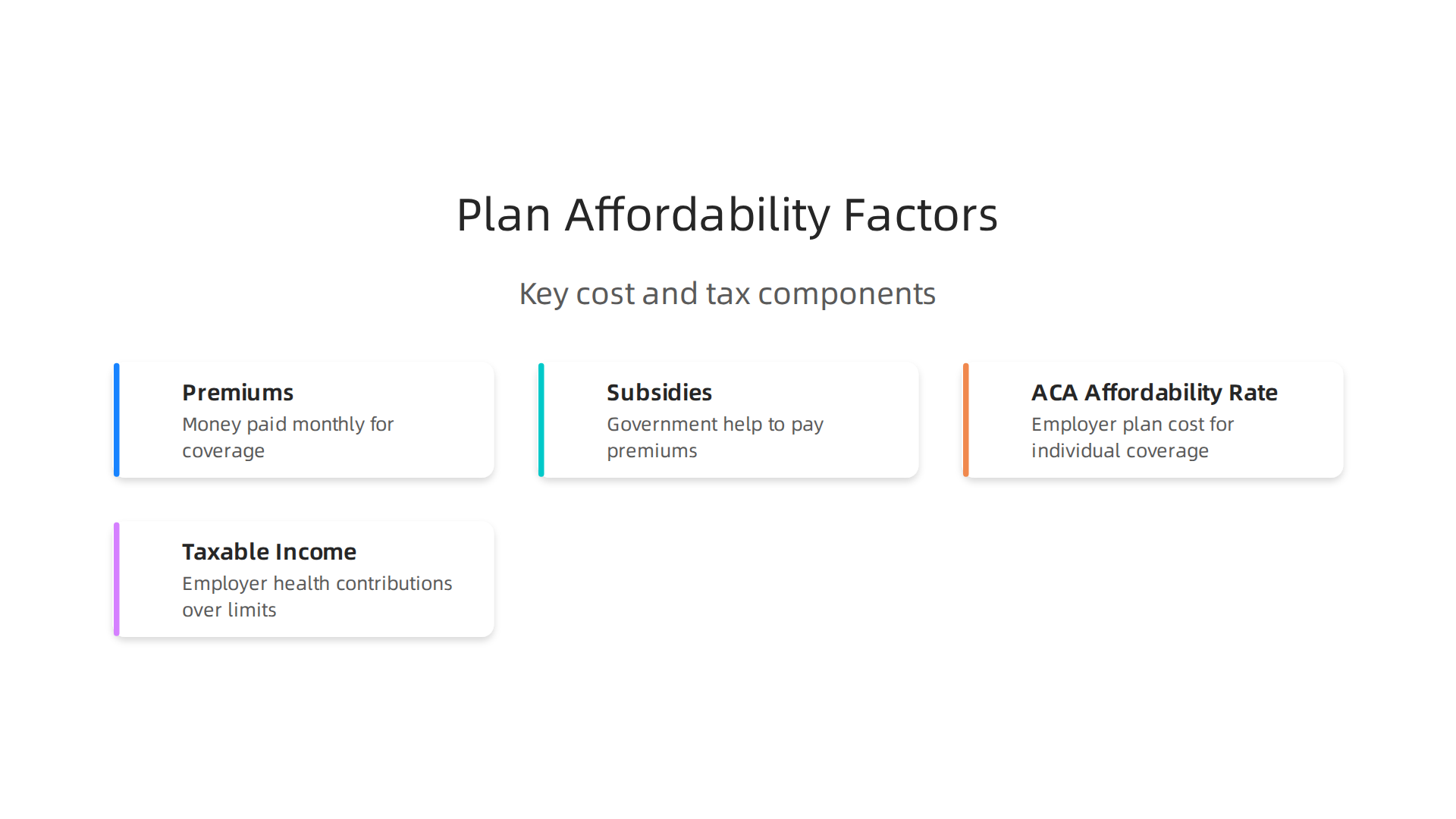
Your premium is the money you pay every month to have health insurance. It’s like a membership fee. You pay it whether you use medical services or not. This monthly cost is a big part of your health budget.
How Subsidies Help (or Don’t) in 2026
For many people, especially those who buy insurance through the Affordable Care Act (ACA) marketplace, there’s help called a subsidy. A subsidy is money from the government that helps you pay for your health insurance premium. This makes health care more affordable.
However, in 2026, some important changes have happened. The extra help that lowered ACA plan costs has ended. This means that millions of Americans might have to pay more for their health insurance now, as explained in a guide on what to do after ACA premiums go up.
Also, the "subsidy cliff" has returned for 2026. This means if your household income is above a certain level (400% of the federal poverty level for 2025), you won’t get any federal subsidies. You can use a 2026 Obamacare subsidy calculator to see if you qualify.
This affects many early retirees and people without employer health plans.
Tax Rules for Health Coverage
The government also has rules about how health insurance costs tie into your taxes. For employer-sponsored health plans, the IRS has set a new "affordability rate" for 2026. This means if the health plan from your job costs you more than 9.96% of your household income for just yourself, it might not be seen as "affordable" by the government. This is a change from 2025, as noted in an ACA Affordability Rate for 2026 report. If a plan is not considered affordable, it can affect your family’s ability to get subsidies on the ACA marketplace.
Also, for some very high-cost health benefits, starting in 2026, the money your employer pays for your insurance and health spending accounts that goes over certain limits might be added to your taxable income. This could happen if contributions are above $8,900 a year for individual plans or $21,600 for family plans, according to a report on how to reduce tax subsidies for employment-based health.
Choosing the Right Plan for Your Wallet
When looking at plans, think about your likely health needs.
- Higher premium, lower cost-sharing: If you expect to go to the doctor or need medicine often, a plan with a higher monthly premium but lower deductibles, copays, and coinsurance might save you money in the long run. You pay more each month but less when you get care.
- Lower premium, higher cost-sharing: If you’re generally healthy and don’t expect many doctor visits, a plan with a lower monthly premium but a higher deductible could be better. You save money each month, but you’ll pay more out of your pocket if you do need medical care before your deductible is met.
It’s all about balancing what you pay monthly versus what you might pay when you actually use health services. Understanding these numbers is key to making a smart choice for your health and your wallet.

You can find more helpful details by learning how to read your medical insurance card and decode your health plan costs.
Staying informed about these changes can be tricky.
The AI Newsletter Worth Reading offers clear daily AI updates that can help you understand bigger trends in health tech.
After thinking about how much health insurance costs, the next big thing to understand is "networks." This helps you find doctors and hospitals without big, unexpected bills. Every health plan, including those from a health benefits company like Guardian insurance, uses a network.
What Are Provider Networks?
Think of a provider network as a team of doctors, hospitals, and clinics that work with your insurance company. When a doctor or hospital is "in-network," it means they have an agreement with your insurance. They agree to charge certain prices for services. This usually means you pay less when you see them.
If a doctor or hospital is "out-of-network," they do not have this agreement. They can charge whatever they want, and your insurance might not pay much, or anything at all. This means you would have to pay a lot more money out of your own pocket. For example, if you have a health alliance plan, their network might be different from another insurer’s network.
In-Network vs. Out-of-Network: Avoiding Surprises
The difference between in-network and out-of-network care is very important for your wallet.
- In-network care: Your insurance pays a larger share of the cost. You usually only pay your copay, deductible, or coinsurance.
- Out-of-network care: Your insurance might pay a much smaller share, or nothing. You could be responsible for a bigger part of the bill, or even the whole bill. This is often called "balance billing," where the provider charges you for the difference your insurance didn’t cover. This is a common way people get surprise medical bills.
Sometimes, your plan might need you to get a "referral" to see a specialist, like a heart doctor. This means your main doctor has to send you to that specialist. If you do not get a referral when one is needed, your insurance might not pay for that visit, even if the specialist is in-network. This is often the case with HMO plans. PPO plans usually give you more freedom but might still cost more if you go out of network.
How to Check Your Doctors and Hospitals
Before you choose a new health plan or see a new doctor, always check if they are in your plan’s network. Here are some simple steps:
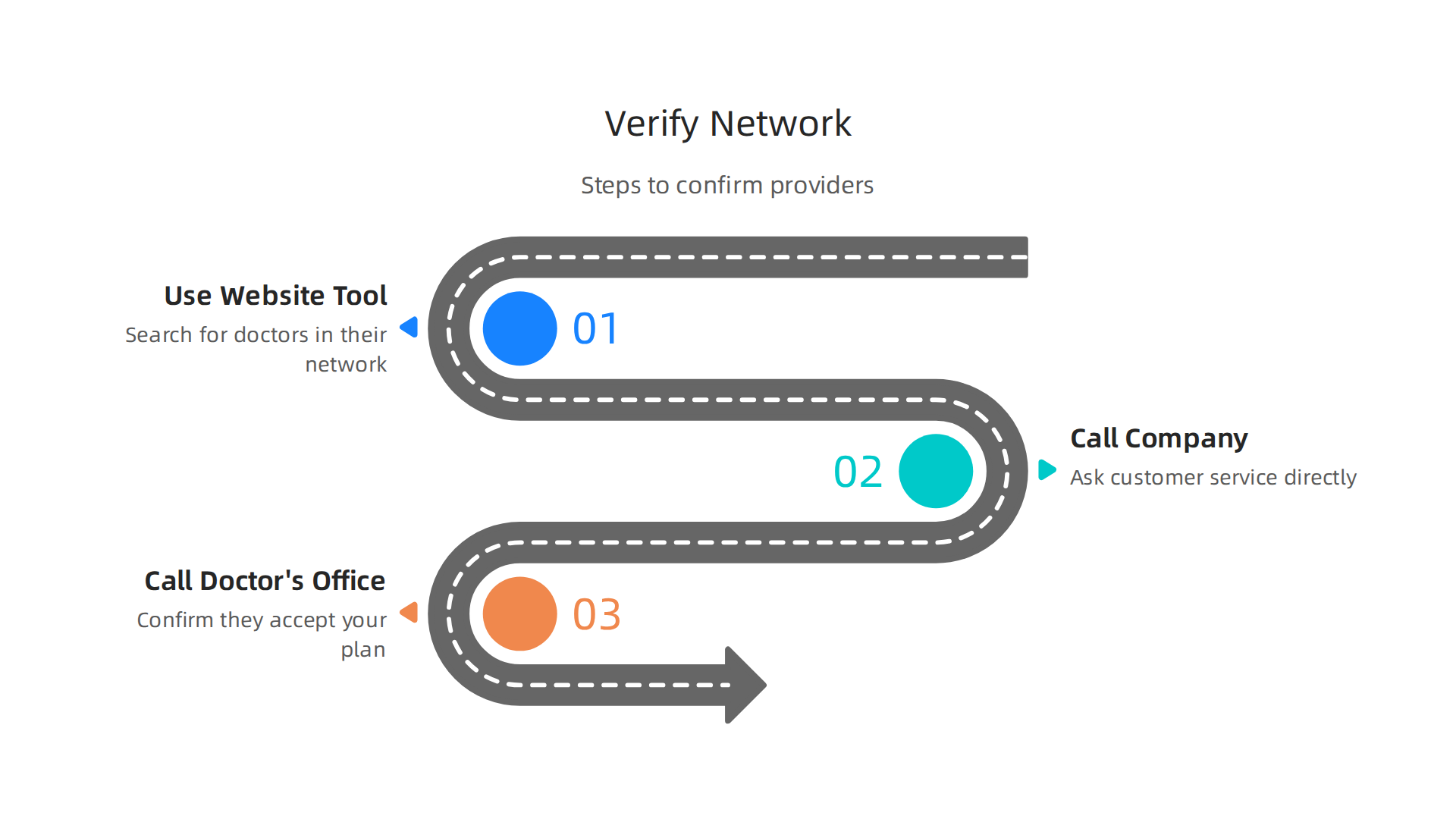
- Use the insurance company’s website: Most health benefits company websites, like those for FEHB health plans, have a tool to search for doctors, specialists, and hospitals in their network.
- Call the insurance company: You can call the customer service number on your insurance card and ask them directly.
- Call the doctor’s office: Confirm with the doctor’s staff that they accept your specific insurance plan and are in-network for the services you need. Make sure to give them your exact plan name.
Checking these things helps you make smart choices and avoid unexpected costs. You can learn more about finding doctors by understanding how to find a doctor who accepts your plan.
Understanding networks is a key part of choosing the right insurance for you and your family. For more general information about choosing plans, you can check out a Tennessee health insurance 2026 guide to plan types, networks, and costs.
When picking the right insurance for you and your family, it is important to look beyond just the main health plans. While regular health insurance helps with doctor visits and hospital stays, it often does not cover everything. This is where specialized coverage comes in. These are often called "ancillary products" or "riders" and they give you extra help and money for certain health needs.
What are These Special Coverages?
Many people need more than just basic medical coverage. Specialized plans fill these gaps. In 2026, these extra benefits are becoming more and more popular because they help with costs that regular health plans might not touch What Are Ancillary Insurance Products?.
Here are some common types:
- Dental Insurance: This helps pay for things like regular teeth cleanings, fillings, and other dental work. Most main health plans do not cover these routine dental needs.
- Vision Insurance: This helps cover the cost of eye exams, glasses, and contact lenses. Just like dental care, most standard health plans do not pay for everyday vision care. Some plans, such as those offered by Health Net, include pediatric dental and vision coverage for children up to age 18, but adults often need a separate plan Ancillary Products Guide – Health Net. You can also learn more about how technology is changing vision insurance with Digital Transformation in Health Insurance VSP Vision Insurance Provides a Blueprint.
- Supplemental Health Insurance: This type of plan gives you cash directly if you get sick or hurt. Unlike your main health insurance that pays doctors or hospitals, supplemental plans pay you. This cash can help with things like your deductible, copays, or even lost wages if you cannot work. It is like a financial backup Supplemental Health Insurance in 2026: Complete Guide.
- Critical Illness Riders: These plans pay you a lump sum of money if you are diagnosed with a serious illness, like cancer or a heart attack. This money can be used for any expenses, not just medical ones.
- Accident and Hospital Indemnity Plans: Accident plans help with costs if you get hurt in an accident. Hospital indemnity plans pay you a set amount for each day you stay in the hospital.
Many well-known providers, like Guardian insurance, offer a range of these specialized plans, including dental, vision, and critical illness coverage Guardian Life Insurance Review (2026). A good health benefits company often helps you find these extra coverages.
Who Benefits from Specialized Coverage?
Almost anyone can benefit from these types of plans.
- Families with children may want dental and vision.
- People worried about high deductibles on their main plan might like supplemental or critical illness coverage.

- Those with jobs that carry a higher risk of injury could find accident insurance helpful.
These plans help lower your out-of-pocket costs and give you peace of mind.
Things to Watch Out For
While these extra plans are helpful, you should be careful about a few things:
- Duplicate Coverage: Make sure you are not buying a plan that covers something your main health insurance already handles. Read all the details carefully.
- Limitations: These plans might not pay for everything. They often have limits on how much they will pay in a year or for certain services.
- Enrollment Timing: You can usually only sign up for these plans during certain times of the year, just like your main health insurance. Check with your employer or the insurance company about these dates.
Understanding all your options for health coverage, including these specialized plans, helps you make the best choice for your needs.
Staying on top of health tech trends, including new insurance products and digital platforms, is important for smart decision-making.
The world of health technology is always changing. Don’t miss out on important insights that can help you understand these shifts.
The AI Newsletter Worth Reading
Once you know which types of health coverage are best for you, the next step is to understand when you can actually sign up for them or make changes to your existing plans. This timing is very important.
Enrollment Periods, Special Enrollment, and Life Events
Most health plans, including regular health insurance and specialized coverages like dental or vision, have specific times when you can enroll. These times are set to make sure everyone gets a fair chance to pick their plans.
Open Enrollment is the main time each year when you can sign up for a new plan or switch to a different one. For most people, this happens in the fall. During open enrollment, you do not need a special reason to change your plan. You can simply review your options and make the best choice for the upcoming year. For example, if you have coverage through a specific program like FEHB health plans, they also have their own set open enrollment period. It is always a good idea to mark these dates on your calendar.
Sometimes, life happens outside of the open enrollment window. If you have a big change in your life, you might be able to sign up for or change a health plan right away. This is called a Special Enrollment Period. It means you do not have to wait until the next open enrollment time.
Here are some common life events that might let you get a special enrollment period:
- Getting Married: If you tie the knot, you can usually add your new spouse to your plan or get a new family plan.
- Having a Baby or Adopting: Welcoming a new child into your family is a big reason to update your health coverage.
- Moving to a New Area: If you move to a new zip code or state, your old plan might not cover you anymore. This lets you choose a new plan in your new home.
- Losing Other Health Coverage: This could be if you lose your job, your employer stops offering insurance, or you turn 26 and can no longer be on your parents’ plan.
- Changes in Household Size: Other events, like a divorce or the death of a family member, can also count.
When you have a qualifying life event, you usually have a short window of time (often 30 to 60 days) to make changes. You will also need to show proof of the event, like a marriage certificate, birth certificate, or a letter from your old insurance company. A good health benefits company can help you understand what proof you need and guide you through the process.
Understanding when and how you can enroll is just as important as knowing what types of plans are available. Staying informed about these periods helps you keep your coverage up-to-date. To learn more about different options, you might explore Technology Trends Transforming Private Health Insurance Plans in 2026 and other plan types.
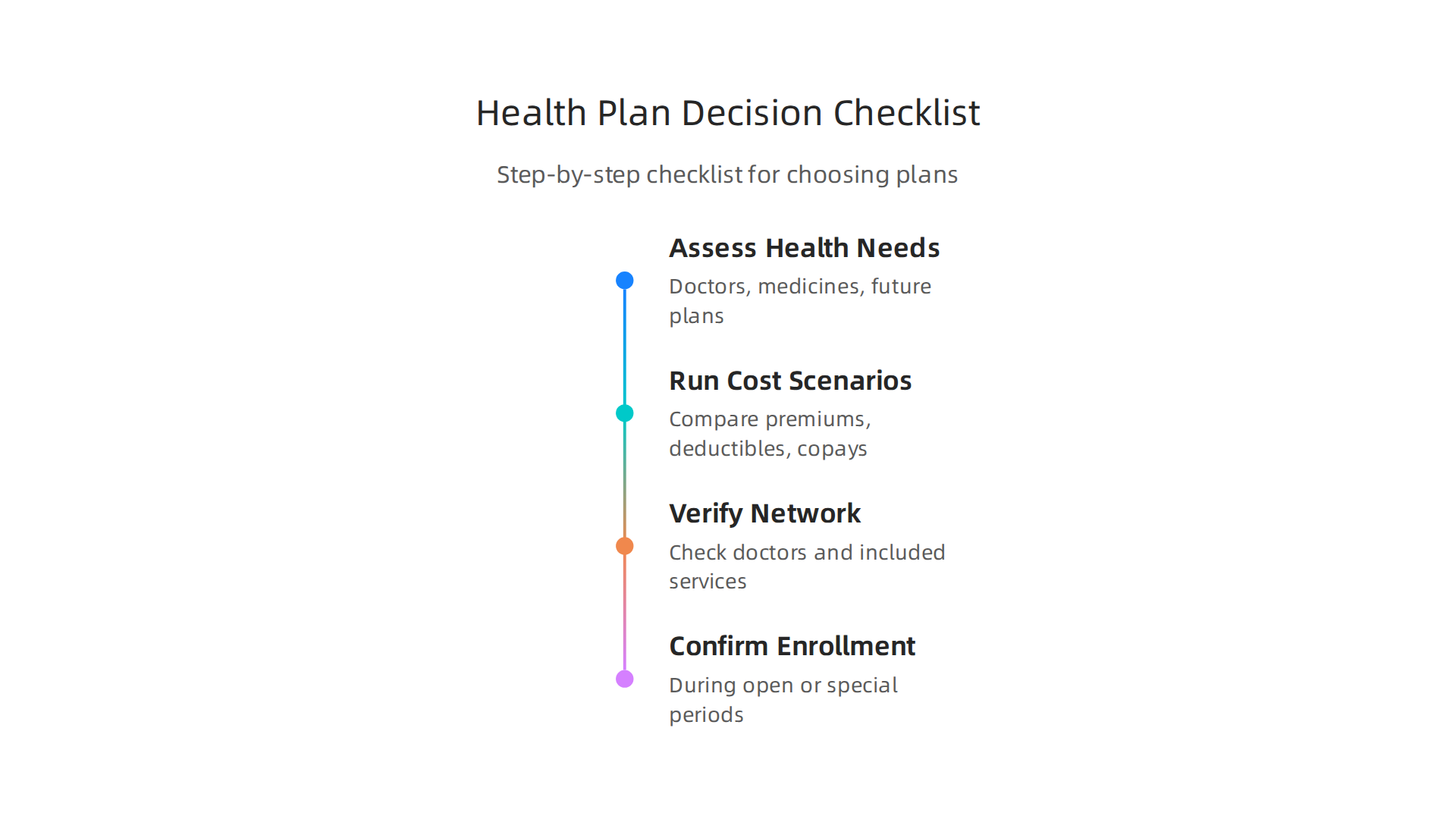
Choosing the right health plan can feel like a big puzzle. After learning about when you can enroll, the next important step is to figure out which plan is best for you and your family. This is where a simple checklist can really help. It makes the choices clearer so you can pick a plan that truly fits your needs in 2026. Many groups offer advice on how to do this, including a Checklist for Choosing Health Insurance from the state of Connecticut.
Decision Framework: Step-by-Step Checklist for Choosing the Right Plan
Here is a step-by-step checklist to guide you through picking the best health plan:
-
Assess Your Health Needs:
- Think about your doctors: Do you have a family doctor or any specialists you see regularly?
- Consider medicines: Do you take any daily medications?
- Future plans: Are you planning to have surgery, get pregnant, or need special therapies in the coming year?
- Knowing these things helps you see which plans cover what you need most. For example, some plans, like a specific
health alliance plan, might have different coverage for mental health support or physical therapy.
-
Run Cost Scenarios:
- Premium: This is the money you pay each month to have insurance. It is like a subscription fee.
- Deductible: This is how much money you have to pay for your healthcare before your insurance starts to pay.
- Copays/Coinsurance: These are the small amounts you pay for each doctor visit or service after your deductible is met.
- Out-of-pocket maximum: This is the most you will pay for covered services in a year. Once you reach this, your insurance pays 100% for the rest of the year.
- Compare these costs across different plans. Sometimes, a plan with a higher monthly premium has lower costs when you actually use care. Understanding your plan’s costs is key. You can learn more about this by reading How to Read Your Medical Insurance Card And Decode Your Health Plan Costs.
-
Verify Network and Benefits:
- Doctor Network: Check if your current doctors and hospitals are part of the plan’s network. If they are not, you might pay more to see them or have to find new ones.
- Included Services: Make sure the plan covers the services you expect to use. For instance, if you need regular check-ups or specific screenings, confirm they are covered. An insurer like
guardian insurancemight offer different bundles of benefits, so always look closely at the details.
-
Confirm Enrollment Windows:
- Remember the important enrollment periods we talked about earlier. Make sure you make your choices during Open Enrollment or a Special Enrollment Period.
When to Ask for Help
Sometimes, choosing a health plan can be tricky, even with a checklist. If you feel stuck, it is a good idea to reach out for help:
- Insurance Broker: These experts can help you compare many plans from different companies. They understand all the fine print.
- Benefits Counselor: If you get insurance through your job, your HR department or a company benefits counselor can explain your options. They can help you understand your specific
health benefits companyofferings. - Legal or HR Advisor: For more complex situations, especially with job-related insurance changes, these professionals can provide specific guidance.
Taking these steps will help you pick a health plan that gives you peace of mind. Staying informed about the healthcare world, including new technologies and trends, is always a smart move.
Get clear daily AI updates from The AI Newsletter Worth Reading.
Summary
This article explains how to navigate private health insurance in 2026 so you can choose coverage that fits your health needs and budget. It defines key plan terms—premium, deductible, copay, coinsurance, and out-of-pocket maximum—and shows how they work together to shape your real costs. The guide compares focused protection providers like Guardian (dental, life, disability) with employer plans, ACA marketplace options, short-term plans, and FEHB choices, and outlines when ancillary products such as dental, vision, and critical illness riders make sense. You’ll learn how subsidies and new tax rules affect affordability, why checking provider networks prevents surprise bills, and when open or special enrollment applies. Finally, the article gives a simple decision checklist and points to tools and resources so you can confidently pick and enroll in the right plan.