

Introduction: Why private health insurance matters for Canadian organizations and investors
Canada has a public healthcare system called Medicare. It helps cover basic doctor visits and hospital stays for everyone. This system is managed by provinces and territories following rules from the Canada Health Act [PDF] CANADA — International Health Care System Profiles …. But, this public system doesn’t pay for everything. Many common health needs, like going to the dentist, getting new eyeglasses, or buying prescription medicines, are often not fully covered by government plans. This creates gaps in healthcare coverage for many Canadians [Understanding Canadian Health Insurance – Public vs].
This is where private health insurance Canada becomes very important. In 2026, it’s not just a nice extra, but a real need for many people in Canada. In fact, most Canadians have some form of private insurance to help cover these extra costs, often through their jobs Private health insurance in Canada 2026: When You Need It on Top of Provincial Plans.
For businesses, hospitals, and investors, understanding private health insurance in Canada is key.

Employers often offer private plans as a benefit to attract and keep good employees. Hospitals need to know how these plans work for billing and patient care. And for investors, the world of health tech and private insurance holds many chances to grow. You can learn more about how these plans differ from government programs in our article on what is private insurance and how it differs from public programs in 2026.
This guide will give you clear, practical information. We will explore different types of private plans, what makes them cost more or less, how to choose the right one, and important rules to follow. We will also look at how new technology is changing health insurance. Our goal is to help decision-makers like you understand this important part of Canada’s healthcare system better.
To stay updated on the latest shifts in healthcare and technology, you might find our newsletter helpful.
The AI Newsletter Worth Reading
Understanding private health insurance in Canada goes beyond just knowing it fills gaps. For businesses and healthcare providers, it creates both opportunities and challenges. Let’s look at why it’s so important for companies, investors, and how it changes healthcare services.
Business Benefits and Challenges for Employers
Businesses in Canada use private health insurance for several important reasons. First, offering a good health benefits package helps them attract and keep skilled workers. In today’s job market, employees want more than just a salary. They want good coverage for things like dental care, eye exams, and prescription drugs, which Canada’s public system doesn’t always cover fully. Many Canadian employees receive their private coverage through their jobs The Scope and Nature of Private Healthcare in Canada.
Companies also use private plans to give extra care to certain employees, like executives. These special plans might offer more options or cover a wider range of services. However, this also means companies need to plan for growing costs. In 2026, Canadian health plan costs are expected to jump by 8.3%, which is much faster than inflation Canadian health premiums are climbing 8.3% in 2026. Managing these rising costs while still offering good benefits is a big task. Businesses need smart ways to handle their employee health benefits, and you can learn more about this in our guide on Mastering Health Care Benefits Technology.
Opportunities for Investors
The private health insurance market in Canada is also a hot spot for investors. As more Canadians seek extra coverage, the market continues to grow. Experts expect the Canada healthcare insurance market to reach a huge amount, about US$136.46 billion, by 2033 Canada Healthcare Insurance Market Size & Outlook, 2026-2033. This growth creates many chances for new products and services, especially with new health technology coming out.
Investors look for companies that can offer smart solutions, like better ways to manage claims or new digital health tools. Companies like Assurant insurance and others are always looking for ways to improve their offerings. Keeping up with changes in health technology is key for anyone investing in this field. Learn more about how new tools are changing patient care in our article on Healthcare Technology Trends 2026 Reshape Medicine and Patient Care.
Clinical and Operational Implications
For hospitals and healthcare providers, private health insurance changes how care is given. It helps patients get access to specialized services that might not be fully covered by the public system. These can include things like mental health support, specific types of therapy, or certain medical equipment. Private health services plans can help pay for a variety of hospital and medical expenses Private Health Services Plans.
This also means that hospitals and clinics need to understand different insurance plans for billing and patient appointments. When patients have private coverage, it can affect how quickly they get care or the types of treatments they can choose. Integrating behavioral health into main healthcare services is one area where technology and better plans can make a big difference for patients. Our article on Behavioral Health Integration Drives Health System Innovation Across North America explores this in more detail.
Questions for Organizations
When thinking about private health insurance, organizations should ask themselves:
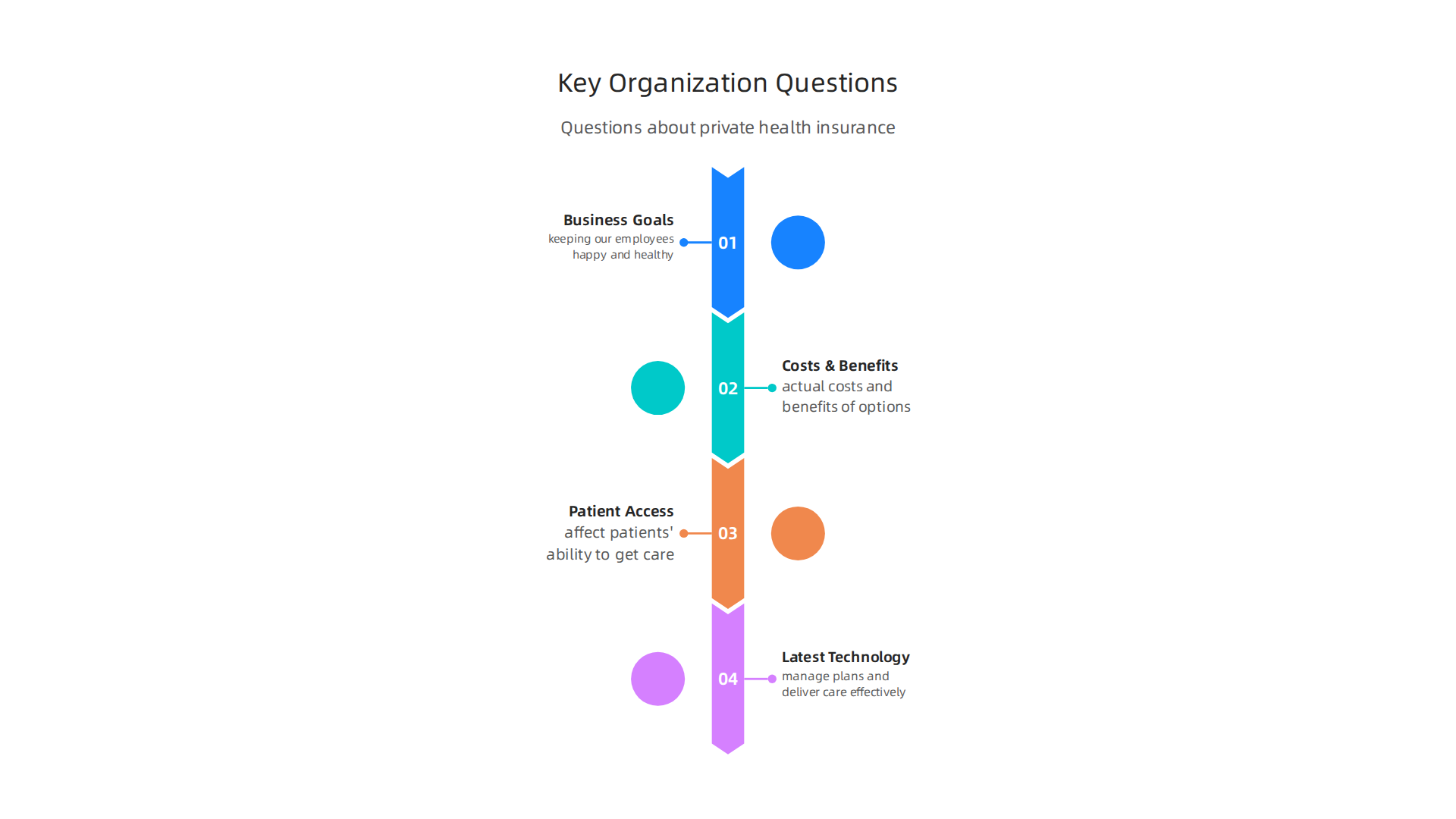
- How can offering private plans help us reach our business goals, like keeping our employees happy and healthy?
- What are the actual costs and benefits of different private insurance options?
- How does private insurance affect our patients’ ability to get the care they need?
- Are we using the latest technology to manage these plans and deliver care effectively?
Thinking about these questions helps businesses and healthcare providers make good choices about private health insurance in Canada.
Thinking about these questions helps businesses and healthcare providers make good choices about private health insurance in Canada. Now, let’s explore the basic workings of private health insurance in Canada and how it fits with the public healthcare system.
How Private Health Insurance Works in Canada: Interplay with Public Healthcare
Canada is known for its public healthcare system, often called Medicare. This system provides necessary hospital and doctor care to all citizens and permanent residents through provincial and territorial plans CANADA — International Health Care System Profiles. However, this public system doesn’t cover everything. That’s where private health insurance Canada comes in. It works as a partner to the public system, covering services that public plans leave out.
What Private Plans Cover
Private health insurance, also known as supplemental or extended health insurance, pays for many services that provincial health plans do not. Think of it as filling in the blanks. These plans usually cover things like:
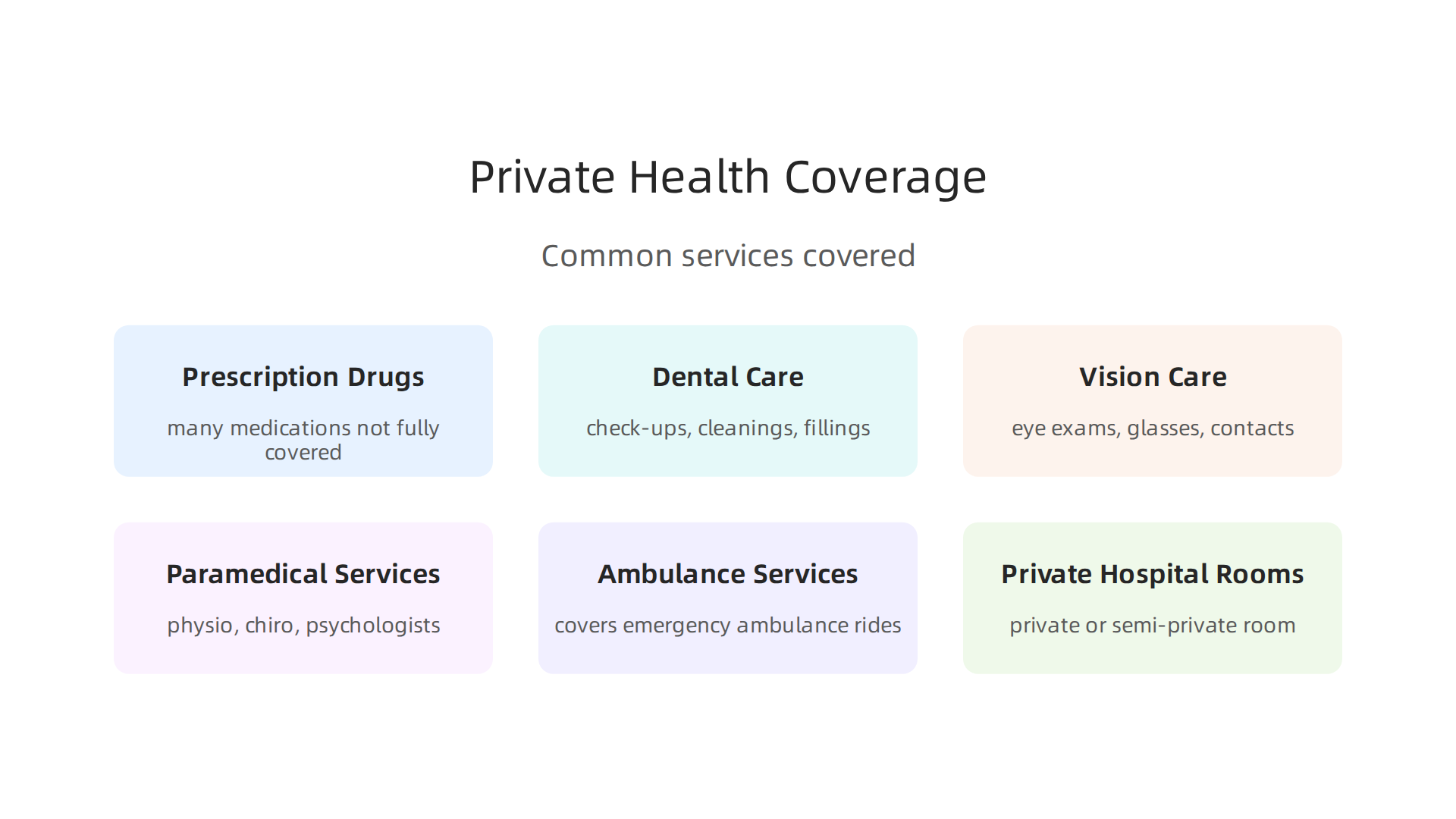
- Prescription Drugs: Many medications you get from a pharmacy are not fully covered by public health. Private plans often help pay for these.
- Dental Care: Routine check-ups, cleanings, fillings, and even major dental work are typically covered by private insurance.
- Vision Care: This includes eye exams and helps pay for glasses or contact lenses.
- Paramedical Services: This can mean visits to specialists like physiotherapists, chiropractors, massage therapists, or psychologists.
- Ambulance Services: In some provinces, you might have to pay for an ambulance ride, and private plans can cover this.
- Private Hospital Rooms: While public health covers a standard hospital room, private insurance can pay for a private or semi-private room if you prefer.
Understanding how private plans differ from public programs is key to seeing their value. You can learn more about this in our guide on What Is Private Insurance and How It Differs from Public Programs in 2026.
How People Get Private Health Insurance
Most Canadians get their private health insurance through their jobs as part of a group benefits plan Private Health Insurance in Canada: Plans, Costs & How to …. Employers often offer these plans to attract and keep good workers. Companies like Assurant insurance offer different kinds of private health insurance plans.
If you don’t have a plan through work, you can buy an individual private health insurance plan. These plans let you choose the coverage that best fits your needs, whether it’s a complete plan with dental and drugs, or one that focuses on specific areas like high drug costs Best Private Health Insurance in Canada (2026 Review). When picking a plan, it’s wise to explore your options and choose what works best for your situation. Check out our advice on how to Choose Your Best Health Insurance Plan for 2026.
Enrolment and How Plans Work Together
Enrolling in a private plan usually happens through your employer or directly with an insurance company. These plans often have rules about who can be a beneficiary, covering you and your family. Private health insurance in Canada works as "complementary" coverage. This means it pays for services that are not part of the public system, rather than paying for things the public system already covers Understanding Canadian Health Insurance – Public vs. This setup helps make sure people have access to a wider range of healthcare services.
For those interested in how technology is changing these plans, there’s a lot to explore.
Get clear daily AI updates from The AI Newsletter Worth Reading.
For those interested in how technology is changing these plans, there’s a lot to explore. But first, let’s look at the different kinds of private health insurance Canada offers and what choices you have when picking one. Not all plans are alike, and knowing the differences helps you find the best fit.
Different Types of Private Plans
Private health insurance plans in Canada usually come in a few main types.
Each one works a bit differently for employers and their workers.
- Insured Group Plans: These are the most common plans, especially for smaller and medium-sized businesses. The employer pays a regular amount, called a premium, to an insurance company. In return, the insurer takes on the financial risk of paying out claims. This means if many employees have high medical costs, the insurance company covers it.
- Self-Insured Plans (or Administrative Services Only plans, ASO): Larger companies often choose this path. They set aside their own money to pay for employee health claims. They then hire an insurance company to manage all the paperwork, claims processing, and customer service. This is called an Administrative Services Only, or ASO, plan. The company pays an administration fee to the insurer, but they keep any money left over if claims are lower than expected. This can be a smart choice for big companies because they have more control over their funds. You can learn more about different approaches to benefits by exploring how to understand every health benefits model for 2026.
- Executive Top-Up Plans: Some businesses offer special, enhanced plans for their senior managers or executives. These plans add extra coverage on top of the regular group plan. They might include higher limits for certain services, more extensive travel insurance, or access to different types of care.
Companies like Assurant insurance provide various options for these kinds of private health insurance, helping businesses tailor their benefits.
Key Choices in Benefit Design
When designing or choosing a private health insurance plan, there are many choices that change how much you pay and what you get.

- Deductibles and Co-pays: A deductible is an amount you pay yourself before your insurance starts to cover costs. A co-pay is a small, fixed amount you pay each time you get a service, like seeing a doctor or filling a prescription. Plans can have different deductibles and co-pays.
- Reimbursement vs. Direct Billing Networks: Some plans ask you to pay for a service first, and then you send your receipt to the insurer to get your money back. This is called reimbursement. Other plans use direct billing. With direct billing, the healthcare provider (like a dentist or physiotherapist) sends the bill straight to the insurance company, and you only pay any part not covered by the plan.
- Paramedical Caps: These are limits on how much your plan will pay for services from certain healthcare professionals, like chiropractors, massage therapists, or psychologists. For example, a plan might cover up to $500 per year for physiotherapy.
- Mental Health Coverage: This has become a very important part of private health insurance. Many plans now include coverage for mental health services, such as visits to psychologists or counselors. The need for these services is growing, and medical plan costs are expected to increase in 2026 due to factors like higher demand for behavioral health services and increased prescription drug spending Issue brief – actuary.org. In fact, Canadian health premiums are set to climb by 8.3% in 2026, partly driven by these rising costs Canadian health premiums are climbing 8.3% in 2026 — and OSFI just put insurers on notice.
Customizing Your Plan
The best private health insurance plan depends on who is buying it.
- Small and Medium-sized Enterprises (SMEs) often look for plans that are easy to manage and offer good value, like insured group plans.
- Large Employers might prefer ASO plans to have more control over costs and benefits.
- Health Systems might need plans that work well with their existing healthcare services, sometimes offering more specialized benefits to their employees.
Customization options let businesses choose what matters most to their employees. This could mean adding more coverage for specific drugs, increasing limits for mental health services, or offering special programs for wellness. Understanding these options helps businesses pick a plan that truly meets their needs and keeps their employees healthy and happy.
Choosing the right private health insurance in Canada means thinking about more than just what’s covered. It also means looking closely at how much it costs and what tax rules apply. For both businesses and individuals, understanding these money matters is key to making a smart choice.

Primary Cost Drivers
Premiums for private health insurance plans are shaped by several things.
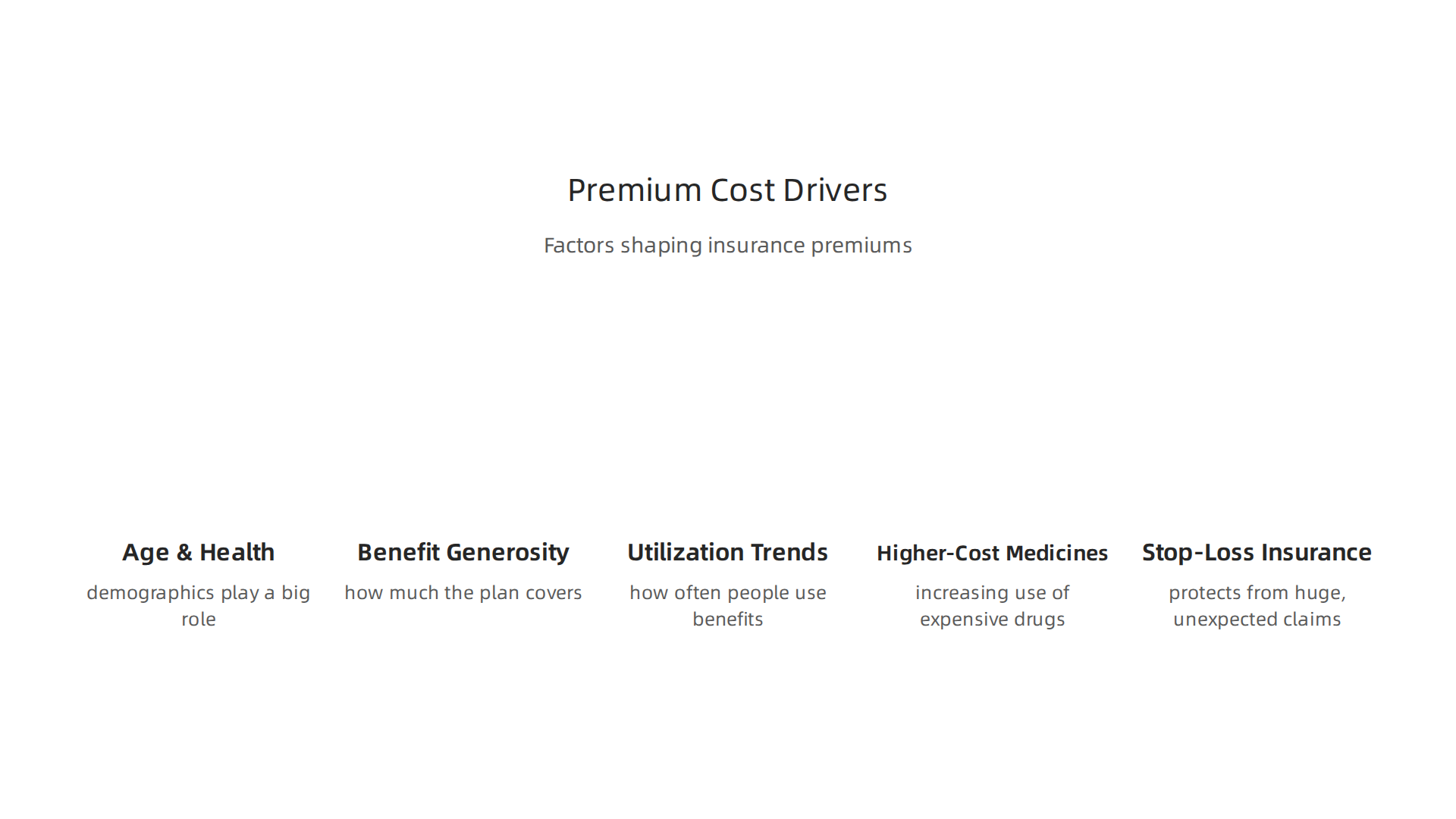
The age and overall health of the people covered (demographics) play a big role. How much the plan covers (benefit generosity) also matters. Plans that cover more services or have higher limits usually cost more. How often people use their benefits (utilization trends) directly impacts costs. If many people get expensive treatments, costs go up.
In fact, a major cost driver for Canadian private drug plans is the increasing use of higher-cost medicines, known as the "drug-mix effect" Cost drivers in Canada’s public and private drug plans. Beyond drugs, the overall growth in private drug plan costs comes from how many people make claims, how many claims each person makes, and the cost of each claim 2025 COST DRIVERS REPORT. For self-insured plans, "stop-loss" insurance helps protect companies from huge, unexpected claims, adding another layer to the overall cost.
Tax Considerations for Employers and Employees
In Canada, the way private health insurance benefits are taxed is usually good for both employers and employees. For employers, the money they pay for employee private health insurance is often seen as a business expense. This means it can lower the amount of income tax the business has to pay. For employees, the benefits they get from these plans are generally not taxed as income. This makes private health insurance a valuable part of an employee’s total pay package because the benefits are tax-free. When planning total compensation, knowing these tax rules helps businesses offer attractive benefits without adding extra tax burden to their workers.
Controlling Costs and Competitive Benefits
For businesses looking for private health insurance Canada has to offer, keeping costs down while still offering good benefits is a common goal. When choosing a plan, companies need to consider what their employees truly need versus what might be "nice to have." This means carefully reviewing deductibles, co-pays, and coverage limits.
Working with an insurance broker can be really helpful here. They can compare different plans and help you negotiate better rates. Also, staying informed about the latest health technology and market trends can lead to smart choices. For example, looking into digital health platforms or wellness programs might help manage employee health better over time, which can reduce claims and costs. You can explore how an expert can help you navigate rising 2026 costs for your health tech company.
If you’re a professional in healthcare and technology, keeping up with rapid changes is crucial for smart decision-making. Get clear daily AI updates from The AI Newsletter Worth Reading.
To make sure companies in Canada get the best private health insurance, they need a clear plan for how they pick and handle their benefits. This includes knowing what their employees truly need and how to measure if the benefits are working well.
Practical Steps for Finding a Plan
Choosing the right insurance starts with understanding what your team needs.
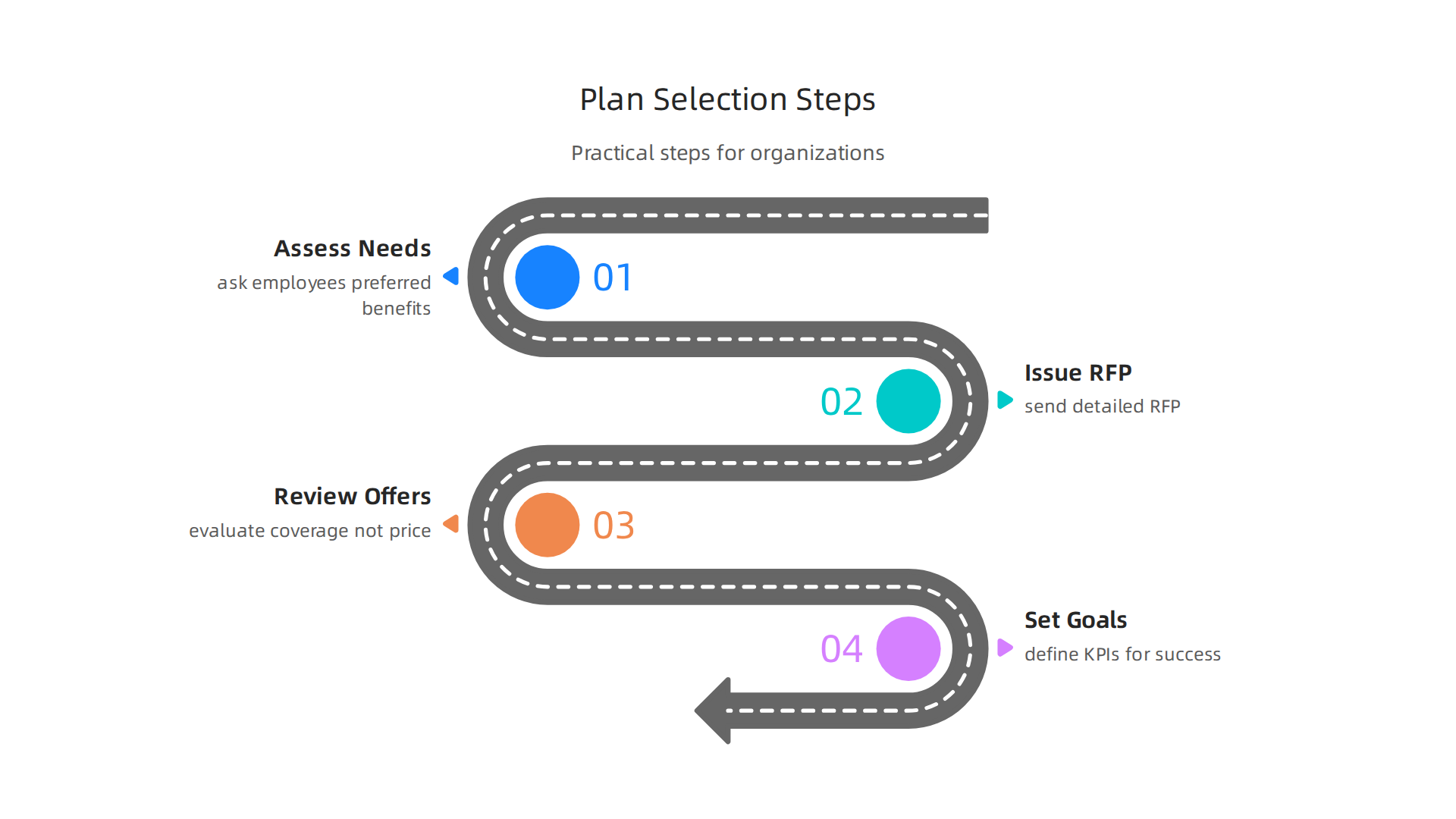
- Find Out What Employees Need: Before asking for quotes, businesses should ask employees what kind of health benefits they want and need. This helps make sure the plan covers things that employees will actually use and value. A good way to do this is through employee surveys to gather preferences RFP for benefits administration: Examples, how to implement ….
- Send Out a Request for Proposal (RFP): An RFP is like a detailed job listing you send to different insurance companies or brokers. It explains exactly what you’re looking for in a private health insurance Canada plan. You need to be clear about your goals and what you expect Employee Benefits RFP Guide: Best Practices and Examples. This helps them offer the best options.
- Review Offers Carefully: When you get offers, don’t just look at the price. Think about things like how well the system works, how safe employee data will be, and how much experience the insurance company has. You should also look at how they plan to help you set things up The Art of the Benefits RFP. Making sure the new system works smoothly with your payroll is also key Payroll and Benefits Integration Guide. You should also check for privacy and strong security for employee information Best HR, Office & Employee Services Vendors Compared (2026).
- Set Goals for Your Benefits: It’s important to set clear goals, called Key Performance Indicators (KPIs), to measure if your benefits plan is successful. These might include how much employees use their benefits, how happy they are with the plan, and if the plan helps keep good employees working for your company RFP for benefits administration: Examples, how to implement ….
Helping Employees Enroll and Measuring Success
Once you’ve chosen a private health insurance plan, the next steps are all about making sure employees understand and use it.
- Good Communication is Key: During "open enrollment" time, when employees pick their benefits for the year, clear and easy-to-understand information is a must. Explaining what’s covered, how to sign up, and who to ask for help makes a big difference.
- Check How Things Are Going: After enrollment, it’s smart to check how often employees are using their benefits and if they are happy with them. You can use surveys or feedback sessions. This helps you know if the plan is truly helping your employees and meeting company goals. Learning to understand every health benefits model for 2026 can help in evaluating performance.
- Benefits and Keeping Employees: Good private health insurance can help your company keep its best workers. When employees feel cared for, they are more likely to stay with a company. By linking your benefits programs to how long employees stay, you can see the real value, or Return on Investment (ROI), of your health plan. This applies to various types of coverage, from general what is private insurance and how it differs from public programs in 2026 to more specific private medical insurance options.
Avoiding Mistakes and Trying New Things
Even with a good plan, there can be bumps in the road.
- Watch Out for Common Mistakes: A big mistake is picking a vendor just because they are cheap. It’s better to look at the overall value, including their service and how they handle data Broker RFP process guide: how to launch a winning ….
- Try New Benefits Slowly: If you want to add new types of benefits, like digital health tools or wellness programs, it’s smart to try them out with a small group first. This "piloting" or "phasing" helps you see if they work well before offering them to everyone. It lowers risks and makes sure new benefits are a good fit.
Once a company chooses a private health insurance plan for its team, the next big steps are all about how claims are handled, which doctors and clinics are available, and how technology helps it all run smoothly. This is where the day-to-day experience of the plan truly comes to life for employees in Canada.
How Claims Are Handled
When an employee uses their private health insurance, they usually need to make a "claim." This means telling the insurance company about the service they received, like a visit to the dentist or a prescription from the pharmacy.
- Submitting Claims: Claims can be sent in different ways. Sometimes, employees fill out paper forms and mail them. More often today, they use online portals or mobile apps to submit claims digitally. This makes the process faster and easier.
- Getting Claims Approved (Adjudication): After a claim is sent, the insurance company checks it. They make sure the service is covered by the plan and that all the details are correct. This checking process is called "adjudication." If everything looks good, the claim is approved, and the employee gets paid back, or the provider gets paid directly.
- Common Problems: Sometimes, claims can be confusing. Employees might not know what information to include, or there could be delays in getting money back. Companies should look for insurance providers that make the claims process clear and offer good support to help employees. Also, protecting employee information during this process is very important. Canada has strong privacy laws like the Personal Information Protection and Electronic Documents Act (PIPEDA) that companies must follow when handling health data PIPEDA legislation and related regulations.
Doctor and Clinic Networks
A big part of any private health insurance Canada plan is its network of doctors, hospitals, and other healthcare providers.
- What Are Networks?: A provider network is a list of healthcare professionals and places (like clinics or labs) that have an agreement with the insurance company. When employees see providers within this network, they often pay less out of their own pocket.
- Direct Billing: Many plans offer "direct billing" for network providers. This means the doctor or clinic sends the bill straight to the insurance company, and the employee only pays for what the insurance doesn’t cover. This is very convenient for employees as they don’t have to pay the full amount upfront and wait to be reimbursed.
- Digital Tools: Modern plans use digital tools to help. These can be online directories where employees find in-network providers or special connections (like EHR/EMR connectors) that help doctors send information to the insurer quickly and safely.
Connecting Benefits with Technology
Today, good private health insurance plans rely a lot on technology to work well.
- Data Exchange: It’s helpful when the insurance company’s system can talk to other company systems, like payroll and HR. This "data exchange" means less manual work, fewer mistakes, and more accurate information for everyone. For example, syncing up payroll and benefits makes sure that payments are correct and on time Payroll and Benefits Integration Guide.
- Digital-First Claims: Using apps and websites for claims, instead of paper, makes everything faster. It means employees can get their money back sooner, and companies spend less time on paperwork.
- Smart Automation: Technology can also automate things like getting approval before a big treatment (called "prior authorization"). This helps everyone avoid surprises and ensures that covered services are approved quickly. Companies often look for partners that offer strong integration depth with systems like accounting and identity management to make these processes seamless Best HR, Office & Employee Services Vendors Compared (2026). Understanding how to set up these modern systems can help your company master the best solutions available today. To learn more about how different systems can work together, explore how to mastering health care benefits technology.
To stay updated on how technology is changing healthcare and benefits, consider signing up for insights from leading experts.
The world of health technology moves quickly. Stay informed with daily updates on AI and tech trends by subscribing to The AI Newsletter Worth Reading.
Making sure your company’s private health insurance plan follows all the rules is super important. It keeps everyone safe and makes sure things run smoothly. This is called the regulatory landscape, and it deals with laws about privacy, how things are handled, and checking risks.
Regulatory Landscape and Data Protection
In Canada, private health insurance plans must follow a mix of federal and provincial laws. The main federal law that protects your personal information is called the Personal Information Protection and Electronic Documents Act (PIPEDA). This law tells private companies how they must collect, use, and share personal details, including health information. It makes sure that your data is handled with care and respect. For companies, understanding the PIPEDA requirements in brief is a key step.
Each province also has its own laws about health information. For example, in Ontario, there’s the Personal Health Information Protection Act, 2004, often called PHIPA. These provincial rules can add more details to how health data must be protected. It’s smart for companies to look at a Privacy Legislation Summary Across Canada to know all the rules that apply to them.
For employers and the insurance companies they work with, there are key compliance checkpoints. This means:
- Privacy Officers: Many laws require someone in charge of privacy. This person makes sure the company follows all the rules. For example, board governance in 2026 often needs a designated privacy officer. You can learn more about PHIPA-Compliant Board Governance in 2026 if you operate in Ontario.
- Clear Policies: Companies need to have clear rules for how they handle personal health information. These rules should cover why they collect information, how they use it, and when they share it.
- Keeping Data Safe: Strong security measures are needed to stop unauthorized people from getting to health data.
Managing Risks with Contracts
When choosing a provider for private health insurance Canada, it’s not just about the benefits. The contracts with these providers are very important for managing risks.
- Service Level Expectations: These are like promises in the contract about how well the insurance provider will do their job. For instance, how fast will claims be processed? How quickly will they answer questions? These promises help you know what to expect.
- Data Security Clauses: It’s vital that the contract clearly says how the insurance provider will keep your employees’ health data safe. It should talk about security standards and what happens if there’s a data breach.
- Audits and Oversight: The contract should allow your company to check in on the insurance provider. This means doing audits to make sure they are truly following the rules and keeping data safe.
When to Ask for Legal Help
It can be a bit tricky to navigate all these rules. If you are setting up a new private health insurance plan or changing an old one, you might need to involve legal experts. This is especially true if:
- You are unsure about a specific privacy law.
- You are signing a new contract with an insurance provider, especially if it involves new technology or ways of sharing data.
- There are questions about how a vendor handles sensitive employee information, perhaps even concerning specific types of plans, like Assurant insurance 2026 plans for health tech leaders.
- You are dealing with a data security issue.
Getting legal advice early can help avoid bigger problems later on and make sure your company is always compliant with the laws around private health insurance.
Summary
This article explains how private health insurance in Canada fills gaps left by provincial Medicare and why it matters for employers, providers and investors. It breaks down what private plans typically cover—prescription drugs, dental, vision, paramedical care and private rooms—how people enroll, and the main plan types (insured group, self‑insured/ASO, executive top‑ups). The guide covers cost drivers like drug mix and utilization, tax and stop‑loss considerations, and design levers such as deductibles and direct billing. It also walks through practical steps—employee needs assessment, RFPs, vendor selection, enrollment and KPIs—while stressing privacy (PIPEDA/provincial laws), contract clauses and when to get legal help. Finally, the article highlights how digital tools and brokers can reduce friction, improve claims handling and help control rising 2026 premiums.