


Health systems in the Southeast region are facing big changes in 2026. It’s more important than ever for these systems to work together on digital projects. This helps them stay strong for a long time and keeps people in the community healthier.

When different hospitals and clinics in the Southeast work as one, they can share information better and provide better care to everyone.
Actually, focusing on combined digital programs is a smart move for all southeast healthcare providers. It means they can offer care that is more connected and efficient. For example, a patient visiting a clinic might have their health records easily shared with a hospital in the same network, like a summit healthcare facility. This kind of teamwork is key for improving health for everyone in the region. The South has a higher percentage of uninsured individuals compared to other parts of the country, making coordinated efforts even more vital for access to care Health and Health Coverage in the South: A Data Update – KFF.
However, making these big changes isn’t always easy. Healthcare leaders face many challenges. They have to decide which new tools to buy (that’s called procurement), make sure all their different computer systems can talk to each other (interoperability), and help their staff learn how to use new technology (workforce adoption). Plus, they must follow all the complex rules and laws (regulatory compliance). These challenges are common across many regional systems, whether it’s a smaller clinic or a large alliance health network.
This article is for leaders like you, whether you’re an executive, part of a digital health team, or an investor looking at the southeast healthcare market. We will give you clear, proven ways to tackle these issues. Our goal is to offer a practical guide that can help you make smart choices and truly improve health in the Southeast. If you want to keep up with the newest advancements in AI and health tech that are shaping the future of healthcare, you’ll find our daily updates invaluable.
Get clear daily AI updates from The AI Newsletter Worth Reading.
1) Mapping the Southeast healthcare landscape and stakeholders
To make smart choices for digital health, we first need to know who the main players are in the southeast healthcare world. This area has many different groups working to keep people healthy. Understanding these groups and how they work together is the first step.
Key Players in Southeast Healthcare
Here are the main types of organizations you’ll find:
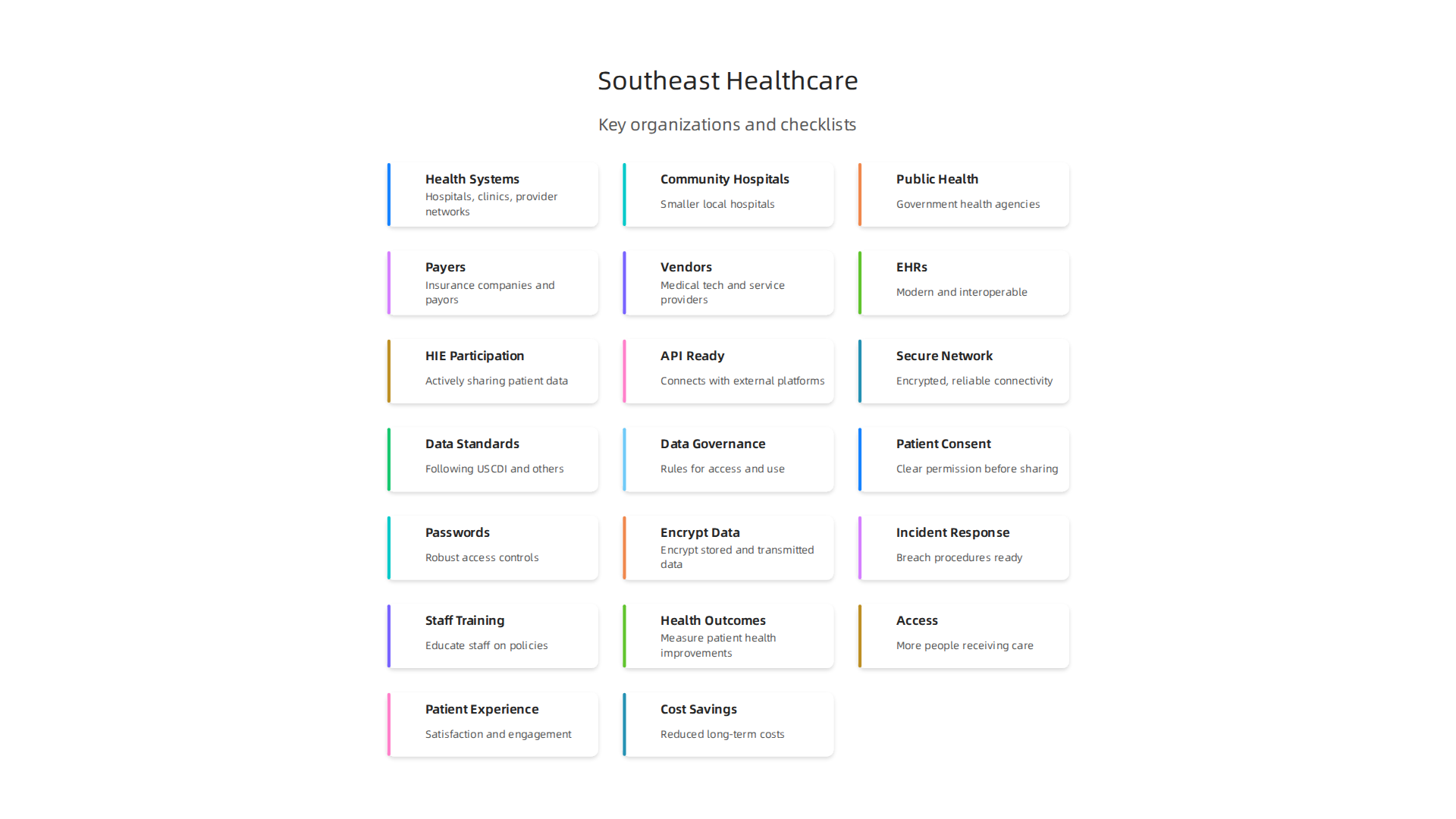
- Health Systems: These are big groups that include many hospitals, clinics, and doctors’ offices. They often cover a large area and serve many people. For example, some systems like Southeast Health serve nearly 19,000 inpatients, mostly from a 13-county area in Alabama, Florida, and Georgia COMMUNITY HEALTH NEEDS ASSESSMENT.
- Community Hospitals: These are smaller hospitals, often found in towns and rural areas. They are very important for local care. There are over 5,000 hospitals in the U.S. in 2026 Fast Facts on U.S. Hospitals, 2026 | AHA, and many are community-focused.
- Public Health Authorities: These are government groups that work to protect the health of everyone in a county or state. They track diseases, give vaccines, and teach people about healthy living. For digital projects, they might set Public Health Data Standards Building Smarter Systems for 2026.
- Payers: These are the companies or government programs that pay for healthcare services. This includes private insurance companies, as well as Medicare and Medicaid. For example, the Southeast HealthCare System works with Medicaid, Medicare, and commercial insurance FY 2025 Annual Impact Report.
- Vendors: These are companies that sell medical equipment, software, and services to health systems and hospitals. They offer the tools that make digital health projects possible. It’s important to understand the role of Healthcare Software Companies Navigating the 2026 Health Tech Market.
How They Work Together
When these groups want to use digital tools, they often form partnerships. This helps them share costs, knowledge, and even patient data. These partnerships might involve:
- Joint Ventures: Where two or more organizations create a new company for a specific project.
- Shared Services Agreements: Where they agree to share certain digital tools or IT staff.
- Health Information Exchanges (HIEs): These are special networks designed to let different healthcare providers easily and safely share patient health information.
These setups help everyone work towards common goals, like improving care for the community. Sometimes, groups like those focusing on health first colorado programs might partner with community health centers to better serve people. When thinking about how to Choose and Scale Community Health Care Models for Optimal Health Equity, these partnerships are key.
Goals and Measures of Success
Leaders in southeast healthcare usually focus on clear goals for their digital projects. They want to see real improvements. Some common goals and ways to measure them (Key Performance Indicators, or KPIs) include:
- Reducing Readmissions: This means fewer patients have to come back to the hospital soon after being sent home. Digital tools can help patients follow their care plans better.
- Better Care Coordination: Making sure all doctors, nurses, and other care providers have the same information about a patient. This leads to smoother care.
- Improving Patient Access: Using online tools for appointments, talking to doctors, or getting test results. This helps more people get the care they need, especially in areas with fewer providers.
- Lowering Costs: Digital tools can make operations more efficient, which saves money.
- Boosting Patient Satisfaction: Happy patients are a good sign that the system is working well.
By setting these goals and tracking them, leaders can make sure their digital efforts are truly helping the people of the Southeast.
When leaders in southeast healthcare look to make their digital projects work well, they first need strong technical foundations. It’s like building a house; you need to make sure the base is solid before you add anything else. This means checking on tools like Electronic Health Records (EHRs), how different systems talk to each other, and how good their internet connections are.
Building Blocks for Digital Health
To really make a difference, southeast healthcare systems rely on a few key parts:
- EHR Platforms: These are computer systems that hold all a patient’s health information in one place. Think of it as a digital version of their paper chart, but much smarter. EHRs are the main tool doctors and nurses use every day. They help keep track of visits, medicines, test results, and more. Modern EHR systems, like those using AI, are changing how primary care works for many doctors’ offices Elation Health AI EHR Redefines Primary Care For Independent Practices.
- Health Information Exchanges (HIEs): An HIE is like a bridge that lets different hospitals and clinics share patient information safely. For example, if you see a doctor at
summit healthcareand then go to a different hospital, the HIE can make sure both places have your latest records. This helps doctors make better decisions quickly. - APIs (Application Programming Interfaces): These are like special plugs and sockets that let different computer programs connect and share data. In healthcare, a big focus is on Fast Healthcare Interoperability Resources, or FHIR, APIs. These are becoming the standard way for health systems to talk to each other easily. By July 2026, many networks must use FHIR APIs that follow specific guidelines to give access to patient data CMS Interoperability: Q1 2026 Healthcare Executive Guide.
- Secure Networks: All this sharing of health information needs to happen over safe, secure internet connections. Protecting patient privacy is super important, so these networks have strong safeguards.
Sharing Data Smoothly: The Interoperability Challenge
The big word here is "interoperability." It means that different healthcare IT systems can seamlessly talk, understand, and use information from each other Interoperability in Healthcare | Best Practices & Strategies. Actually, achieving this can be quite tricky.
Many healthcare groups still face challenges that slow down how they share information. This often happens because:
- Different Systems: Hospitals use many different EHRs and other software that don’t always speak the same digital language.
- Older Technology: Some systems are older and were not built to share information easily. Modernizing these older systems is a key step for regional hospitals How to Modernize Legacy Health Systems in Regional Hospitals.
- Missing Standards: While there are new rules and standards, not everyone has caught up yet. For example, the United States Core Data for Interoperability (USCDI) is a key set of data standards that systems need to use, and USCDI v3 was required by January 1, 2026 Progress on Interoperability and Ongoing Improvements. The government’s Office of the National Coordinator for Health IT (ONC) keeps working to improve these standards, with a new 2026 Interoperability Standards Advisory available 2026 Interoperability Standards Advisory Reference Edition.
These gaps mean that patient data can get stuck, making it harder for doctors across different parts of southeast healthcare to see a full picture of a patient’s health. For example, a doctor with health first colorado patients might need to call another facility to get records, instead of seeing them instantly.
Your Digital Infrastructure Checklist
To make sure your southeast healthcare digital projects succeed, here’s a quick checklist for your technology setup:
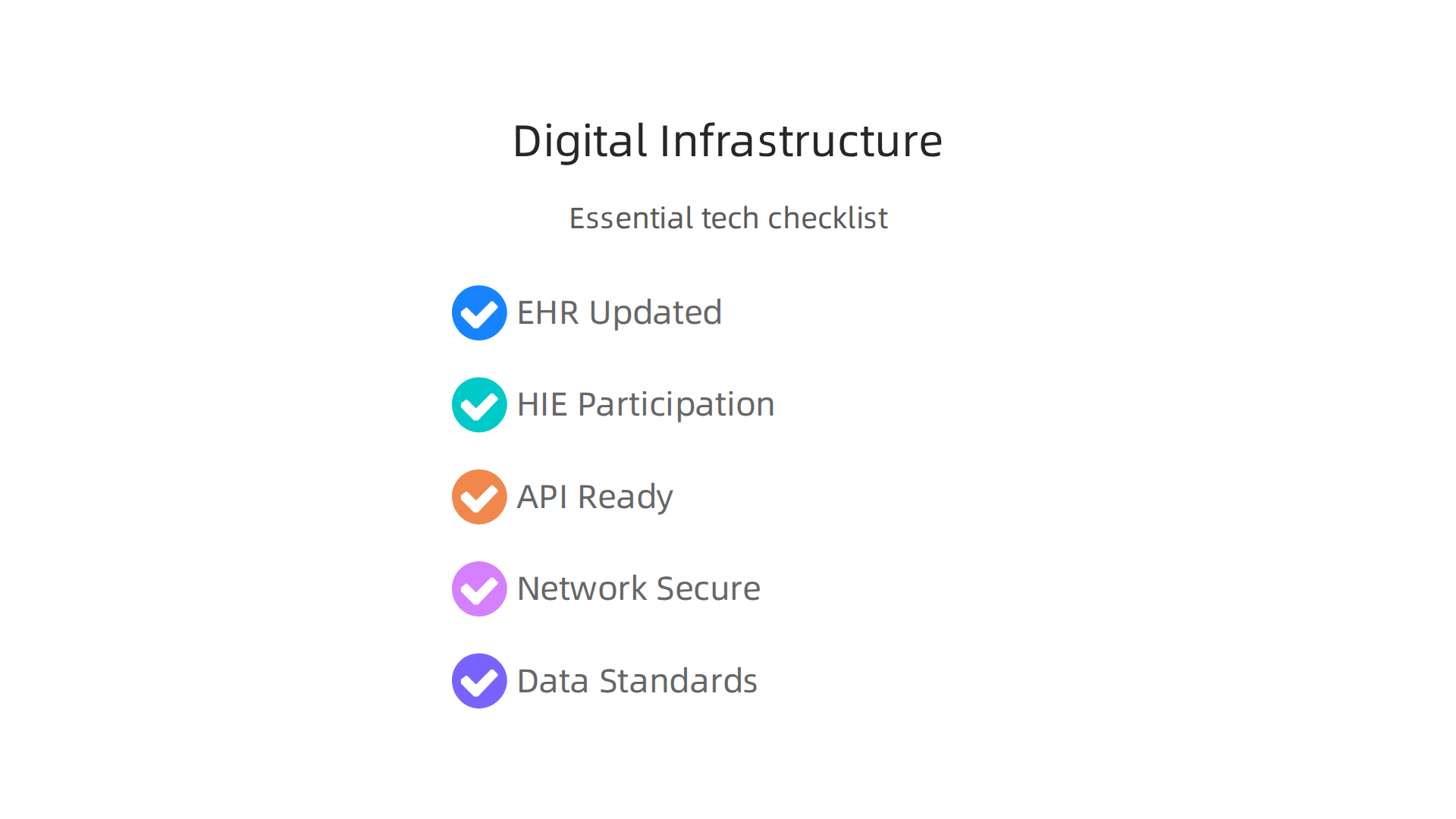
- EHR Up-to-Date? Is your EHR system modern and set up to share data using the newest standards like FHIR?
- HIE Participation? Are you actively taking part in Health Information Exchanges to share and receive patient data?
- API Ready? Are your systems ready to connect with other platforms using modern APIs?
- Secure & Fast Network? Do you have strong, secure internet connections that can handle lots of data sharing?
- Data Standards Followed? Are you using the latest data standards, like USCDI, for all patient information?
By focusing on these building blocks, healthcare organizations in the Southeast can lay a strong foundation for future digital growth and better patient care. It’s all part of mastering digital transformation in health systems Mastering Regional Health Systems Digital Transformation.
Mastering the technology is only one part of digital transformation. The other big part is making sure people actually use the new tools well. For southeast healthcare organizations, this means looking closely at how doctors, nurses, and other staff do their jobs every day and helping them learn new ways.
Adapting Clinical Workflows for Digital Tools
When new digital tools like advanced EHRs or patient apps come into play, the way healthcare workers do their tasks changes. Their "clinical workflows" need to adapt. This can be a big shift. For example, instead of writing notes on paper, they’re typing them into a computer. Or, instead of calling another hospital for patient history, they’re checking a shared digital system.
It’s vital to involve the staff from the very start. When healthcare workers feel like they are part of the process, they are more likely to use the new technology. In fact, getting staff involved is key to making digital systems work well Workforce engagement is vital to the successful adoption of digital systems.
The Role of Clinician Champions
One great way to help everyone get on board is through "clinician champions." These are doctors, nurses, or other clinical staff who are excited about new technology. They learn the new systems really well and then help their coworkers. They can answer questions, show how things work, and explain how the new tools will make patient care better. For example, a doctor at summit healthcare who loves using the new digital tools can encourage others.
Training and Change Management for Adoption
To make sure new digital tools are used well across southeast healthcare, a clear plan is needed. This includes:

- Good Training Programs: Staff need easy-to-understand training. This isn’t just a one-time thing; it should be ongoing and based on what each person needs. Lack of training is a common reason why digital tools aren’t used fully The imperative of digital competence in healthcare professionals. Training helps staff feel ready and able to use new digital tools Enhancing digital readiness and capability in healthcare – PMC.
- Clear Governance: This means having clear rules and leaders who guide the use of new technology. It ensures everyone knows what to do and who to ask for help.
- Strong Change Management: New technology means change. People naturally might resist change, so healthcare groups need to manage this process carefully. This involves talking openly with staff, listening to their concerns, and showing them the benefits. A good change management plan helps smooth the path for new digital health tools Change Management Strategies for Seamless Adoption of Digital.
For example, an alliance health system rolling out a new app for health first colorado patients would need clear training on how to use it, plus ongoing support and leadership to ensure staff feel comfortable.
Monitoring Staff and Patient Safety
During the rollout of new digital tools, it’s very important to keep an eye on how staff are doing and if patient safety is still top-notch.
Healthcare leaders should watch for signs of "clinician burden," which means staff feeling overwhelmed or stressed by new systems. It is important to measure outcomes during implementation of digital tools Measuring Implementation….
Ways to monitor include:
- Asking for Feedback: Regularly ask doctors and nurses what’s working and what’s not.
- Tracking Usage: See how often staff are using the new tools. Low usage can mean problems.
- Checking for Errors: Make sure new tools are not leading to more mistakes or slowing down patient care.
By putting people first and planning carefully, southeast healthcare systems can make sure their digital tools truly improve how care is given.
Stay up-to-date with the latest advancements in AI and technology that are shaping the future of healthcare. Get clear daily AI updates from The AI Newsletter Worth Reading.
Making sure staff use new tools is only one part of the journey. For southeast healthcare organizations, it also takes money to buy and set up these new digital systems. Then, it’s important to know if that money was well spent. This is all about funding, buying the right tools, and seeing what good comes from the investment.
4) Funding, procurement, and measuring ROI for regional programs
Finding money for new digital health tools in southeast healthcare often means looking at different ways to pay. It is not always a simple task, especially for big regional projects.
How Healthcare Programs Get Funded
There are a few common ways that regional programs get the money they need:
- Central Budgets: This is when a large healthcare system, like
summit healthcare, uses its own money. It’s often the easiest way if the money is available. - Pooled Purchasing: Imagine several smaller healthcare groups in a region coming together. They combine their money to buy digital tools at a better price. This can be smart for
alliance healthsystems because buying in bulk often costs less. - Grants: These are like gifts of money from governments, foundations, or special programs. They are usually given for specific projects, like improving rural healthcare or digital health. For example, some grants in 2026 focus on building capacity for digital health services or supporting the reuse of health data. There are also specific research grants available to explore digital health innovations Stanford Center for Digital Health 2026 Research Grants. You can find more details about grants through various EU funding for digital health programs, for instance.
- Public-Private Partnerships: This is when government groups work with private companies to fund and create new digital health solutions. They share the costs and the benefits, which can lead to big projects that help many people. This kind of partnership can help to fund innovative solutions for citizens’ access to healthcare Public procurement of innovative solutions for improving citizens’ access to healthcare through integrated or personalised approaches.
Many of these funding options are focused on helping healthcare organizations embrace modern technology. To learn more about how health systems are transforming, check out our article on mastering regional health systems digital transformation.
Buying the Right Tools (Procurement)
Buying digital tools for a whole region needs careful planning. This is called procurement. It’s not like buying a single item for yourself; it involves many groups and a lot of money.
- Teamwork is Key: All the different healthcare groups in a region, like those serving
health first coloradopatients, need to agree on what they need. This means clear talks and shared goals to avoid problems later on. - Smart Buying: When many groups buy together, they can ask for better deals and set up rules that protect everyone. This includes figuring out how to share any risks that come with new technology. A good buying process considers how to identify and procure the best digital health solutions for everyone involved Toolkit for identifying and procuring digital health solutions for healthcare.
- Clear Contracts: Everyone needs to understand who pays for what, who is responsible for problems, and how success will be measured. This helps streamline procurement processes and helps in aligning regional strategies for digital health innovation EU co-funded project UNITE announces first digital health winners.
Measuring What Matters: Return on Investment (ROI)
After all the money and effort, healthcare leaders need to know if their digital transformation is actually helping. This is where "Return on Investment," or ROI, comes in.

It helps us see if the benefits outweigh the costs.
- What is ROI? Simply put, ROI measures the good things that happen because of the money you spent. For example, if a new digital system costs a lot but saves even more money by making things faster, that’s a good ROI.
- Short-Term Wins: At first, you might look for small, quick signs of success. Are staff using the new tools more often? Are fewer mistakes happening? Are tasks being done more quickly?
- Medium-Term Benefits: Over a few months or a year, you can look for bigger changes. Are patients happier with their care? Are their health results getting better? Is the healthcare system saving money in the long run? Tools that help calculate ROI can show forecasted patient outcomes and cost savings, helping partners see the value Digital Health Funding Models.
By carefully tracking these things, southeast healthcare providers can see if their digital investments are truly leading to better care and a stronger healthcare system for everyone. This way, they ensure that new technology does not just look good, but also does good.
After finding money and choosing the right digital tools, healthcare organizations in southeast healthcare have another big job: keeping patient information safe and following all the rules. This is especially true when different healthcare systems, like summit healthcare or alliance health, share information.
5) Privacy, security, and regulatory compliance in cross-system initiatives
Bringing in new technology for regional healthcare means more than just smart investments. It also means handling patient data with the greatest care. This involves making sure everyone’s health information stays private and secure, all while meeting complex legal rules.
Important Rules for Sharing Data
When healthcare groups share patient information across different systems, they must follow strict laws. In the US, the Health Insurance Portability and Accountability Act, or HIPAA, is a major one. It sets rules for how patient data should be protected. Healthcare groups, including those that serve health first colorado patients, must understand both the HIPAA Privacy Rule, which protects personal health information, and the HIPAA Security Rule, which focuses on keeping electronic health information safe.
Actually, in 2026, healthcare organizations face the big challenge of following many national privacy laws, sometimes as many as 144 different rules if they share data across state or international borders. This can get complicated quickly! For example, protecting data when patients move between different care settings also requires careful planning and proper technology to ensure smooth, secure transfers, as outlined in discussions about Transitions Of Care 2026 How Technology Regulation And Strategy Improve Patient Handoffs.
Keeping Data Safe: Cybersecurity
Keeping patient data secure means having strong defenses against cyber threats. Think of it like putting strong locks on a house. For digital health platforms, this means putting in place special cybersecurity controls and practices. The US Department of Health and Human Services (HHS) offers guidance on protecting electronic patient health information (ePHI) through its HIPAA Security Rule. This rule tells healthcare groups what safeguards they need.
Some key parts of keeping data safe include:
- Protecting against threats: Making sure systems are safe from hackers or bad software.
- Keeping data whole: Making sure information is not changed or damaged without permission.
- Always available: Ensuring doctors and nurses can always get to the information they need when they need it.
- Regular checks: Regularly checking for weaknesses in the system and fixing them. This is part of a good risk analysis process to find and fix problems before they become big issues.
These steps are important for any regional platform, no matter if it’s for summit healthcare or a small rural clinic. Getting things right here is also crucial for building public health data standards building smarter systems for 2026.
A Checklist for Following the Rules
To make sure your southeast healthcare organization is following all the rules, here’s a simple checklist for data privacy and security:
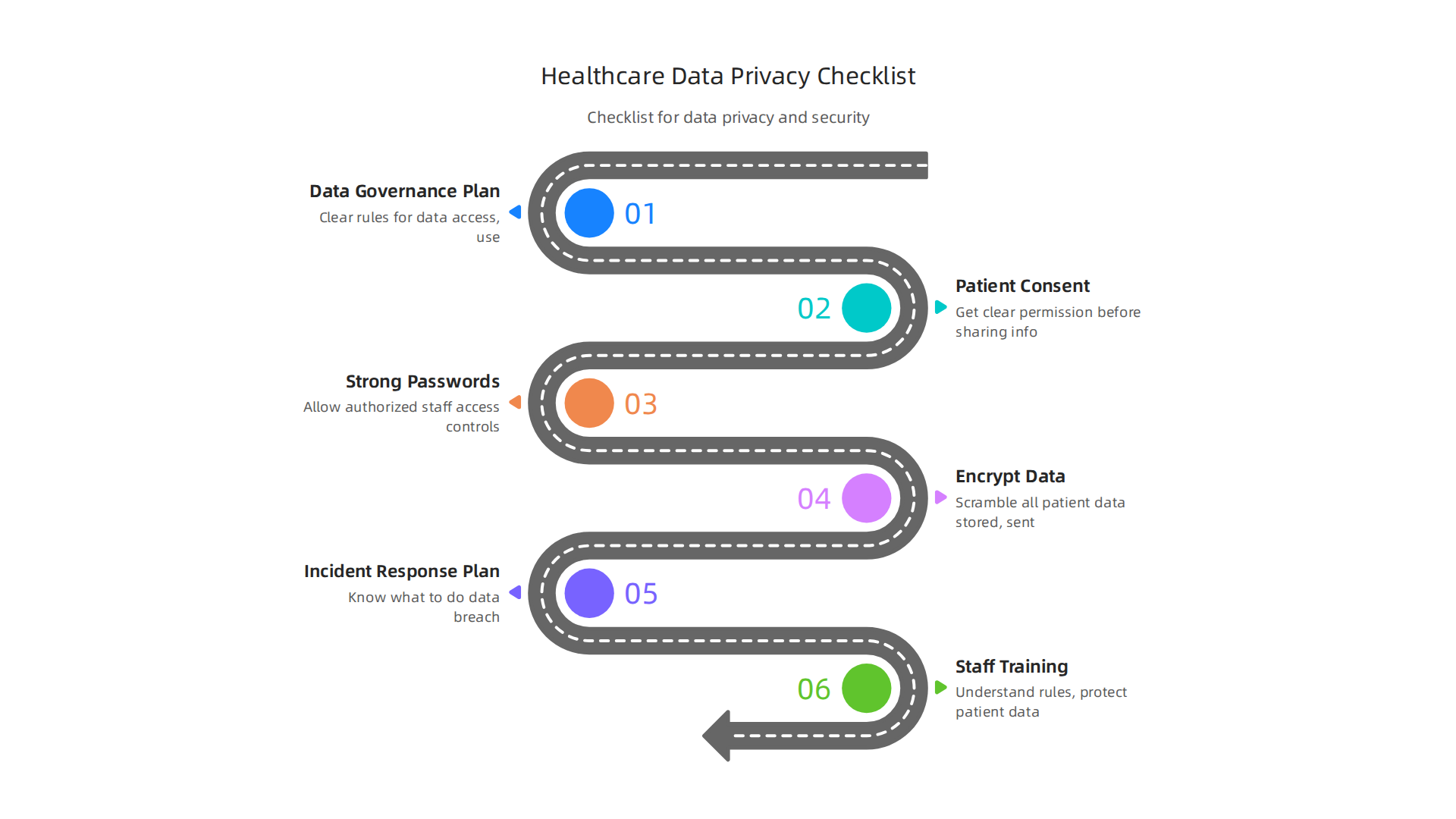
- Data Governance Plan: Have clear rules about who can access patient data, how it’s used, and how long it’s kept.
- Patient Consent: Always get clear permission from patients before sharing their health information. They need to know what’s being shared and why.
- Strong Passwords and Access Controls: Only allow authorized staff to see patient data. Use strong passwords and change them often.
- Encrypt Data: Make sure all patient data is scrambled when it’s stored or sent, so only those with the right "key" can read it.
- Incident Response Plan: Know what to do if there’s a data breach or a cyber attack. Who needs to be told? How will the problem be fixed? There are great resources like a proposed HIPAA Security Rule checklist to help healthcare organizations follow these complex rules.
- Staff Training: Make sure all staff members understand these rules and how to protect patient data. Regular training is a must.
By carefully following these steps, healthcare organizations can make sure they protect patient trust and avoid big legal problems, especially as digital health tools become more common in 2026.
Staying informed about these topics and other health tech trends is important. Get clear daily AI updates that impact the healthcare sector by subscribing to The AI Newsletter Worth Reading.
After healthcare organizations make sure patient information is safe and follow all the rules, the next big step is to make these new digital health tools grow and last. This means taking a small test project and making it available to everyone in a whole region, like all of southeast healthcare or even across different systems such as summit healthcare and alliance health.
6) Scaling, sustainability, and measuring long-term impact
Making new health technology work in a small area is great, but the real goal is to help many more people. This involves careful planning to make sure these useful services can expand, keep running, and truly improve health over a long time.
Growing from Small Steps to Big Reach
Imagine a pilot project, a small test run, that works really well. How do you take that success and spread it across an entire region? This is called scaling. For digital health tools, scaling means making sure the technology can handle more users and more data without breaking down. It also means fitting the new system into how different healthcare groups already work. This process requires a deep understanding of Privacy at Scale in Networked Healthcare to ensure that as services grow, patient data remains protected. Organizations like health first colorado must plan for this expansion from the very beginning.
Keeping Things Going: Funding and Operations
For any regional health initiative to truly last, it needs stable funding and smart ways to manage daily tasks. This isn’t just about the money at the start; it’s about making sure there’s enough money to keep the system updated, to pay the staff who support it, and to cover ongoing costs for years to come. Thinking about long-term goals helps healthcare leaders make smart choices now that will support their efforts in 2026 and beyond. This also means constantly working to improve how things are done.
Knowing What Works: Measuring Impact
How do we know if these new digital health programs are actually helping people? We need to measure their impact. This means looking at information and numbers to see if patient health is getting better. For example, are more people getting their needed check-ups? Are chronic diseases being managed more effectively? Are patients feeling happier with their care?
Key things to measure include:
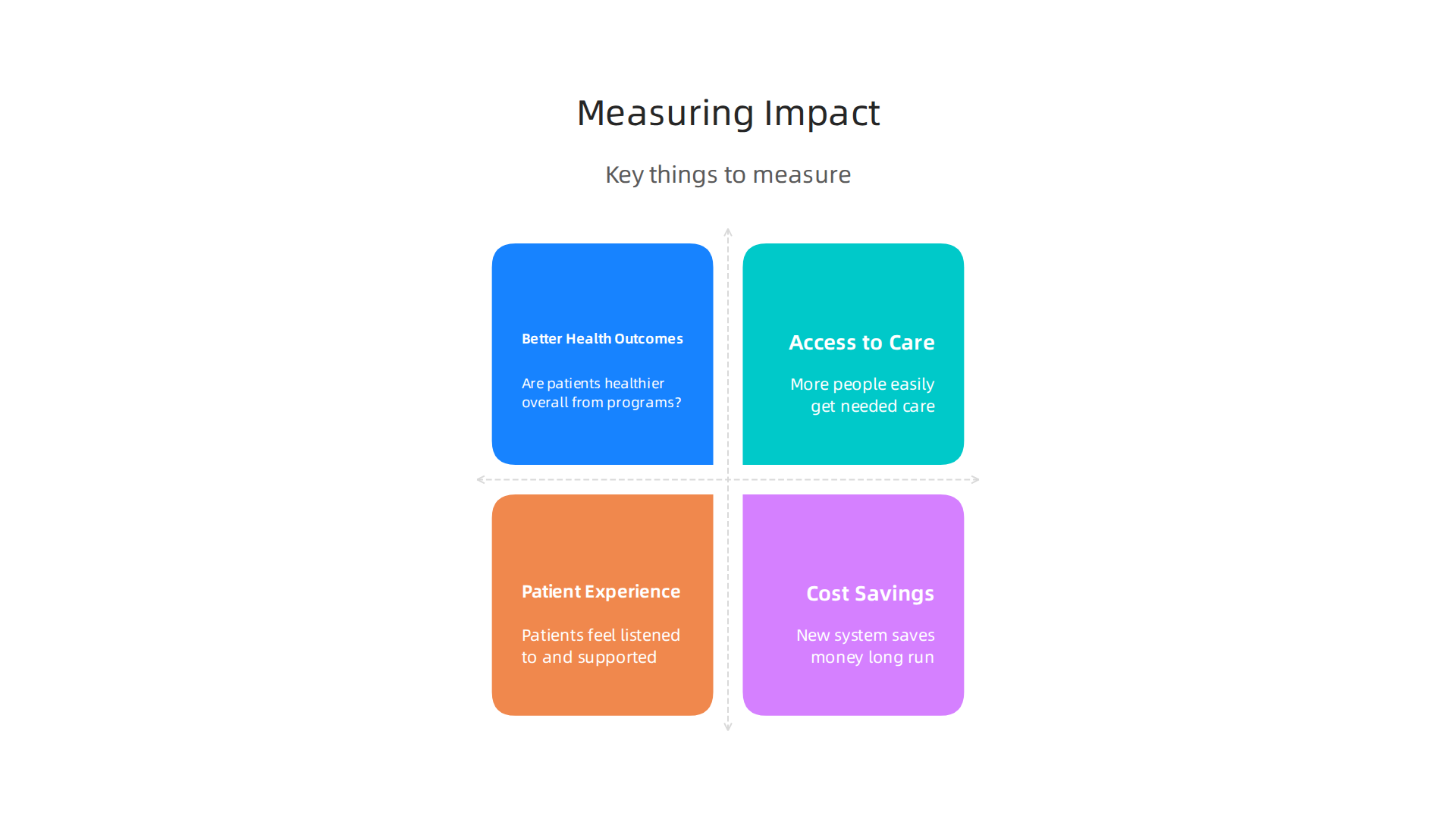
- Better Health Outcomes: Are patients healthier overall?
- Access to Care: Can more people easily get the care they need?
- Patient Experience: Do patients feel listened to and supported by the technology?
- Cost Savings: Is the new system helping to save money in the long run?
By regularly checking these things, southeast healthcare providers can see what’s working and what needs to change.

It helps them show the value of their investments.
Working Together and Always Improving
Building a strong regional health network also means keeping good relationships with all partners. This includes other healthcare providers, government agencies, and the technology companies that supply the tools. Managing these vendors well is important to ensure everyone is on the same page and that the technology continues to meet the needs of patients and staff. The healthcare world is always changing, so constantly looking for ways to improve is key to mastering regional health systems digital transformation. This ongoing cycle of planning, putting ideas into action, checking the results, and making changes helps ensure digital health efforts provide lasting benefits for everyone.
Summary
This article explains how Southeast health systems can plan, buy, secure, and scale regional digital programs in 2026 to improve access, quality, and long‑term sustainability. It maps the main stakeholders—health systems, community hospitals, public health, payers, and vendors—and describes the technical building blocks such as modern EHRs, HIEs, FHIR APIs, and secure networks. The piece covers practical approaches to interoperability, procurement strategies (pooled purchasing, grants, public‑private partnerships), and how to measure ROI with short- and medium-term indicators. It emphasizes workforce adoption through clinician champions, training, governance, and change management to avoid clinician burden. The article also outlines privacy and cybersecurity requirements, risk analysis, and consent practices needed for cross‑system data sharing. Finally, it shows how to move from pilots to region‑wide deployments with sustainable funding, vendor management, and continuous measurement of outcomes and access.