

Introduction
You walk into your local family health center. The waiting room is full. The staff looks tired. Your doctor is rushing between exam rooms, typing notes into a computer while asking how you are feeling. Sound familiar?
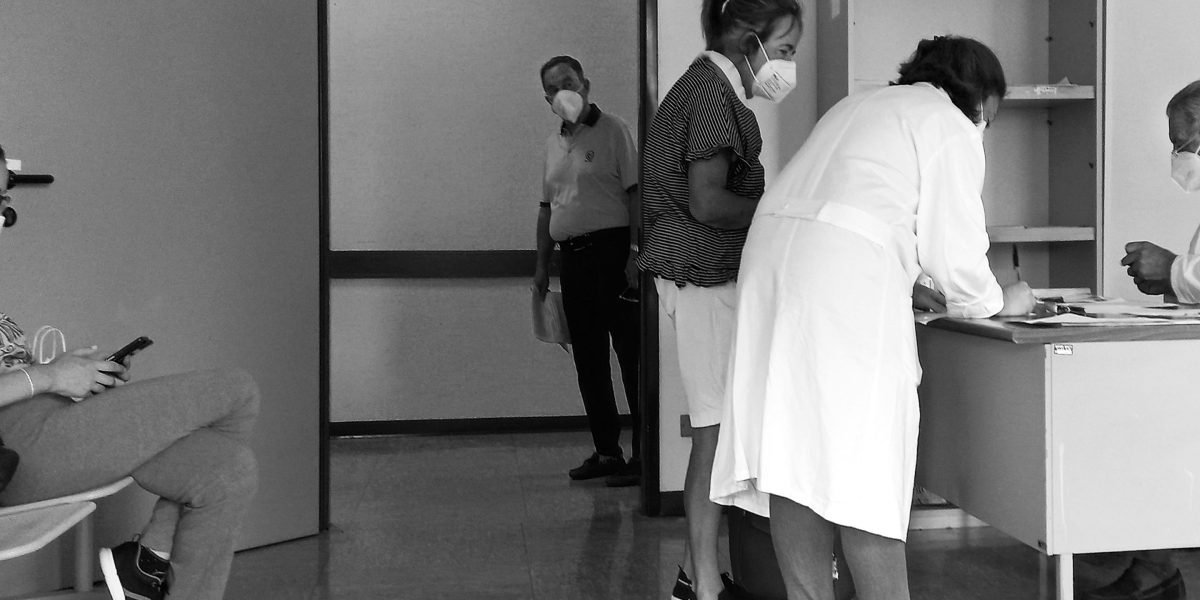
Family practice and community care are the frontlines of healthcare. They are where most of us go for checkups, vaccinations, and managing chronic conditions. Yet these clinics face huge challenges every day. They have limited staff, tight budgets, and mountains of paperwork. For example, electronic health records are now used by 94% of practices, but small clinics still struggle to keep up with the tech demands [1]. The result is burnout, long waits, and care that feels rushed rather than personal.
Here is the thing: 2026 is a turning point. Digital health technologies are no longer just hype. They are real tools that can help family health care teams work smarter, not harder. Think about telehealth visits that save you a trip to the clinic. Think about AI tools that help doctors spot diseases earlier. Think about wearable devices that track your heart rhythm and send updates to your care team.
The numbers back this up. More than 80% of Americans now support remote patient monitoring [2]. And the U.S. digital health market hit $179.78 billion in 2026 alone [3]. Nearly 6 in 10 healthcare professionals say digital health takes pressure off the system [4]. That matters when your family doctor is already stretched thin.
This article gives you an evidence-based look at the technologies, challenges, and strategic opportunities shaping family health care in 2026. We will cover what works, what does not, and how you and your loved ones can benefit from these changes.
If you are curious about how primary care is evolving for older adults, check out our guide on innovative primary care tech and models reshaping senior care in 2026.
It offers practical insights for anyone managing aged care for a family member.
Let’s start with the biggest shift of all: how technology is finally making healthcare more proactive, not just reactive.
The Imperative for Digital Transformation in Family Medicine
Picture Dr. Maria at your local family health center. She sees 25 patients a day. She spends two hours each night finishing charts. She has a stack of referral forms that never seems to shrink.

And she worries about the elderly patient who lives alone and missed her last appointment. Does she have time to call and check on her? Not really.
This is the reality for family physicians in 2026. Patient panels keep growing. Administrative paperwork eats into time with patients. And the workforce is stretched thin. Burnout is a real problem. But here is the good news: digital health tools are finally stepping up to help.
Let’s look at how technology can make a real difference in your family health center.
The pressure points in family medicine
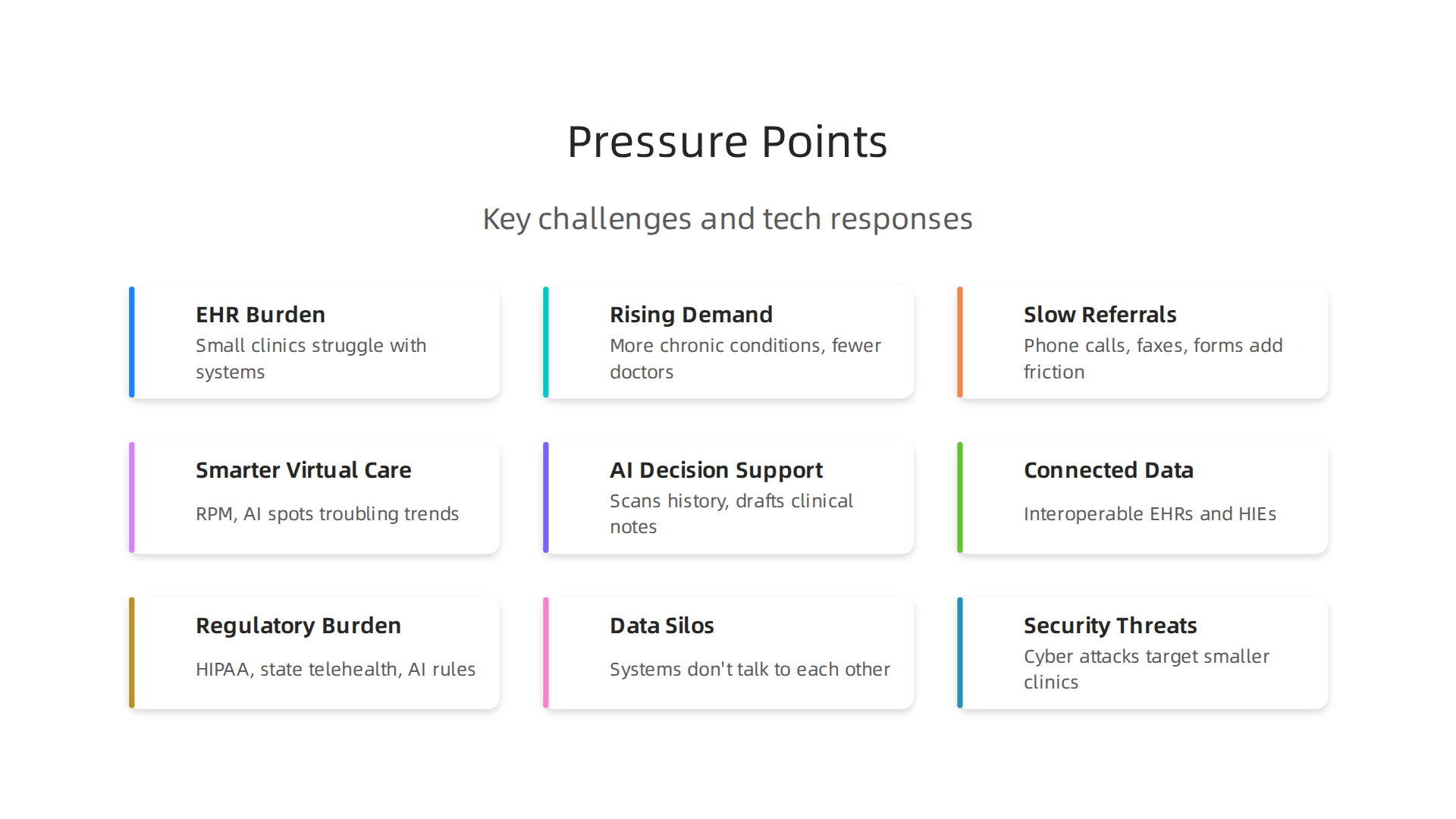
First, the numbers. Electronic health records are used by 94% of practices now [1]. That sounds great. But small clinics still struggle with clunky systems, high costs, and extra clicks.
The result is more time in front of a screen and less time with you.
Second, patient demand is rising. More people need care for chronic conditions like diabetes, heart disease, and hypertension. Family doctors manage all of it. At the same time, the number of primary care physicians is not keeping up.
Third, referrals take forever. Sending a patient to a specialist means phone calls, faxes, and forms. Every step adds friction. And friction costs time and money.
How digital health takes the pressure off
Digital transformation is not about replacing doctors. It is about giving them tools that do the busywork so they can focus on you. Here are three ways it works.
Automating documentation. AI-powered voice assistants can now write clinical notes during a visit. The doctor talks naturally, and the system captures the details. That saves hours of typing every day.
Enhancing remote monitoring. Imagine a wearable device that tracks your heart rate, blood sugar, or blood pressure and sends the data to your care team automatically. No need to come in for a checkup just to share numbers. More than 80% of Americans now support this kind of remote patient monitoring [2]. And it is especially helpful for managing chronic conditions and aged care.
Streamlining referrals. New digital platforms let doctors send referrals with a few clicks. The system checks insurance, finds available specialists, and shares medical records instantly. That cuts wait times and reduces errors.
Tech that improves clinical care in settings like palliative and dementia care is already proving its value. You can see how these tools translate into better outcomes for patients and less stress for clinicians.
Early results are promising
Clinics that have adopted these tools are reporting real wins. They see better patient satisfaction scores. They catch problems earlier. And their doctors feel less burned out.
The U.S. digital health market hit $179.78 billion in 2026 [3]. That growth shows investment is real. And nearly 6 in 10 healthcare professionals say digital health helps lighten the load on the system [4].
The shift is not just a trend. It is a necessary upgrade for family health care in 2026. When your doctor has better tools, you get better care. And that is exactly what we should expect.
Core Technologies Reshaping Family and Community Care
So, what does the tech stack actually look like in your local clinic right now? The changes are real, and they are already helping doctors and patients. Let us break down the three key technology layers reshaping how your family health center delivers care in 2026.
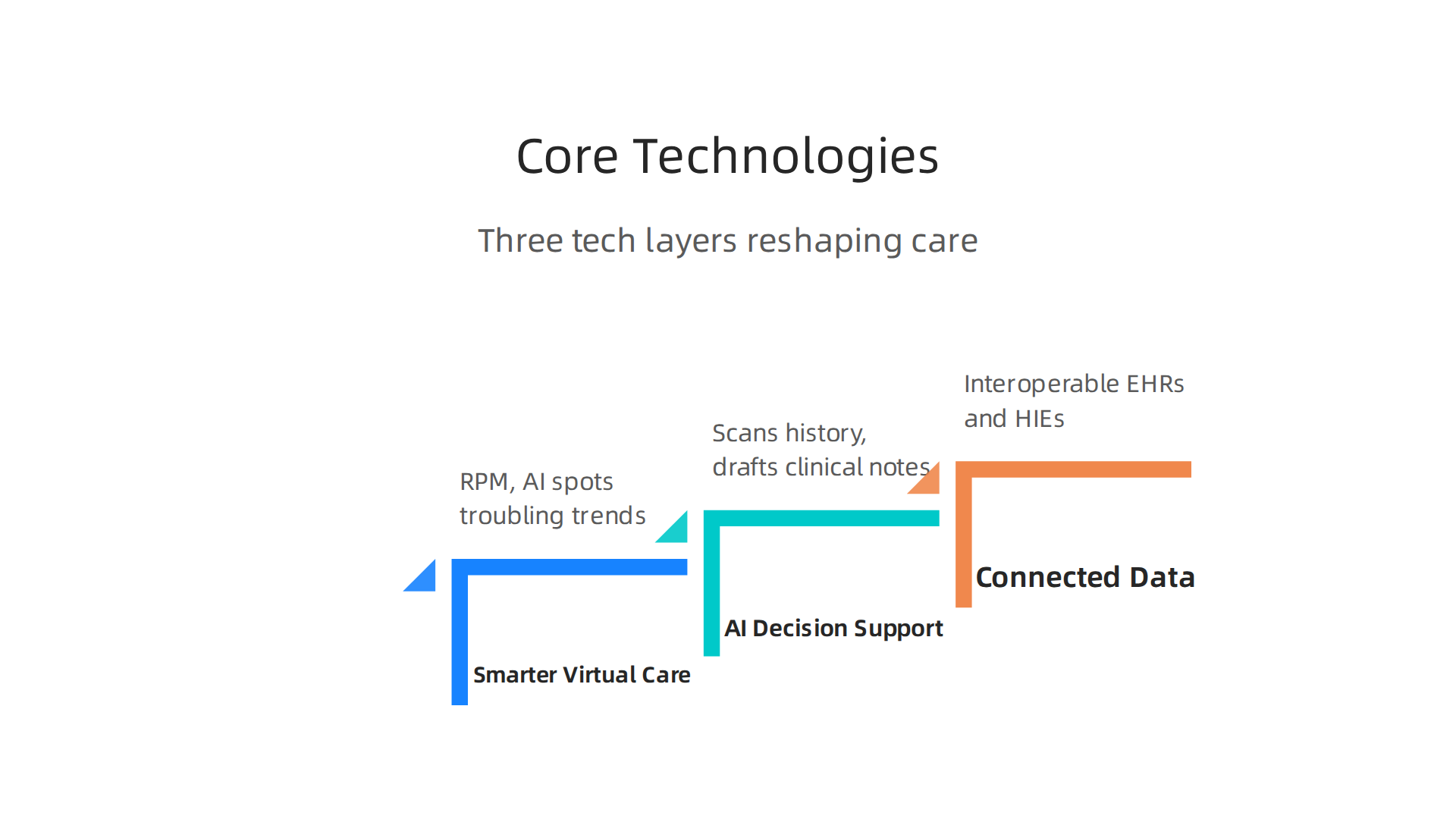
Smarter virtual care that never stops watching
You probably know telehealth by now. A video visit with your doctor is almost routine. But the real advance is what happens between those visits.
Remote Patient Monitoring (RPM) uses wearable devices and simple home tools to track your health data. Your blood pressure cuff, glucose monitor, or even a smart scale sends readings straight to your care team. No waiting rooms needed.
AI-enabled RPM takes this further. It can spot troubling trends before you feel sick. This lets your care team reach out early and manage chronic conditions before they get worse [1]. For people living with heart disease or diabetes, this is a huge relief.
Nursing experts agree that combining telehealth with RPM improves both access to care and the quality of that care [2]. The results speak for themselves. The market for AI in remote patient monitoring is growing fast, with more clinics adopting these tools every year [3].
This is especially valuable for aged care. Older patients can stay in their homes longer while their family health center keeps a close watch on their health.
AI decision support that helps doctors think clearer
Here is another layer that quietly changes everything. Artificial intelligence is not replacing your doctor. It is making your doctor better at their job.
AI-powered clinical decision support systems can scan your medical history in seconds. They flag possible drug interactions. They help spot patterns in chronic disease that a busy doctor might miss. And they can even listen to a conversation and draft clinical notes automatically.
This saves time. And time saved means more attention on you.
Research shows that telemedicine paired with AI tools leads to better outcomes for patients [4]. It reduces burnout for physicians too. When the computer handles the paperwork, the human doctor can focus on the conversation.
Connected data that makes community care possible
The smartest tool in the world does not help if your records are stuck in one system. This is the biggest challenge left for healthcare tech.
Interoperable electronic health records (EHRs) and health information exchanges (HIEs) solve this. Think of an HIE as a secure highway for your medical data.
When your family health center is connected to the local hospital and your specialists through an HIE, everyone has the same information. No duplicate tests. No lost referral forms. No waiting for faxes.
This seamless data sharing is the backbone of coordinated community care. It creates the infrastructure needed for RPM and AI to work at their best [5]. And it helps clinics adopt these technologies faster [6].
Want to see how this plays out in real settings? Read how clinical care technology innovations are driving better outcomes in palliative and dementia care. And for a closer look at how AI is reshaping the business side of things, check out why health plans are adopting AI in 2026.
These three layers of technology (smarter virtual care, AI decision support, and connected data) are not futuristic ideas. They are here right now. They are making family health care more proactive, more coordinated, and more human.
Improving Patient Access and Engagement Through Digital Channels
You have been there. You need to schedule a follow-up, check a lab result, or ask your doctor a quick question. But calling the clinic means waiting on hold. And missing that phone call leads to a no-show for your appointment. This is frustrating for you and expensive for your family health center.
Digital channels are changing that in 2026. Patient portals, mobile apps, and secure two-way messaging make it easier to stay connected with your care team without playing phone tag.
Why patient portals matter
A patient portal is your online home base for health care. You can view test results, request prescription refills, message your provider, and book appointments. This convenience improves continuity of care. Studies show that patient portal access is linked to more engagement in your own health and better outcomes [7]. When you can check your records and message your doctor easily, you are less likely to miss appointments.
But not everyone uses portals the same way. Research from 2026 found that engagement varies by age and health condition among adults 50 and older [8]. That is why clinics are now tailoring portal features for different groups.
Digital tools for chronic conditions
If you live with diabetes, hypertension, or another long-term condition, digital self-management tools can be a game changer. Mobile apps help you log blood sugar, track blood pressure, and set medication reminders. Some platforms even connect directly to your doctor’s system.
This reduces unnecessary office visits. You only come in when something is really wrong. The rest of the time, your care team monitors your data and reaches out if needed. It shifts the focus from reactive visits to proactive daily management.
The tough truth about barriers
Here is the challenge. Digital tools only help if people can actually use them. Health literacy varies widely. So does internet access and comfort with technology. These are real barriers, and they often hit older adults and lower-income communities hardest.
Successful family health centers address this head-on. They design portals with simple language, large text, and easy navigation. They also hire community health workers to help patients sign up and learn the tools. Studies confirm that inclusive design and human support drive real adoption [9][10].
Want to see how these strategies work for senior populations? Read more about innovative primary care tech and models reshaping senior care in 2026.
The bottom line: digital channels are not just nice to have. They are essential for keeping patients engaged, reducing no-shows, and managing chronic disease at scale. When done right, they make family health care more accessible for everyone.
Navigating Regulatory, Security, and Interoperability Challenges
So, all those digital tools sound amazing, right? You can message your doctor, check your records, and manage your health from home.
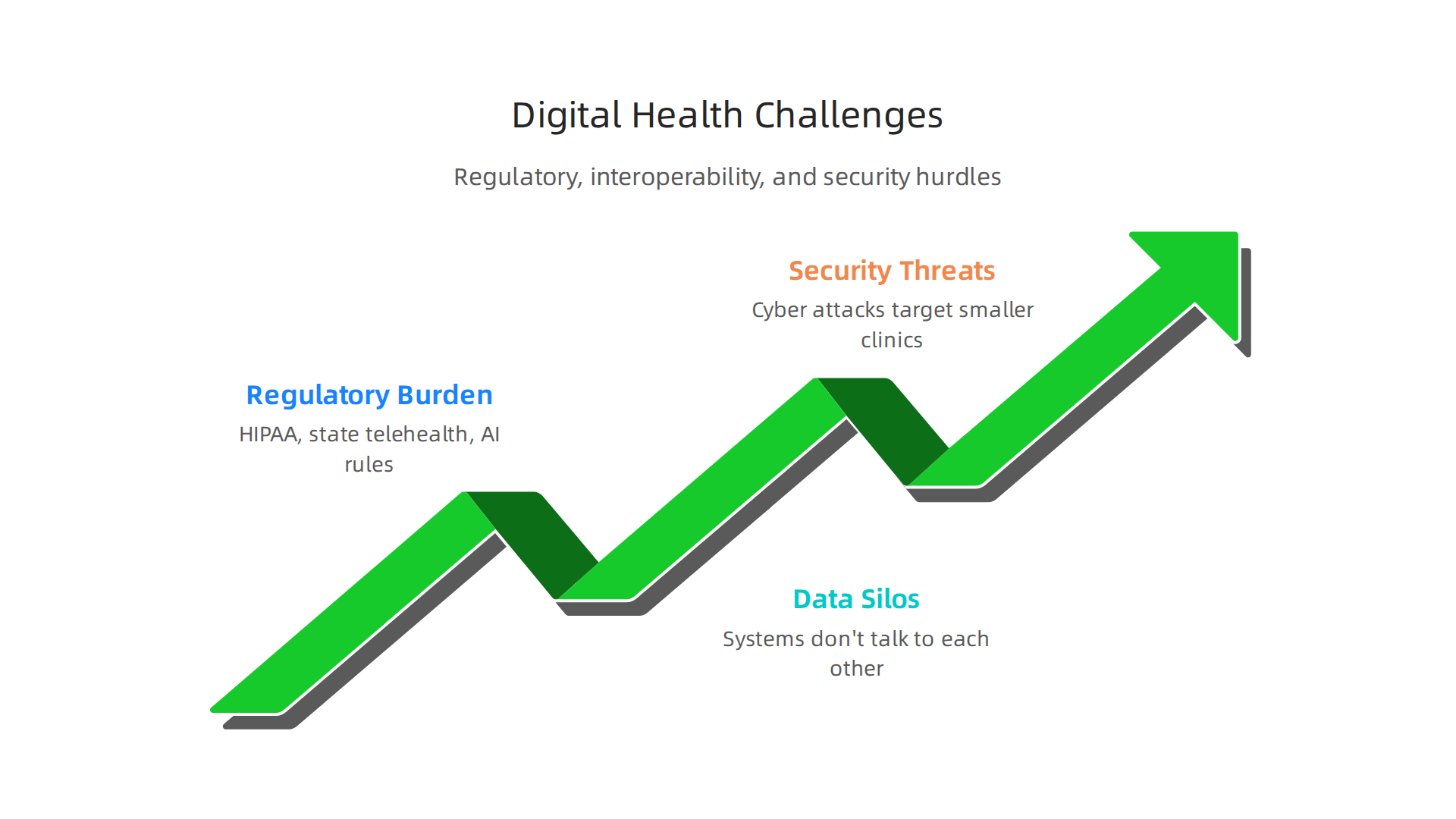
Here is the other side of that coin. Making these systems work together securely, while following a growing list of rules, is a heavy lift for any family health center.
The compliance load keeps growing
HIPAA sets the baseline for protecting your health data. But in 2026, the rules keep shifting. For example, the DEA and HHS have extended telehealth flexibilities for prescribing controlled substances through the end of the year to prevent disruptions in care while permanent rules are finalized [1]. This means family practices must constantly monitor temporary policies that could change at any moment.
The updated HIPAA guidelines on telemedicine also clarify exactly how your electronic health information can be communicated when you see a doctor remotely [2].
Family practices often lack the large legal and compliance teams that big hospital systems have. Juggling HIPAA, state-specific telehealth laws, and emerging AI regulations all at once is a real burden.
This makes it harder to adopt new healthcare tech without risking fines or accidentally exposing patient data.
The data connection gap
Then there is the data problem. Your primary care clinic might use one software system. The specialist down the street uses another. The hospital uses a third. Many times, these systems do not talk to each other.
This creates data silos.
When providers send records back and forth, they might still use old methods like faxing. Yes, faxing is still common in 2026. This lack of seamless data exchange hurts patients, especially those in aged care who see multiple doctors. Better standards like FHIR (Fast Healthcare Interoperability Resources) exist to solve this, but adoption across the industry is still too slow. When health data flows freely and securely, you get better family health care with less paperwork and fewer repeated tests.
To see how leading clinics are breaking down these silos for their older patients, read our deep dive on innovative primary care tech and models reshaping senior care in 2026.
Smaller clinics are bigger targets
Finally, let us talk about security. Cyber threats are rising fast in healthcare, and they often target smaller clinics because the defenses are weaker.
A single ransomware attack can shut down a practice for weeks. It can lock you out of patient records and halt all appointments.
Protecting your clinic means using basic but strong tools. Antivirus and endpoint protection software are a must. But the most important step is training your staff. Most data breaches happen because someone clicks a malicious link in an email. Regular security training turns your team into your first line of defense.
In 2026, security training is not optional. It is as essential as keeping the lights on.
Navigating these hurdles is tough work, but understanding them is the first step toward building a stronger, safer family health center. As you evaluate your tech strategy for the year ahead, ask yourself: are our systems truly connected? Is our patient data secure? The clinics that get these foundations right will deliver the safest, most convenient family health care.
Measuring Impact: Outcomes and ROI of Digital Health in Primary Care
So you have invested in new digital tools for your family health center. Patient portals, telehealth platforms, secure messaging. They sound good on paper. But how do you know they are actually working?

The honest answer is that you need to measure.
In 2026, the return on investment for digital health goes far beyond saving a few dollars on paper or postage. It touches everything that makes a practice thrive. Better patient outcomes. Higher retention rates. Happier staff. These are the real wins that show up when you get digital health right.
Start with the numbers that matter most
You need to track key performance indicators that tell you about the health of your practice and your patients. Here are a few that top the list for any family health center:
- Visit volume. Are you seeing more patients per day without burning out your providers?
- Chronic disease control rates. Are your patients with diabetes or high blood pressure managing better than before?
- Emergency department avoidance. Are fewer of your patients ending up in the ER for issues you could have handled in your clinic?
These are not just nice to track. They directly reflect how well your digital tools are supporting better family health care.
The evidence keeps piling up
Researchers have been digging into this question for years. A broad review of patient portal adoption found clear links between portal use and improved health outcomes, including better management of chronic conditions [1]. Another study showed that patient portal usage may reduce the economic burden of healthcare overall, which is good for everyone [2].
For your older patients especially, engagement with digital tools matters. A 2026 study looked at portal use among adults 50 and older and found that certain groups use them differently [3]. Understanding these patterns helps your family health center make sure nobody gets left behind.
Managing multiple health problems gets easier
This is where long-term studies become powerful. When patients have more than one chronic condition, digital tools help coordinate their care. Better data sharing, easier communication, and automated reminders all add up.
One report from University College London showed that patient-centric digital health strategies in primary care can significantly improve how chronic diseases are managed together [4]. That means fewer visits to different specialists and less confusion for the patient.
In aged care, where patients often juggle multiple medications and appointments, this kind of coordinated approach is a game changer. You can see how leading clinics are using technology to improve outcomes in specialized settings by checking out our piece on clinical care technology innovations in palliative and dementia care.
Provider satisfaction counts too
Do not forget your staff. When digital tools work well, doctors and nurses spend less time on paperwork and more time with patients. That means less burnout and better retention. Happy providers mean better care for your patients.
Measuring impact in 2026 is not optional. It is how you prove that your investment in healthcare tech pays off for your patients, your team, and your bottom line. So pick a few of these KPIs, start tracking them, and watch your family health center get stronger every quarter.
What’s Next: Emerging Trends and Strategic Priorities for 2026 and Beyond
You have measured your impact. You know your digital tools are working. So what comes next? Here is where family health care is heading in 2026 and what you should prioritize now.
Generative AI goes from pilot to production
If you have been waiting to see if AI is just hype, 2026 is the year to stop waiting. Generative AI for clinical note-taking and patient communication is moving from small pilot projects into everyday use. A recent survey found that 73% of family physicians believe AI technology will improve clinical efficiency [1]. That is a huge shift in attitude. The smartest family health centers are already using AI to scribe notes during visits, draft patient messages, and summarize lab results.
The potential goes even deeper. Experts predict that AI will accelerate how we design treatments and understand patient data [2]. A futuristic perspective from the American Academy of Arts and Sciences suggests AI could profoundly change how medicine is practiced, especially in primary care settings where time is always tight [3]. Even the cost side is looking better. One analysis of generative AI in large healthcare systems showed that using AI to derive billing classifications from medical notes is rapidly expanding and has potential for positive financial returns [4].
Wearables bring real-world data to your desk
Your patients are already wearing smartwatches and continuous glucose monitors. In 2026, that data is becoming actionable for family physicians. Instead of waiting for a patient to report how they felt last week, you can see real-time trends in activity, sleep, and blood sugar levels.
This changes how you manage chronic conditions like diabetes and hypertension. You can spot problems earlier and adjust treatments without waiting for the next office visit. For aged care patients especially, wearable data helps you catch falls or irregular heart rhythms fast.
Value-based care rewards broader digital health use
The payment model is shifting. More value-based care contracts now reward family health centers for keeping populations healthy, not just for filling appointment slots. This makes digital health tools essential for population health management in community settings.
Secure messaging, remote monitoring, and patient portals help you reach more people without burning out your team. Early alerts from wearables mean fewer costly ER visits. Automated reminders improve medication adherence. All of these directly support the outcomes value-based care rewards.
These trends are reshaping how family health care is delivered every day. For a closer look at how these innovations apply specifically to senior patients, check out our article on innovative primary care tech models for senior care in 2026.
The tools are ready. The evidence is strong. Now is the time to put these priorities into action at your own family health center.
Summary
This article explains how digital health is transforming family and community care in 2026, shifting primary care from reactive visits to proactive, connected management. It reviews the main technology layers—continuous virtual care and remote patient monitoring, AI decision support, and interoperable data sharing—and shows how each reduces clinician burden, improves chronic disease control, and raises patient satisfaction. The piece also covers practical access tools like patient portals and mobile apps, plus real barriers such as security risks, regulatory change, and uneven technology adoption among older adults. It highlights how clinics should measure impact with clear KPIs (visit volume, disease control, ED avoidance) and explains why value-based payment and wearables make digital investment more urgent. Readers will finish knowing which technologies to prioritize, common pitfalls to avoid, and the steps needed to implement secure, measurable digital care in a small practice.