


Why community health care models matter now — what this guide will do for you
In 2026, healthcare is changing fast. We’re seeing more and more how important it is to look at people’s health not just when they get sick, but also where they live, work, and play. This is where community health care comes in. It’s all about keeping whole groups of people healthy, right in their own neighborhoods.
Think of it this way: instead of only treating sickness in a hospital, community health care focuses on stopping people from getting sick in the first place. It looks at everything that affects health, like having good food, safe places to live, and friendly communities. As the American Hospital Association explains, community health works to improve health, prevent sickness, and make health fair for everyone by looking at things like social, daily life, and even economic needs in a certain area.
Why does this matter so much today? For big health systems and hospitals, caring for communities better means fewer emergencies and healthier patients in the long run. For those who pay for healthcare, like insurance companies, it means spending money more wisely and getting better results. And for digital health innovators and tech companies, it’s a huge chance to create new tools and services that help people stay well outside of traditional clinics. Groups like Johns Hopkins public health experts study these trends, and organizations such as Affinia Healthcare and North East Medical Services are examples of those putting these models into practice.

This guide will give leaders in healthcare, new business founders, doctors, and even investors a clear path. You’ll learn how to look at, pick, and grow successful community health care models. We’ll show you how technology is playing a bigger role, helping community health centers advance technology adoption for modern healthcare and reach more people. Our goal is to give you the facts you need to make smart choices and help communities thrive.
To keep up with the latest in healthcare technology and how AI is changing the game, be sure to get The AI Newsletter Worth Reading.
When we talk about community health care, we mean more than just going to the doctor when you’re sick. It’s about how healthy a whole group of people in a town or neighborhood is, and all the things that are done, both by the government and by private groups, to keep them healthy. Experts have called it the health status of a specific group and the actions taken to improve, protect, and keep that health strong. This often involves looking at non-medical ways to keep people well, like having good food and safe homes.
At its heart, community health care has a few main parts:
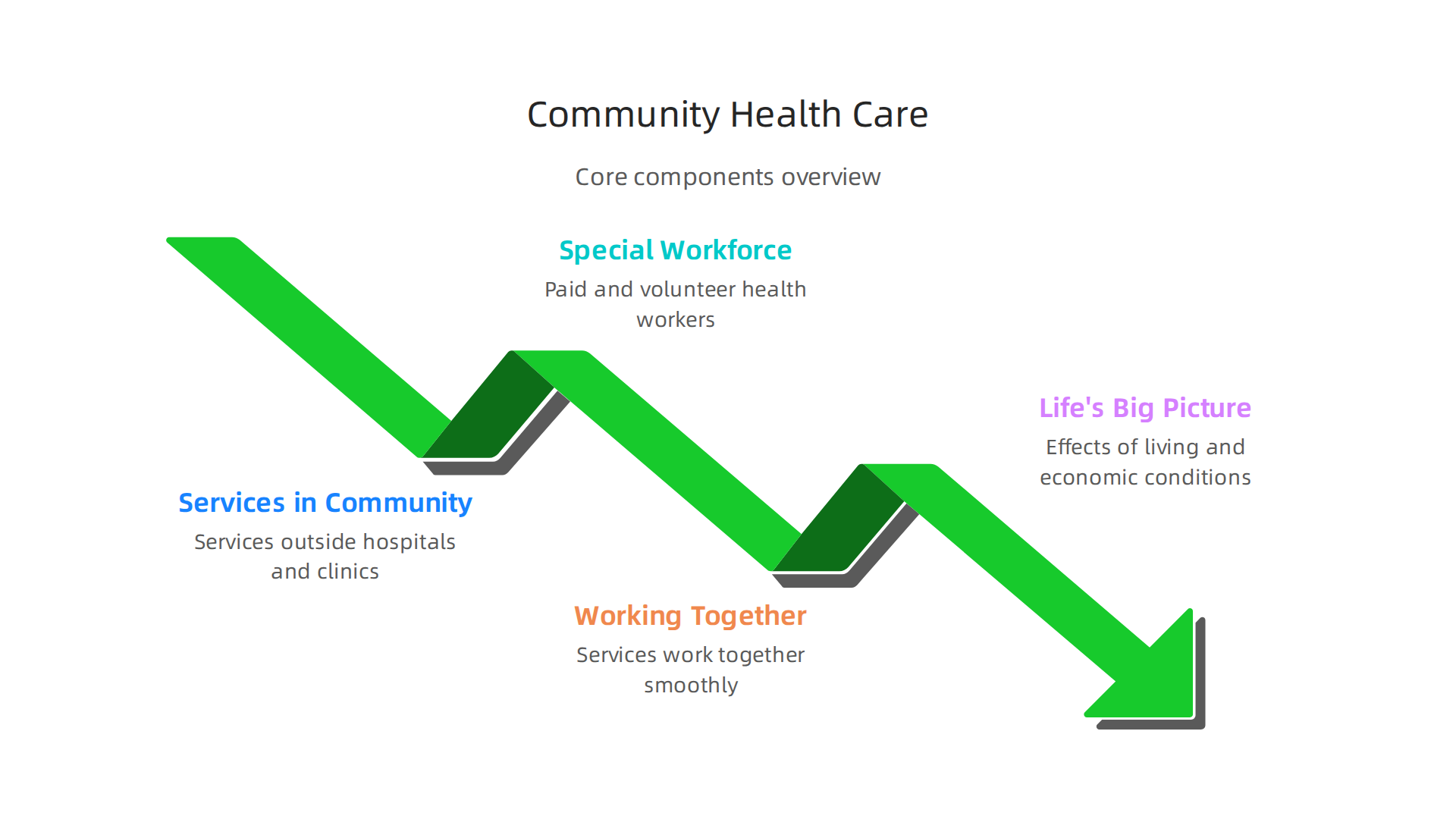
- Services in the Community: These are health services that happen right where people live, outside of big hospitals or clinics. Think of health screenings at a community center or advice given by local helpers. The World Health Organization even has a model to make sure these kinds of services are easy to get and work well for everyone.
- A Special Workforce: This isn’t just doctors and nurses. It includes many types of health workers, both paid and volunteer, who work directly in the community. They help connect people with care and offer support. For example, groups like Affinia Healthcare and North East Medical Services rely on these dedicated teams. UNICEF highlights that these workers can be professionals or everyday people trained to help others stay healthy.
- Working Together on Care: This means making sure all the different health services a person needs work together smoothly. It’s about connecting doctors, specialists, and community support groups so that care is "integrated" and people get a full range of help, from staying healthy to managing sickness.
- Looking at Life’s Big Picture: Community health care knows that things like where you live, how much money you make, and if you have good food all impact your health. These are called social determinants of health. Programs aim to help with these basic needs, not just treat illnesses.
Who is Involved in Community Health Care?
Many different people and groups work together in community health care. They are all "stakeholders" because they have a part to play.

- Health Systems and Hospitals: These big organizations offer services and help lead health efforts in the community.
- Community Organizations: Local groups, churches, and non-profits often run programs that help people with everything from getting food to finding jobs. They are key partners in delivering community-based services.
- Public Health Departments: Government health offices work to protect the health of everyone in a city or county. They often guide community health efforts, similar to how Johns Hopkins public health experts study these broad health trends.
- Payers: These are insurance companies and government programs (like Medicare) that pay for healthcare. They are very interested in community health care because it can keep people healthier and lower overall costs. If you want to know more about how healthcare plans work, you can explore guides on how to choose your best health insurance plan for 2026.
- Patients and Caregivers: Most importantly, the people who live in the community and their families are at the center of all these efforts. Their needs and voices help shape what community health care looks like.
The main goal of community health care is to make communities healthier, prevent sickness before it starts, and make sure everyone has a fair chance to be healthy, no matter who they are or where they live.
Different places and different groups of people need different kinds of health help. That’s why there are many ways to set up community health care. These different ways are called models. Each model tries to reach people in the best way for their unique situations.
Let’s look at some common ways community health care is set up:
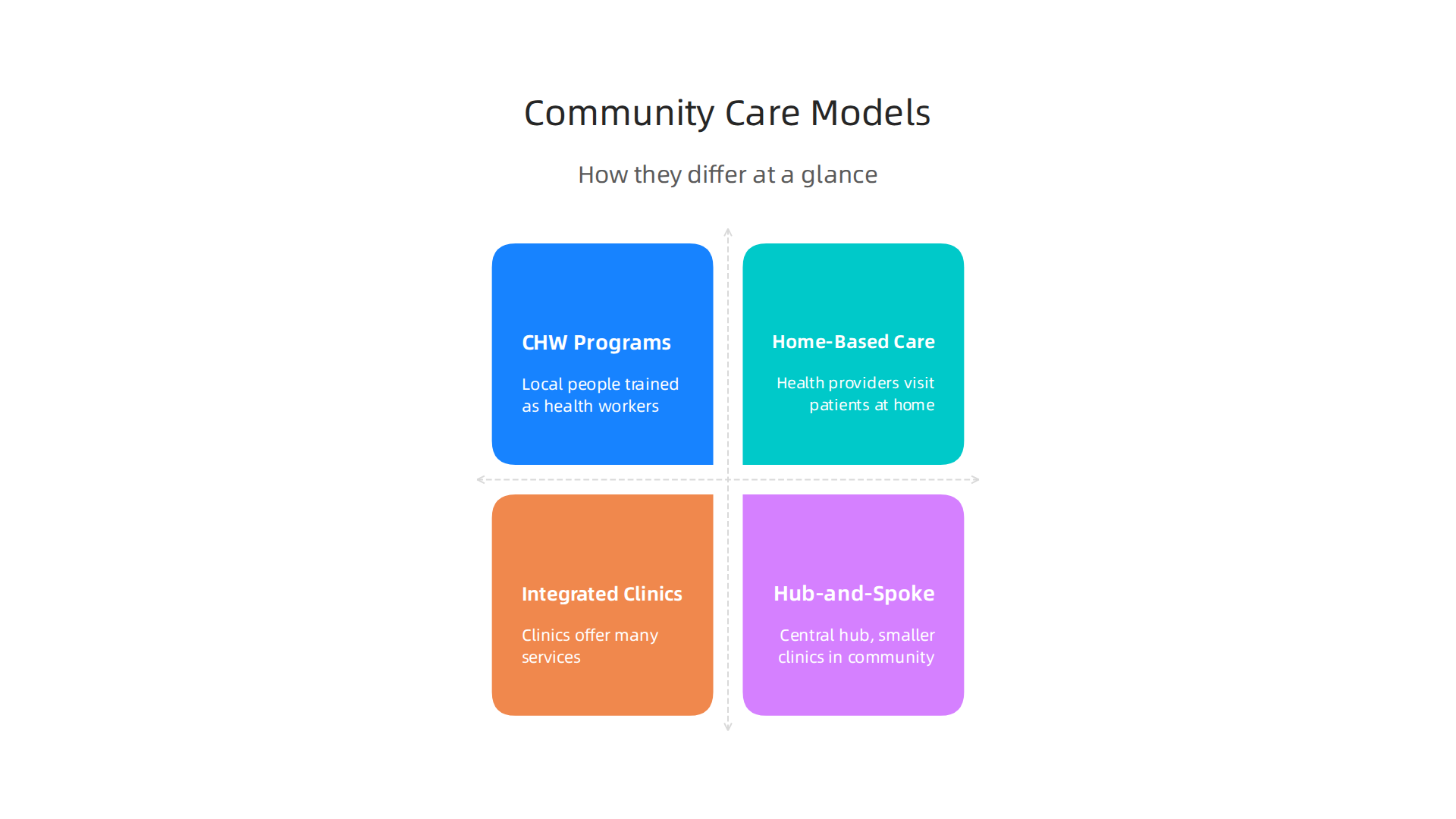
- Community Health Worker Programs
In this model, local people are trained to become health workers. They live in the community and often share the same language and culture as the people they serve. These workers help neighbors understand health information, find doctors, and get the care they need. They are great at building trust and reaching people who might not use regular health services. Programs like those at Affinia Healthcare or North East Medical Services use these workers to make a big difference. This approach has been shown to improve how people manage their health in daily life. - Home-Based Primary Care
This model brings health care right to people’s homes. Instead of going to a clinic, doctors, nurses, or other health providers visit patients where they live. This is very helpful for older people, those with long-term illnesses, or people who find it hard to leave their homes. It can lead to better health results and even save money in the long run. Research in 2026 shows that home and community-based services improve outcomes while reducing costs. You can learn more about how this works with new tools in home care by checking out Freedom Care how home-based digital health platforms are transforming healthcare in 2026. - Community Integrated Clinics
These are local clinics or health centers that offer many different services all in one place. They might have doctors, dentists, mental health counselors, and even social workers. The idea is to make it easy for people to get all the care they need without traveling to many different places. These clinics often become important hubs where people can get both medical help and support for other life needs, like finding healthy food. For example, community health centers advance technology adoption for modern healthcare to serve more people better. - Hub-and-Spoke Networks
Imagine a wheel with a central hub and many spokes leading out. In this model, there’s one main health center (the "hub") that offers many different services. Then, there are smaller clinics or outreach points (the "spokes") spread out in the community. These spokes are connected to the hub and can send patients there for more specialized care. This way, both basic local care and more advanced care are available. This model helps cover a wide area and makes sure everyone has a path to the care they need. Studies from groups like Johns Hopkins public health often look at how well these large networks work to serve communities.
Each of these models has its own strengths. For example, home-based care is great for specific patient groups, while community health worker programs are excellent for building trust at a very local level. Community integrated clinics and hub-and-spoke networks help make sure a full range of services is easy to get. The best model, or often a mix of them, depends on the needs of each unique community, how many people live there, and the specific health issues they face. Choosing the right approach helps community health care work best for everyone.
No matter how community health care is set up, digital tools and new technologies are now a big part of making it better in 2026. These tools help doctors, nurses, and community health workers reach more people and give better care.
Digital tools and technologies powering community health care (where to invest)
When we talk about digital tools in community health care, we mean many different things.
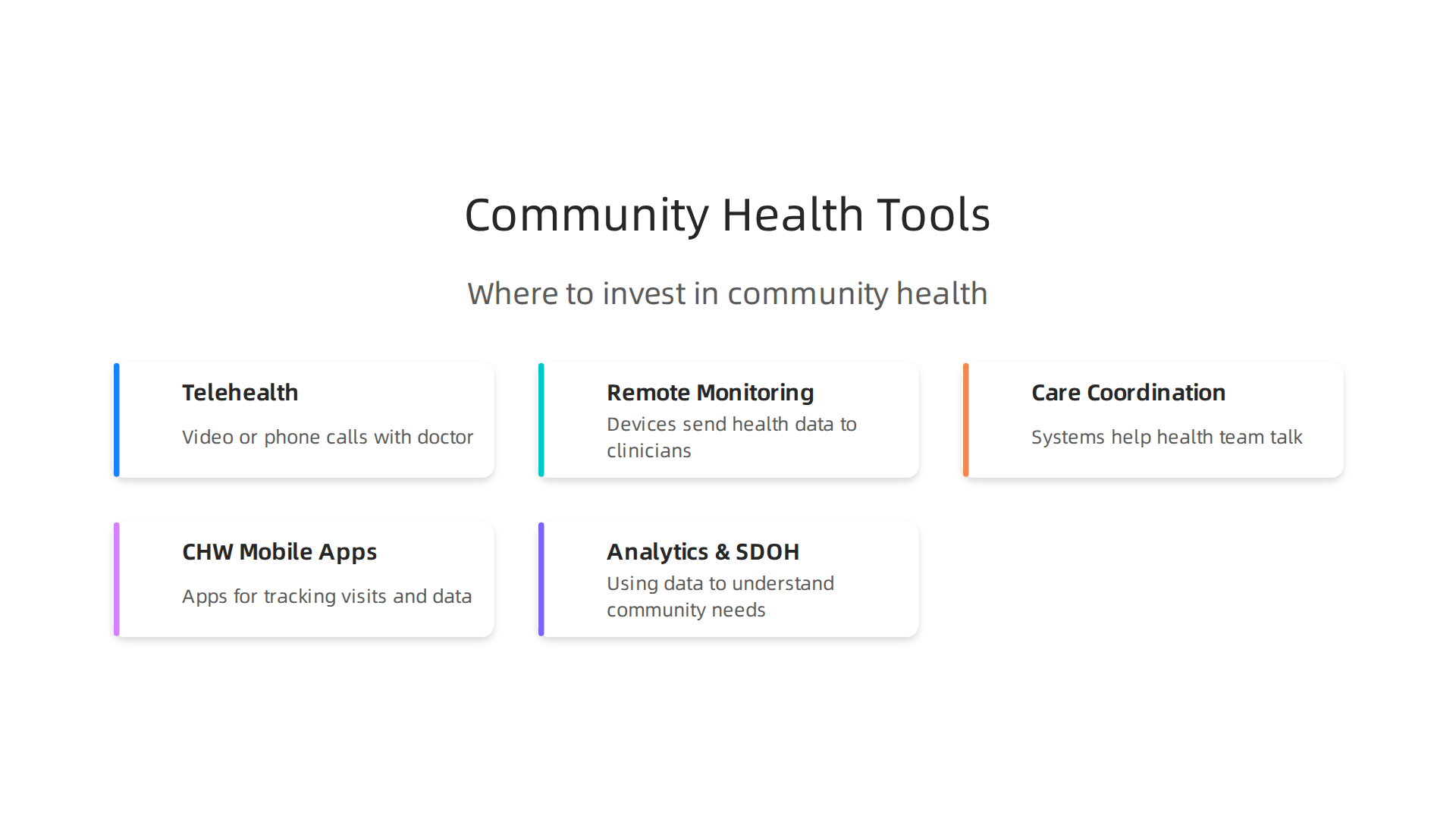
These tools help make health care easier to get and understand for everyone.
- Telehealth
This means using video calls or phone calls to talk with a doctor or nurse instead of going to a clinic. It’s like having a doctor’s visit from your home. Telehealth helps people in far-away places or those who can’t leave their homes easily. Studies show that telehealth greatly improves patient results and how happy patients are, especially for managing long-term illnesses like diabetes in 2026. It also makes care more accessible. The Centers for Disease Control and Prevention (CDC) notes that telehealth interventions can improve chronic disease management, helping people take their medicine and improve their eating habits. - Remote Monitoring
Imagine wearing a device that checks your heart rate or blood sugar and sends that information to your doctor. That’s remote monitoring. These tools can be smartwatches, special scales, or other sensors. They help doctors keep an eye on your health without you needing to go to the clinic all the time. This is really good for people with heart problems or other ongoing health issues. One study found that digital tools for checking heart failure patients remotely could improve outcomes, though getting patients to use the tech can be a challenge Feasibility and Acceptability of a Combined Digital Platform and Community Health Worker Intervention for Patients With Heart Failure: Single-Arm Pilot Study. - Care Coordination Platforms
These are like smart computer systems that help all the different people involved in your health care talk to each other. For example, your family doctor, a specialist, and a social worker can all share important notes about your health. This makes sure everyone knows what’s happening and that your care plan is clear. These platforms help with smooth transitions of care 2026 how technology, regulation, and strategy improve patient handoffs. - Community Health Worker (CHW) Mobile Apps
Community health workers often use special apps on their phones or tablets. These apps help them keep track of the people they visit, share health information, and connect patients with services. These mobile tools make CHWs more effective and help them reach more people. Research in 2026 shows that digital health–enabled community-centered care promotes health equity and reduces the time it takes for people to get a diagnosis. - Analytics for Population Health and Social Determinants of Health (SDOH) Screening
This is about using large amounts of health data to understand what a whole community needs. For example, it can show if many people in one area have diabetes or if they don’t have enough healthy food. By looking at these patterns, health leaders can make better plans. Screening for social factors like housing or food access helps understand the full picture of someone’s health. You can learn more about how public health uses data by reading about public health data standards building smarter systems for 2026.
Choosing the Best Technology
When choosing new technology for community health care, it’s important to think carefully. Here are some key things to consider:
- Interoperability: Can the new system "talk" to other systems? It’s like making sure different phones can call each other. If systems can share information easily, it makes care much smoother.
- Workflow Fit: Does the new tool fit well into how doctors and nurses already work? If it’s hard to use or slows things down, people won’t use it.
- Data Governance: How will patient information be kept safe and private? This is very important. Rules must be in place to protect sensitive health data.
- User Adoption: Will patients and health workers actually use the new technology? It needs to be easy to learn and helpful for everyone. If people don’t use it, it won’t help anyone.
- Cost and Value: Is the technology worth the money it costs? Will it truly improve health and save money in the long run?
By carefully picking the right digital tools, community health care can become even stronger. These tools help reach more people, give better care, and make sure everyone has a chance at good health.

Want to stay on top of all the new tools and changes in health technology, including AI? Get clear daily AI updates from The AI Newsletter Worth Reading.
Moving from just picking the right tools, the next big step for successful community health care is putting them into action. This means making sure the people, how they work, who they work with, and the rules all fit together well. It’s about bringing community health workers (CHWs) and care coordinators into the regular healthcare team and making sure everyone can do their best work in 2026.
Workforce and Workflows
To make community health care truly work, we need to bring important roles like CHWs and care coordinators fully into our health systems. These helpers are vital because they understand the community and can connect people to the care they need.
- Fitting into the Team: CHWs often work outside of clinics, helping people in their homes or neighborhoods. When they use digital tools, their work needs to connect smoothly with what doctors and nurses do. This means having clear ways for them to share information and updates. Many toolkits exist to help build strong CHW programs. For example, some resources offer guidance on building a Community Health Worker program including job tools and templates.
- Using Electronic Medical Records (EMRs): EMRs are digital patient files that doctors use. It’s super important for CHWs and care coordinators to be able to add their notes and see key patient information in these systems. This way, everyone on the patient’s care team knows the full story. An EMR-integrated mobile app, for instance, has shown good patient involvement for remote health tracking, though getting all doctors to use it can be tricky, according to Research Articles and Papers from HHS. For health systems looking to improve their technology, learning about the health system technology landscape can be very helpful.
Partnerships with Community Groups
Community health care is not just about doctors and hospitals. It’s also about working with groups in the community.
- Working Together: Many community health efforts partner with local groups like food banks, schools, or housing services. Places like Affinia Healthcare and North East Medical Services show how important these partnerships are. They help address all the different things that affect a person’s health, not just their illnesses. It’s about making sure people have healthy food, safe homes, and good jobs.
- Shared Goals: When health systems partner with community groups, they need to have clear goals together. This makes sure everyone is working towards the same thing. There are toolkits to help with community planning for health assessment and engaging the community in these efforts.
Governance and Compliance
Having good rules and ways to check them is key. This is called governance, and it makes sure community health care is safe and fair.
- Keeping Data Safe: Patient information is very private. Any digital tool or partnership must follow strict rules to protect this data. This means making sure only the right people can see patient records and that the information is kept secure.
- Rules and Funding: There need to be clear rules for how CHWs and other community health staff are paid and how their work is measured. Organizations like Johns Hopkins Public Health often stress the need for strong governance to handle these important parts of health programs. This also includes understanding different toolkits on community health workers that offer resources for developing, implementing, and funding CHW programs, especially in rural communities.
By focusing on these practical steps, community health care can truly grow. It helps integrate caring people, smooth out how they work, build strong ties with local groups, and keep everything safe and proper. This way, more people can get the help they need to live healthier lives.
Moving from strong teamwork and partnerships, it’s also key to understand how community health care is paid for and how we know it’s truly making a difference. This means looking at the money side of things, the rules that help guide care, and how we measure if people are actually getting healthier.
Financing and Policy Support
For community health care to truly grow and help more people, it needs steady money. In 2026, there are different ways this care gets funded:
- Paying for Good Results: Instead of just paying for each visit or test, many health systems are now using "value-based payment" models. This means doctors and community programs get paid more when their patients get healthier and stay well. The Centers for Medicare & Medicaid Services (CMS) supports these models, especially in rural areas, to encourage better quality care. Value-based payments can also link to preventing illness and improving overall health, as noted by research on payment mechanisms.
- Fixed Payments: Another way is through "capitated contracts." Here, a health care provider gets a set amount of money per patient for a certain time, no matter how many services that patient uses. This encourages them to keep patients healthy so they don’t need lots of expensive care. The Lancet Global Health Commission points out that these fixed payments should be a main way to fund primary health care that focuses on people.
- Grants and Other Funds: Often, community health initiatives also get money from grants or special state programs. For example, states might have payment models to help connect health and social services. Public health agencies also work to find sustainable ways to pay for programs with community health workers.
Policy Levers for Growth
Government rules and support, known as policy levers, are very important. They can make it easier or harder for community health care to thrive. Policies that help include making sure that payments reward keeping people healthy, not just treating them when they’re sick. Experts suggest that health financing often pays more for treatment than for staying healthy, and changing this can lead to better results. For those in leadership roles, understanding how different health plans work and how policies impact them is vital for making smart decisions about care. You can learn more about how to choose your best health insurance plan for 2026 to see how payment systems affect patients.
Measuring Impact: Knowing What Works
It’s not enough to just put programs in place. We need to know if community health care is actually helping people and communities. This involves carefully measuring its impact:
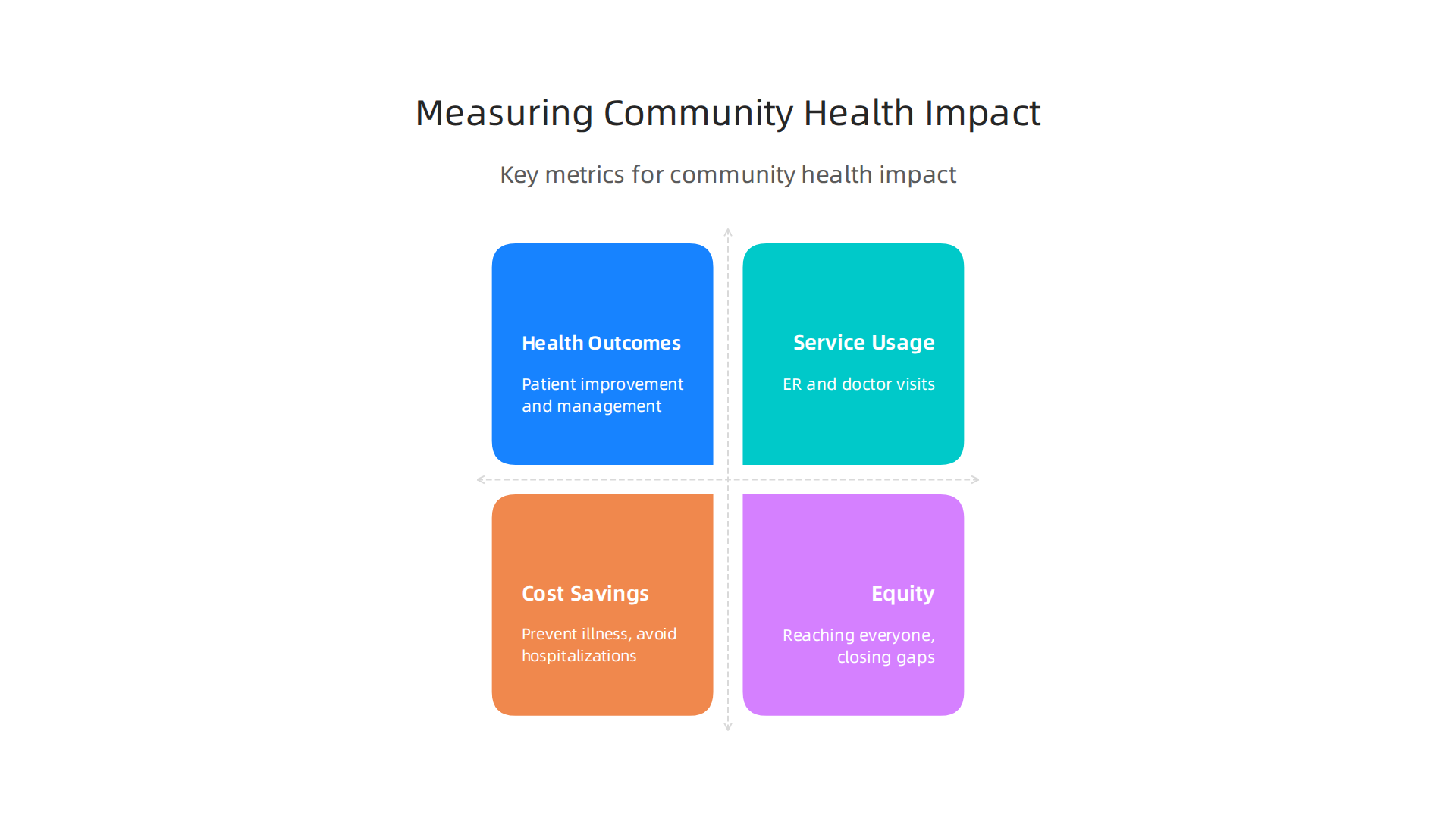
- Health Outcomes: Are patients getting better? Are they managing long-term conditions like diabetes or high blood pressure more effectively? Research shows that patient-centered outcomes are important for understanding the success of community-based management plans.
- How Services Are Used: Are people using emergency rooms less often? Are they going to their regular doctor more? Programs like home and community-based services can improve outcomes and lower costs.
- Cost Savings: While setting up community health care might cost money at first, it can save money in the long run by preventing serious illnesses or keeping people out of the hospital. For instance, evaluating how integrated and community-based care saves money is a key part of showing its value.
- Fairness for Everyone (Equity): Is community health care reaching everyone, especially those who need it most? Are certain groups getting better care than others? Measuring these "equity indicators" helps make sure care is fair for all. California’s Department of Health Care Services, for example, has evaluation questions to look at community support programs.
By carefully tracking these things, we can see what’s working well and what needs to change. This helps us make better decisions about where to put our money and effort in 2026, ensuring that community health care continues to improve lives.

For community health care to truly grow and help more people, it’s not enough to just start programs. We also need to make sure these programs can reach more people, keep going over time, and serve everyone fairly. This is about scaling, making sure things last, and being fair to all in 2026 and beyond.
Factors for Growing Community Health Care
For community health care to work well for many years, a few things are super important:
- Steady Money: Just like a plant needs water to grow, community health care needs a steady flow of money. We learned about different ways to pay for care, but it’s vital to have plans that keep funding coming in, especially for things that prevent illness and promote overall well-being.
- Good Data Systems: Imagine trying to drive a car without a map. That’s what it’s like to run health programs without good information. We need clear ways to collect and use health information to see what’s working and what’s not. This helps leaders make smart choices about where to focus efforts. Having strong public health data standards helps build smarter systems.
- Growing the Team: Community health care often relies on special helpers called Community Health Workers (CHWs). These are people from the community who help others understand health information, get the care they need, and connect with local services. To grow, we need to train more of these workers. Many groups offer toolkits to help build strong CHW programs, covering everything from how to set them up to showing their positive impact, like the resources from the Community Health Worker Model Best Practice Toolkit and the Community Health Workers Toolkit for rural areas.
- Fair Design: When we plan community health care programs, we must make sure they are set up to help everyone equally, especially those who often get left out. This means thinking about fairness from the very start.
Making Sure Programs Serve Everyone Fairly
To ensure community health care is truly fair, we need to ask some important questions and take steps to avoid making existing problems worse. This is known as an "equity checklist":
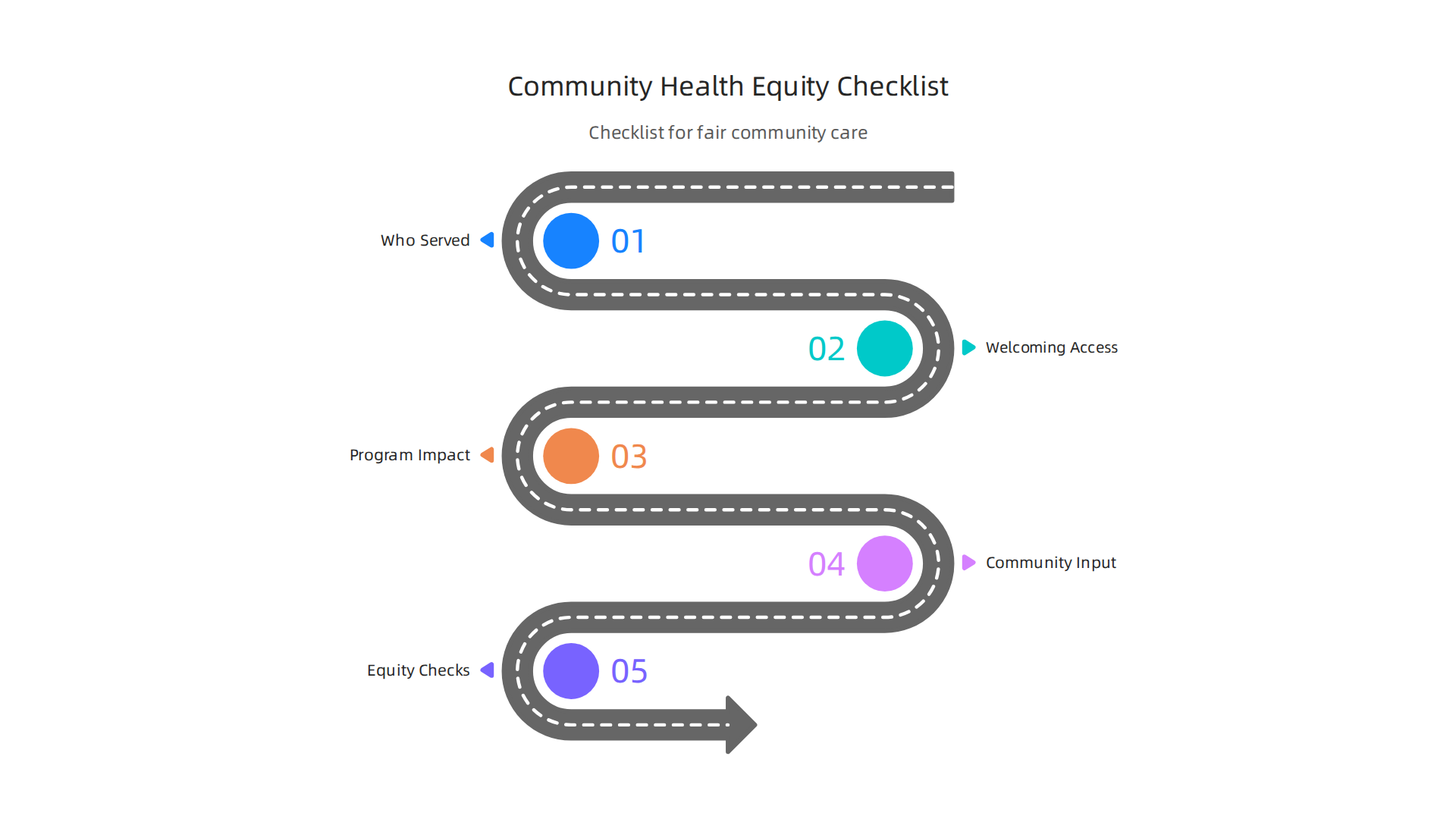
- Who are we serving? Are we reaching all groups of people in the community, including those who are often overlooked because of their background, where they live, or how much money they make? Places like Affinia Healthcare are good examples of organizations that focus on underserved communities.
- Do people feel welcome? Are the services easy to get to, and do people feel comfortable using them? This includes thinking about language, culture, and special needs.
- Are the programs actually helping those who need it most? We need to make sure the programs close health gaps, not make them wider. For example, if we’re trying to lower blood pressure in a community, are we seeing results in the group that had the highest blood pressure to begin with?
- Are we asking the community for their ideas? The people in the community know best what they need. We should always listen to their input when planning and improving services. Organizations like Johns Hopkins Public Health often stress the importance of community involvement.
- Are we checking for fairness over time? It’s not a one-time check. We need to keep looking at our results to make sure we’re still being fair as the program grows and changes.
By keeping these points in mind, we can help community health care programs grow in a way that truly benefits everyone and creates healthier communities for the future. Staying informed about the latest trends in healthcare technology, including how AI is shaping these areas, is key to making sure our community health initiatives are both effective and fair.
For those who want to keep up with how technology is transforming healthcare, including the role of AI in improving community health care, there’s a valuable resource.
The AI Newsletter Worth Reading offers clear daily updates on AI and technology trends.
Summary
This guide explains why community health care is central to modern health systems and how leaders can design, implement, and scale community-focused models. It outlines the main models—community health workers, home-based primary care, integrated clinics, and hub-and-spoke networks—and shows how digital tools like telehealth, remote monitoring, care coordination platforms, and CHW mobile apps boost reach and outcomes. The article covers practical technology selection criteria (interoperability, workflow fit, data governance, adoption, and value), workforce and partnership strategies, governance and compliance needs, and financing options including value-based and capitated payments. It also explains how to measure impact through outcomes, utilization, cost savings, and equity metrics, and offers guidance on scaling sustainably and fairly. After reading, healthcare leaders, founders, clinicians, and investors will know which models suit different communities, how to choose and deploy tech, and what metrics and funding paths to prioritize to improve population health.