


Healthcare is always changing, and in 2026, technology plays a bigger role than ever. From how doctors see patients to how hospitals keep records, digital tools are key. But for big regional health systems, making these new technologies work smoothly is a huge job.

Think of places like Atlantic Health, Mercy Health, or Witham Health Services. They face special challenges when bringing in new tech.
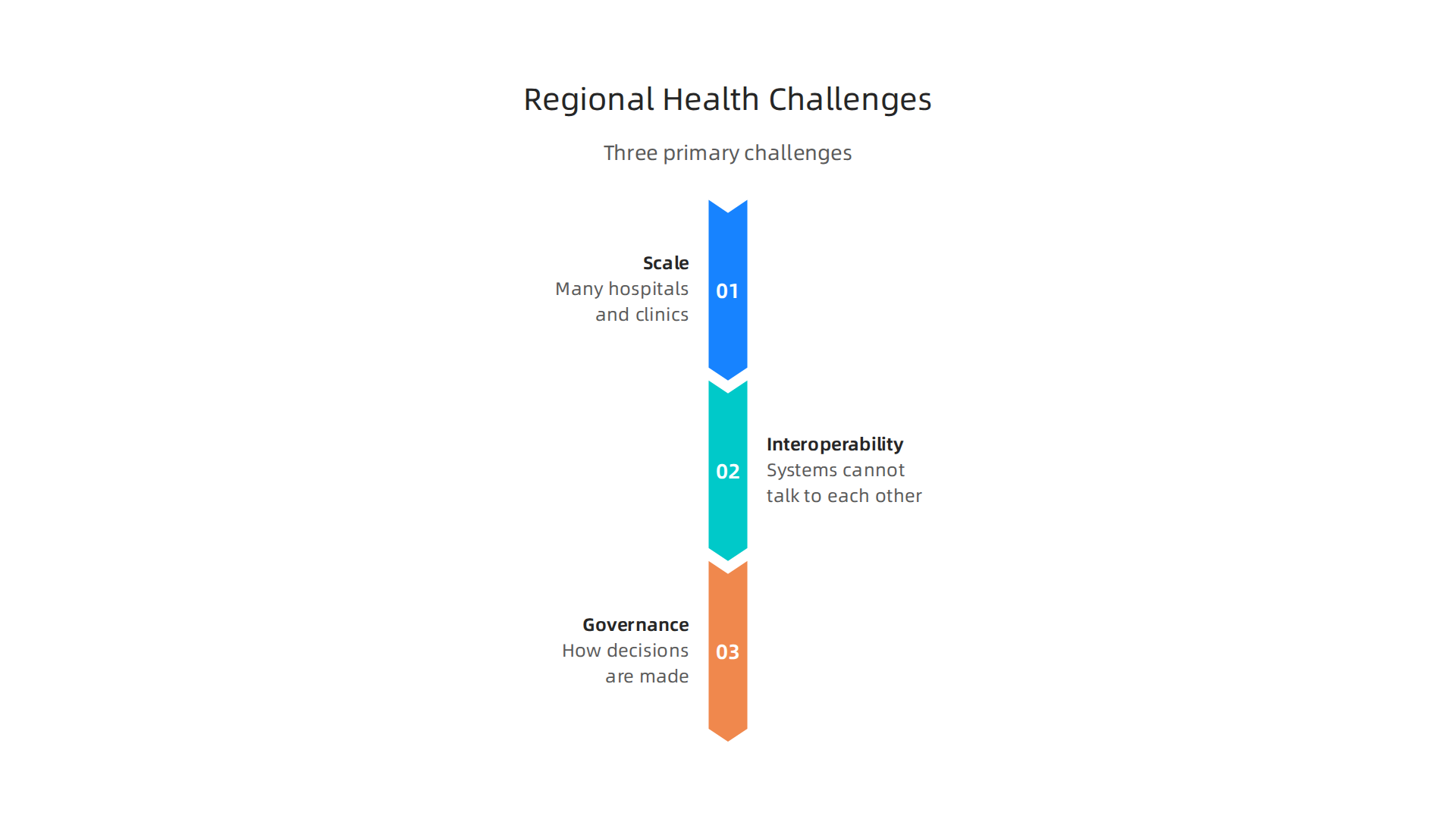
One big challenge is just the sheer size, or "scale," of these systems. They might have many hospitals and clinics, all needing to use the new tools. Then there’s "interoperability," which means getting different computer systems to talk to each other. It’s like having many phones that can’t call each other. This can make patient care tricky if information isn’t shared easily. Lastly, "governance" is about how decisions are made for new tech. Who decides what tools to buy? How do they make sure everyone uses them right? These are all big questions that need good answers to help people get the best care. The goal is to build digital health systems that truly focus on people, as shown in recent reports discussing how to create building people-centred digital health systems.
This article will help leaders at regional health systems like Millennium Medical Care and Bloom Healthcare understand these big challenges. We will share useful tips, explain why good proof is needed for new tech, and give you a checklist for making smart choices. You’ll learn how to modernize legacy health systems in regional hospitals and make sure your technology upgrades truly help patients and staff.
Want to stay informed about the latest tech in healthcare? Get clear daily AI updates from The AI Newsletter Worth Reading.
When regional health systems like Atlantic Health, Mercy Health, or Witham Health Services want to bring in new technology, they need a very clear plan. It’s not enough to just buy new tools. They need to know exactly what they want to achieve and how they will manage the whole process. This means setting goals that focus on actual results and creating a strong system for making decisions.
First, it’s really important to set "outcomes-driven" goals. This means thinking about what good things will happen because of the new technology. These goals usually fall into three main areas:
- Clinical Outcomes: How will patients get better care? Will wait times be shorter? Will doctors make more accurate diagnoses? For example, using a new system might help nurses spend more time with patients and less time filling out papers.
- Operational Outcomes: How will the hospitals and clinics run more smoothly? Will staff be able to do their jobs faster? Will there be fewer mistakes? A good goal might be to reduce the time it takes to get patient information from one department to another.
- Financial Outcomes: How will the new tech save money or bring in more money? This could mean less wasted supplies or more efficient billing.
By having clear goals for these areas, everyone involved can see how the technology truly helps. Studies show that having a clear digital strategy is key for successful changes in healthcare, even though many organizations still find it tough to put one into action Five keys to successful digital health transformation | HIMSS.
Next, these large systems need good "governance" structures. This is like having a clear set of rules and leaders for making decisions about the new tech. For big projects, especially ones that stretch across many hospitals like at Millennium Medical Care or Bloom Healthcare, everyone needs to work together. This means:
- Executive Sponsors: These are the top leaders who support the project and make sure it has the resources it needs. They champion the change from the very top.
- Clinical Leaders: Doctors, nurses, and other healthcare providers must be involved. They know best what patients and staff really need and how new tools will affect daily care. Their input helps make sure the technology is useful in real-world settings.
- IT Leaders: The tech experts need to be at the table. They know what’s possible with current technology, how to connect different systems, and how to keep everything safe and secure.
When these different groups work together, it helps make sure that new technology projects are rolled out well across all parts of the health system.

It’s about leading people through big changes, which is a major part of making new health IT work Change Management for Digital Transformation in Healthcare. This kind of teamwork and careful planning can make a huge difference in how regional health systems adapt and grow with technology, helping them achieve better results for everyone. Learn more about how these big systems can make tech work for them in our article on Digital Transformation in Large Health Systems Elevates Care and Boosts ROI.
After setting clear goals and building a strong leadership team, the next big step for health systems like Atlantic Health, Mercy Health, and Witham Health Services is to check if their current technology is ready for new tools. This means looking closely at how their systems talk to each other, how data is organized, and how they choose new technology partners.
Assessing Technical Readiness: Interoperability, Data Architecture, and Vendor Strategy
Think of it like making sure all the puzzle pieces fit together. New technology won’t help much if it can’t share information with the systems already in place. This is where "technical readiness" comes in. It’s about knowing what you have and what you need.
Checking How Systems Talk to Each Other (Interoperability)
One of the most important parts of technical readiness is "interoperability." This big word just means that different computer systems and software can easily share information with each other. For a regional health system, this is vital. Patient information needs to flow smoothly from a hospital to a clinic, or from one specialist to another. If systems can’t talk, doctors might not have all the important details, which can slow down care.
To see if their systems are ready, health organizations can use a checklist to review their "interoperability maturity." This helps them understand how well data already moves between their hospitals, doctors’ offices, and other care sites. For example, does patient data from a lab test at one location instantly show up for the doctor at another? Many groups, including the Global Digital Health Partnership, offer frameworks to help health systems assess how ready they are for new digital health tools Framework for Selecting Digital Health Maturity Assessments. Without good interoperability, even the best new tech can cause delays for patients, which is a key trend to watch in 2026 healthcare 7 healthcare trends to watch in 2026.
Organizing Your Data (Data Architecture)
Beyond systems talking to each other, a health system also needs a good "data architecture." This is like the blueprint for how all patient and operational information is collected, stored, and managed. It makes sure that when a new tool comes in, it can plug into this blueprint without causing problems. A strong data architecture also makes sure that information is safe and secure. For big systems like Millennium Medical Care or Bloom Healthcare, having a clear plan for how data is handled across all their sites is very important.
Choosing the Right Technology Partners (Vendor Strategy)
When a health system decides to bring in new technology, choosing the right company, or "vendor," is a big decision. They need a smart "vendor strategy" that looks at a few key things:
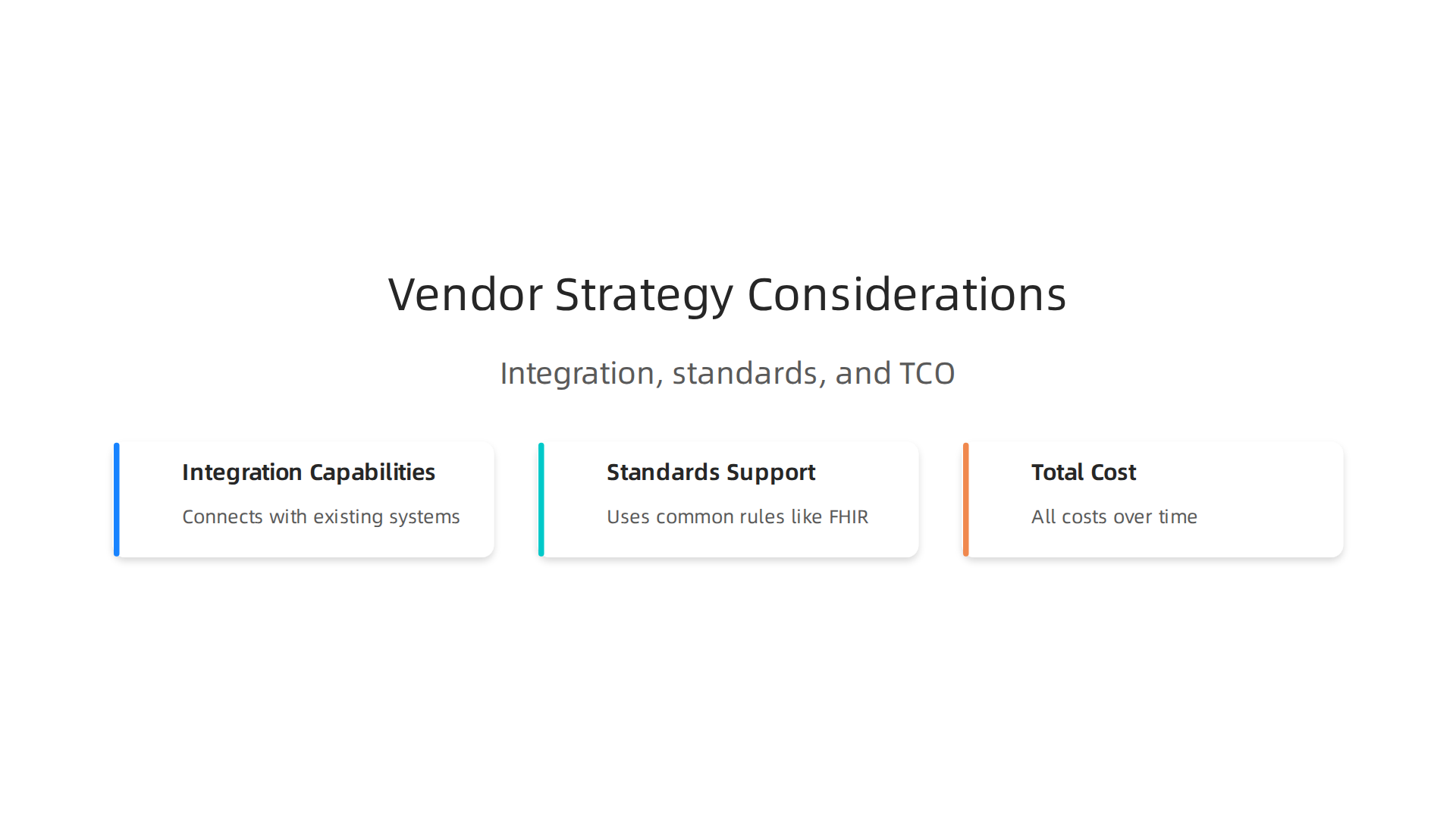
- Integration Capabilities: Can the new software or device easily connect with the systems already used by Atlantic Health or Mercy Health? If it can’t, it might create more problems than it solves.
- Standards Support: Does the vendor’s product use common rules for sharing data, like FHIR (Fast Healthcare Interoperability Resources)? Using standard rules makes it much easier for different systems to work together and share patient information safely.
- Total Cost of Ownership: This is more than just the price tag. It includes all the costs over time, like setting it up, training staff, ongoing support, and future upgrades. A cheaper upfront cost might end up being very expensive later if it’s hard to maintain or needs constant fixes.
Picking the right partners and technologies is a critical step in making sure new digital health projects truly help patients and staff. For systems looking to modernize their existing technology, understanding how to best connect old and new systems is crucial. You can learn more about how hospitals tackle this in our article on How To Modernize Legacy Health Systems In Regional Hospitals.
Staying updated on the latest shifts in health technology, especially with AI becoming so important in 2026, can help leaders make better choices. Get clear daily AI updates from The AI Newsletter Worth Reading.
After choosing the right technology and partners, the next step is to put the plan into action. This is where an "implementation roadmap" comes in handy. It’s like a clear map that shows how new tools will be introduced step by step.

This way, big changes don’t cause too many problems all at once for places like Atlantic Health or Witham Health Services.
One smart way to do this is with "staged rollouts." This means you don’t try to change everything at once. Instead, you introduce new technology in small, manageable parts. For example, a new patient portal might first be tested in just one clinic or department before being rolled out to all of Mercy Health’s locations.
These first small tests are called "pilot programs." They help health systems learn what works and what doesn’t without affecting too many people. A pilot program for a new scheduling system, for example, would have clear rules for how it will be judged. These rules are called "pilot criteria." They might look at things like how easy the system is for staff to use, if it makes patient appointments faster, or if it helps reduce errors. Running successful pilot programs is key to learning and making sure the full rollout goes smoothly, as shown by studies on digital health transformation International Case Studies to Identify Success Factors.
As new technology rolls out, it’s very important to set "measurable milestones." These are clear goals that tell you if the new system is actually helping. Think of them as checkpoints on your roadmap. For instance, Millennium Medical Care might want to see that 80% of their doctors are using a new digital tool within three months. Other goals could include:
- Faster patient check-ins: How much quicker are patients getting registered?
- Better data quality: Is the patient information more accurate and complete?
- Happier staff: Do doctors and nurses find the new tools helpful?
These milestones help health systems like Bloom Healthcare keep track of their progress and make sure the new technology truly improves patient care and makes operations smoother. It’s about seeing real results. In fact, knowing how to measure if these changes are working is a whole field of study, often called implementation science, which focuses on tracking actual outcomes Measuring implementation outcomes.
Keeping track of these details helps leaders understand the real impact of their digital changes. It ensures that every step taken brings them closer to better healthcare for everyone. And for those working on these critical shifts, understanding broader digital transformation efforts can offer valuable perspective on how technology reshapes modern healthcare Digital Transformation In Large Health Systems Elevates Care And Boosts ROI.
Change management and clinician engagement at scale
Understanding how technology changes healthcare is one thing, but making sure doctors and nurses actually use new tools is another. This is called "change management," and it’s super important. Even the best new system won’t work well if the people who need to use it don’t like it or don’t know how. This is true for big places like Atlantic Health or smaller clinics that are part of Mercy Health.
One key to success is getting clinicians on board early. Clinicians are doctors, nurses, and other medical staff. They need to feel like they are part of the process. If they just get a new system dumped on them, they might resist it. Studies show that when electronic health records (EHR) are put in place, getting staff to use them fully can be a challenge. It’s about more than just the tech itself, it’s about the people using it Effects of Electronic Health Record Implementation and Barriers to Use.
To help with this, health systems should offer good training programs. These programs should teach staff how to use the new tools step by step.

It’s not just a one-time class, either. People might need ongoing help and chances to ask questions. Think about Witham Health Services, they’d want to make sure their staff feel supported every step of the way.
Another helpful idea is to find "local champions." These are staff members who are excited about the new technology and can help their co-workers learn and feel good about the changes. They can answer questions and show others how helpful the new tools can be. For example, a doctor at Millennium Medical Care who loves a new digital charting system can encourage other doctors to use it more often.
After the new tools "go live," meaning they are used by everyone, it’s still important to keep measuring things. Health systems need to check on:
- Adoption: Are people actually using the new system as planned?
- Satisfaction: Do doctors and nurses like the new tools? Do they feel it makes their job easier or harder?
- Safety: Does the new technology keep patient information safe? Does it help reduce mistakes, or accidentally create new ones?
Keeping an eye on these things helps places like Bloom Healthcare make sure the changes are truly making things better. If problems pop up, they can fix them quickly. Learning from these experiences helps health systems make better choices in the future when adopting new technology. Staying on top of how technology is changing healthcare and understanding the latest trends can help leaders make smart choices. If you want to get clear daily AI updates that shape the healthcare sector, consider subscribing. Get clear daily AI updates from The AI Newsletter Worth Reading.
When making smart choices about new technology, healthcare leaders also need to think about all the rules and possible risks. This area is called "risk, compliance, and operational resilience." It’s about making sure patient information stays private, following the law, and being ready if something goes wrong. Every health system, like Atlantic Health, needs to handle these things well.
Data Governance and Privacy Rules
One big part of this is data governance. This means having clear rules for how patient data is collected, stored, used, and shared. It’s like having a strict librarian for all your health information. Good data governance helps places like Mercy Health make sure patient privacy is always protected. In 2026, there are many rules to follow, such as HIPAA in the US and new rules in Europe like DORA and the AI Act for how technology works across different countries Data Sovereignty Compliance in 2026: DORA, AI Act, and ….
It’s also important to make sure everything can be audited. This means health systems must be able to show exactly how they are following the rules at all times. They need to prove that data is handled safely, from when it’s first collected to when it’s no longer needed. Experts say that healthcare has some of the toughest AI compliance needs because patient safety is so important Top 7 industries with stringent AI compliance needs in 2026. If you want to learn more about specific rules, you can read about Texas Medical Board Regulations 2026: Every Health Tech Company Must Follow.
Keeping Operations Running Smoothly
Beyond privacy, health systems must plan for operational resilience. This means having backup plans so that if a system breaks down or there’s a cyberattack, patient care can still continue without big problems. Imagine if a system used by Witham Health Services suddenly went offline. They would need backup ways to check patient records or order medicines.
This planning includes a few key things:
- Backup Workflows: Having paper forms or manual steps ready to go if digital systems fail.
- Incident Response: A clear plan for what to do right away if there’s a problem, like a data breach or system outage. This helps places like Millennium Medical Care act fast.
- Vendor Service Level Agreements (SLAs): Many health systems use outside companies for their technology. SLAs are like promises that these vendors will provide services at a certain quality and fix issues quickly. Health systems need to keep a close eye on these agreements to make sure they are followed SLA Compliance: Metrics and Best Practices for Enterprises.
By carefully looking at risks, following all the rules, and planning for emergencies, health systems like Bloom Healthcare can make sure new technology truly helps patients safely and reliably in 2026. This also involves managing risks with any cloud vendors they use to protect patient data Cloud Vendor Risk Management for Healthcare.
Measuring Value: KPIs, ROI, and Continuous Improvement Loops
It’s not enough to just bring in new technology. Health systems also need to know if it’s truly helping patients and making things better for the organization. This is where we talk about "measuring value." It means looking at how well new tools are actually working and if they are worth the money and effort.
How to Check if Technology is Helping
A smart way to measure success is by using Key Performance Indicators (KPIs). Think of KPIs as important scores on a report card. They help hospitals like Atlantic Health see if their technology is reaching its goals.
Here are some simple examples of KPIs:
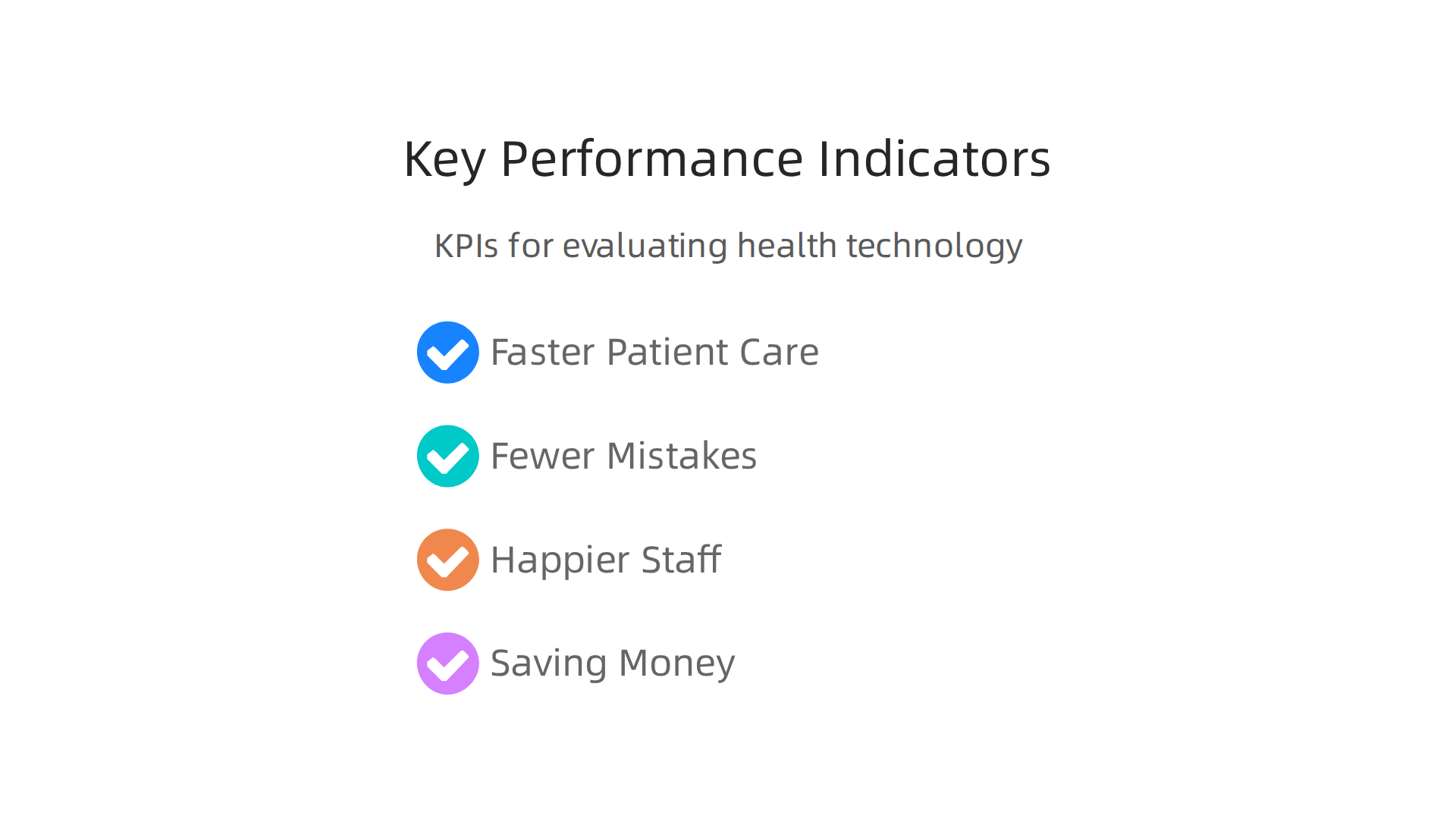
- Faster Patient Care: How quickly do patients get seen?
- Fewer Mistakes: Are there fewer errors in patient records or prescriptions?
- Happier Staff: Do doctors and nurses find the new tools easy to use?
- Saving Money: Is the technology helping the hospital save money in the long run?
By picking the right KPIs, hospitals can connect how well their technology works to real patient benefits and financial results. This helps them make sure the new digital tools truly improve care and also help with costs. In fact, understanding the bigger picture of how technology affects a hospital’s finances and patient care is a key part of success. You can learn more about how Digital Transformation in Large Health Systems Elevates Care and Boosts ROI.
Another important idea is Return on Investment (ROI). This is about making sure that the money a health system puts into new technology comes back to them, plus some extra. It’s like planting a seed and hoping to get many fruits in return. When choosing new technology, like for Mercy Health, it’s wise to look at all the costs, not just the sticker price. This includes things like training staff, ongoing maintenance, and even fixing problems. Experts suggest using tools like a Free TCO Calculator + Complete Guide (2026) to understand the full cost of ownership and ensure a good ROI.
Always Making Things Better
After a new technology is in place, the work isn’t over. Health systems need to set up continuous improvement loops. This means they constantly check how things are going, get feedback from users, and make small changes to make the technology work even better over time.
For example, Witham Health Services might launch a new patient portal. A continuous improvement loop would mean they:
- Look at Data: See how many patients are using the portal and for what reasons.
- Ask for Feedback: Talk to patients and staff about what they like and don’t like.
- Make Updates: Use that feedback to fix problems or add new features.
This is often called "change management" because it helps people adjust to new ways of working. It’s about leading people through the changes that come with new technology so everyone can use it well. Learning about Change Management for Digital Transformation in Healthcare can be very helpful for leaders.
By carefully measuring what works and always trying to get better, health systems like Millennium Medical Care and Bloom Healthcare can make sure their technology investments truly serve patients and improve healthcare in 2026.
If you’re interested in keeping up with daily insights into AI and technology trends that are shaping healthcare, consider getting The AI Newsletter Worth Reading.
Summary
This article explains how large regional health systems can successfully adopt new digital technologies by focusing on clear, outcomes-driven goals, strong governance, and technical readiness. It covers why scale, interoperability and data architecture matter, and how to choose vendors that support standards like FHIR and a sensible total cost of ownership. You’ll find practical steps for implementation—staged rollouts, pilot programs with measurable milestones, and change management strategies to get clinicians on board. The piece also outlines risk and compliance needs, operational resilience planning, and methods to measure KPIs and ROI through continuous improvement loops. After reading, health system leaders will have a checklist mindset and concrete actions to plan, test, measure, and scale technology that improves patient care and operational performance.