

Introduction
Most health alliances today face a tough reality. Technology changes fast. Budgets stay tight. And the pressure to improve patient outcomes keeps growing.

In 2026, many community health organizations still struggle with basic tech adoption. A report from the HIMSS organization shows that while digital health transformation is making gains, big gaps remain, especially around artificial intelligence adoption.
Digital Health Transformation: Gains, Gaps, and the Growth of AI highlights that nurse informaticists and clinical teams often lead these changes, but system-wide adoption stays slow.
That is where Brevard Health Alliance stands out.
This organization has become a model for how health alliances can embrace digital transformation in smart, practical ways. Unlike larger systems like the Atlantic Health System or community groups tied to Reliant Medical Group, Brevard Health Alliance found a path that fits its size, mission, and patient population. Even established networks like Providence Health have taken note of how this alliance balances innovation with real-world limits.
So what can we learn from them?
This article lays out an actionable blueprint for technology adoption inside health alliances. You will see the exact steps Brevard Health Alliance took. You will understand the challenges they faced. And you will get a clear plan you can use in your own organization.
If your health system has been stuck trying to modernize legacy tools, you are not alone. We have covered similar stories before, like how to modernize legacy health systems in regional hospitals, and the lessons apply here too.
The goal is simple. Help you move from stuck to steady. From planning to doing.
Want to stay ahead of the biggest technology shifts in healthcare? Get clear daily AI updates straight to your inbox with The Deep View Newsletter.
The Digital Imperative for Health Alliances in 2026
Why do health alliances need to adopt technology right now? Three big reasons.
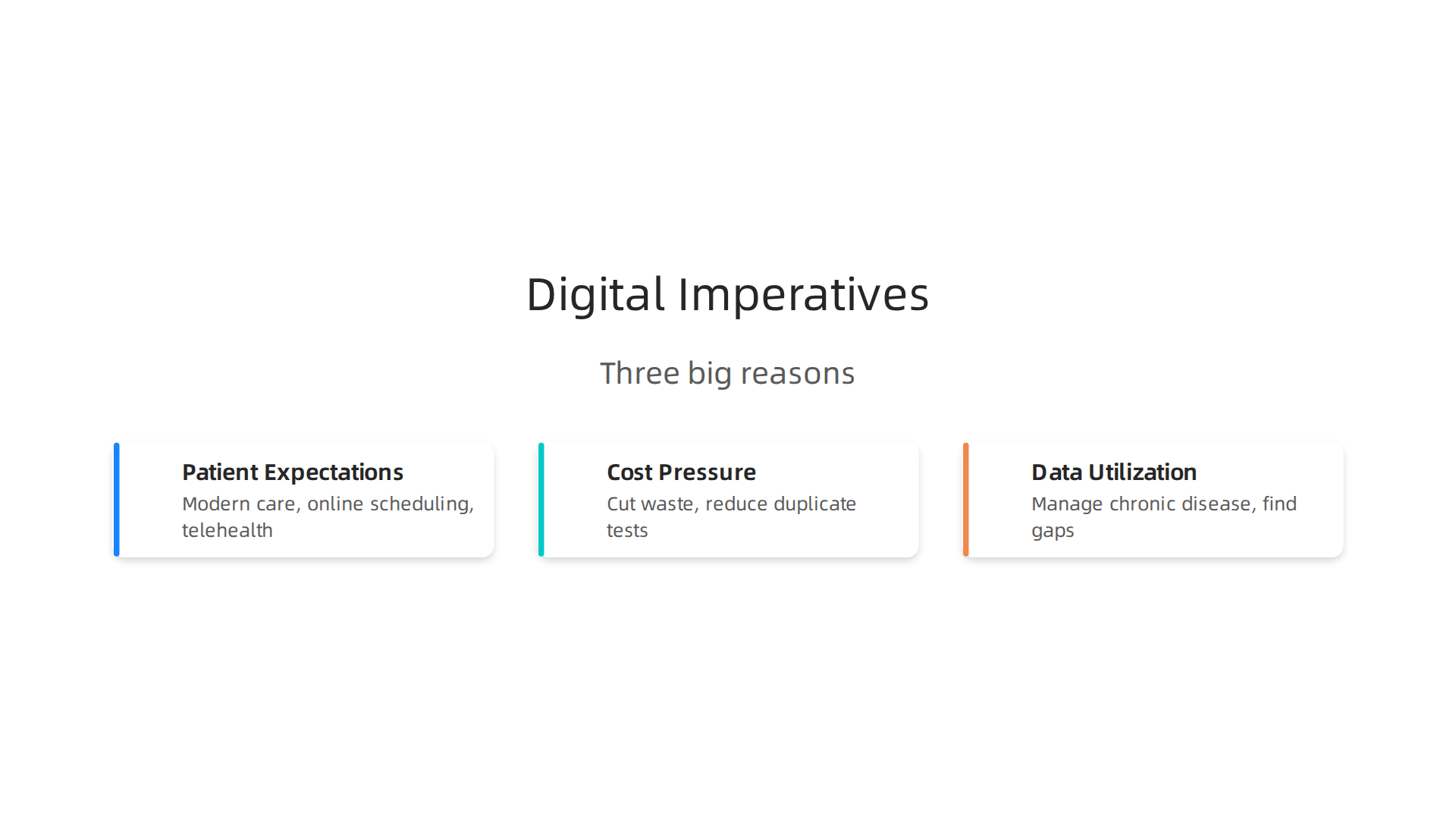
First, patients expect more. Second, costs keep going up. Third, data must work harder.
Let us start with patient expectations. In 2026, people want healthcare that feels modern. They want online scheduling. They want telehealth visits. They want access to their records from a phone. The digital health trends driving the U.S. market show that consumer demand is pushing health systems toward tools like remote patient monitoring and hybrid care models. Digital Health Trends U.S. 2025-2026 points out that patients now choose providers based on how easy technology makes their experience. If your alliance cannot offer these basics, patients will go somewhere else.
Then there is cost pressure. Every health system, including large networks like the Atlantic Health System, faces tighter budgets each year. Technology helps cut waste. It reduces duplicate lab tests. It keeps high-risk patients out of the emergency room. When data flows smoothly between a primary care doctor and a specialist, everyone saves time and money. Navigating 2026 health technology trends confirms that integrated data platforms are no longer optional. They are a requirement for staying financially stable.
Finally, population health management depends on good technology. Organizations like Providence Health and Reliant Medical Group use data to manage chronic disease across entire communities. Brevard Health Alliance does the same thing on a more focused scale. They track patient groups. They find gaps in care. They reach out before a small problem becomes a big one. This kind of work is difficult without the right digital tools.
For any health alliance, the message is clear. Technology is no longer a nice-to-have. It is a must-have. If you want to see how other community organizations are making this shift, check out our guide on how community health technology is reaching underserved communities in 2026.
Staying on top of the biggest technology shifts in healthcare is tough. But you do not have to do it alone. Get clear daily AI updates straight to your inbox with The Deep View Newsletter.
Key Technologies Transforming Health Alliances
So what does this digital shift actually look like in practice? Three technologies are making the biggest difference for health alliances like Brevard Health Alliance, Atlantic Health System, and Reliant Medical Group right now.
Telehealth and Remote Patient Monitoring
These tools let patients see a doctor without driving across town. For a community health center like Brevard Health Alliance, that changes everything. Patients with chronic conditions can check their blood pressure at home and send the data straight to their care team. The result is fewer ER visits and better daily management. According to the latest Digital Health Trends U.S. 2025-2026, remote patient monitoring is one of the fastest-growing areas in healthcare right now.
AI and Machine Learning
Artificial intelligence helps providers spot problems before they become emergencies. For example, Providence Health uses AI to predict which patients are at risk of getting sicker. The system flags them early, and a nurse reaches out right away. This kind of predictive analytics saves money and, more importantly, saves lives. The experts at Navigating 2026 health technology trends call AI a must-have tool for any health system that wants to stay ahead.
Data Analytics Platforms
Population health management only works when you have good data. A platform that pulls information from every clinic and hospital in the network gives leaders a clear picture. Atlantic Health System and Reliant Medical Group both use analytics to find gaps in care. They can see, for example, that a group of patients missed their mammograms. Then they send reminders. It sounds simple, but it makes a huge difference.
If you want to learn more about how these tools work for smaller communities, check out our guide on how community health technology is reaching underserved communities in 2026. And for daily insights on the tech that is reshaping healthcare, get The Deep View Newsletter delivered straight to your inbox. It is the easiest way to stay current without getting buried in noise.
Overcoming Implementation Barriers in Integrated Systems
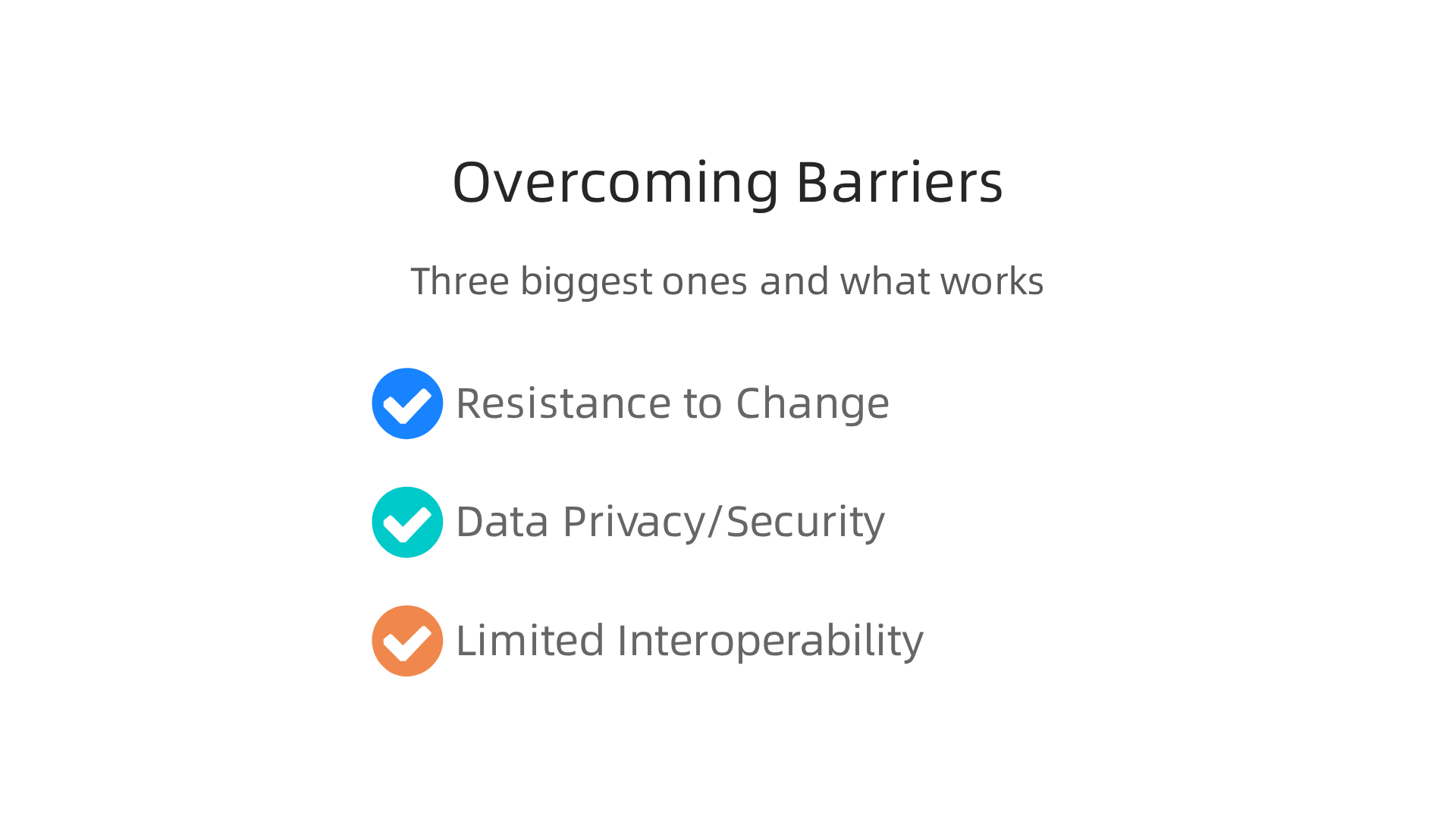
Getting these technologies up and running is not always smooth. Even when a health alliance like Brevard Health Alliance or Atlantic Health System wants to move fast, real barriers get in the way. Let’s talk about the three biggest ones and what works to get past them.
Resistance to Change and Legacy System Integration
Here is the hard truth. People get used to old workflows. A doctor who has used the same system for fifteen years is not always excited about a new dashboard. And older IT systems were not built to talk to modern tools. According to research from Digital Healthcare Research, situational barriers like time constraints and lack of organizational readiness are some of the most common reasons health IT projects stall. The solution is not just better software. It is better training and leadership buy-in from the start. If you want to see how smaller hospitals handle this, read our piece on how to modernize legacy health systems in regional hospitals.
Data Privacy and Security Concerns
Health data is sensitive. Patients trust their providers with the most personal information imaginable. So when a system like Providence Health or Reliant Medical Group starts sharing data across platforms, security must be airtight. The experts at Tiga Health point out that patients themselves may struggle with digital literacy and trust in these new tools. For providers, the challenge is keeping everything compliant while still making data useful. Strong encryption, clear consent processes, and regular audits are non-negotiable.
Limited Interoperability Between Solutions
This one frustrates everyone. One vendor’s EHR does not always talk to another’s analytics platform. A study in the Journal of Medical Economics identified interoperability as one of the top success factors for technology implementation in healthcare entities. When systems do not integrate, care teams get incomplete pictures of their patients. The answer is pushing for open standards and choosing vendors who prioritize connectivity over lock-in.
Every health alliance runs into these walls. The ones that break through do so by planning carefully and putting people first. If you want to stay ahead of the curve on these topics without spending hours digging through news every day, check out The Deep View Newsletter. It delivers clear daily updates on AI and health tech straight to your inbox.
Measuring Success: Metrics and ROI for Health Alliance Technology
So you have cleared the barriers. Your health alliance has new tech in place. Now comes the real question. How do you know it is actually working?
This is where measurement matters most. A health alliance like Brevard Health Alliance or Atlantic Health System needs clear metrics to see if their investment is paying off. Without them, you are just guessing.
The Three Metrics That Matter Most
First, look at clinical outcomes. Are patients getting better faster? Are readmission rates dropping? These numbers tell you if the technology is actually helping people.
Second, track operational efficiency. Does your team spend less time on paperwork? Can they see more patients without burning out? A study on the value of interoperability found that better data exchange could save the healthcare system $30 billion each year. That kind of savings shows up in smoother operations.
Third, measure patient satisfaction. When a system like Reliant Medical Group or Providence Health rolls out new tools, the patient experience should improve, not suffer. Quicker appointment scheduling, easier access to records, and fewer repeat visits all matter.
ROI Goes Beyond Dollars
Here is a common mistake. Leaders focus only on the financial return. But a technology that improves quality of care delivers real value too. Fewer errors, better chronic disease management, and stronger patient trust all count as returns. A PMC study on HIE metrics showed that health information exchanges that track quality of care alongside cost savings get a fuller picture of their impact.
Standardized frameworks help too. When your alliance uses the same benchmarks as others, you can compare performance honestly. If you want to see how smaller systems handle this kind of tracking, check out our piece on how community health technology is reaching underserved communities.
The bottom line is simple. Measure the right things from the start. Track clinical, operational, and satisfaction data together. And recognize that good patient outcomes are a return on investment all their own.
If you want to keep learning about what works in health tech without swimming through endless news feeds, The Deep View Newsletter sends clear daily updates straight to your inbox.
The Role of Leadership and Culture in Fostering Innovation
Even the best technology platform will fall flat without strong leadership behind it. For a health alliance like Brevard Health Alliance or Providence Health, the difference between a failed rollout and a successful one often comes down to one thing. Who is driving the bus.
Executive sponsorship is not just a nice title. It means someone with real authority is clearing roadblocks, fighting for budget, and keeping the team focused on the goal.

When leaders at Atlantic Health System or Reliant Medical Group visibly champion a new tool, it sends a clear message across the organization. This is a priority. We are all in on this.
But leadership alone is not enough. You need a culture that actually welcomes new ideas. Here is where many alliances get stuck. A PMC study on digital health barriers found that psychological barriers and workload concerns are major reasons clinicians push back. If your staff feels like technology is just extra work dropped on their plates, they will resist every step of the way.
So how do you build a better culture? You start by listening. You invest in training. You show people how the new system makes their actual day better. A lack of awareness and education is a significant barrier to adoption, as CalciumHealth notes, but it is one that good leadership can overcome. When people understand the "why" and feel supported, resistance drops fast.
This is where change management comes in. It is the bridge between the old way of doing things and the new. The AHRQ highlights situational barriers like time and readiness that can stop a project cold. Smart leaders address these head on. They create feedback loops. They celebrate small wins. They make it safe to ask questions.
If your alliance is still running on older systems, you might wonder where to even start. We wrote a guide on exactly that challenge. Check out our article on how to modernize legacy health systems in regional hospitals. It covers practical steps for leaders who are ready to build that culture of innovation but are dealing with outdated infrastructure.
At the end of the day, technology follows trust. When leadership and culture work together, innovation is not a battle. It is just how your organization operates.
Future Outlook: What 2026 Holds for Health Alliances Embracing Technology
So what comes next? If you are part of a Brevard Health Alliance or any health network that has started its tech journey, 2026 looks bright. The trends we see today are not science fiction. They are already rolling out across the country.
AI and automation will go deeper into care workflows. We are not just talking about chatbots anymore. Med Tech Solutions reports that 2026 is seeing a major shift toward operational AI governance. That means AI is being used for real clinical decisions, documentation, and even remote patient monitoring. Tools like AI copilots are becoming standard for doctors at systems like Atlantic Health System and Reliant Medical Group. They save time on paperwork so clinicians can actually focus on patients.
Interoperability will finally unlock real data sharing. For years, health alliances struggled to get different systems talking to each other. That is changing in 2026. As J.P. Morgan notes, technology’s expanding role is pushing organizations to break down data silos. This means a patient’s record can follow them from Providence Health to a specialist without fax machines or phone tag. Better data sharing leads to better care.
Value-based care models will speed up tech adoption. Here is the thing. When you get paid for outcomes instead of procedures, technology becomes a must-have. The Deloitte 2026 outlook shows that about 70% of healthcare executives plan to pursue alliances with tech companies this year. That is huge. Alliances that invest in value-based tools now will be the ones leading the pack.
Remember the trends outlined by UCF for 2026? AI integration, hybrid care models, and workforce retention are all on the list. These are not just buzzwords. They are the roadmap for any health alliance that wants to stay relevant.
Want to keep up with how AI and technology are reshaping healthcare every day? Get the latest insights delivered straight to your inbox with The Deep View Newsletter. It is the daily brief that helps leaders at alliances like yours make smarter decisions.
Case Study: Brevard Health Alliance’s Technology Journey
You just read about the big trends shaping 2026. Now let’s zoom in on a real example. The Brevard Health Alliance story shows what happens when a community health network actually puts these ideas to work.
A few years ago, Brevard Health Alliance faced a challenge many clinics know well: how do you serve more patients when your resources are already stretched thin?
Their answer was a focused technology strategy built on three pillars.
First, they doubled down on telehealth. Patients across Brevard County could suddenly see a provider without taking time off work or finding a ride to the clinic. Virtual visits became a standard care option.
Second, they optimized their electronic health record system. Instead of fighting their technology, they made it work smarter. They streamlined clinical workflows so doctors spent less time clicking boxes and more time talking to patients. According to the AHA’s look at health systems transforming care with AI, this kind of workflow integration is exactly what drives real clinical improvement in 2026.
Third, they invested in data analytics. They started using data to spot trends in their patient population. This helped them reach patients who were missing preventive care and manage chronic conditions before they worsened. This approach aligns with the HealthTech Pulse Survey findings, which show that data driven care models are delivering strong results for early adopters.
What did they achieve? Patient access improved. Operations ran smoother. Care teams felt less burned out because the technology actually helped them instead of adding to their workload.

The lessons for other health alliances? Start where the pain is biggest. Train your staff well. Only adopt technology that solves a real problem for your patients or your people.
Want to see how other health systems are taking these same steps? Read how community health technology is reaching underserved communities this year.
Interoperability and Data Sharing: The Backbone of Integrated Systems
The Brevard Health Alliance story shows what happens when one organization gets its technology right. But here’s the thing: a single clinic can only do so much on its own. Real coordinated care requires different providers to talk to each other. That is exactly what interoperability makes possible.

Interoperability means that your primary care doctor, your specialist, and the hospital across town can all see the same complete picture of your health. No fax machines. No repeating your medical history for the third time. Just clean, secure data moving between systems.
Standardized data exchange is becoming the new normal in 2026. Standards like FHIR (Fast Healthcare Interoperability Resources) act as a common language for health data. This helps systems that were never designed to work together finally share information.
The potential savings are huge. One study found that full interoperability could save the healthcare system $30 billion every year while also improving patient safety and care quality. Those numbers come from research shared by Health Gorilla.
But the road is not easy. Most health systems still face two big hurdles.
First, data silos. Many hospitals and clinics hold onto their patient data like a treasure chest. They worry about privacy or competition. But this hurts everyone, especially the patient. A health information exchange (HIE) is one way to break down these walls by creating a secure network for sharing records.
Second, legacy system compatibility. Older EHR systems were built in a different era. They were not designed to talk to anything outside their own four walls. That makes integration difficult and expensive. Getting systems to play together often requires significant work as described in this guide on EHR integration.
Government rules are also pushing the industry forward. The Promoting Interoperability Program from CMS requires eligible hospitals to meet specific data sharing goals each year.
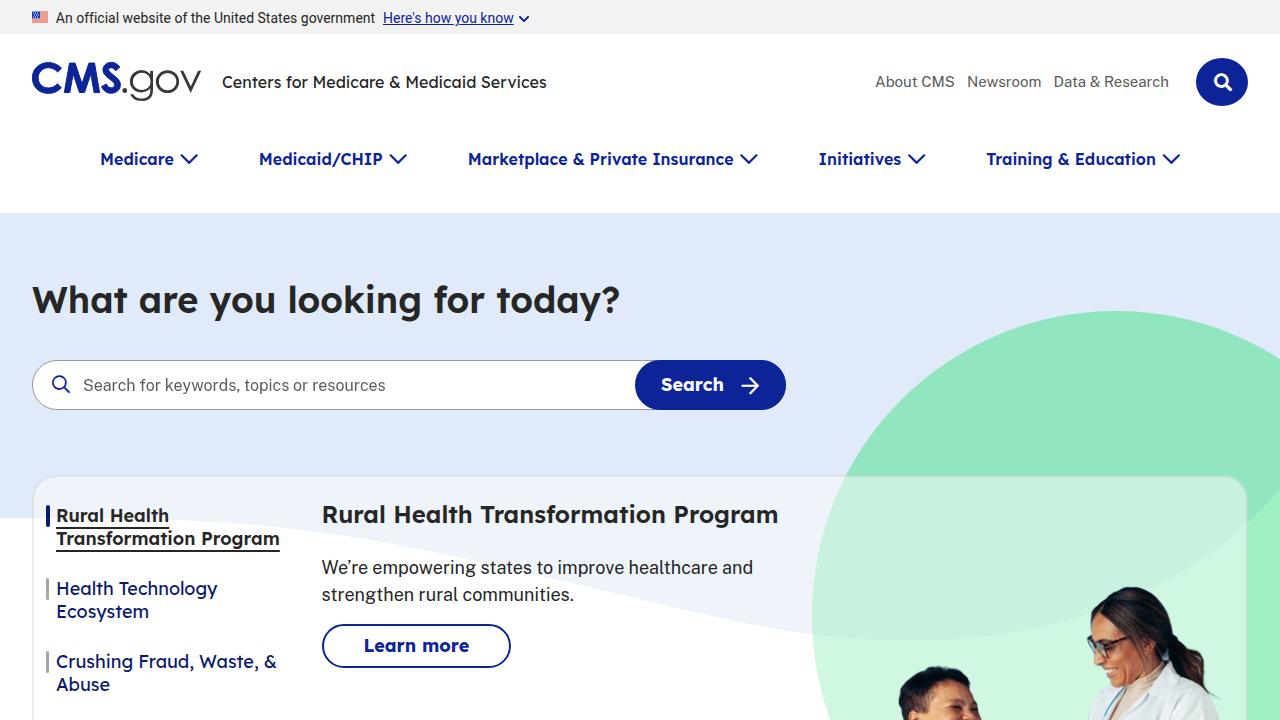
You can explore the latest program requirements on the CMS website.
What does that mean for health alliances like Brevard? It means they have to think about how their systems will connect with other providers in their region. Not just today, but years from now.
Interoperability is not just a technical problem. It is a patient experience problem. And solving it is one of the most important things any health system can do in 2026.
Want to stay on top of the biggest shifts in health tech? Subscribe to The Deep View Newsletter for clear daily updates on AI, data, and the technology reshaping healthcare.
Summary
This article presents a practical blueprint for how community health alliances can adopt modern technology in 2026, using Brevard Health Alliance as a working example. It explains why digital tools are now essential—patients expect online access, costs require efficiency, and population health depends on data—and outlines the three high-impact technology areas: telehealth/remote monitoring, AI, and analytics. The piece walks through common implementation barriers (legacy systems, security, interoperability), shows how to measure success with clinical, operational, and satisfaction metrics, and stresses the role of leadership and culture in driving adoption. You will learn concrete steps to start or accelerate modernization, how to prioritize investments, and what metrics and governance practices deliver measurable ROI. The article closes with a forward look at 2026 trends and practical lessons other alliances can apply to move from planning to effective, sustainable implementation.