

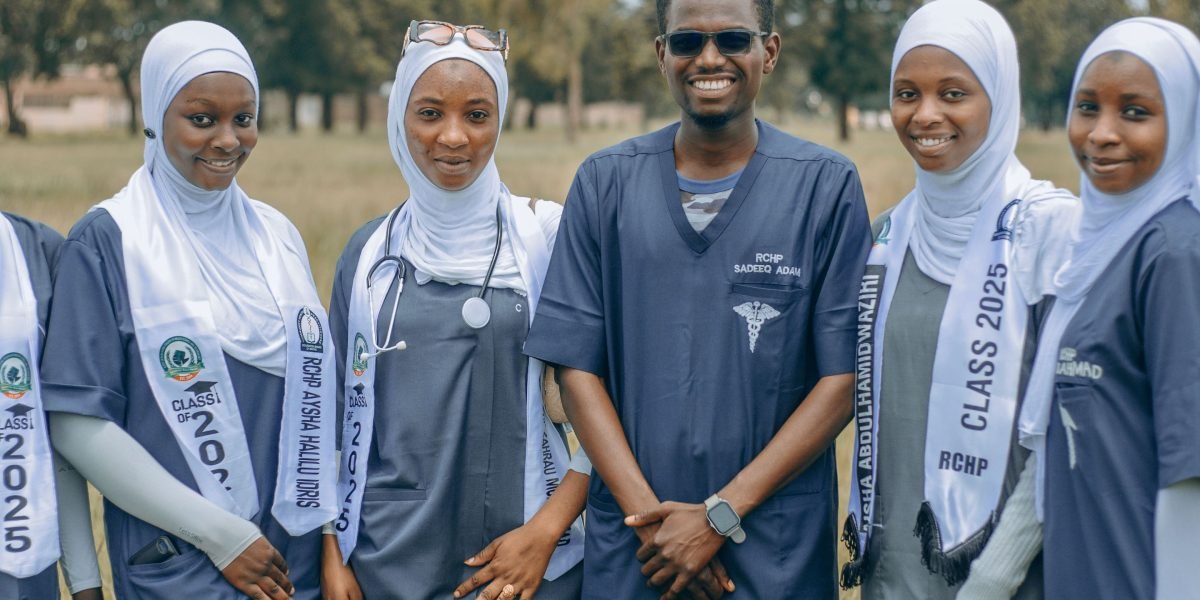
Why second‑degree nursing programs matter now
In 2026, many people are looking for new career paths, and healthcare is often at the top of their list. This is where second degree nursing programs become very important. These special programs let people who already have a college degree in something else quickly switch into nursing. Instead of starting from scratch, they can use their past college learning to speed up getting a Bachelor of Science in Nursing (BSN). This means they can become registered nurses much faster than with a traditional program.
Why do these accelerated pathways matter so much right now? Well, there’s a big need for skilled nurses across all parts of healthcare. Hospitals, clinics, and other care settings are always looking for more nurses to help patients. Second-degree nursing programs help meet this demand by creating a faster way to get new nurses into the workforce. Think of them as super-fast lanes to a nursing career.
Of course, to become a licensed nurse, any program you choose must meet certain quality standards. These standards are checked by groups like the Accreditation Commission for Education in Nursing (ACEN) and the Commission on Collegiate Nursing Education (CCNE). An accredited program ensures you’re getting a good education and helps you get your license after graduation. This is crucial for career changers because many states and employers require graduation from an accredited program for licensing and hiring, especially for roles that might lead to advanced positions like nurse practitioner programs later on. Accreditation means the program has been reviewed by experts and meets high standards for curriculum, teachers, and student success. In fact, nursing program accreditation is a rigorous process that validates various aspects of the education you’ll receive Latest Nursing Program Accreditations: 2026 Updates & ….
These programs are also designed with employer preferences in mind. Healthcare organizations value graduates who are well-prepared and can quickly adapt to clinical settings. The intensive nature of second-degree nursing programs helps students develop these skills rapidly.
As we go through this guide, we will give you clear and simple advice. We will look at the different kinds of programs available, what you need to get in, how much they cost, and what kind of jobs you can get after finishing. We’ll also help you pick the best program that fits what you need and what healthcare organizations are looking for.
Staying up-to-date with all the rapid changes in healthcare technology is also vital for new and experienced nurses.
If you’re looking for daily updates on how artificial intelligence is shaping healthcare and other industries, consider subscribing to The AI Newsletter Worth Reading.
Overview: What counts as a second‑degree nursing program?
When we talk about second degree nursing programs, we are really looking at a few different paths. These programs are all designed for people who already have a bachelor’s degree in a different field but now want to become nurses. They let you use your past college learning to finish a nursing degree faster than if you started from the very beginning.
Here are the main types you might find:
Accelerated BSN (ABSN) Programs
The most common type is the Accelerated Bachelor of Science in Nursing, or ABSN. This path is for people who want to get their BSN degree quickly. These programs are very fast and tough, often taking just 12 to 18 months to finish. You go to school full-time and focus only on nursing classes.
To get into an ABSN program, you usually need a strong GPA from your first degree. You also need to have taken specific science classes like anatomy, physiology, and microbiology. Many schools like the University of South Florida Nursing explain that you must meet all admission requirements and deadlines, including completing prerequisite courses with good grades, before applying to the accelerated second degree nursing pathway Accelerated Second Degree Admissions Details. These programs move quickly, so you jump right into nursing-specific learning.
Direct-Entry MSN Programs
Another option is a Direct-Entry Master of Science in Nursing (MSN) program. These programs are for people who want to become a registered nurse and then move right into a more advanced role, like a nurse practitioner programs or a clinical nurse specialist. They take a bit longer than ABSN programs, usually around two to three years. You’ll get your RN license along the way and then continue your studies to earn your master’s degree.
These programs are also very intense. They combine the basic nursing education with more advanced topics. People who choose this path often want to take on leadership roles or work in specialized areas of healthcare.
Other Second‑Degree Pathways
While ABSN and Direct-Entry MSN are the most common, some schools might offer other ways to earn a second degree in nursing. These might be slightly different versions that focus on specific groups of students or have unique schedules. The core idea remains the same: using your previous bachelor’s degree to speed up your nursing education. No matter the specific path, these programs are looking for dedicated students who are ready for a challenging academic experience. For example, some programs might require about 59 credit hours in prerequisite courses before you can even start the nursing part Second-Degree BSN Program Details.
Why Accreditation Matters for All Programs
No matter which second-degree nursing program you choose, it is super important to pick one that is accredited. Accreditation means that a trusted group has checked the program and found it meets high standards for teaching and student success. The Accreditation Commission for Education in Nursing (ACEN) and the Commission on Collegiate Nursing Education (CCNE) are the main groups that do this.
When a program is accredited, it means:
- Good Quality: You know you’re getting a quality education that prepares you well for nursing work. ACEN accreditation, for example, shows the public that a nursing program has clear and good educational goals Accreditation Commission for Education in Nursing (ACEN).
- Licensing: Most states require you to graduate from an accredited program to get your nursing license. This is a must-have for your future career.
- Future Schooling: If you decide to go back to school later for a higher degree, like a nurse practitioner programs or even to get specialized medical assistant training, accredited programs are much more likely to be accepted.
Accreditation makes sure your hard work counts and opens doors for your career. The CCNE also makes sure that nursing programs fit with what the school wants to achieve and meet professional nursing standards CCNE Education Standards 2026. It’s a key part of making sure you’re ready to care for patients safely and effectively.
Types of programs & delivery formats: in-person, hybrid, and online accelerated options
Now that we know how important accreditation is, let’s look at the different ways you can actually study in these second degree nursing programs. Just like there are different kinds of programs, there are also different ways schools offer them. You can find programs that are fully in-person, a mix of online and in-person (called hybrid), or mostly online.
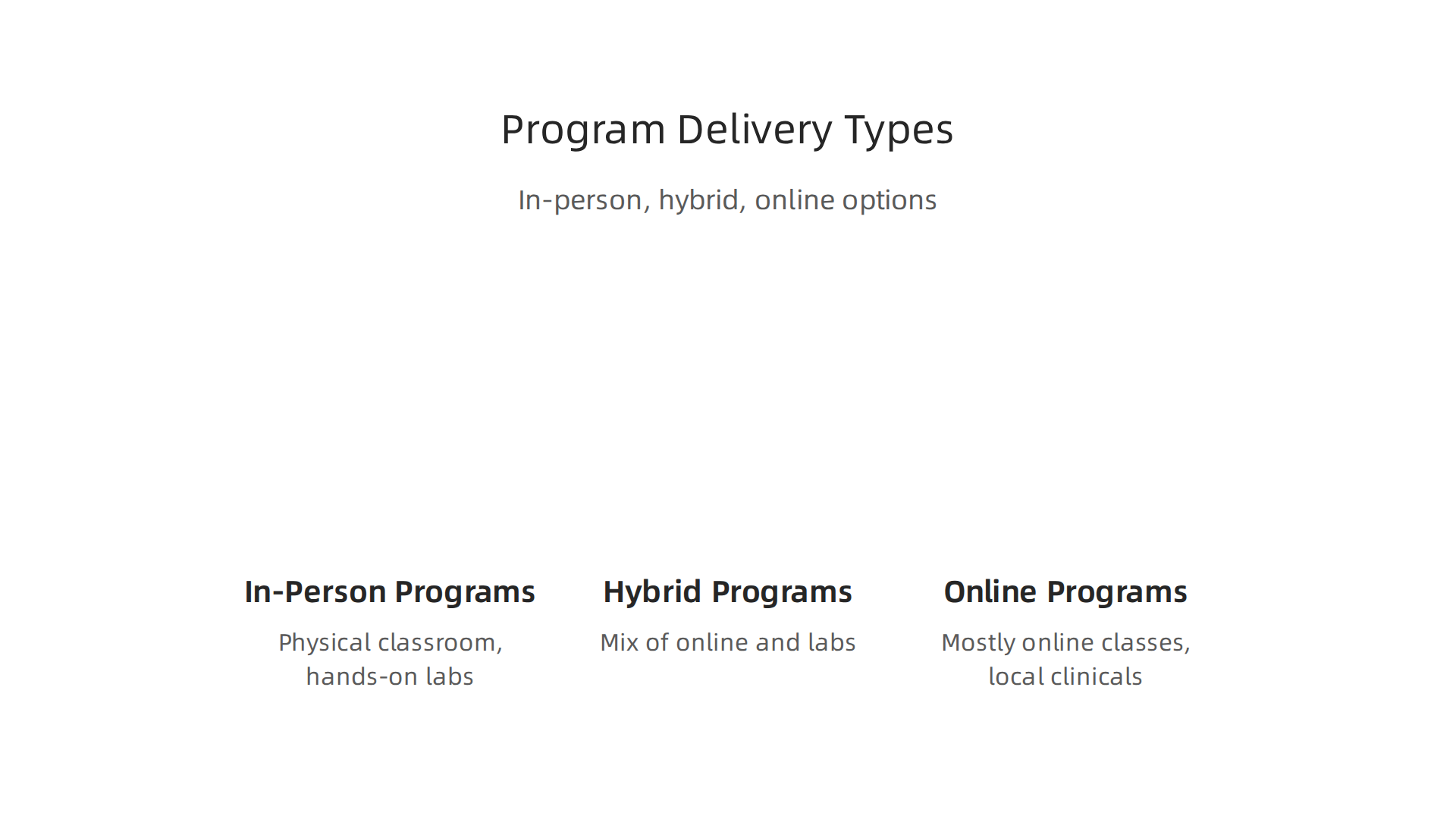
Each one has its own good points and things to think about.
In-Person Programs
Many accelerated nursing programs are still taught mostly in person. This means you go to a physical classroom for your lectures and lessons. Your labs, where you practice nursing skills, and your clinicals, where you work with real patients in hospitals or clinics, are also done in person. This type of program offers a very hands-on and immersive experience. You get to ask questions right away and work closely with your teachers and classmates.
These programs often have a set schedule, like a traditional college semester or a faster year-round calendar. They are usually full-time, meaning you spend many hours a week on schoolwork and practical training. For example, some accelerated BSN programs can be completed in 11 to 18 months and combine online lessons with face-to-face simulation labs and clinical rotations Best Accelerated BSN (ABSN) Programs 2026. Because these programs are so intense, many schools suggest students do not work while enrolled What Is an Accelerated BSN (ABSN)?.
Hybrid Programs: A Mix of Online and On-Campus
Hybrid programs try to give you the best of both worlds. They let you do some of your coursework, like lectures and reading, online from home. This can be more flexible for some students. But you still need to come to campus for the really important hands-on parts. This includes labs where you learn skills like giving shots or taking vital signs, and simulations where you practice patient care in a safe, fake hospital setting.
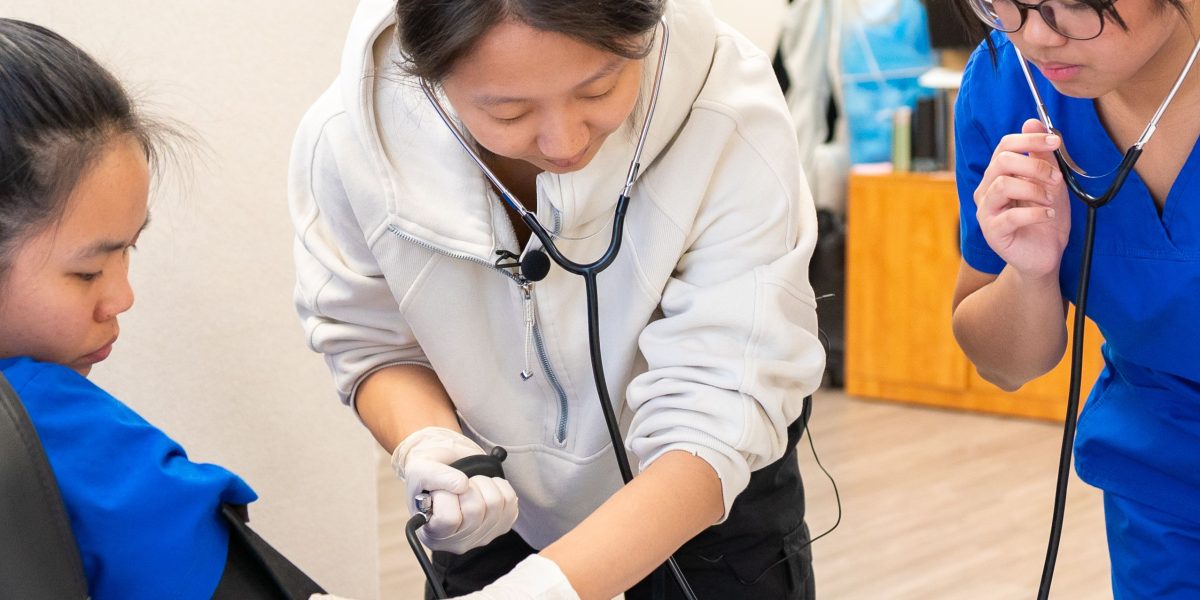
You will also do your clinical hours in person at healthcare facilities.
For instance, a hybrid ABSN program is a challenging, full-time program that can take about 48 hours per week for all the learning activities Online Accelerated BSN Program | STU. Some programs might even include a short on-campus stay, like a 10-day period, for intensive hands-on training in a simulation lab, even with 100% online coursework for the rest of the program Accelerated BSN Online | Rockhurst University. This format can be a good choice if you need some flexibility but still want a strong, in-person learning experience for practical skills.
Online Programs: The Digital Classroom
Some second degree nursing programs are mostly online. This means you do most, if not all, of your classroom learning through a computer. You might watch video lectures, join online discussions, and complete assignments digitally. The big difference with fully online programs is how they handle clinicals. Nursing requires working with patients, so you can’t avoid hands-on training.
For online programs, schools often help you find places to do your clinicals near where you live. This might be in hospitals or other healthcare centers. However, finding these placements can sometimes be tricky. You also need to make sure the program meets the licensing rules for the state you plan to work in. Not all online programs are accepted in every state. For example, some online ABSN programs offer 100% online coursework but still need clinicals in specific states like Nevada or Utah Hybrid-Online Accelerated Bachelor of Science in Nursing (ABSN …). Some programs require over 450 clinical hours to graduate Online Accelerated BSN Program (ABSN) – Elmhurst University.
Program Calendars and Part-Time Options
Most second degree nursing programs, especially accelerated ones, run on a year-round schedule. This helps you finish faster. They are usually full-time and move very quickly, so students need to be ready for an intense study period. Balancing your studies with other parts of your life can be hard, as you will read in the "Balancing Work, Life, and an Accelerated BSN Program" article Balancing Work, Life, and an Accelerated BSN Program.
Part-time options for accelerated programs are not very common because of how fast these programs are designed to be. If you need a part-time schedule, you might need to look at traditional nursing programs instead of accelerated ones.
Employer Partnerships and Clinical Placement
A great thing to look for in any second degree nursing program is whether they have special agreements with hospitals or other healthcare places. These are called employer partnerships. These partnerships can make it much easier to find places for your clinical training. Some schools work closely with healthcare systems to ensure their students get good clinical spots Clinical Partnerships & Experiential Learning. Actually, some hospitals even partner with universities to help fund nursing education, providing tuition support for students who agree to work for them after graduation Working Nurse Pipeline: Employer-University. These partnerships are super helpful because they can sometimes guarantee you a clinical spot or even a job after you finish. This is especially true in 2026 as healthcare systems look for strong ways to grow their teams.
As you explore these different ways of learning, remember that staying informed about changes in healthcare technology is also key for future nurses.
If you’re interested in the latest advancements, you might enjoy The AI Newsletter Worth Reading to get clear daily AI updates.
Getting into second degree nursing programs requires understanding what schools are looking for. It’s a bit like putting together a puzzle, where each piece is an important part of your application. This part tells you about the common things you need to have ready and how schools decide who gets in. It also gives tips for hospitals and clinics that want to hire these new nurses.
What You Need: Common Prerequisites
If you already have a bachelor’s degree in a different subject and want to become a nurse, these accelerated programs are made for you. To even apply, you’ll need to meet certain requirements, known as prerequisites. These are usually college courses you must have taken before you can start the nursing program itself.
Most schools ask for specific science classes. These often include anatomy and physiology (which might be two parts with labs), microbiology with a lab, and general chemistry. Sometimes, you might also need a statistics class or other courses in the humanities, biology, physical, or behavioral sciences Accelerated Second Degree Nursing. You usually need to earn at least a "C" grade in these prerequisite courses for them to count Admissions for Bachelor’s in Nursing Degrees.
Besides courses, schools also look at your grades from your first degree. Many programs have a minimum GPA (grade point average) you need to meet. For example, some programs are competitive and look at your overall GPA from your first bachelor’s degree Second Degree Program. You might also need to complete eight specific nursing prerequisites before the application deadline Accelerated Second Degree Admissions Details.
Some applications for these programs, like the Accelerated Bachelor’s in Nursing, are done online and have specific deadlines you need to follow Accelerated Bachelor’s in Nursing | College of Nursing.
How Schools Pick Students
After you meet the basic requirements, schools then decide who gets a spot. Since these second degree nursing programs are very popular and intense, getting in can be quite competitive. Schools look at a few things to choose the best students:
- Your grades: They check your previous college transcripts to make sure you can handle tough coursework.
- Essays and interviews: You might need to write essays explaining why you want to be a nurse or have an interview to show your passion and readiness.
- Prior experience: If you have worked or volunteered in healthcare before, this can be a big plus. Experience in roles like medical assistant training program can show you understand the healthcare environment.
- Clinical readiness: Schools want to know you are ready for the hands-on part of nursing, even if you don’t have direct nursing experience yet.
The goal is to find students who are not only smart enough but also truly dedicated and prepared for the fast-paced learning. Just like applying to other advanced healthcare roles, understanding the process is key. If you’re looking into paths like Medical School Requirements for 2026, you’ll find similar emphasis on strong academic records and a clear sense of purpose.
Tips for Hospitals and Clinical Partners
For hospitals, clinics, and other healthcare places, knowing about how these nurses are trained is very helpful. When you’re looking to hire graduates from second degree nursing programs, remember they are career-changers. This means they bring a wealth of life experience and maturity from their previous jobs or studies.
- Focus on transferable skills: These graduates often have strong critical thinking, communication, and problem-solving skills from their first careers.
- Look for adaptability: People who succeed in accelerated programs are often very adaptable and quick learners, which is great in a busy healthcare setting.
- Bridge training gaps: While these nurses get excellent foundational training, they might benefit from orientation programs that help them blend their new nursing knowledge with their previous professional skills.
It’s good to know that new BSN graduates generally have a high job offer rate. For example, one survey found that 84% of new BSN graduates had job offers right after finishing their programs New Graduate Employment Data. This shows that these programs are producing nurses who are ready for the workforce and in demand. These nurses are prepared to contribute quickly, especially as healthcare systems in 2026 continue to need skilled professionals.
So, you have learned how second degree nursing programs get you ready for a nursing career and why they are in demand. Now, let’s look at what you will actually learn and do in these fast-paced programs. This includes the important skills you will gain, how much hands-on practice you will get, and what pathways open up after you graduate.
Curriculum, Clinical Hours & Competency Outcomes
These accelerated nursing programs pack a lot of learning into a short time. They focus on making sure you learn the most important nursing skills, known as core clinical competencies. This includes things like how to care for patients safely, give medicines, talk clearly with patients and their families, and think critically to solve problems in a healthcare setting. All of this learning helps prepare you for the NCLEX, which is the big test you need to pass to become a licensed registered nurse.
It is very important that these programs are approved by special groups that check for quality. For example, the Accreditation Commission for Education in Nursing (ACEN) or the Commission on Collegiate Nursing Education (CCNE) make sure that nursing programs meet high standards for education and prepare nurses well for their jobs in 2026. These accreditation bodies help ensure that a nursing program has clear and proper goals for education and gets students ready for professional nursing practice Accreditation Commission for Education in Nursing (ACEN). CCNE also ensures that programs follow professional nursing standards CCNE Education Standards 2026. Choosing an accredited program is key for your career Latest Nursing Program Accreditations: 2026 Updates & ….
Hands-On Learning: Clinical Hours and Simulation
A big part of becoming a nurse is getting hands-on experience. Second degree nursing programs include many hours of clinical practice. These are real-world experiences where you work with patients in places like hospitals or clinics, all while being guided by experienced nurses. The number of hours can differ between programs. For example, some programs may require over 450 clinical hours Online Accelerated BSN Program (ABSN) – Elmhurst University, while others aim for around 583 hours or even more for their hands-on experiences Accelerated BSN Online | Rockhurst University. Some students have even reported programs totaling 855 hours, with about 420 of those being direct patient care How many clinical hours does your school require to graduate?.
Many accelerated programs are designed as hybrid programs. This means they mix online classes with in-person lab work and clinical training Best Accelerated BSN (ABSN) Programs 2026 – Nurse.org. You might do lectures and reading online, but then come to a campus for special labs and simulation training. Simulation labs are fantastic because they let you practice nursing skills in a safe, fake hospital setting, using lifelike models that can react like real patients. This is a very important part of learning how to handle different situations before you face them in real life Online Accelerated BSN Program | STU. Some programs even include a special 10-day on-campus residency to make sure you get enough hands-on instruction Accelerated BSN Online | Rockhurst University.
Schools use something called "competency-based assessment." This means they look at what you can actually do as a nurse, not just what you know from books. It is all about showing you can safely and skillfully care for patients.
Preparing for Specialties and Advanced Practice
After you finish a second degree nursing program and pass your NCLEX, you will be ready for many entry-level nursing jobs. But the learning does not stop there! A BSN degree from these programs can also be a stepping stone for more specialized roles. For example, you could go on to nurse practitioner programs to become an advanced practice registered nurse. Or you might pursue other graduate studies in healthcare. Some universities even have special agreements that guarantee admission to a Master of Nursing program for their BSN graduates who meet certain criteria Accelerated Nursing Partnerships: How New Models ….
Many second degree nursing programs work closely with hospitals and clinics. These "academic partnerships" help students find places for their clinical hours and can even lead to jobs after graduation Academic Partnerships as a Model for the Future …. These partnerships are key to getting enough clinical training opportunities How Academic–Health System Partnerships Expand Clinical …. Sometimes, these partnerships even offer financial support for students as they pursue their new nursing careers NYS Program Offers Funded Pathway to New Nursing Career. Graduates of these programs often bring maturity and real-world experience from their first careers, qualities that employers value greatly Why Employers Value Accelerated Nursing Graduates.
If you are thinking about different paths in healthcare, a Bachelor of Science in Nursing programs offers a strong foundation for many roles. You can also explore options like how to pick the best accredited medical assistant programs in 2026 for other hands-on healthcare careers.
As you prepare for a future in healthcare, staying informed about the latest technology is key. For more insights into how AI is changing the healthcare world, consider subscribing to The AI Newsletter Worth Reading.
After learning about the exciting career paths that open up, it is natural to wonder about the financial side of these fast-paced programs. Getting a nursing degree is a big step, and understanding the costs, how to pay for it, and what you get back for your investment is key. Let us break down the money matters for second degree nursing programs.

Costs, financial aid & ROI: understanding price, time investment, and employer subsidies
The cost of second degree nursing programs can vary a lot. It depends on whether the school is public or private, and where it is located. Some private Bachelor of Science in Nursing (BSN) programs might cost a lot, like $90,000 to $200,000, while others might be more affordable for the full program Afford Nursing School in 2026: Scholarships, Grants, & …. For example, one program showed tuition for a Fall 2026 semester at over $15,000, which included fees Accelerated BS in Nursing Tuition and Financial Aid. Another example lists tuition per quarter at over $13,000 Costs & financial support. On average, some accelerated BSN programs may have tuition and housing costs around $38,000 for the whole program, but this can go higher depending on the school For those who are second bachelors of nursing, how did …. These costs cover your classes, labs, and sometimes other fees related to nursing education.
Beyond tuition, remember to plan for other expenses. These include books, uniforms, testing fees (like for the NCLEX), and living costs like rent, food, and transport. Since many second degree nursing programs are very intensive, some students might reduce their work hours, which means they need to budget more for daily living expenses during their studies.
Financial Aid Options to Help You Pay
Luckily, there are many ways to get help paying for your second degree nursing program.
- Scholarships and Grants: These are like gifts of money that you do not have to pay back. Many schools offer special scholarships for students in accelerated nursing programs A Nursing Degree That Doesn’t Break the Bank. You can also find scholarships from nursing organizations.
- Student Loans: Federal student loans are often available, and some students also use private loans. It is important to understand that loans need to be paid back with interest. You can find more details about various financial aid programs for nursing school.
- Employer Reimbursement and Sponsorship: This is a big help! Many hospitals and healthcare systems offer to pay for some or all of your nursing school tuition. About 60% of employers offer tuition help programs Tuition Reimbursement For Nursing. Some even pay upfront! Employers can offer up to $5,250 in tax-free educational assistance each year Employer-Sponsored BSN Programs. This might involve you agreeing to work for them for a certain amount of time after you graduate.
- Loan Repayment Programs: Special programs like the Nurse Corps Loan Repayment Program can pay back a large part of your nursing education debt if you agree to work in areas that really need nurses for a few years Nurse Corps: Funding for Nurses and Nursing Students. These programs are a great way to reduce the financial burden after you start working.
Return on Investment (ROI): Is It Worth It?
Thinking about the "Return on Investment" means looking at what you gain versus what you spend. For individuals, investing in second degree nursing programs often brings great rewards.
- Good Salary and Job Security: Registered nurses usually earn good salaries, and there is a high demand for them across the country. A bachelor’s degree in nursing can also lead to faster job offers BSN Grads are Hired Faster and better career growth.
- Career Advancement: A BSN opens doors to specialized roles and further education, like pursuing
nurse practitioner programsor other advanced degrees. Whilemedical assistant trainingorpathology assistant programsoffer valuable healthcare paths, a BSN provides a broader foundation for clinical leadership and direct patient care. - Personal Satisfaction: Many people choose nursing because they want to help others and make a real difference. This kind of personal reward is hard to put a price on.
For employers, sponsoring nurses or hiring graduates from accelerated programs also has a high return. These graduates often bring maturity and diverse experience from their previous careers, which makes them valuable team members from day one. Employers also benefit from improved patient outcomes when they have a highly educated nursing staff A bachelor’s degree for entering the nursing profession. Plus, offering tuition support helps attract and keep talented nurses, which is crucial in today’s healthcare world. Keeping your nursing staff happy and growing their skills is also a part of improving your health system technology landscape.
After understanding the financial side and the good return on investment for second degree nursing programs, let us look at the exciting career paths that open up. The real reward is often found in the work itself, and these programs prepare you well for a meaningful future.
Career outcomes & pathways after graduation
Graduates from second degree nursing programs typically enjoy very positive career outcomes. Because you already have a bachelor’s degree in another field, you often bring a lot of maturity and life experience to nursing. This makes you a valuable addition to any healthcare team.
High Employment Rates and Entry Roles
The demand for registered nurses remains high across the country. This means that after you finish your program and pass your licensing exam (NCLEX), finding a job is usually quick. For new Bachelor of Science in Nursing (BSN) graduates, the average job offer rate right after finishing school was as high as 84% in a recent survey New Graduate Employment Data. This shows how much healthcare facilities need skilled nurses.
Many graduates start in roles as Registered Nurses (RNs) in hospitals, clinics, or other healthcare settings. Your previous work and life experiences are a big plus for employers.

They often value accelerated nursing graduates for their maturity, adaptability, and real-world skills Why Employers Value Accelerated Nursing Graduates. This can help you settle into your new career faster. While other healthcare roles like medical assistant training programs or pathology assistant programs offer valuable skills, a BSN provides a wider path for direct patient care and leadership right from the start.
Pathways to Specialization and Advanced Degrees
One of the best things about getting a BSN through second degree nursing programs is how many doors it opens. Once you are a registered nurse, you can choose to work in many different specialty areas. You might find yourself caring for babies in a neonatal intensive care unit, helping people recover from surgery, working in emergency rooms, or even specializing in mental health.
Beyond that, a BSN is the stepping stone for advanced education. If you want to take on more responsibility and leadership, you can pursue advanced practice degrees. For example, many nurses go on to nurse practitioner programs. Nurse practitioners can diagnose illnesses, prescribe medicine, and manage patient care, much like doctors. Other advanced roles include nurse anesthetists, nurse midwives, and clinical nurse specialists. These paths let you deepen your knowledge and skills, leading to higher salaries and more specialized patient care. If you are curious about different nursing education paths, you can explore various Bachelor of Science in Nursing programs.
Employer Support and Retention Programs
Hospitals and healthcare systems are very keen on keeping their nurses happy and skilled. They know that investing in their staff is good for everyone. Many employers offer special programs to help new graduates, especially those from accelerated programs, feel supported and grow in their roles.
These programs often include:
- Onboarding and Residency Programs: These are structured training periods that help new nurses learn the ropes, gain confidence, and get used to their specific work environment. They provide extra support beyond nursing school.
- Mentorship: Pairing new nurses with experienced mentors helps them navigate challenges, learn best practices, and build their professional network.
- Continuing Education: Employers often provide or pay for ongoing training and classes so nurses can keep their skills sharp and learn about new medical advances and technology.
Some healthcare systems even partner directly with nursing schools. These hospital partnerships in nursing help create a smooth path from student to employed nurse. They can make sure graduates are ready for the specific needs of their facilities. These partnerships also help with retention, meaning nurses are more likely to stay with that employer for a longer time, which benefits both the nurse and the patients they care for.
Staying updated on the latest health technology and innovations can further boost your career.
Get clear daily AI updates from The AI Newsletter Worth Reading.
Summary
Second‑degree nursing programs give people with a prior bachelor’s degree a faster route to a Bachelor of Science in Nursing (BSN) and entry-level RN licensure. This article explains why accelerated pathways matter in 2026, describes the main program types (ABSN and direct‑entry MSN), and contrasts delivery formats like in‑person, hybrid, and online options. It walks through common admissions prerequisites, clinical hour expectations, accreditation importance, and competency‑based learning that prepares students for the NCLEX. You’ll also get a clear view of costs, financial aid options—including employer tuition support and loan repayment programs—and how to evaluate return on investment. Finally, the guide covers typical career outcomes, employer partnerships that ease clinical placement and hiring, and practical tips for picking the right accredited program to match your goals.